
For more than a decade, filmmaker Sam Platizky and his team at Narrow Bridge Films have built a reputation through comedy, horror, and the occasional hybrid of the two. With Archangel, however, Platizky takes an unexpected turn into dramatic territory, delivering a deeply personal and emotionally grounded short film that feels less interested in spectacle than in something far more challenging: compassion.
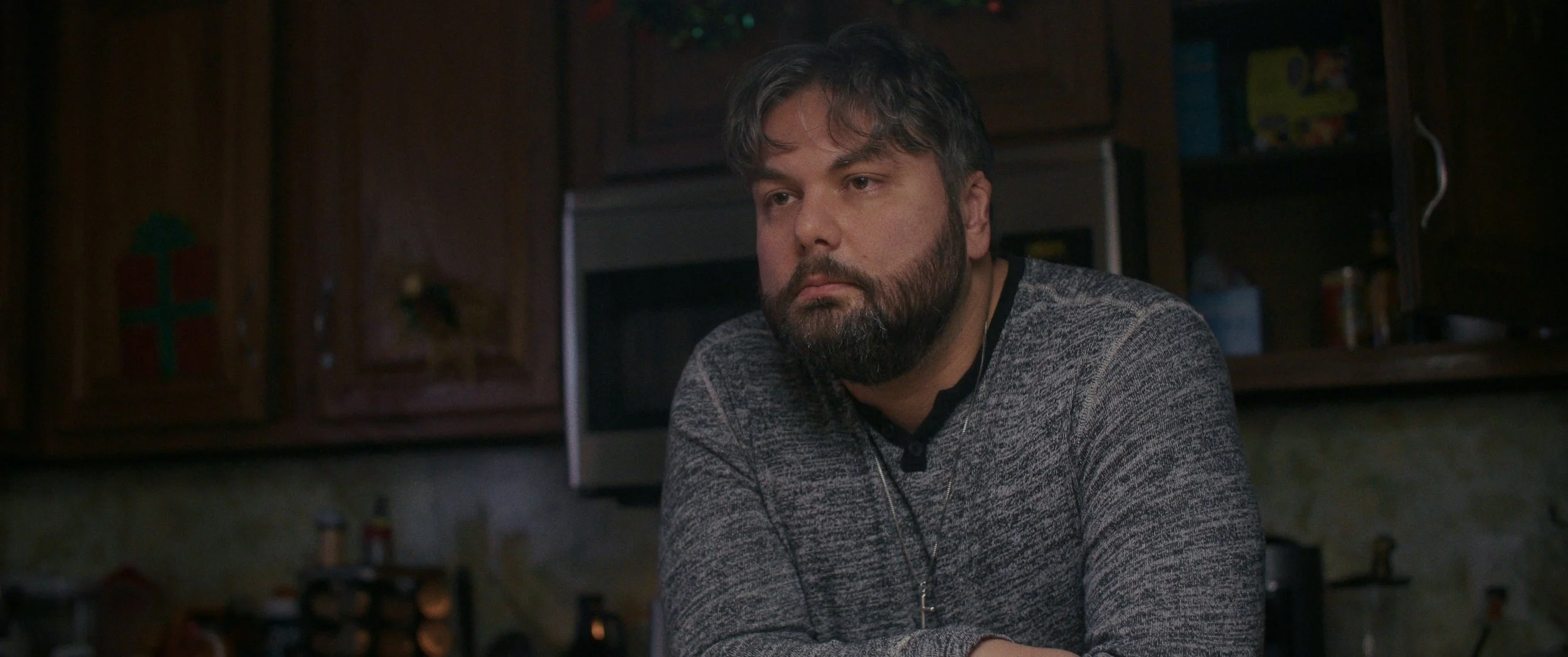
At just over fifteen minutes, Archangel tells the story of Michael (Dan Gregory), a man whose life has been defined by the aftermath of a devastating car accident in his youth. Decades later, he continues to battle chronic pain, unemployment, isolation, and deteriorating mental health. When a desperate attempt to earn money through a late-night delivery job spirals into violence, Michael is finally forced to confront the emotional wounds he has spent years trying to ignore.
What makes Archangel effective is its refusal to sensationalize those struggles.
Platizky's screenplay treats Michael's pain as an everyday reality rather than a dramatic device. The film gradually reveals how trauma has narrowed his world, affecting his ability to work, connect with others, and imagine a future for himself. The result is a character who feels painfully authentic. Michael is neither a victim nor a hero. He is simply a man trying, and often failing, to carry a burden that has become too heavy to bear alone.
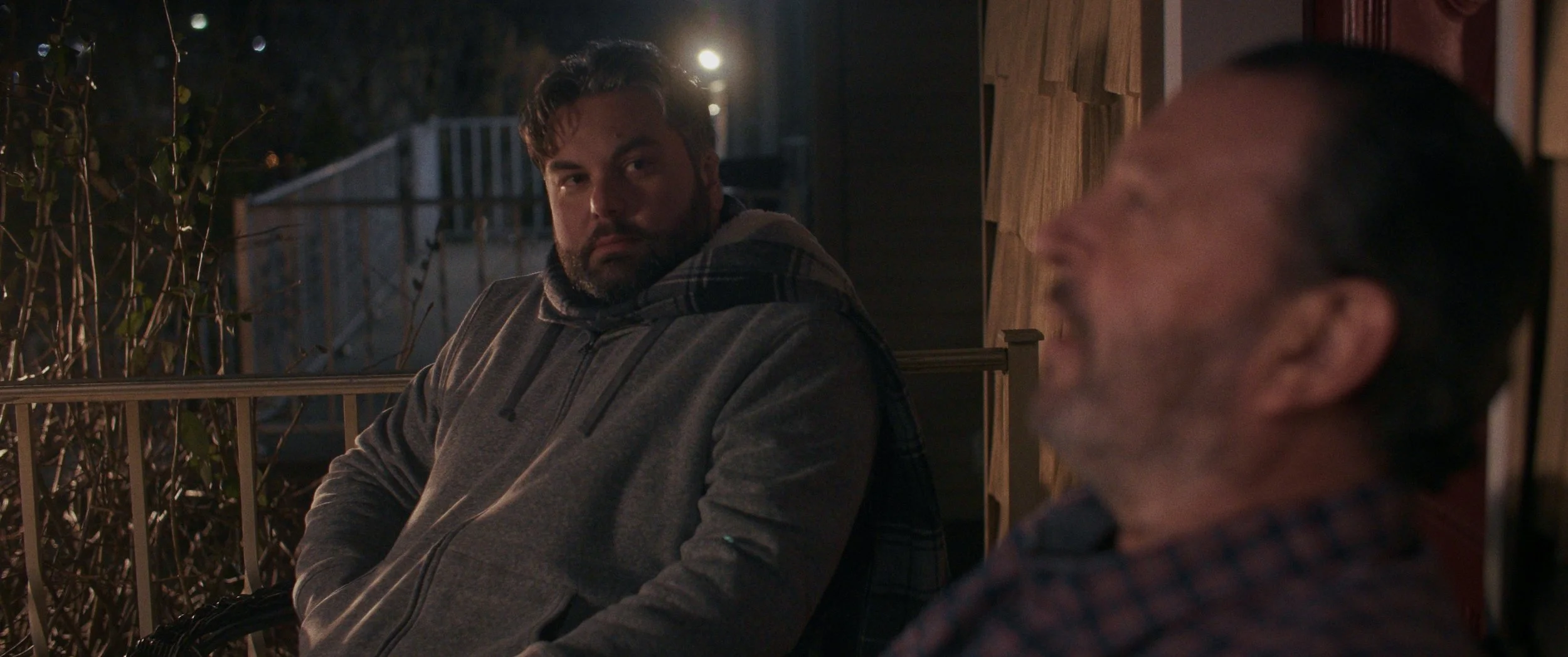
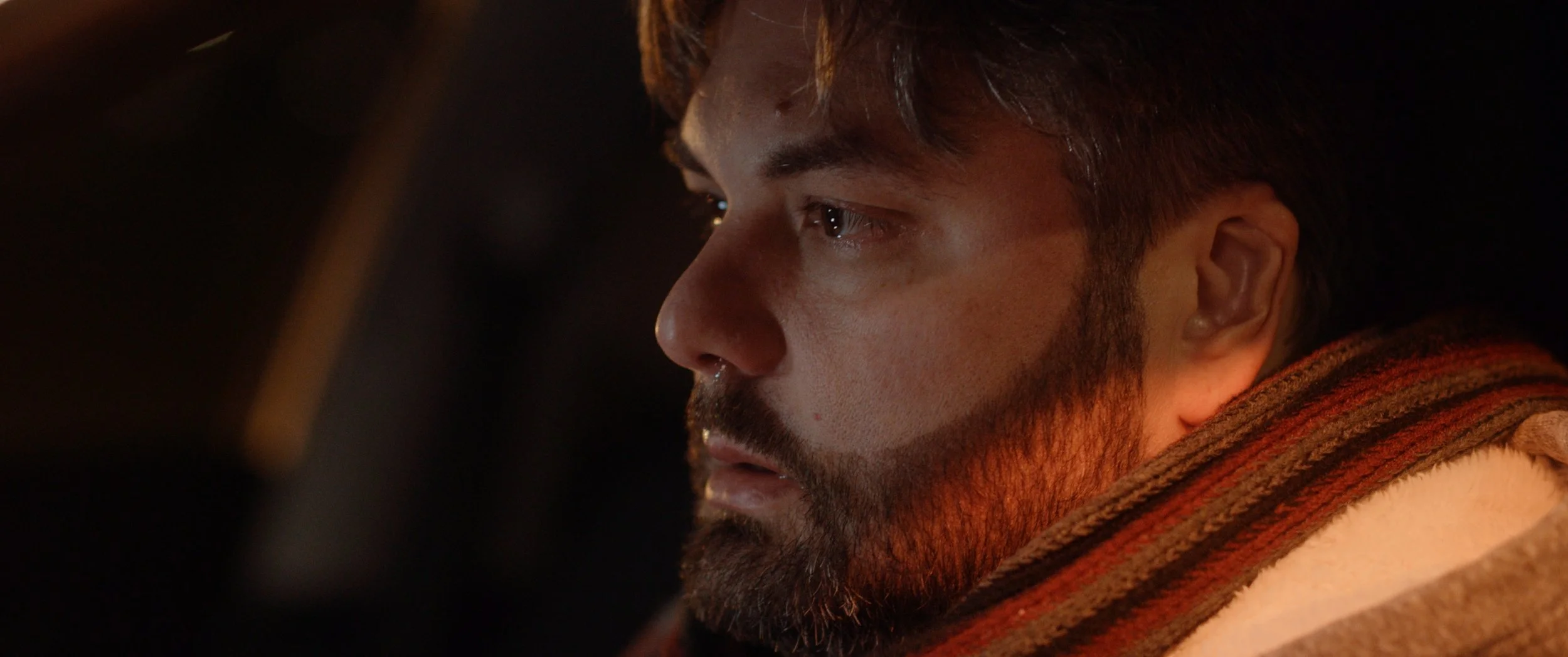
Much of the film's success rests on the shoulders of Dan Gregory, who delivers the strongest performance of his career. Gregory plays Michael with remarkable restraint, allowing exhaustion, frustration, and vulnerability to simmer beneath the surface. Rather than chasing big emotional moments, he focuses on the small details: the hesitant pauses, the discomfort behind a smile, the uncertainty of someone who has spent years disconnected from the people who care about him.
It's easy to understand why Gregory's performance has already earned festival recognition, including the Sorvino Award for Excellence in Cinema and Best Actor in a Short at the Golden Door International Film Festival.
The supporting cast helps give Michael's world depth and warmth. Eva Visco brings sincerity and maternal concern to Helen, Michael's mother, while Alicia Giangrisostomi provides some of the film's most hopeful moments as Melissa, a former classmate whose brief reconnection with Michael reminds him that life still contains possibilities beyond pain. Isaac Platizky is equally effective as Pete, the well-meaning friend whose proposition sets the narrative into motion.
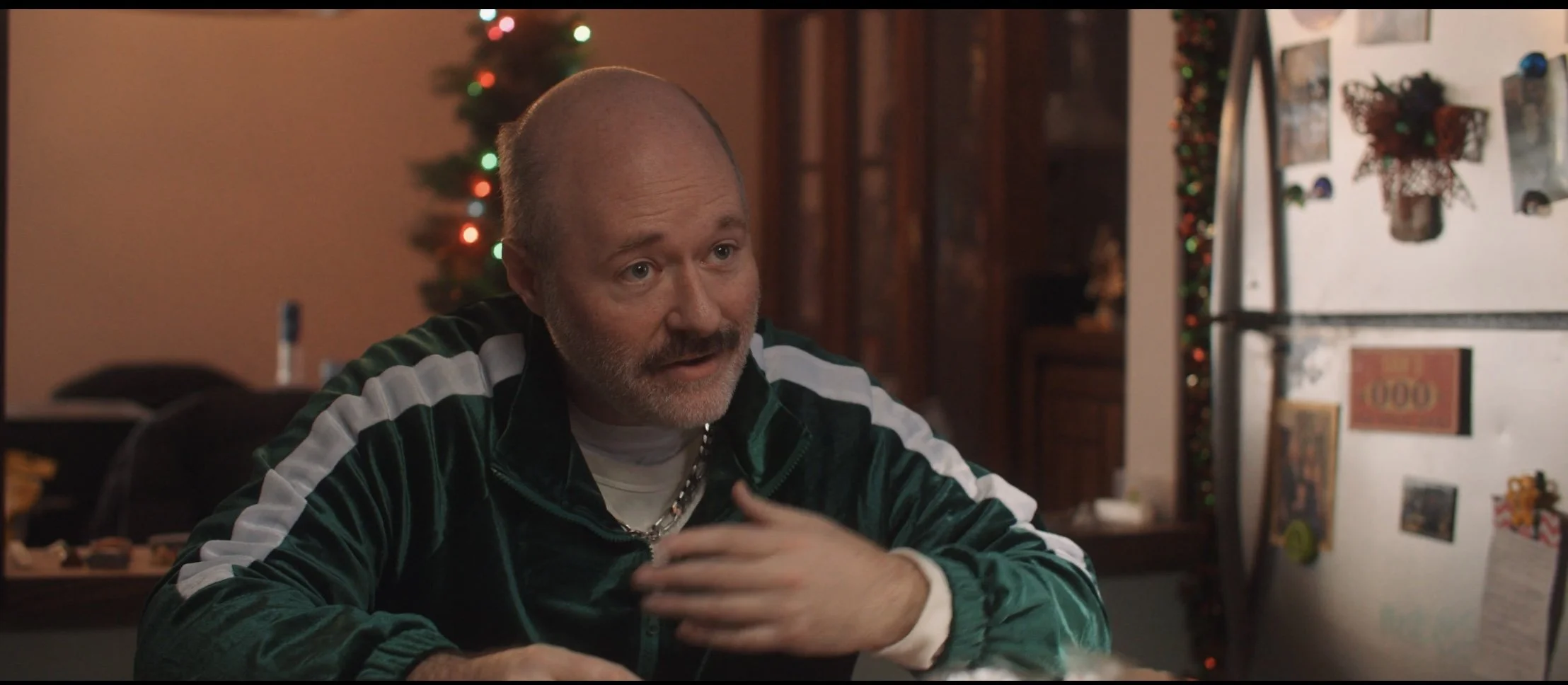
What elevates Archangel beyond a straightforward tale of hardship is its focus on healing. The film repeatedly asks what true strength actually looks like. Michael's father, who appears throughout the story as a guiding presence, offers the answer. Strength is not toughness. Strength is not enduring suffering in silence. Strength is admitting that help is needed.
That message could have become overly sentimental in less capable hands, but Platizky keeps the film grounded in recognizable human behavior. The emotional payoff works because it feels earned.
Visually, Archangel punches above its modest budget. Cinematographer Eddie Lebron Jr. creates a subdued winter atmosphere that mirrors Michael's emotional state without overwhelming the performances. The nighttime sequences carry a quiet tension, while the film's color palette reinforces its themes of isolation and eventual renewal. The editing remains focused and economical, allowing the story to unfold naturally within its short runtime.
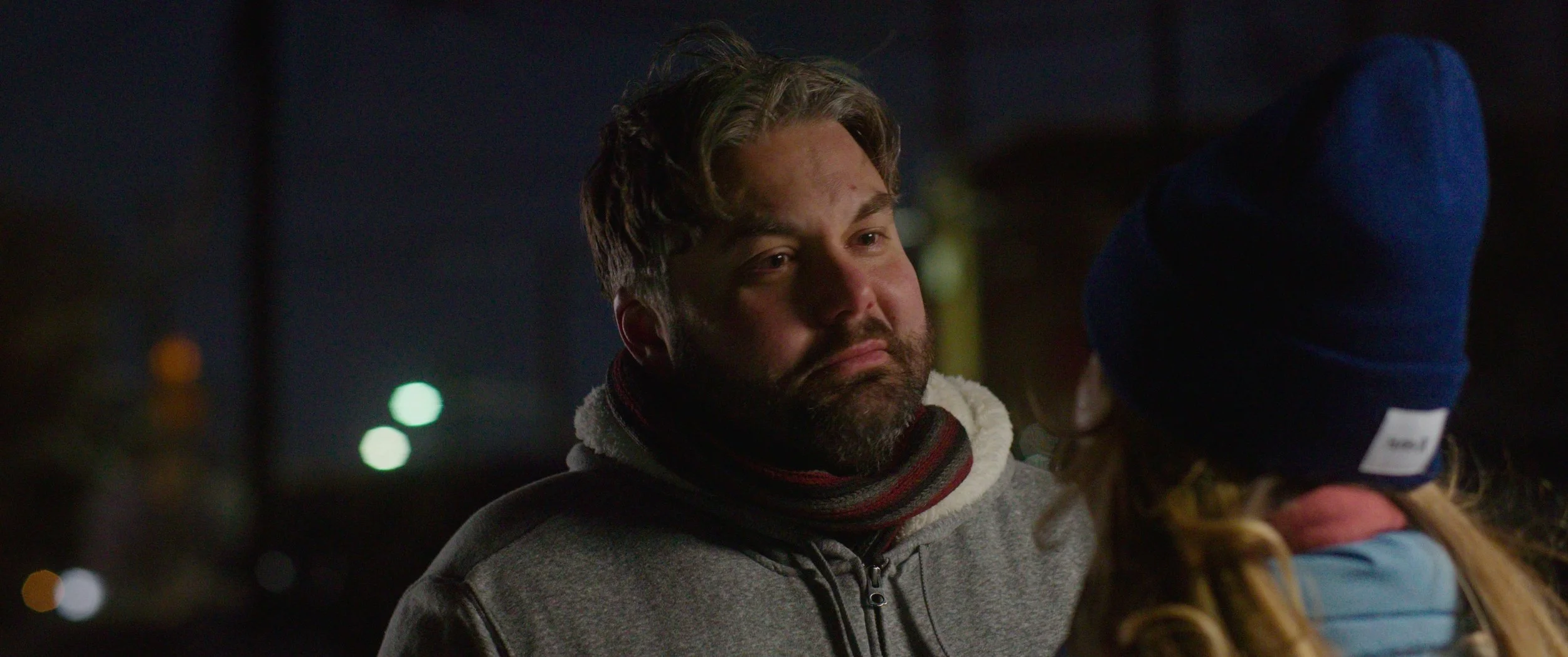
The music choices also complement the film's tone. Tracks like Christian Keiber's "Walking in the Devil's Night" help establish an atmosphere of lingering unease while supporting the film's emotional undercurrents rather than dominating them.
If Archangel has a weakness, it is simply that some of its supporting characters and themes could benefit from additional breathing room. The central ideas surrounding chronic pain, grief, depression, and recovery are substantial enough to support a feature-length narrative. Occasionally, the short format forces the film to move through emotional beats more quickly than it might otherwise prefer.
Still, that limitation never undermines the film's impact.
What ultimately lingers after the credits is not the violence that propels the story forward, but the humanity that follows it. In an era where many dramas are eager to emphasize darkness, Archangel dares to offer hope without sacrificing authenticity. It acknowledges suffering while arguing that connection, family, and vulnerability remain powerful tools against it.
That is a message worth hearing.
Archangel may mark a departure from Sam Platizky's genre roots, but it proves he has a keen understanding of dramatic storytelling as well. Anchored by a career-best performance from Dan Gregory and driven by an earnest belief in redemption, this affecting short film leaves a lasting impression long after its brief runtime has ended.
Jessie Hobson