
There is a danger when making a documentary about a beloved figure in genre cinema. It is easy to get lost in the accomplishments, the filmography, and the nostalgia. What makes Rubberhead: The Life and Monsters of Steve Johnson stand out is that director Nick Taylor never set out to make a greatest-hits reel. Instead, he wanted to tell the story of the man behind the monsters.
Premiering at Fantasia International Film Festival, Rubberhead dives into the remarkable life and career of special effects legend Steve Johnson, whose groundbreaking work helped shape films like Ghostbusters, An American Werewolf in London, Fright Night, and countless other horror and sci-fi classics. The documentary celebrates Johnson's incredible artistry while also exploring the personal struggles that nearly consumed him. For Taylor, finding that balance became the central mission of the film.
After spending more than seven years bringing the documentary to life, he learned firsthand that documentaries can be far more complicated than they appear. While many viewers focus on the interviews and archival footage, Taylor explained that the real challenge comes later. "Documentaries are way more complex than people realize," he told CineDump, noting that while they may be easier to shoot than narrative films, they are "way more complicated to edit." Faced with forty years of archival material and countless stories from Johnson's life, the task became determining what the film was really about.
That challenge only grew because there was simply too much great material to work with. Taylor described having an "embarrassment of riches" when it came to the archives and admitted that one of the most daunting parts of the process was figuring out "what's the story that we want to tell" while maintaining the themes that mattered most. What emerged was something far more universal than a documentary aimed exclusively at horror fans.
Although Taylor openly admits to being a huge horror and special effects enthusiast, he intentionally partnered with editor Joseph Krings, someone who could approach the material from a fresh perspective. That outside viewpoint helped shape a film that works not only as a celebration of practical effects but also as a compelling portrait of an artist. In fact, Taylor said he approached the project with a simple goal: he wanted to make "a documentary that my father would have enjoyed," despite the fact that his father was never a horror fan or an effects fan. The appeal, Taylor believed, was bigger than genre. It was about understanding someone who had dedicated their life to creating art.
That artistic lens is felt throughout the film. Discussing Johnson's profession, Taylor argued that effects artists are among the most versatile creatives in filmmaking, explaining that "to be an effects artist, you essentially have to be Leonardo." He went on to describe the unique combination of skills required, from sculpting and painting to inventing and studying anatomy, making a strong case that artists like Johnson deserve recognition beyond the monsters they create. That perspective also explains why Rubberhead refuses to shy away from the darker chapters of Johnson's story.
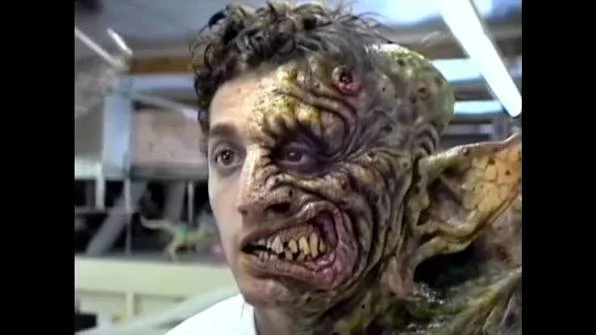
Rather than creating what he called "a fan documentary," Taylor wanted "a real character study of a person." To him, exploring Johnson's struggles with addiction, relationships, and self-destruction was not optional. It was essential. Taylor felt that someone capable of achieving so much, someone so driven and talented, naturally came with complexities that deserved examination. "It wouldn't have been a complete picture if we didn't really get into the honest truth about stuff," he said.
The result is a documentary that functions both as inspiration and warning. Taylor described the film as "an inspirational sort of artist's journey, but also a cautionary tale," one that asks difficult questions about ambition, creativity, and the consequences of flying too close to the sun. Much of that honesty was made possible by Johnson himself, whom Taylor praised for being "very honest and very forthcoming" about the mistakes and struggles that shaped his life. Of course, for horror fans, the treasure trove of archival footage delivers plenty of reasons to celebrate.

Some of Taylor's favorite discoveries came from Johnson's personal collection, particularly footage from the elaborate Halloween parties he hosted during his heyday in Hollywood. Looking back on those reels, Taylor laughed while describing them as "Wolf of Wall Street, but basically in the shadow of 80s horror." Surrounded by fellow effects artists whose professional skills translated into incredible costumes and outrageous antics, the footage offered a glimpse into a world that feels almost mythical today. Taylor admitted that the material was so wild it could probably support an entirely separate documentary.
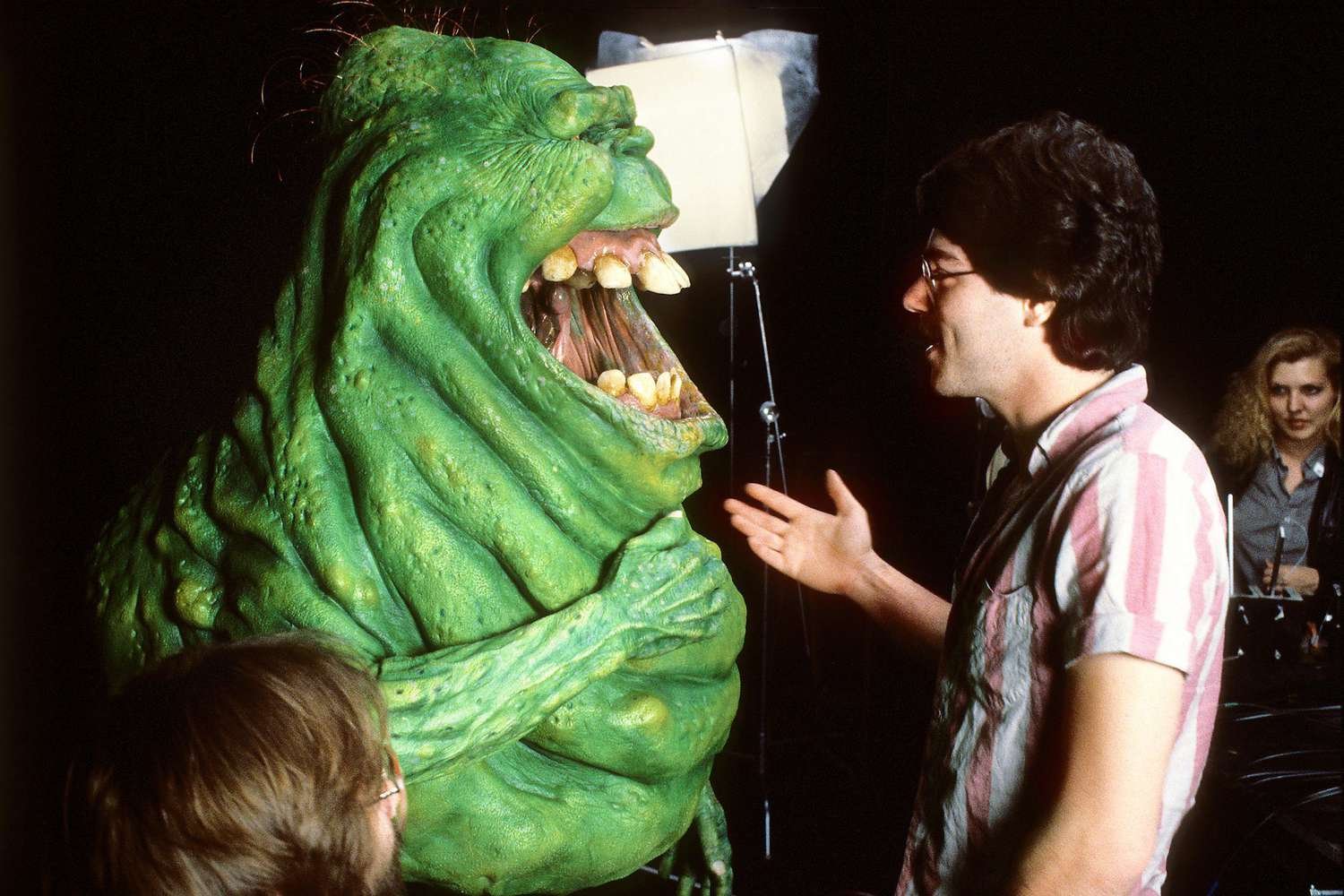
The behind-the-scenes material tied to Johnson's film work proved just as fascinating. Among the highlights was footage documenting the evolution of Slimer during the making of Ghostbusters. Watching those early versions take shape reinforced something Taylor found deeply interesting: iconic movie creatures rarely arrive fully formed. As he explained, "Slimer wasn't just essentially birthed immediately. It went through so many iterations." Seeing those alternate versions helped illustrate the endless experimentation that goes into creating cinematic icons, and serves as a reminder that failure is often a critical part of the creative process. That idea mirrors the journey of Rubberhead itself.
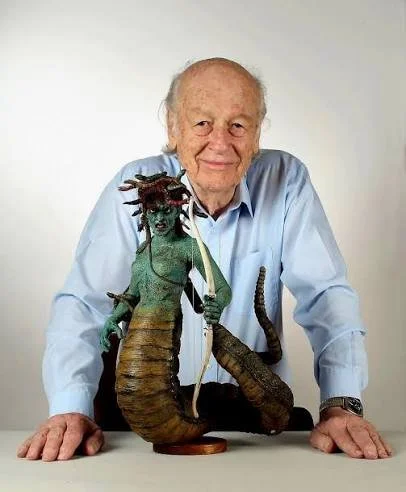
Over the course of seven years, Taylor sifted through mountains of footage, countless stories, and decades of Hollywood history to create something that feels larger than a documentary about practical effects. It is a film about artistry, obsession, ambition, and survival. Most importantly, it is a film made by someone who clearly cares deeply about both the subject and the audience.
Watching Rubberhead and speaking with Taylor afterward make it impossible not to feel that passion. His admiration for Steve Johnson is evident, but so is his commitment to telling the whole story. The result is a documentary that honors a special effects legend without turning him into a myth, reminding us that behind every unforgettable monster is an artist fighting battles of their own.
Jessie Hobson