There’s something immediately irresistible about Mockbuster, a documentary that promises chaos and somehow still overdelivers. What starts as a scrappy behind-the-scenes look at a low-budget dinosaur flick quickly evolves into a funny, stressful, and unexpectedly heartfelt portrait of what it actually means to chase a filmmaking dream.
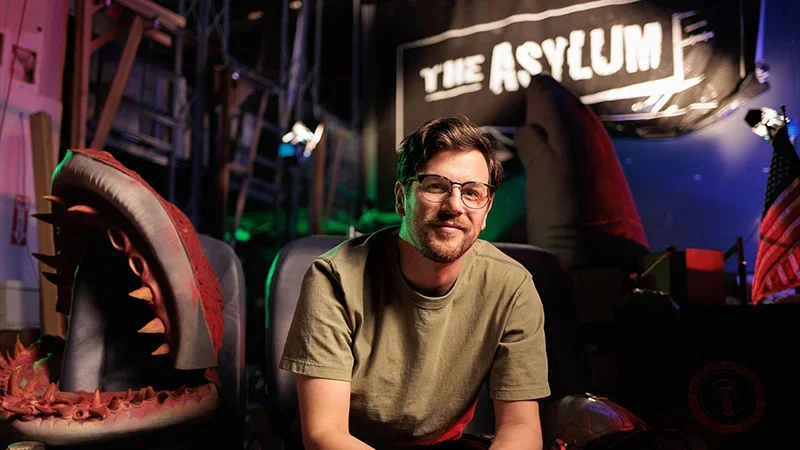
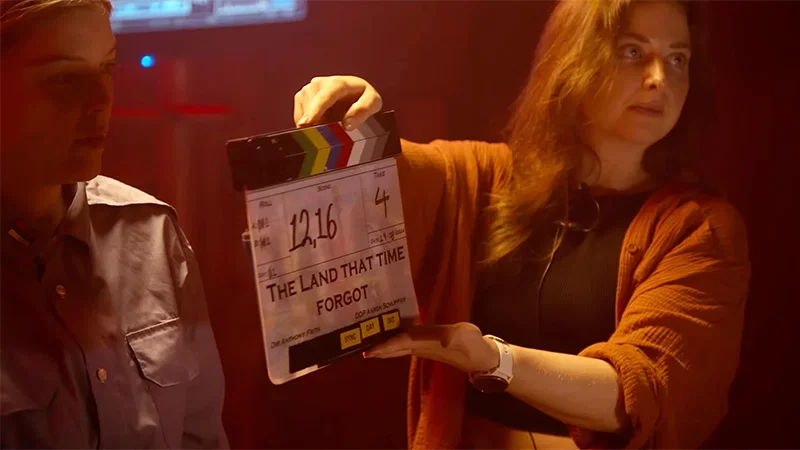
At its center is director Anthony Frith, who might be the perfect guide for this kind of story. He’s self-aware, deeply likable, and just desperate enough to make you root for him from the jump. His once-promising career has stalled into corporate video work, and in a last-ditch attempt to break through, he cold-emails The Asylum, the kings of B-movie mayhem behind Sharknado. Against all logic, they say yes, handing him the reins to The Land That Time Forgot, which he must shoot in six days on a barely-there budget.
That premise alone is enough to hook anyone, but what makes Mockbuster stand out is that Frith is also documenting the entire experience in real time. So while he’s scrambling to direct giant dinosaurs that aren’t there and manage a confused cast, he’s also capturing every panic attack, every awkward call with LA executives, and every moment of creeping self-doubt. It’s like watching someone juggle chainsaws while filming a documentary about juggling chainsaws.
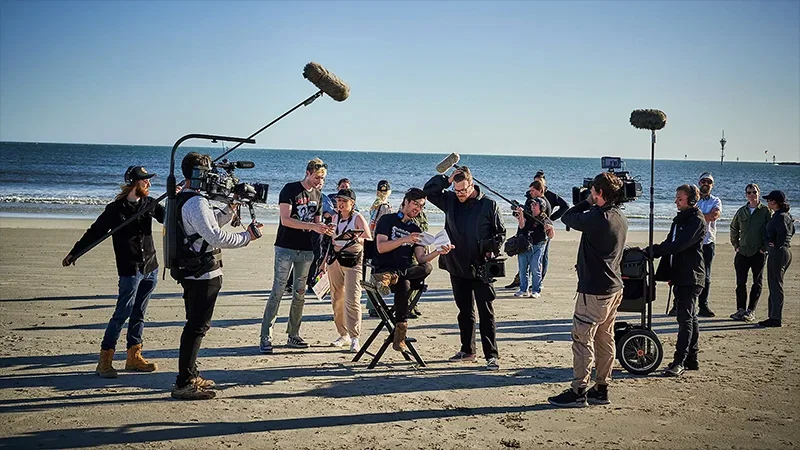
The result is hilarious. Not just in the obvious ways, like botched set pieces or absurd costumes, but in the way the film lets the personalities shine. The Asylum crew, particularly producer Brendan Petrizzo, steals scene after scene. Branded internally as the “enforcer,” Brendan ends up being the film’s secret weapon. He’s calm, grounded, unintentionally hilarious, and often the only person who seems to fully understand what’s happening. Every documentary needs an anchor, and he fills that role perfectly.
At the same time, Mockbuster doubles as a surprisingly effective introduction to The Asylum itself. For anyone unfamiliar with their model, the film lays it out clearly. This is a studio that thrives on speed, efficiency, and marketability over artistic ambition. They are brutally honest about it too. Watching the founders casually talk about their own movies with a mix of pride and self-aware humor is one of the documentary’s biggest pleasures.
And honestly, it works as a weirdly great advertisement for them. By the end, you get why they’ve survived for decades and pumped out hundreds of films. They come across as practical, sharp, and oddly supportive, even if their priorities lean heavily toward commerce over craft. You may not suddenly become a die-hard Asylum fan, but you will want to watch the movie Frith made.
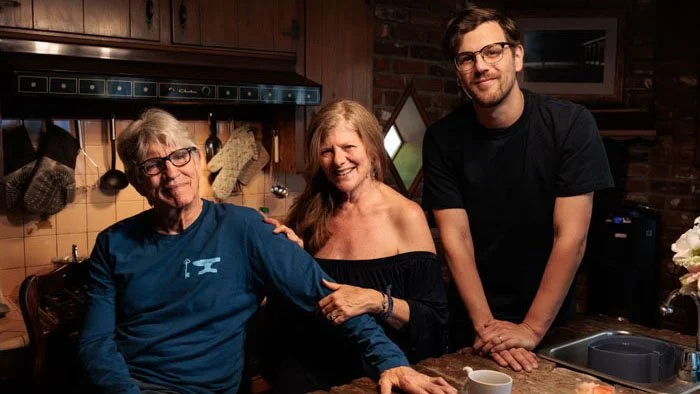
The film also smartly peppers in outside voices, including a perfectly placed Eric Roberts interview that reinforces the strange legitimacy of this whole operation. Add in a quick but charming appearance from the Talk to Me filmmakers offering advice, and you get a sense of the broader filmmaking community rallying, in small ways, around Frith’s gamble.
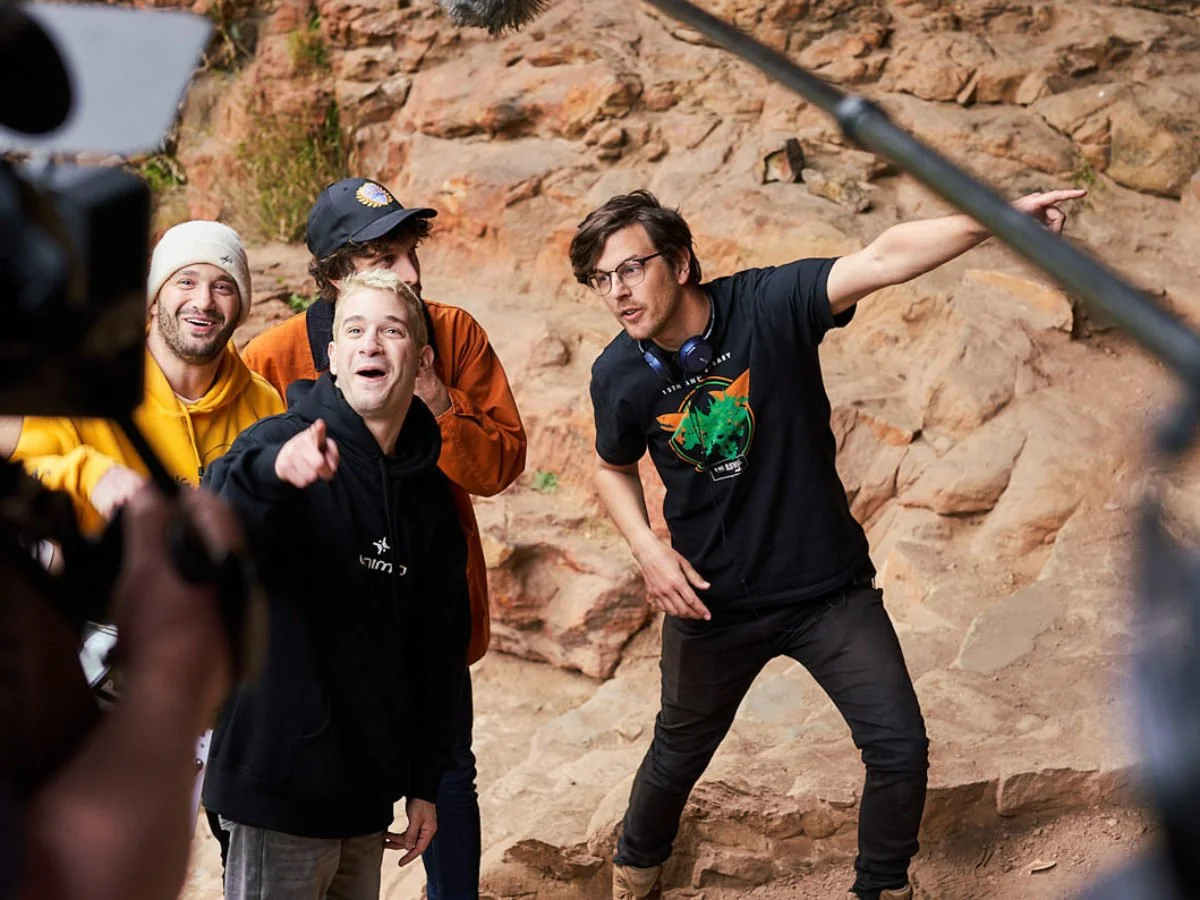
But what really makes Mockbuster land is its emotional core. Beneath all the chaos and comedy, this is a story about compromise. About realizing your dream might come true, just not in the way you imagined. Frith’s journey becomes less about making a “great” movie and more about redefining success altogether.
You feel every high and low along the way. The film does an excellent job of putting you in the trenches with him. The stress is palpable. The time crunch feels suffocating. When things go wrong, and they often do, you feel it in your chest. And yet, there’s this infectious energy running through the entire production. Despite everything, the set feels fun, chaotic in the best way, and full of people who genuinely want to be there.
That combination makes it almost impossible not to root for him. Whether he’s clashing with crew, navigating impossible expectations, or just trying to keep the whole thing from collapsing, you’re locked in. It’s the kind of documentary that turns a messy production into a compelling underdog story.
There’s also a lingering sense that, much like Apocalypse Now, the documentary about the production might actually be more compelling than the film it’s documenting. That’s not a knock on The Land That Time Forgot, but a testament to how entertaining and insightful Mockbuster is.
By the time it wraps, it’s clear this isn’t just a making-of documentary. It’s a love letter to filmmaking at its most chaotic and unglamorous. It’s about the hustle, the compromises, and the weird, unpredictable paths that dreams take when they finally start to materialize.
Jessie Hobson