One of the most impressive things about Mockbuster isn't the insane six-day dinosaur shoot, the frantic production hurdles, or even the fascinating look behind the curtain at The Asylum. It's Anthony Frith himself. Within minutes of the documentary starting, you feel like you know him.
Whether it's his struggles to break through as a filmmaker, his responsibilities as a husband and father, or the constant battle between ambition and reality, Frith feels immediately relatable. By the time the credits roll, you're fully invested in his success. That's what struck me most after watching Mockbuster, and it's what made sitting down to talk with him feel less like an interview and more like catching up with someone I'd already spent a couple of hours alongside. That connection is no accident.
When I asked Frith how he managed to make audiences instantly care about him and his journey, he admitted that much of that process happened in the edit. Real life isn't naturally structured like a movie, and as he put it, "it's hard to structure life." Working backward from everything they had captured, the filmmakers slowly discovered how to introduce audiences to who Anthony was without overwhelming them. Despite the careful construction, he explained that everything viewers see in those early scenes is deeply personal, describing it as "blood on the page sort of my life." That honesty becomes the foundation of the entire film.
For many filmmakers, the story of Mockbuster is almost absurdly simple. Frith, an Australian filmmaker whose directing dreams weren't unfolding the way he'd imagined, decided to email The Asylum, the studio behind Sharknado and countless mockbusters, and ask for a directing job. Somehow, it worked. According to the documentary and Frith's own recollections, that opportunity evolved into directing The Land That Time Forgot while simultaneously documenting the entire experience in what became Mockbuster. The surprising part is that both projects were born together.
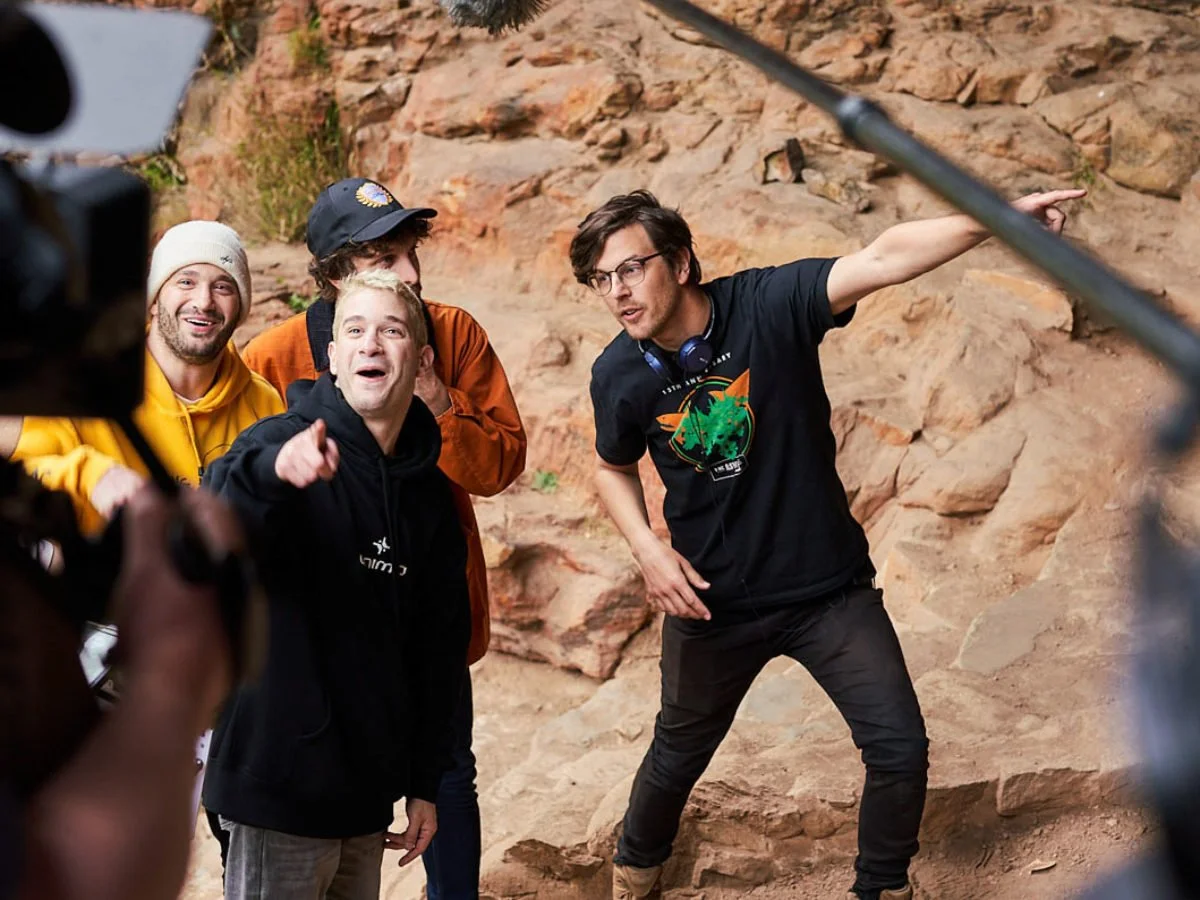
"I always initially wanted to do scripted comedy," Frith told me, explaining that he eventually found himself pulled toward documentaries and especially comedic documentaries. That realization led to a moment where two ideas collided at once. As he recalled, "I'm a big fan of The Asylum. It would be really funny to make a movie for them. Oh, and it'd be funny to make a documentary about the making of a movie for them." Looking back now, he still sounds surprised it actually happened, laughing that "it's crazy that it happened at all, to be honest." That disbelief becomes part of the film's charm.
As audiences, we're watching a man throw himself into a situation that seems impossible from the outset. Yet rather than approaching it with cynicism, Frith leans into the challenge. Even when production becomes chaotic, there's an earnestness that carries the film forward. It's a quality that extends to the way he talks about The Asylum itself.
One of the biggest surprises in Mockbuster is how affectionate it is toward the company. The film never pretends The Asylum is making prestige cinema, but it does reveal a group of people who genuinely care about getting movies made. Throughout the documentary, founders David Latt, David Rimawi, and Paul Bales emerge as blunt, brutally honest figures, while producer Brendan Petrizzo frequently serves as the bridge between the studio and the chaos on set. Frith laughed while describing Petrizzo as essentially "the translator" between the founders and the production team, a role that often involved filtering conflicting notes and expectations into something actionable.
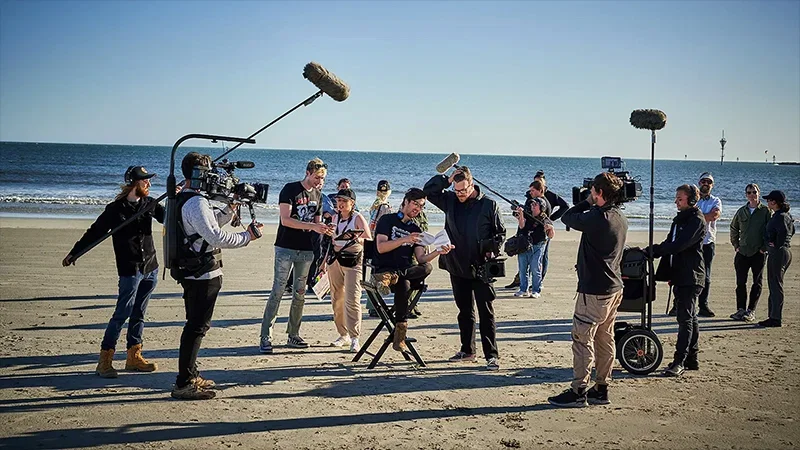
That dynamic wasn't always easy. "There were times where it got in the way," Frith admitted, particularly when production decisions had already been made by the studio. "The Asylum's the studio and what they say goes." Yet in the same breath, he'd recall moments when those same executives called simply to say they loved what they were seeing. The result was a relationship that was occasionally frustrating, often surprising, but ultimately supportive.
What's fascinating is that, despite all the obstacles, Frith never talks about the experience bitterly. If anything, he seems to have emerged from it with an even deeper appreciation for filmmaking.
Reflecting on the production, he told me that simply getting to direct a feature at all felt surreal. "Actually getting to make a movie is like just a wild thing I never thought I'd get to do," he said. Surviving an Asylum production under intense constraints only deepened that feeling. Now, standing on the other side of it, Frith says there's a confidence that comes from knowing he's already endured what he considers "the hardest way possible," adding that any future opportunity almost feels easier by comparison. That confidence is noticeable throughout Mockbuster, particularly in moments where other filmmakers weigh in on his journey.
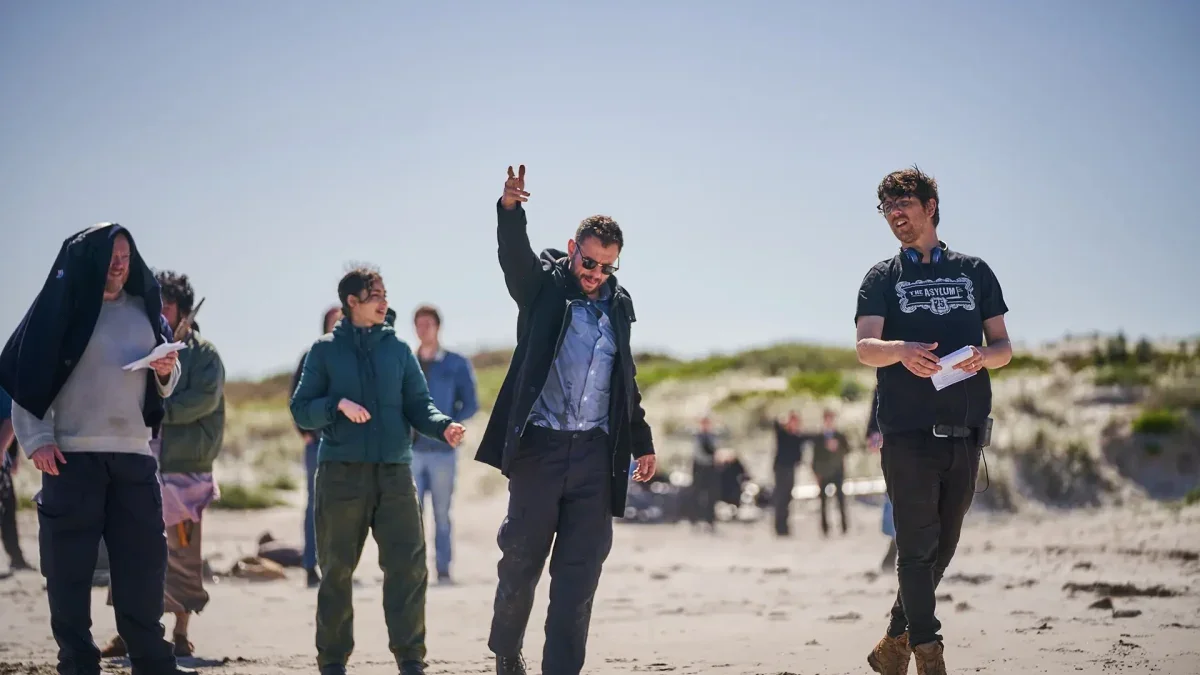
One of my favorite sequences in the documentary involves Talk to Me and Bring Her Back director Danny Philippou offering advice and perspective. It's a brief moment in the larger story, but it highlights something important about Frith. He's willing to listen, willing to learn, and perhaps most importantly, willing to admit when he's out of his depth.
Frith remembered that conversation fondly, noting that Philippou's message was simple: regardless of the budget, the schedule, or the circumstances, you still have to try and make a good movie. That advice hit him at exactly the right moment. Just days away from shooting, Frith recalled walking away from the discussion thinking, "Let's take this bull by the horns and see what we can do." In many ways, that mindset becomes the defining theme of Mockbuster.
Yes, it's a documentary about filmmaking. Yes, it's a hilarious look at the world of low-budget genre cinema. But beneath all the production headaches and dinosaur effects lies a story about taking chances.
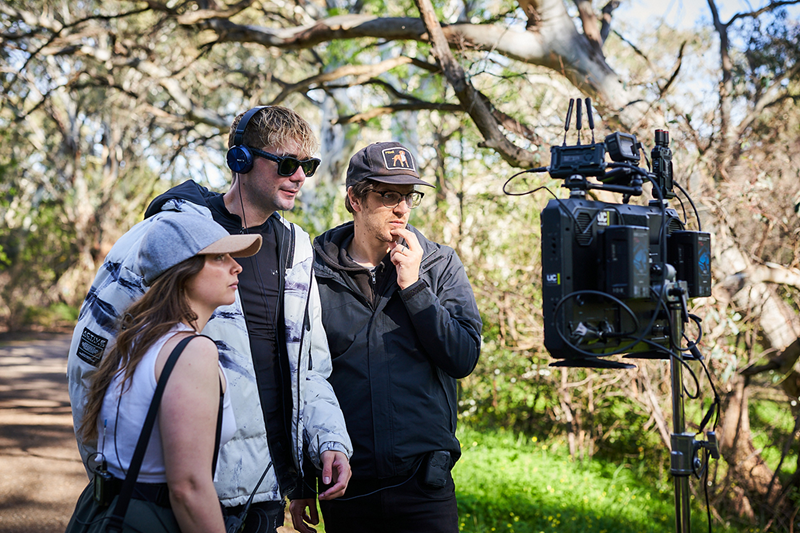
When our conversation turned toward what he hopes audiences ultimately take away from the film, Frith spoke less about movies and more about life. One lesson, he said, was learning that "it's okay just to ask because the worst thing that's going to happen is that they say no." It's a simple philosophy, but it's also the philosophy that launched this entire adventure. Even more compelling was the way he talked about dreams.
The younger version of Anthony Frith imagined one kind of filmmaking career. The older version has found happiness in a different path. Rather than viewing that as a failure, he sees it as growth. As he put it, "your dreams can evolve" and that's perfectly okay. Making The Land That Time Forgot may not have looked like the success he'd envisioned years earlier, but it still represented achieving a lifelong goal. "I've achieved my goal in some form or another by having made that film," he said.
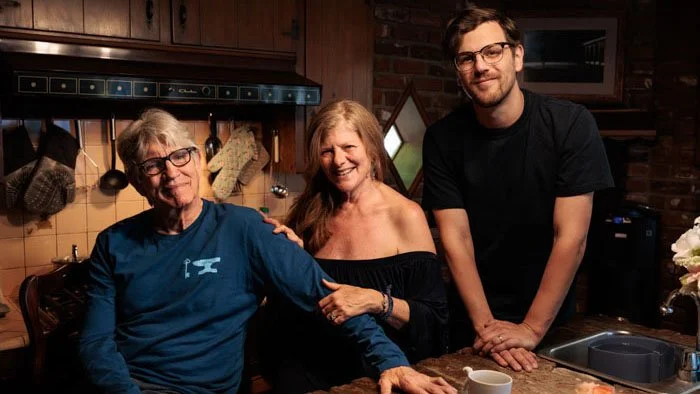
That's ultimately why Mockbuster works so well. It's not just a behind-the-scenes documentary. It's not just an examination of The Asylum. It's not even just a story about making a movie. It's a story about a guy betting on himself.
After watching Mockbuster and then spending time talking with Anthony Frith, I found myself rooting for him just as hard off-screen as I did on-screen. His enthusiasm is infectious, his honesty is refreshing, and his willingness to embrace the absurdity of the journey makes for one of the most relatable filmmaking stories in recent memory. And honestly? I can't wait to see what he does next.
Jessie Hobson