Sometimes you go into an interview with a plan. You’ve got your notes, your bullet points, your angles about the new 4K restoration of Zulu Dawn. And then sometimes you get James Faulkner on the line and you just… let him go. That’s exactly what happened here.
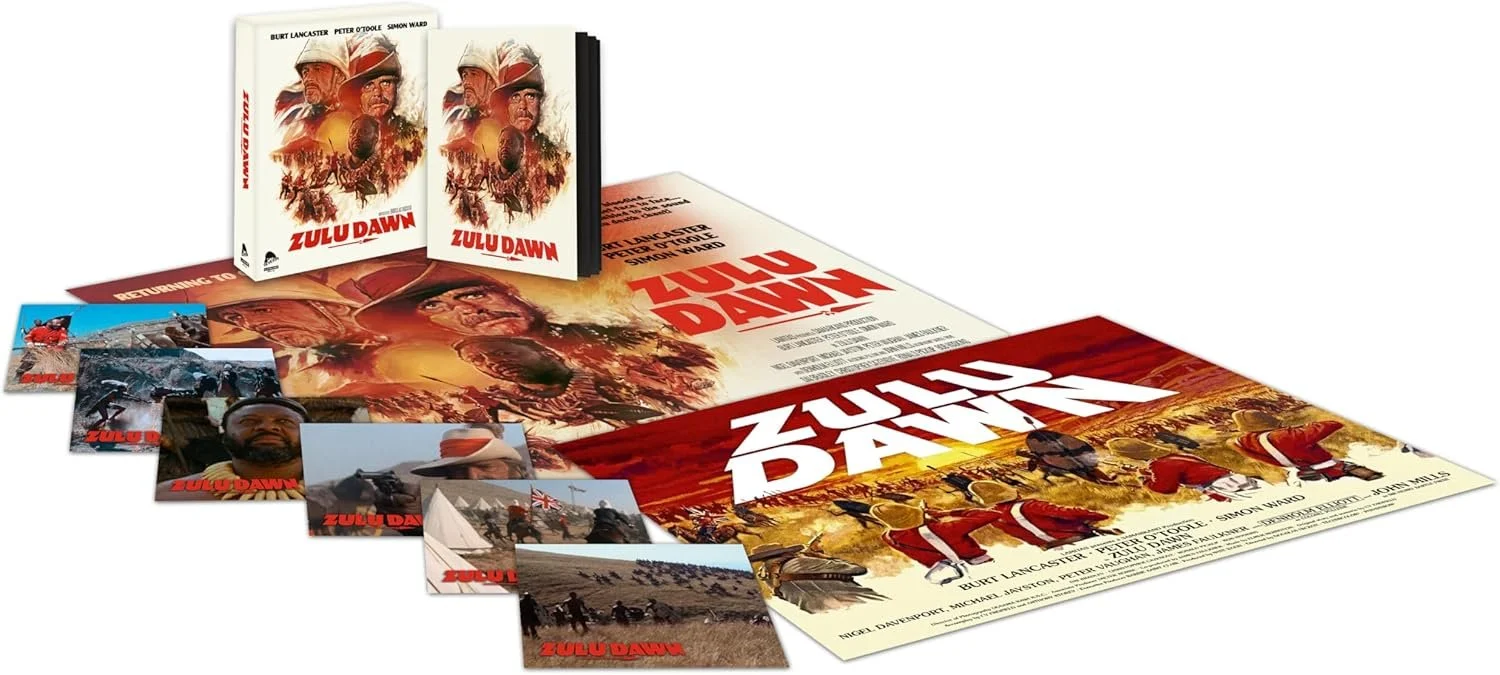
What was supposed to be a focused conversation about Severin Films’ upcoming physical release of Douglas Hickox’s 1979 war epic quickly turned into something much better. Stories. Tangents. Absolute chaos. The good kind. The kind that reminds you why you do this in the first place.
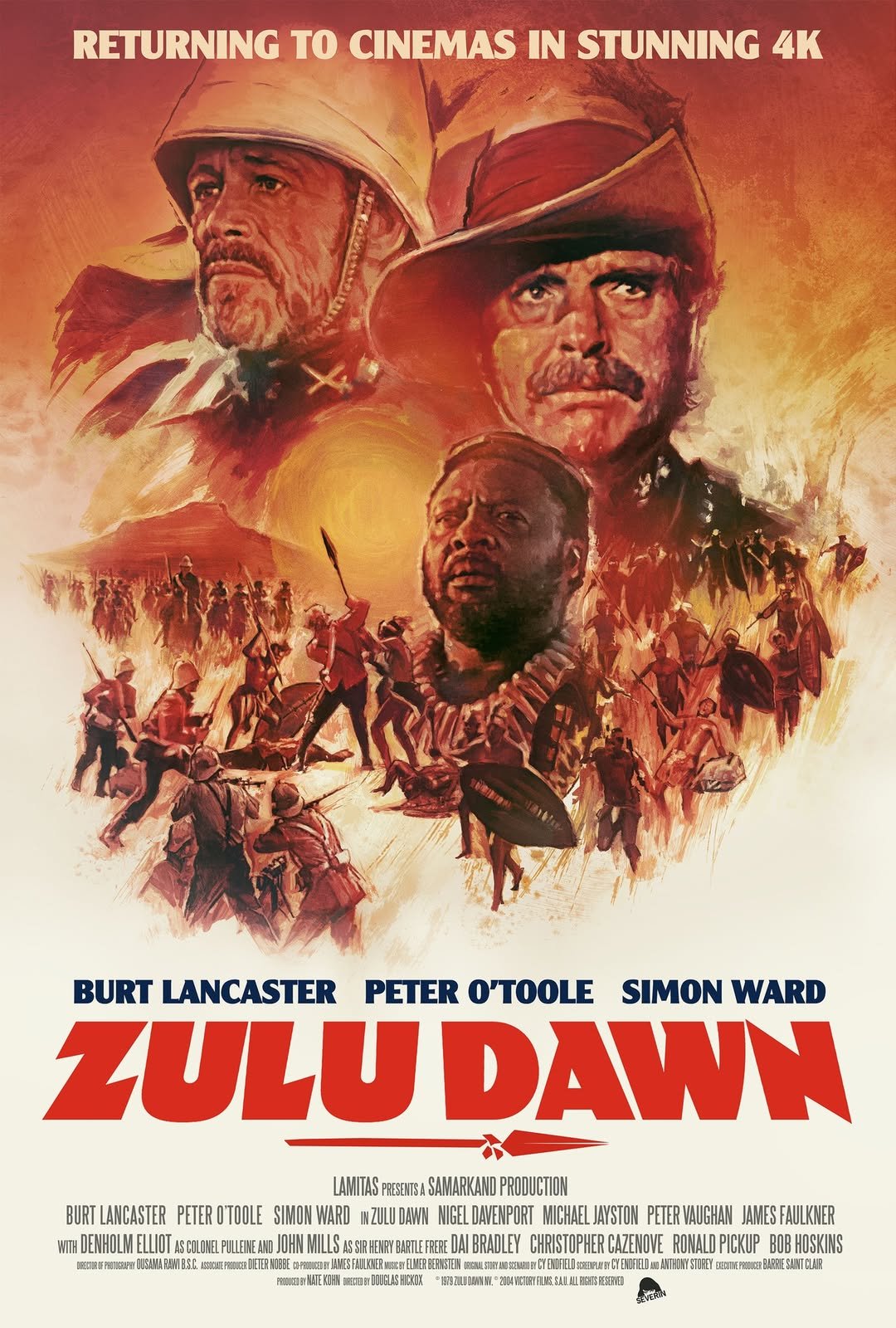
And to be fair, Zulu Dawn deserves the spotlight. The film is back in a huge way with a new 4K remaster, and Faulkner himself admitted the whole thing has been a bit surreal. He told me, almost amused by it all, that it’s “as much a surprise to me as anyone else that the film is being reissued… after 47 years,” adding that there’s now “a brand new 4K print which I’m looking forward to seeing.”
That sense of distance, of looking back across decades, became a running theme. This wasn’t just promotion. This was reflection.
Faulkner wasn’t just another face in the film either. He was also a producer, something he spoke about with a mix of pride and exhaustion. Producing, as he put it, is “a thankless task,” explaining how it can take years just to get a film made and even longer to push it out into the world. That experience clearly left a mark, especially on something as massive and chaotic as Zulu Dawn. And chaotic is putting it lightly.
At one point, discussing the production, he just flat-out said, “Frankly, Jessie, it’s a miracle we finished it.” That line hits different when you realize everything stacked against the film. Budget issues, logistical nightmares, and near-disasters that sound like they belong in another movie entirely. He recalled a helicopter going down during production, with people stranded in a valley without communication for hours until a passing jetliner helped relay their position. It’s the kind of story that makes you step back and wonder how any of this came together at all.
That scale was part of the challenge. Historical epics like Zulu Dawn burn through money before the cameras even start rolling. Faulkner explained that with a film like this, “you spend almost a third of your budget before you turn the camera over,” which obviously made investors nervous and kept the production constantly fighting cash flow problems.
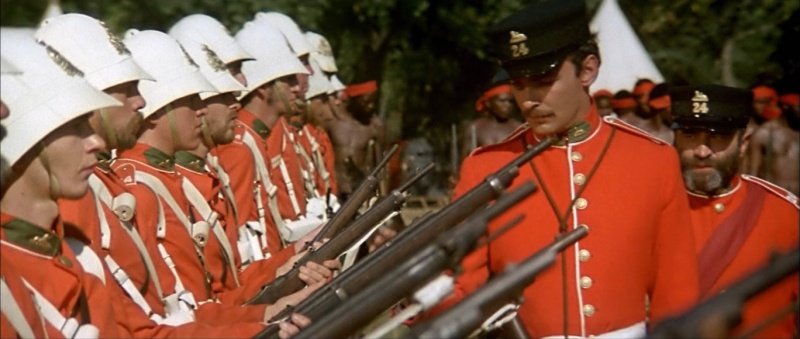
But that’s also what gives the film its weight. This wasn’t CGI armies and digital landscapes. This was boots in the dirt, real locations, massive builds, and a sense of physical presence that you can’t fake. And now, with the restoration overseen by original cinematographer Ousama Rawi, Faulkner is genuinely excited to revisit it, noting he’s heard the new version is “a wonderful print” after years of inconsistent releases.
Still, as much as Zulu Dawn anchored the conversation, it never stayed there for long. That’s just not how Faulkner operates. You ask a question, and suddenly you’re hearing about theater mishaps in Johannesburg, falling asleep in a bathtub mid-production, or improvising your way out of an angry audience with a fake announcement about a traffic accident.
At one point, he described juggling stage work and filming by arriving “filthy” from set, jumping straight into costume, and walking on stage as if nothing happened. Another story involved waking up late, sprinting to the theater, and somehow turning a disaster into a standing ovation by committing to the bit. It’s that kind of storytelling rhythm where you forget you even asked about anything specific in the first place.
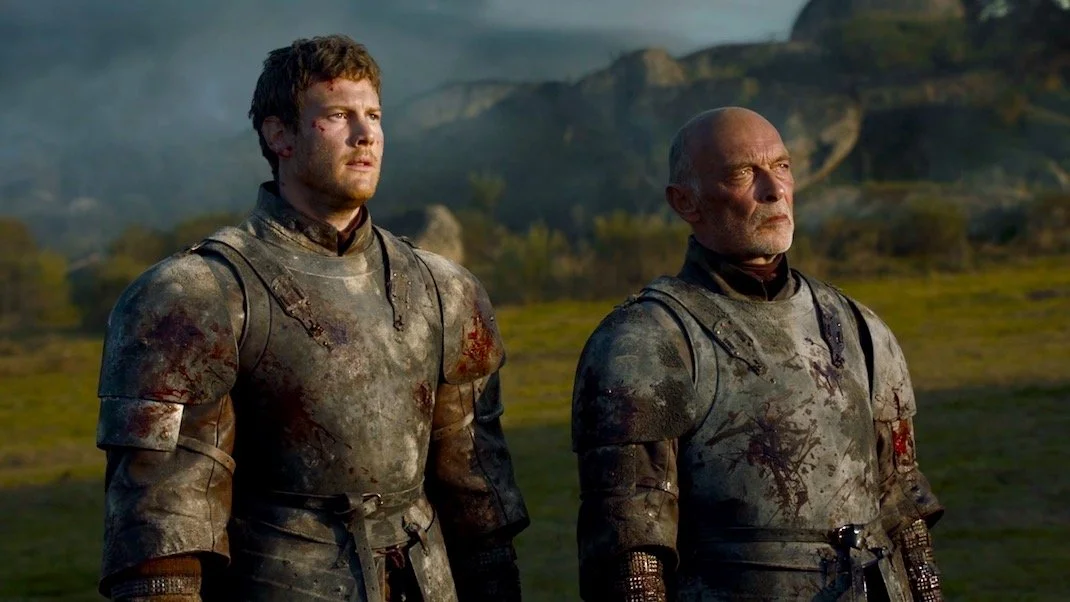
Even when we drifted into other parts of his career, like Game of Thrones, it was never just a straightforward answer. It became a full-blown story about auditioning, dismissing the role, getting talked back into it, nearly destroying his liver right before filming, and still showing up to deliver the performance. Looking back at his approach to acting, he described it as developing “a bit of a butterfly brain,” where you move from one role to the next, shedding each experience as you go.
That idea connects back to Zulu Dawn in a strange way. For Faulkner, it’s not just a film he made. It’s a moment he moved through. And now, decades later, it’s circling back with a new life, a new audience, and a restoration that might finally give it the presentation it always deserved.
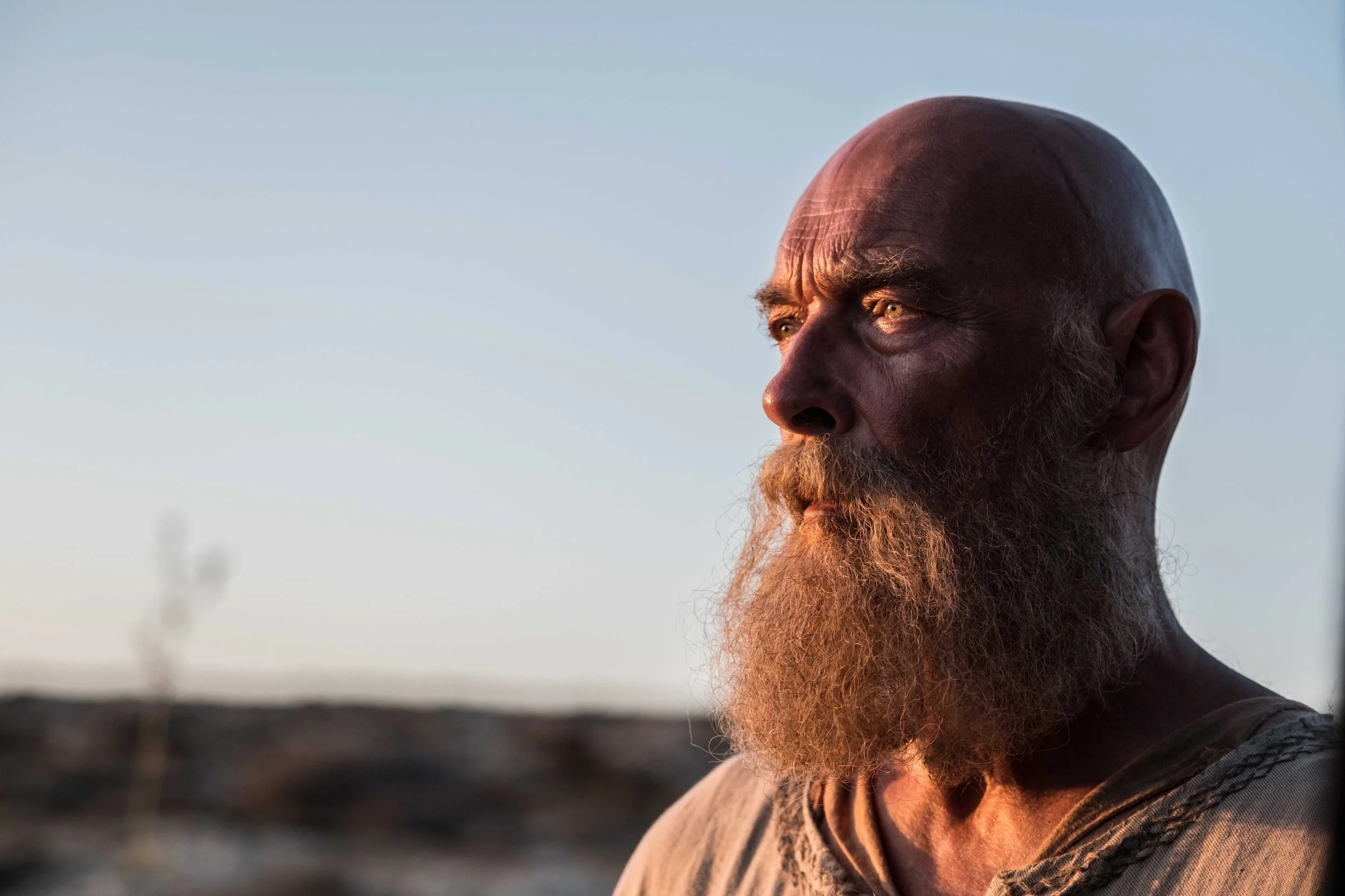
And honestly, that’s what makes this release exciting. Not just the film itself, but the chance to reconnect it with the people who were there, who lived it, who somehow made it through everything thrown at them.
By the time we wrapped, it didn’t feel like a typical interview. It felt like sitting back and letting a veteran storyteller unwind decades of experience at his own pace. When I told him I could listen all day, I meant it.
James Faulkner might call himself an “aging legend,” but after this conversation, it’s clear the legend part is doing most of the heavy lifting. And yeah, I can’t wait to watch Zulu Dawn again.
Zulu Dawn: Limited Edition and other formats will be released in the UK on 21 September. The US release date will be announced at a later date.
Jessie Hobson