Few performers have built the kind of genre résumé Kathleen Kinmont has accumulated over the years. From surviving Michael Myers in Halloween 4: The Return of Michael Myers to becoming part of the twisted madness of Bride of Re-Animator and later finding television success with Renegade, Kinmont has spent decades navigating horror, action, and cult cinema. Her latest project, Valley of the Horntak, adds another intriguing chapter to that legacy, placing her at the center of a folk horror story filled with cults, family trauma, creature effects, and fungal nightmares.
Ahead of the film's release, I had the chance to sit down with Kinmont and discuss her role as Natalie Dixon, a mother forced to confront a dark past when a search for a missing child leads her family back to the isolated and dangerous Horntak Valley. While the conversation covered everything from horror films and filmmaking to life on set, what stood out most wasn't simply her enthusiasm for Valley of the Horntak. It was her genuine love for filmmaking itself. Whether she was discussing actors, writers, crew members, or location shoots, Kinmont spoke with the kind of passion that reminds you why some performers remain beloved by fans for decades.
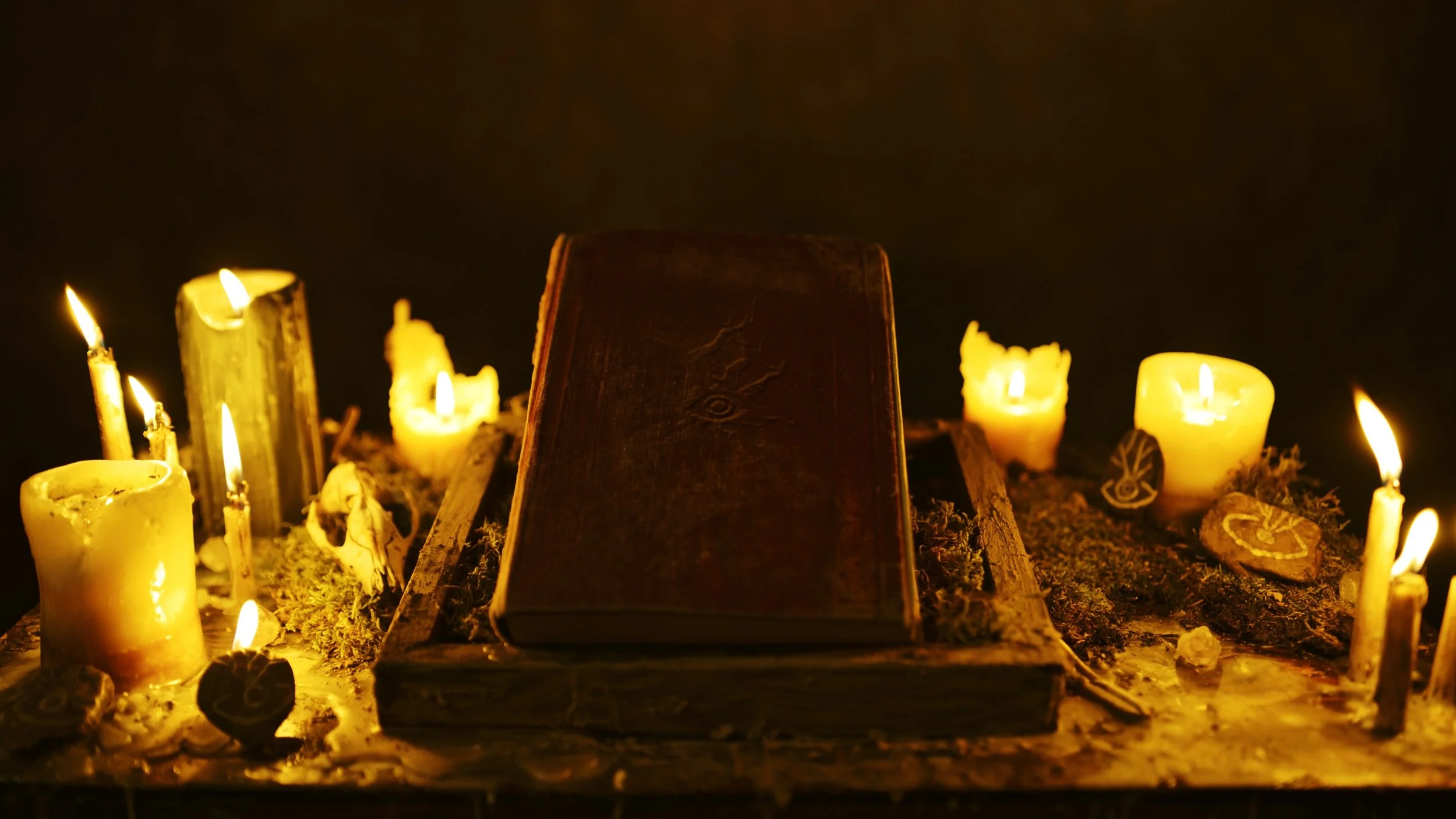
That passion was one of the reasons Valley of the Horntak appealed to her in the first place. According to Kinmont, it started with the people involved. She was immediately drawn to director Maxwell Morro and the screenplay he co-wrote with Erik Weed, describing it as "a really unique script" that felt like a throwback to more practical forms of horror filmmaking while still tapping into fears that feel very real today. For her, the cult element was especially unsettling, noting that simply hearing the word "cult" tends to trigger an immediate sense of unease because audiences know these groups exist in the real world and aren't confined to fiction.
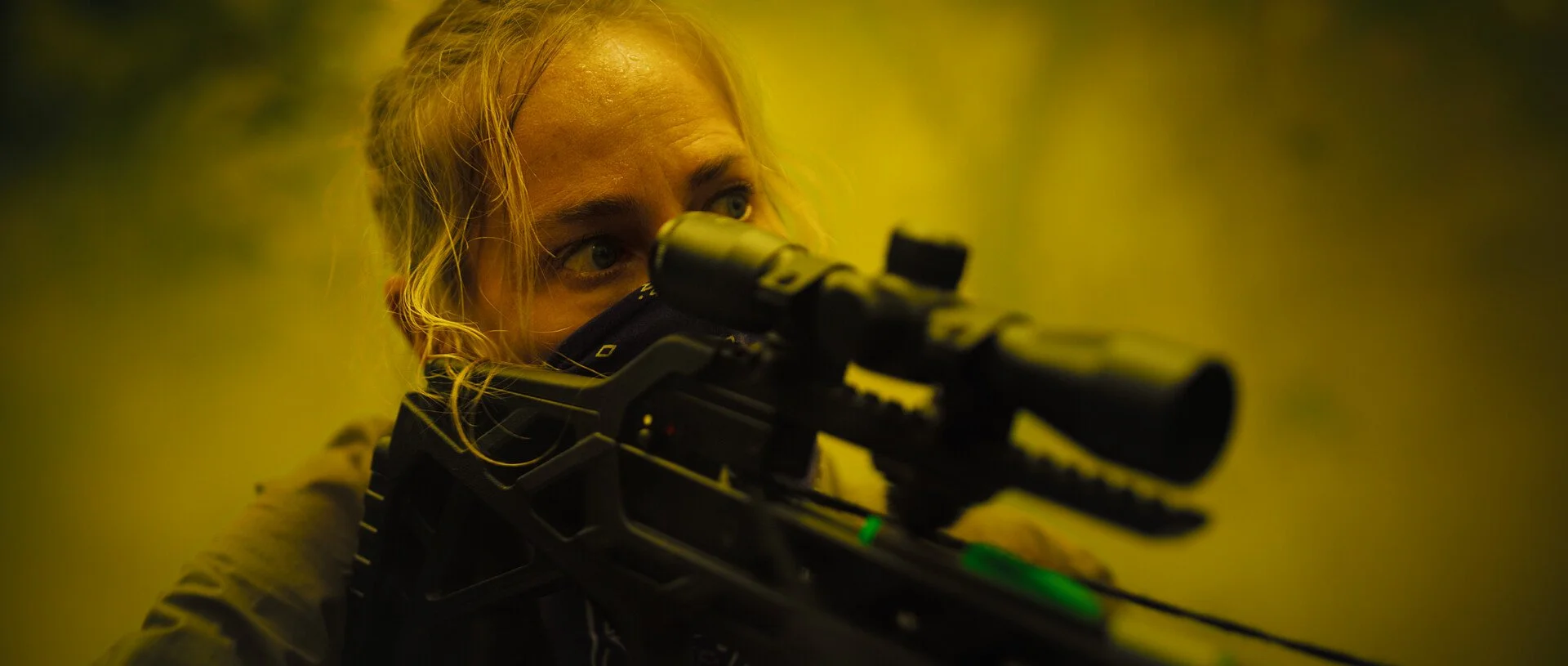
The film's premise centers on a fractured family attempting to navigate old wounds while confronting a mysterious cult known as the Rite of Cycle. As Natalie, Kinmont plays a woman who escaped Horntak Valley years earlier and now finds herself pulled back into its orbit as her son becomes entangled in the same darkness she fought to leave behind. What excited her most about the role was that Natalie wasn't written as a passive observer. Rather than being relegated to the sidelines while others drove the action, she appreciated that the character actively takes control of situations. Kinmont laughed while describing Natalie as someone who essentially looks at a problem and says, "Step aside. I'll do it," a quality she found refreshingly straightforward. She loved that the character wasn't interested in assigning blame or saying "I told you so." Instead, Natalie simply acts.
That sense of determination came naturally to Kinmont because she was able to draw heavily from her own experiences as a mother. During our conversation, she spoke candidly about the instinct to protect a child at all costs, explaining that she would do absolutely anything for her daughter. That emotional foundation helped her connect with Natalie in a way that required very little searching. The fierce loyalty that defines the character was already something she understood intimately, which allowed her performance to feel grounded even as the story ventured into increasingly surreal territory.
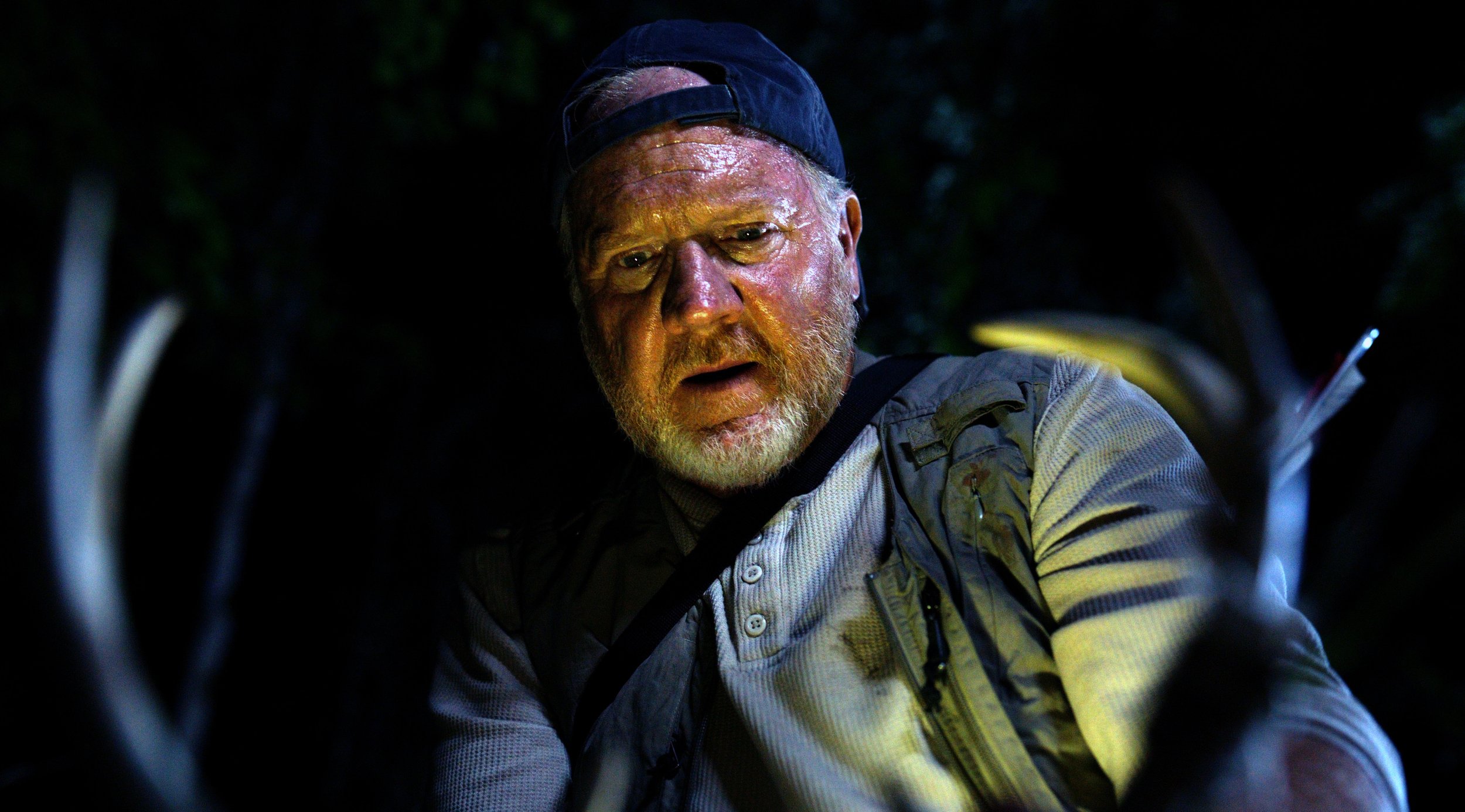
One of the film's strongest relationships exists between Natalie and her estranged husband Julian, portrayed by Michael G. Kehoe. While Valley of the Horntak contains creatures, spores, cultists, and body horror, much of its emotional weight depends on the audience believing the complicated history between these two characters. Kinmont was quick to praise Kehoe's work, describing him as an actor who brings tremendous vulnerability to everything he does. She spoke warmly about the extensive conversations they had while developing their shared history and explained that they invested significant time creating backstory for the family before filming began. That effort, combined with Kehoe's sensitivity as a performer, helped create a relationship that feels lived-in and authentic.
In fact, Kinmont views the movie as something more than a straightforward horror film. While discussing its mixture of cult horror, creature effects, and family conflict, she referred to Valley of the Horntak as "a horrific family drama," emphasizing that it functions as an emotional experience as much as a genre film. She believes the audience's investment in the fractured relationships at the story's center is what ultimately gives the horror its impact. That's especially true of the dynamic between Natalie and Julian, two people burdened by trauma, disappointment, and love that never completely disappeared.
The film's atmosphere also benefited tremendously from its Kentucky shooting locations. Anyone who has seen the film knows the forest isn't merely a backdrop. It feels alive, looming over every scene and becoming a character in its own right. Kinmont agreed wholeheartedly with that interpretation, describing the wilderness as a living, thriving force packed with hidden dangers. She recalled navigating rough terrain, heat, insects, and dense vegetation while filming, noting that the unpredictability of the environment added authenticity that would have been impossible to replicate on a soundstage. The forest, she said, carries its own energy and presence, constantly reminding the characters that they are entering a place where they don't belong.
As the conversation shifted toward filmmaking in general, Kinmont's appreciation for the collaborative nature of cinema became impossible to miss. Having spent time behind the camera as a writer, producer, and director, she explained that those experiences fundamentally changed how she approaches acting. Rather than becoming more focused on herself, she became more aware of everyone around her. Working behind the camera taught her to appreciate the enormous amount of effort required from crew members, from camera operators and sound technicians to wardrobe, makeup, and craft services. She explained that it helped her stop thinking about acting as the most important part of production and instead view herself as one component of a much larger machine. The experience deepened her respect for preparation, teamwork, and the countless people whose work often goes unnoticed by audiences.
That mindset may help explain why Kinmont remains such a respected figure within the genre community. Even after decades in the business, she still speaks about filmmaking with the excitement of someone eager to learn. She admitted that she watches movies with both a critical and amused eye, always studying the work while still hoping to be completely swept away by a story. For her, the goal remains the same as it was when she started: to be entertained, inspired, and emotionally moved by the power of cinema.
When asked what she hopes audiences take away from Valley of the Horntak, her answer moved beyond monsters and scares. While the film explores cults through a fictional lens, Kinmont connected those themes to real-world concerns involving manipulation, exploitation, and people becoming trapped in dangerous situations. She expressed a desire for audiences to become more aware of those realities and encouraged people to help others when they see someone in need. Ultimately, she hopes the film inspires viewers to find the courage to escape toxic circumstances and seek help when necessary, a message she believes is just as important as any of the film's supernatural horrors.
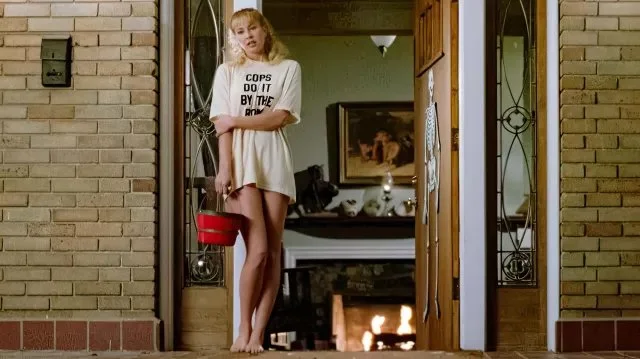
That perspective captures what makes Kathleen Kinmont such an enduring presence in genre filmmaking. Yes, she's appeared in cult classics. Yes, she's battled monsters, mad scientists, and slashers. But beneath the horror and spectacle is an artist who remains deeply invested in the human side of storytelling. Valley of the Horntak may be filled with spores, cult mythology, and unsettling creature effects, but Kinmont never loses sight of the people at the center of the story. After spending time talking with her, it's easy to understand why audiences continue to connect with her work. She doesn't simply show up for a role. She brings empathy, experience, and a genuine appreciation for the craft, and Valley of the Horntak is all the better because of it.
Jessie Hobson