
There are certain television personalities who become inseparable from a specific era, and for many genre fans, Rhonda Shear is one of them. Long before streaming services and endless content libraries, she welcomed viewers into the delightfully unpredictable world of USA Up All Night, introducing cult films, horror favorites, comedies, and late-night oddities with an energy that felt like spending a weekend with your funniest friend. Decades later, she's once again inviting audiences into that world through the launch of The Up All Night Network, a Roku channel designed to celebrate cult entertainment while introducing a new generation of viewers to the experience that made her a late-night icon.
Having grown up watching USA Up All Night, speaking with Shear felt less like an interview and more like a conversation with someone whose work helped shape an entire era of genre fandom. What quickly became apparent was that this revival isn't driven by nostalgia alone. Shear is genuinely excited about the future and energized by the opportunity to build something new.
Discussing the return of Up All Night, Shear admitted she has been overwhelmed by the response from longtime fans, describing herself as "overwhelmingly excited and surprised" by the show's resurgence. Looking back at the original run, she reflected on the creative freedom that defined the program and the character she developed alongside producer Tommy Lynch. Rather than portraying someone naïve, she explained that the character was designed to be "curious and accepting," qualities that allowed Up All Night to showcase an eclectic mix of guests and personalities long before such inclusivity became commonplace.
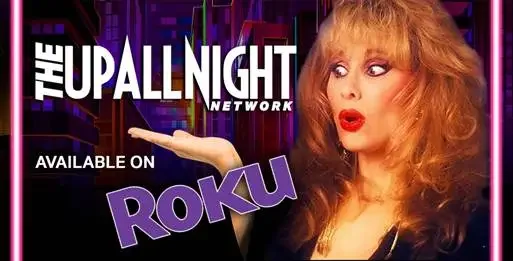
That same spirit carries over into The Up All Night Network. While many fans initially hoped for a reboot of the beloved series, Shear saw an opportunity to go bigger. The network features classic and new Up All Night content while expanding into films, comedy specials, podcasts, music videos, and original programming. She described the venture as an opportunity to experiment creatively once again, much like the early days of cable television when formats were still evolving. "People are asking me to bring back the feeling of the '90s," she explained, noting that the network allows her to recapture that energy while discovering what resonates with modern audiences.
One of the most compelling aspects of the network is Shear's commitment to independent creators. She spoke passionately about using the platform to celebrate performers, filmmakers, writers, makeup artists, and other contributors whose work often goes unrecognized by mainstream Hollywood. She highlighted genre legends such as Linnea Quigley, Michelle Bauer, and Debbie Rochon, explaining that she wanted to give these artists their own spotlight because they helped shape both the horror community and her career. For Shear, the network is as much about preservation as it is about discovery.
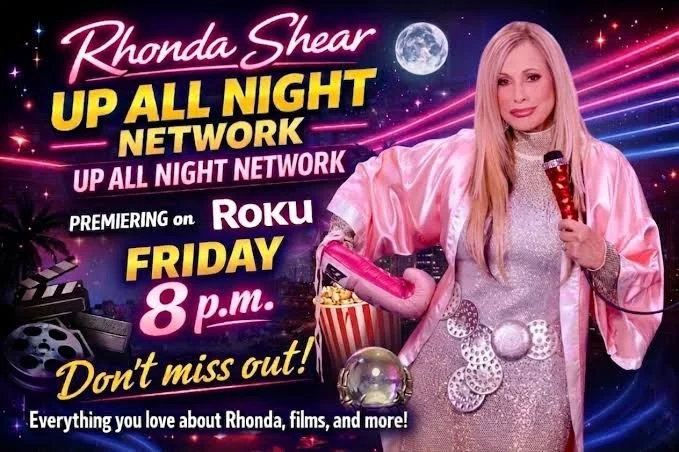
Perhaps the most fascinating revelation from our conversation involved the original Up All Night archive itself. Fans may not realize just how close portions of television history can come to disappearing forever. Fortunately, Shear had the foresight to safeguard her work. She recalled negotiating copies of every episode into her original contract, ensuring that one copy went to her mother in New Orleans and another remained with her. Over the years, those recordings grew into an enormous personal archive, with Shear preserving thousands of tapes containing nearly everything she created during her years in Los Angeles. She credits that instinct for preservation, combined with securing ownership of the Up All Night name after the series ended, as key reasons the franchise remains alive today. "I think I might be missing 20 episodes from like 450 or something like that," she noted while discussing the collection she carefully maintained in storage over the years.
As someone who spent countless late nights watching USA Up All Night, I found that dedication particularly remarkable. In an entertainment industry where so much material can be lost, shelved, or forgotten, Shear's decision to preserve those tapes has allowed an entire generation of viewers to reconnect with a beloved piece of television history while giving newer fans a chance to experience it for the first time.
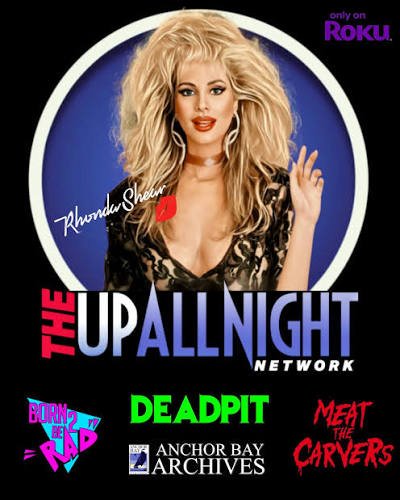
What ultimately stands out most about Shear, however, is her enthusiasm. Despite balancing the demands of a successful apparel business, producing content, podcasting, launching a streaming network, and continuing her acting career, she speaks with the excitement of someone just getting started. She believes there remains a substantial audience eager for entertainment that offers an escape from everyday noise. Whether through cult films, comedy, or the playful sketches that defined Up All Night, her goal is simple: give viewers something fun that allows them to laugh and unwind. As she put it, the idea is to create content that lets audiences "take the heaviness off and enjoy a fun horror film or fun comedy."
For longtime fans, The Up All Night Network represents the return of a familiar and beloved voice. For newcomers, it's an opportunity to discover why Up All Night became such a cultural touchstone in the first place. And for Rhonda Shear, it's the latest chapter in a career defined by reinvention, creativity, and an unwavering willingness to try something new.
If her enthusiasm is any indication, the party is just getting started.
Jessie Hobson