
When I sat down with Eric Weber and Paul Raci to discuss Not Dead Yet, I expected a conversation about filmmaking, performances, and the themes that define the film. What I didn't expect was for the discussion to deepen my appreciation of a movie that had already challenged me on a personal level. Having seen the film at the Hamptons International Film Festival, I found myself wrestling with many of the same emotions that the story explores: nostalgia, uncertainty, frustration, optimism, and the realization that none of us are getting any younger.
The experience of watching Not Dead Yet was surprisingly personal. As the story unfolded, I found myself thinking about my relationship with my father and, admittedly, my own future. The film is funny, heartfelt, and often melancholy, sometimes all at once. Speaking with Weber and Raci afterward helped me better understand why those emotions felt so authentic.
For Weber, the story was born from something deeply personal. The writer-director explained that after a long and successful career, he began feeling increasingly sidelined by a culture that often prioritizes youth. Rather than quietly accepting that feeling, he turned it into a screenplay. As he told me, "I'm 84 and I still have a lot to say. I still have a lot of things that piss me off and I'd like to criticize and some stuff that makes me feel good that I'd like to celebrate."
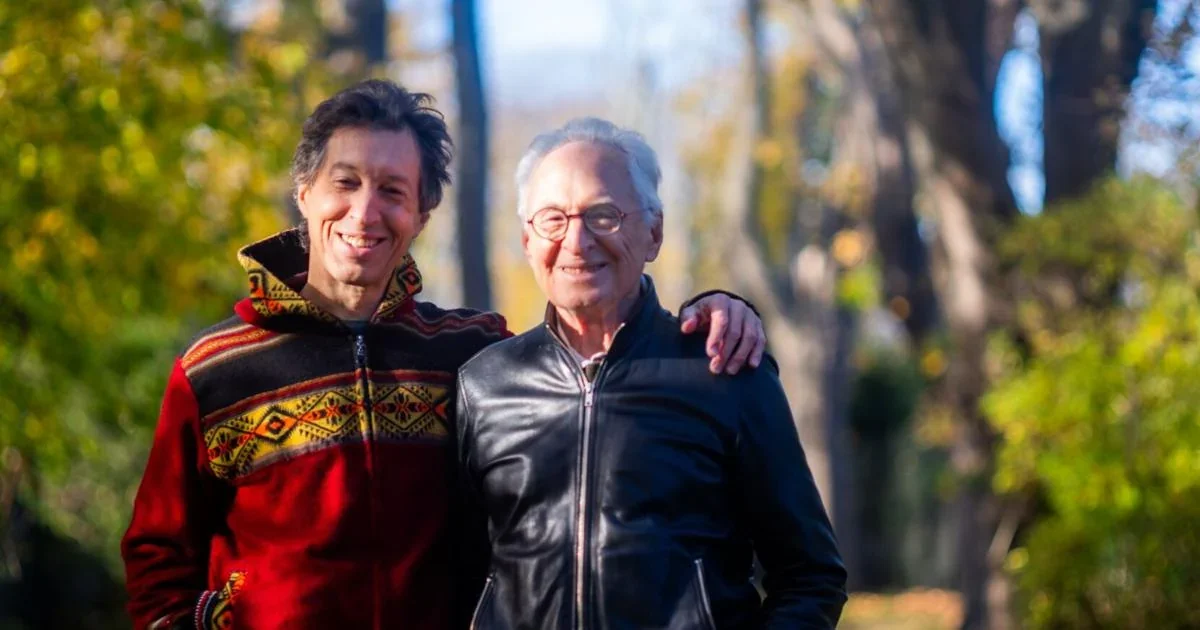
That sense of purpose became the driving force behind Not Dead Yet, a film that follows people determined not to let the world decide when their story is over. Weber's outlook extends beyond filmmaking itself. During our conversation, he admitted that retirement simply is not for him, joking that he can only play so much golf and watch so much television before needing another creative outlet. More seriously, he noted that "the idea of retirement depresses the hell out of me," adding that the thought of no longer creating new projects feels equally unthinkable.
Those sentiments resonated strongly with Raci, whose own career serves as proof that life can still surprise you no matter your age. The Academy Award-nominated actor reflected on spending decades quietly working before finally receiving widespread recognition for Sound of Metal. Rather than viewing age as a limitation, Raci sees it as an opportunity to continue growing. He told me that even after earning an Oscar nomination in his late sixties, he never felt as though he had "made it." Instead, he simply kept moving forward and looking toward the next opportunity. "I never gave up," he explained, noting that today, at 78 years old, he still approaches life with the mindset that there is another job to do tomorrow.
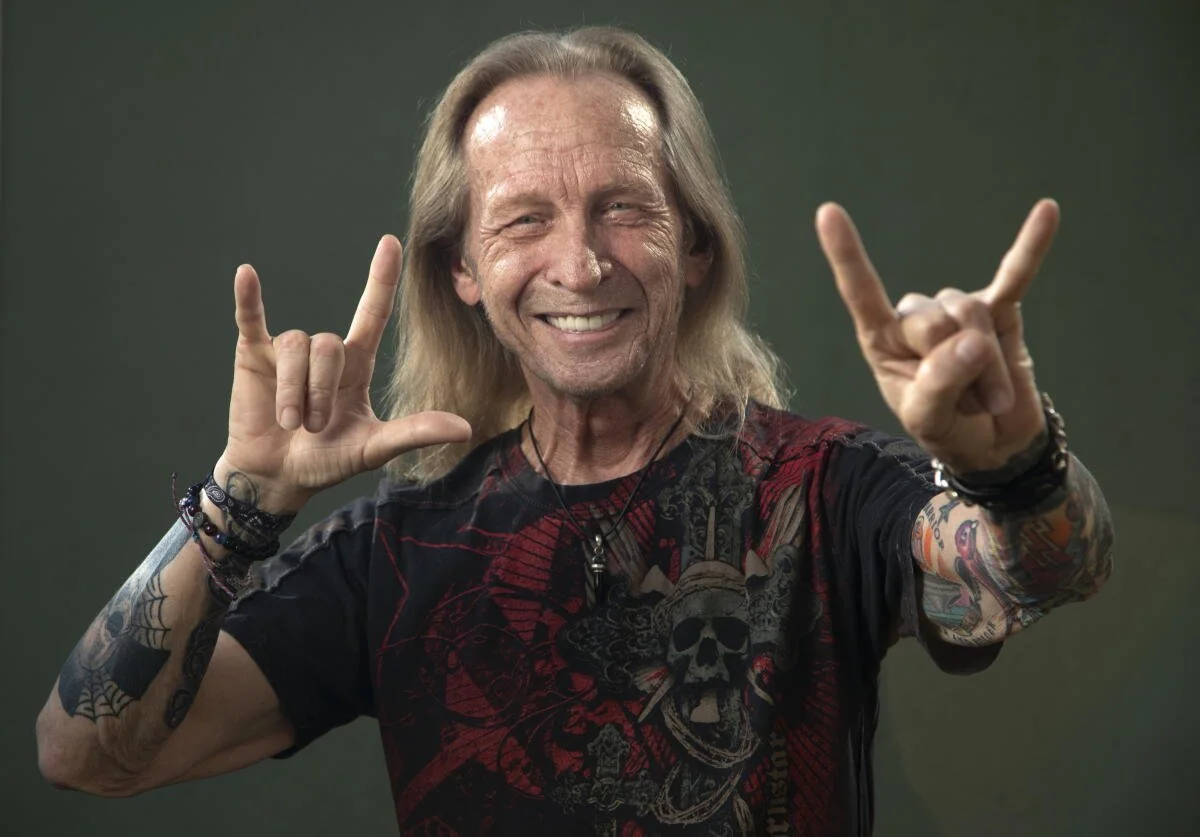
What makes Not Dead Yet work is that it never reduces its characters to stereotypes. Too often, films about aging present older characters as punchlines or wise sages dispensing life lessons. Weber's script recognizes them as complete people with ambitions, frustrations, desires, and flaws. That authenticity was something Raci appreciated throughout the production process. He praised the collaborative atmosphere on set and pointed to the film's willingness to address subjects frequently ignored when discussing older generations, including romance and sexuality. According to Raci, one aspect he particularly appreciated was how the film reminds audiences that people do not suddenly stop being passionate, curious, or interested in life simply because they've reached a certain age.
One of the most interesting elements of our discussion centered on the film's delicate balance between humor and emotion. That's something I specifically wanted to ask about, as Not Dead Yet constantly walks a fine line between comedy and genuine sadness. The story is filled with moments that are amusing, but beneath the jokes are real anxieties about aging, relevance, and loneliness.
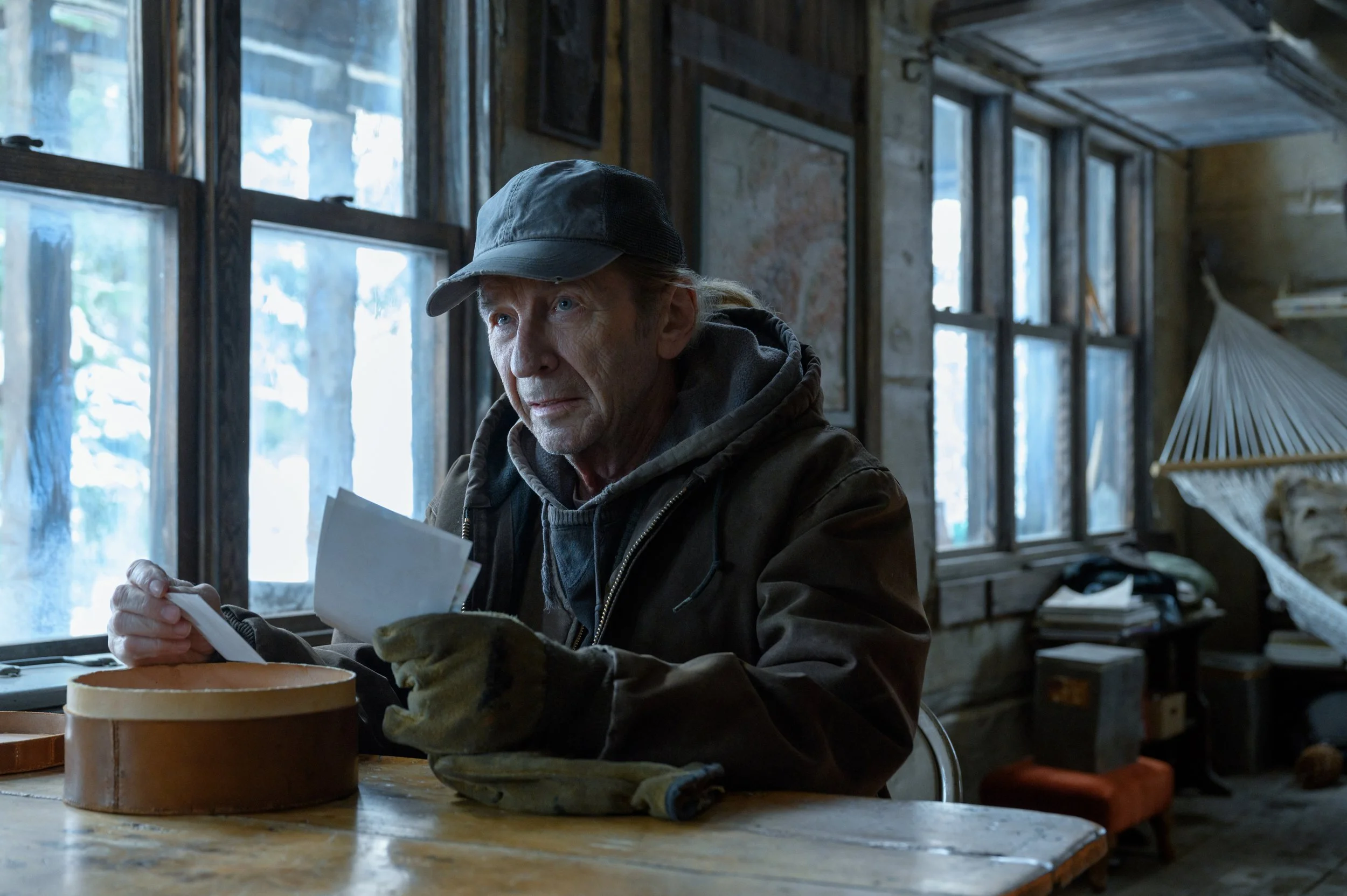
Weber explained that balancing those tones has always been central to his storytelling approach. He believes that humor doesn't diminish difficult subjects. Instead, it often helps audiences engage with them more honestly. As he put it, "If you make the right kind of joke, the subject opens up. It's like, oh, it's not just sadness or it's not just bitterness. There's always some humor in everything."
That perspective helps explain why Not Dead Yet feels so emotionally rich. The film acknowledges loss and uncertainty without becoming cynical. It recognizes the challenges that come with growing older while still celebrating the opportunities that remain.
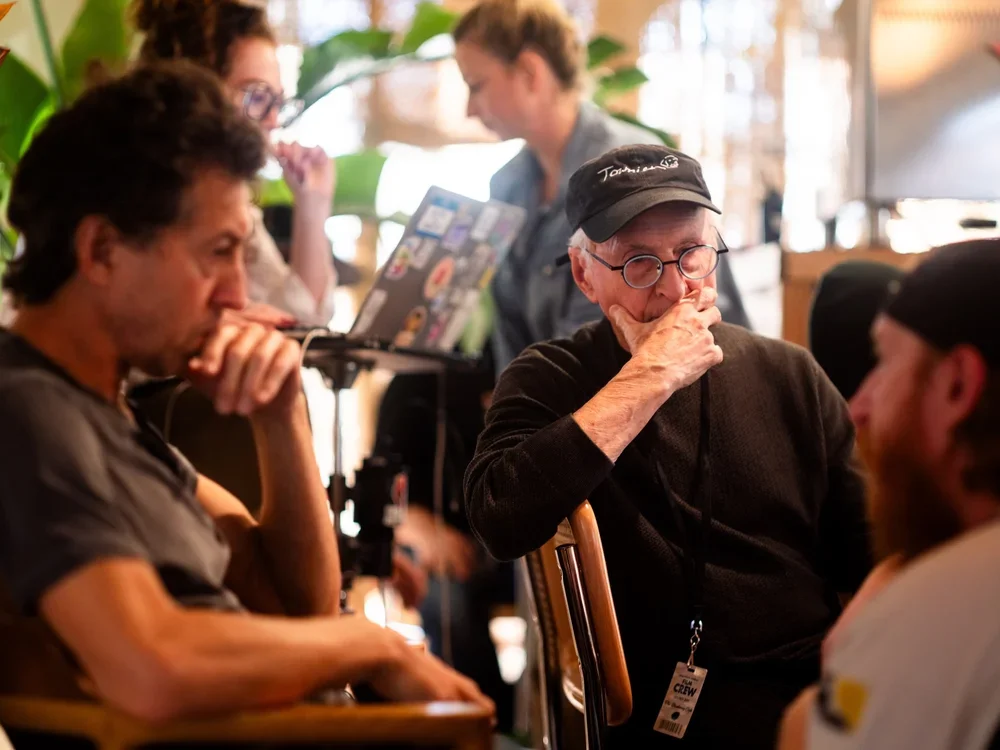
Perhaps the most memorable part of the conversation came when we discussed what they hoped audiences would take away from the film. Weber expressed his hope that viewers leave with a broader perspective on what aging can look like, reminding us that life does not suddenly stop being meaningful at sixty, seventy, or eighty. He spoke about the importance of friendship, adventure, music, love, and continuing to embrace new experiences regardless of age, emphasizing that "it's not over" simply because you've reached a particular milestone.
Raci took that thought even further. In a moment that perfectly captured both the spirit of the film and his own outlook on life, he said that he hopes the movie gives people "permission to be yourself." He encouraged audiences to remain creative, curious, and engaged, stressing that "you're never too old. It's never too late."
By the end of our conversation, I realized why Not Dead Yet had lingered with me long after the credits rolled. The film isn't simply about getting older. It's about refusing to surrender the parts of yourself that make life meaningful. It's about purpose, creativity, friendship, and continuing to move forward even when society expects you to sit down and fade into the background. Whether you're twenty-five, forty, or eighty, that's a message worth hearing.
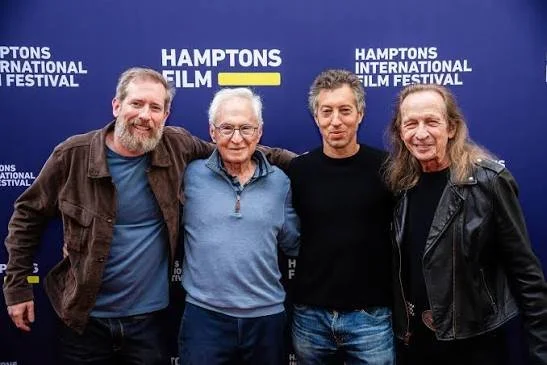
And after spending time talking with both Weber and Raci, it's clear that neither of them plans on slowing down anytime soon. In fact, if Not Dead Yet proves anything, it's that the most interesting chapter may still be ahead.
Jessie Hobson