Some interviews are over before you know it. Others feel like they've only just started when the clock runs out. My conversation with Hana Mae Lee and Hal Satin fell squarely into the latter category. What began as a discussion about their film Magick Mtn. quickly evolved into a free-flowing conversation about art, music, horror, collaboration, and the strange creative forces that seem to emerge when talented people simply trust the process. By the end, it genuinely felt like we could have talked for hours.
That feeling makes perfect sense when discussing Magick Mtn., a film that refuses to fit neatly into a single box. Part rock-and-roll fairytale, part fever dream, part ode to the mythology of Laurel Canyon, the film is less interested in delivering a conventional narrative than it is in immersing viewers in an atmosphere.
According to Lee, the project's origins were surprisingly organic. What eventually became Magick Mtn. started as little more than an opportunity and a collection of inspirations. As she explained, much of the early spark came from the music, the aesthetic, and the culture surrounding the world they were exploring. Satin described it as "a very small ember that came out of an opportunity," one that gradually grew into something much larger as they allowed the project to evolve naturally rather than forcing it into a rigid framework.

That willingness to let the film become what it wanted to become proved essential throughout production. Working with limited resources and a cast made up largely of artists, musicians, and creative personalities rather than traditional actors, Lee and Satin embraced spontaneity. As Satin noted, when you're working with limited funds and unconventional talent, "you don't have the ability to command what's going on," so instead they allowed the film to develop its own identity.
The setting itself was equally important. Laurel Canyon's rich musical history is woven into the DNA of Magick Mtn., both practically and creatively. Lee described the location as a "huge part of the story," while Satin joked that when you're making a low-budget film, one of the benefits is having the freedom to tell the stories you actually want to tell in the places that already surround you.
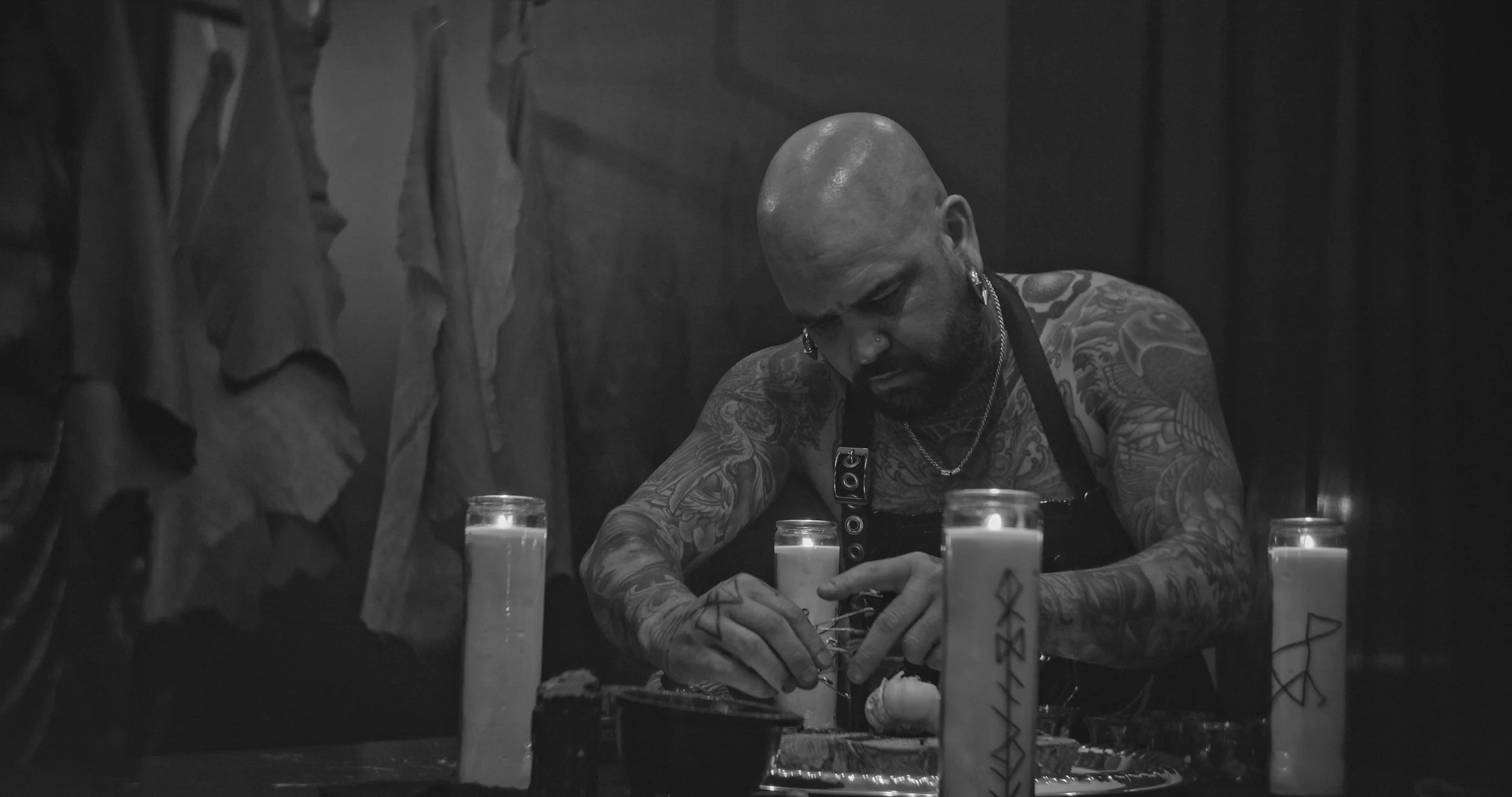
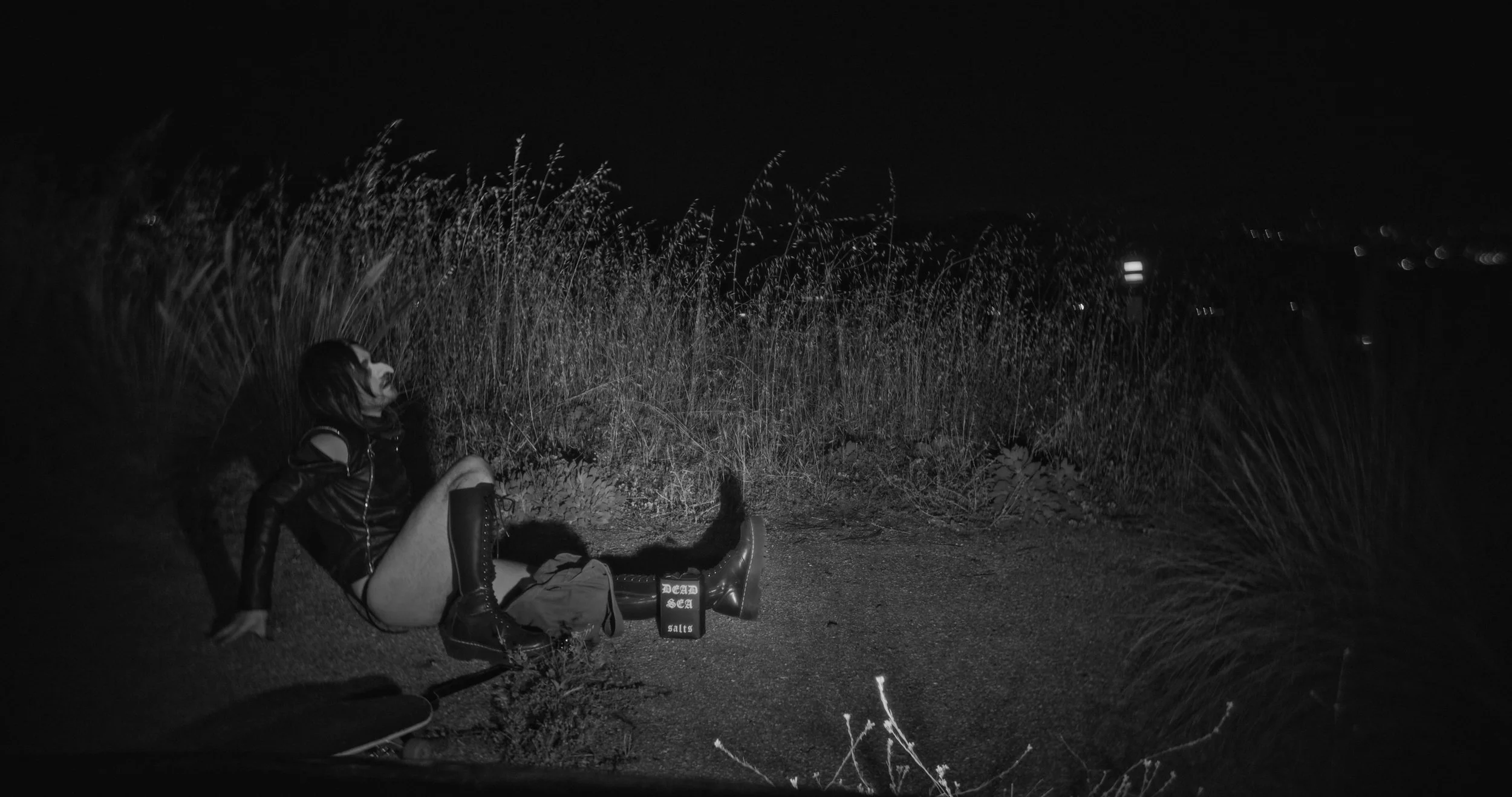
What emerges on screen is a fascinating blend of folklore, occult imagery, horror, mythology, and music. Perhaps most impressively, none of those influences overpower the others. Satin explained that much of the material already existed in the real world, making the challenge less about balancing genres and more about finding ways to present the subject matter in a way that felt entertaining and rhythmic without drifting into documentary territory.
That approach extends directly into the duo's creative partnership, which has been developing for more than two decades. The two first met through art school and have built an artistic shorthand that borders on telepathic. When I asked about their directing style, Satin simply answered, "telepathically," before revealing they've known each other for nearly twenty-three years. More importantly, he explained that while they don't always agree or even know exactly where a project is heading, they trust the process because they know they'll ultimately be happy with the final result.
Lee described their collaboration as a balance between structure and improvisation. She sees herself as someone who naturally gravitates toward the script, while Satin excels at adapting on the fly. Because he was not only co-directing, but also shooting, editing, and writing the project alongside her, a tremendous amount of trust became necessary. Even when she wasn't entirely sure where certain creative choices were leading, she knew Satin would ultimately bring the threads together.
Ironically, Magick Mtn. almost never became the film audiences are seeing today. Lee revealed that the project began as something very different before cast changes and scheduling realities forced the script to evolve. Eventually, she realized the film required a full creative partnership and asked Satin to step in as co-director. What followed was a production powered more by determination than resources. The filmmakers were working with only a small amount of funding, their camera literally failed, and much of the production was assembled through borrowed equipment, borrowed time, and the generosity of friends. Yet those limitations ultimately helped shape the finished film. As Lee put it, the project grew beyond its budget and transformed into "this little gem."
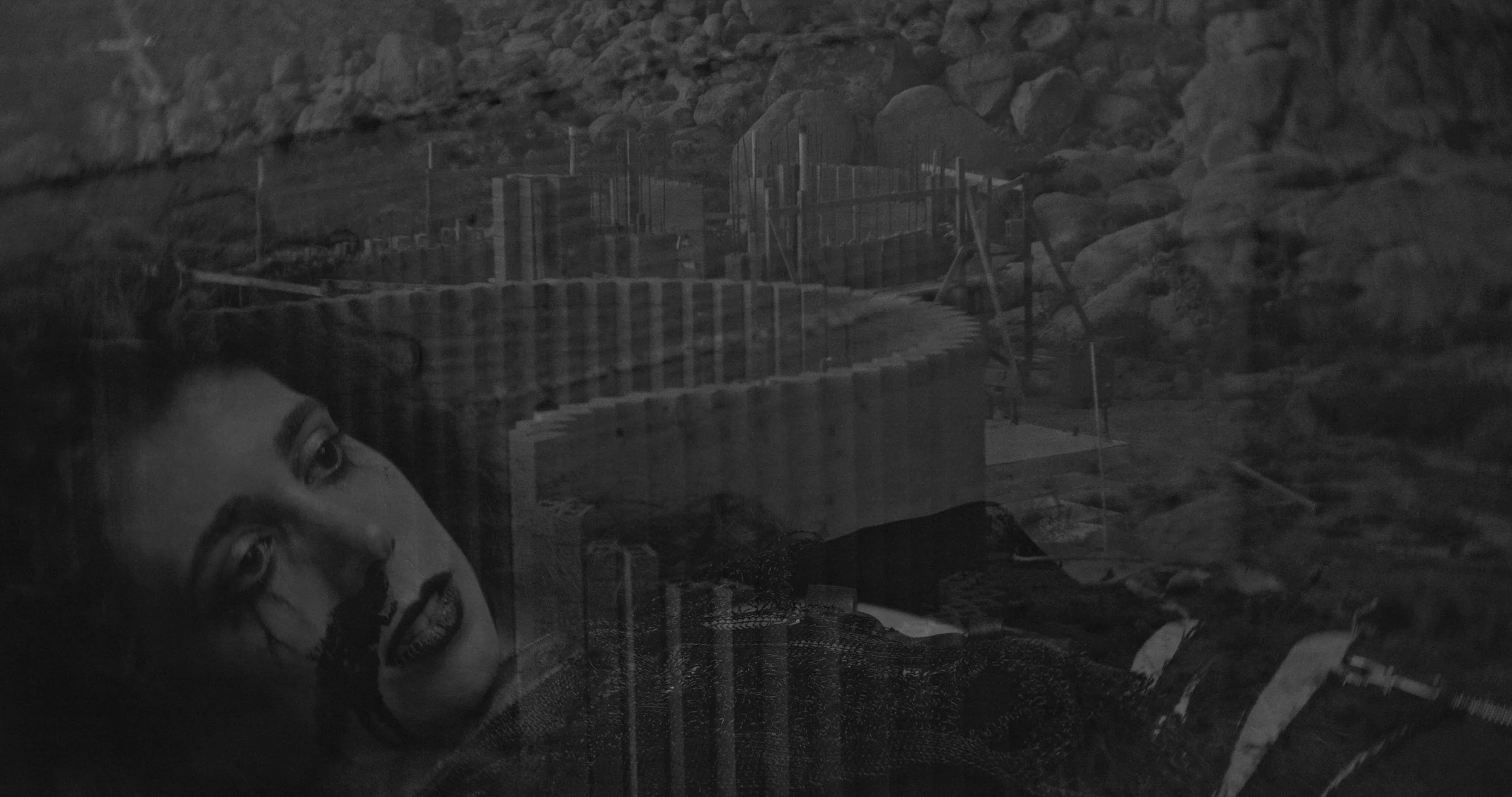
Perhaps the most striking aspect of Magick Mtn. is how experiential it feels. During our conversation, I compared the film to a dark carnival attraction, the kind of ride that immediately makes you want to get back in line. Both filmmakers immediately connected with that interpretation. Satin explained that the goal was to create something that felt "not like something about something but the thing itself." Rather than presenting an idea from a distance, they wanted audiences to feel immersed in it. He described the film as an attempt to get closer to the subject matter without sacrificing the fun and mystery that make narrative filmmaking so engaging.
For Hana Mae Lee, audience reaction is what matters most. She explained that if viewers feel something, then the film has done its job. Reflecting on what she hopes audiences take away from Magick Mtn., Lee spoke about wanting the experience to linger long after the credits roll, creating the kind of uncertainty that leaves viewers questioning whether something they witnessed actually happened. She hopes the film feels enticing and slightly dangerous, "like you found something that maybe you weren't supposed to watch," while maintaining a timeless quality that slowly works its way under your skin. In many ways, that description perfectly captures Magick Mtn. itself.
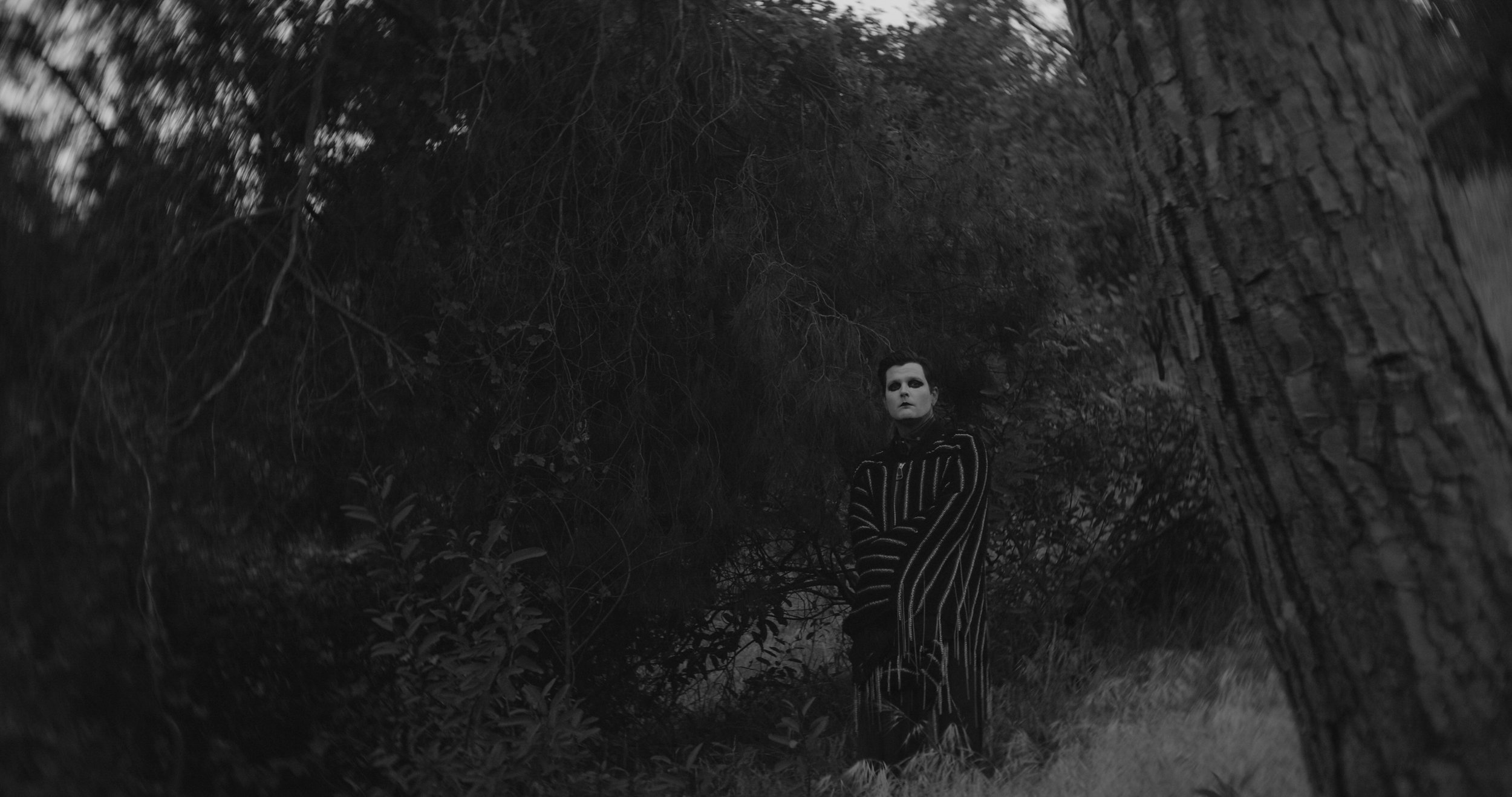
More than anything, spending time with Lee and Satin made it clear that Magick Mtn. is the product of two artists who trust each other completely and who remain committed to following creative impulses wherever they lead. Their enthusiasm for cinema, horror, music, and storytelling is infectious, and their easy chemistry makes it obvious why their collaboration has endured for so many years.
By the end of our conversation, I wasn't ready for it to be over. Honestly, it felt less like an interview and more like sitting down with a couple of fascinating friends to talk about movies, creativity, and the strange things that inspire us. The vibe was genuine, the conversation was effortless, and if they ever find themselves back in Texas, I'd gladly pick it up right where we left off.
In the meantime, Magick Mtn. stands as proof that sometimes the most memorable cinematic experiences are the ones willing to wander off the beaten path, follow the music into the canyon, and trust a little magic along the way.
Jessie Hobson