
I remember first hearing about #VanLife through a random post on Twitter. There was barely any information available, but the marketing confidently called it one of the scariest movies of the year. The images looked striking, and having recently watched the Gabby Petito documentary, I was immediately intrigued by the idea of a horror film built around the culture of vanlife influencers. After catching #VanLife at the Houston Horror Film Festival, I can say the finished product is far more interesting than it is terrifying.
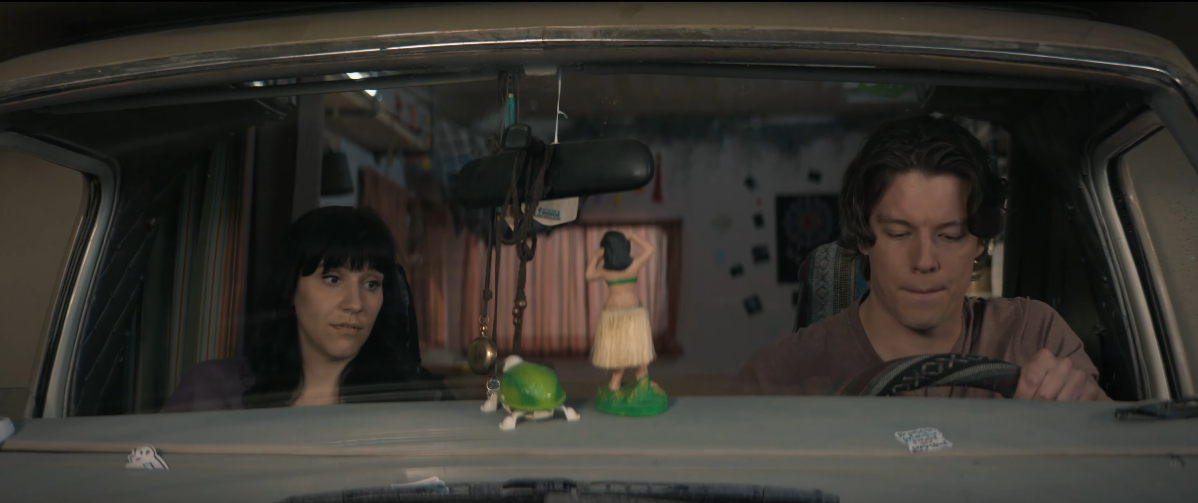
Written and directed by Trevor Cameron, #VanLife follows influencer couple Carlsen and Vanessa as they travel the open road while processing the lingering trauma surrounding the suicide of Clint, Carlsen's brother and Vanessa's ex-boyfriend. A year into their nomadic lifestyle, Vanessa is ready to return to reality while Carlsen has embraced the vanlife community as both a sanctuary and an identity. Their eventual split sends Carlsen down a strange new path when he befriends Deidra, a mysterious older woman whose own troubled history becomes intertwined with a growing conspiracy involving violence, manipulation, and an unsettling death cult lurking on isolated highways. The film is described as a psychological thriller centered on social media influencers who become entangled with a violent cult.
What makes #VanLife initially compelling is its premise. Cameron's own experiences living on the road clearly inform the story. Rather than presenting vanlife as the glossy, carefree fantasy endlessly promoted on Instagram and YouTube, the film peels back the curated facade and explores the loneliness, uncertainty, and identity crisis that can exist beneath the hashtags. Themes of survivor's guilt, imposter syndrome, cultural belonging, and self-perception give the material more substance than your average road trip horror film.
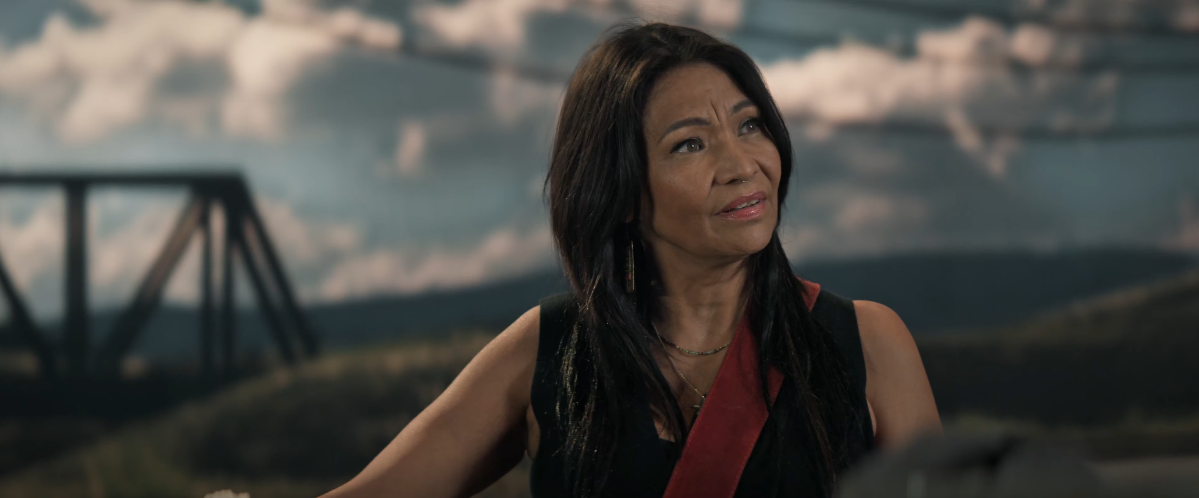
The cast helps sell those ideas. I immediately recognized Tahmoh Penikett, and the movie is filled with actors whose names may not be instantly recognizable but whose faces certainly are. It's a well-cast production across the board, with performances that keep the audience invested even when the narrative begins to wander. The central relationships feel authentic enough to ground some of the film's heavier themes, particularly the exploration of grief and the ways people build identities around trauma.
The score is another highlight. Comprised largely of breathing sounds and haunting violin arrangements, it creates an uneasy atmosphere that often proves more effective than the movie's actual scares. There is a constant sense that something is lurking just beyond the next bend in the road. For much of the first half, that uncertainty works in the film's favor. You're never quite sure where the story is heading, and that unpredictability generates genuine tension.
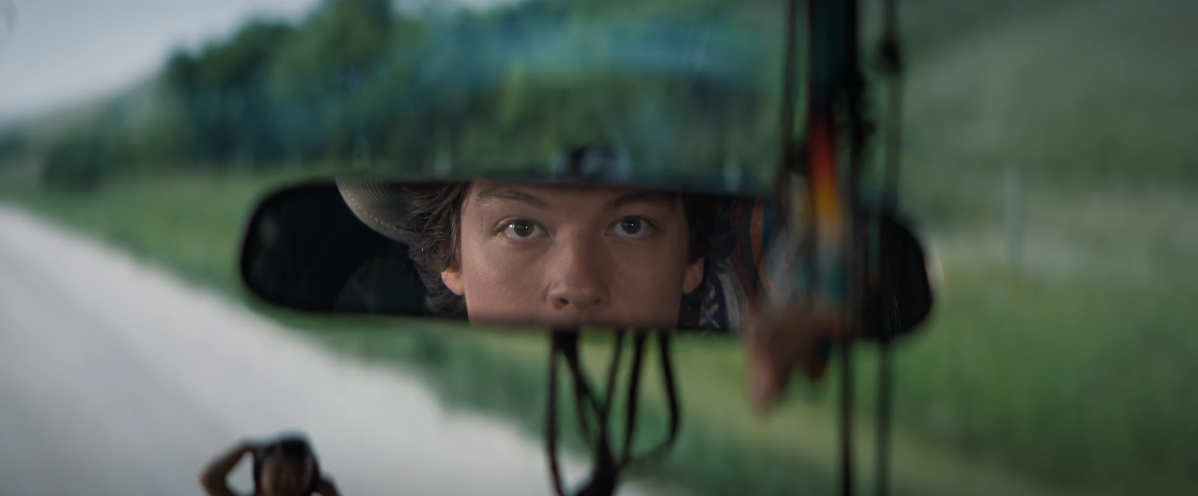
Unfortunately, #VanLife takes a sharp turn midway through and never fully recovers. The psychological thriller elements and the cult horror storyline never blend as smoothly as they should. Individually, both ideas have potential, but together they create an uneven experience that struggles to maintain momentum. The film continually introduces new layers and revelations, yet many of them feel disconnected from what made the setup intriguing in the first place.
The movie also misses opportunities to fully capitalize on its influencer premise. For a story centered on social media personalities, there is surprisingly little livestreaming, vlogging, or exploration of how creating content affects the characters' decisions. The concept seems tailor-made for a modern horror film that weaponizes the attention economy, but those elements remain mostly in the background.
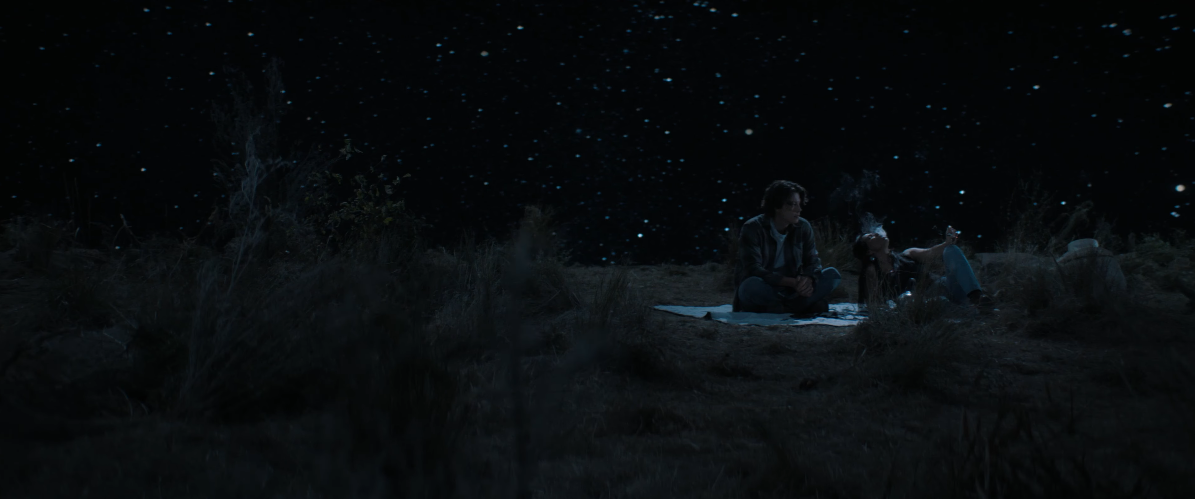
Visually, the production has mixed results as well. For a low-budget feature, there are some effective moments, but the second half contains several exterior sequences that look noticeably artificial. Many scenes appear as though they were shot in a studio rather than on location. That decision is particularly distracting because the entire story revolves around travel, nature, and life on the open road. When the environments fail to feel real, it undercuts the immersive qualities the film desperately needs.
Even with its shortcomings, #VanLife remains watchable throughout its brisk 93-minute runtime. It's well-scored, well-cast, and ambitious enough to tackle ideas beyond simple cult horror. The problem is that its most interesting themes become overshadowed by increasingly strange narrative detours that never fully pay off. What begins as a fascinating examination of identity, grief, and the myth of the influencer lifestyle gradually drifts into territory that feels less focused and far less effective.
#VanLife isn't the scariest movie of the year as the early hype suggested, but it is a curious and occasionally engaging blend of psychological thriller and cult horror. There is enough here to appreciate, especially in its performances and underlying ideas. The journey just loses its way before reaching the destination.
Jessie Hobson