
Some films are designed to make audiences think. Others are designed to make audiences scream. Then there are films like Jeffrey Dollmer, which aim to do both while making viewers ask, "How did somebody even come up with this?"
That question was one of many discussed during my recent conversation with Jeff Miller and Mark Savage, the creative duo behind Jeffrey Dollmer. What could have easily been a quick discussion about a killer doll movie turned into a lively and entertaining conversation with two filmmakers who are genuinely passionate about independent horror and the creative process behind bringing even the wildest ideas to life. More than anything, it was simply fun spending time with two creators who clearly love what they do and aren't afraid to embrace the absurd.
For Jeff Miller, the concept began while developing another project inspired by a notorious serial killer. During production on a western, someone arrived on set wearing a creepy rabbit mask and jokingly explained that he dressed as Ted Bundy every Halloween. That moment sparked an idea that eventually led to a larger concept. As Miller recalled, he started wondering what other infamous names could be transformed into horror movie titles before realizing that "Jeffrey Dahmer" could become Jeffrey Dollmer. From there, the treatment began taking shape before he eventually pitched the project to Savage, who immediately understood exactly what Miller was going for.
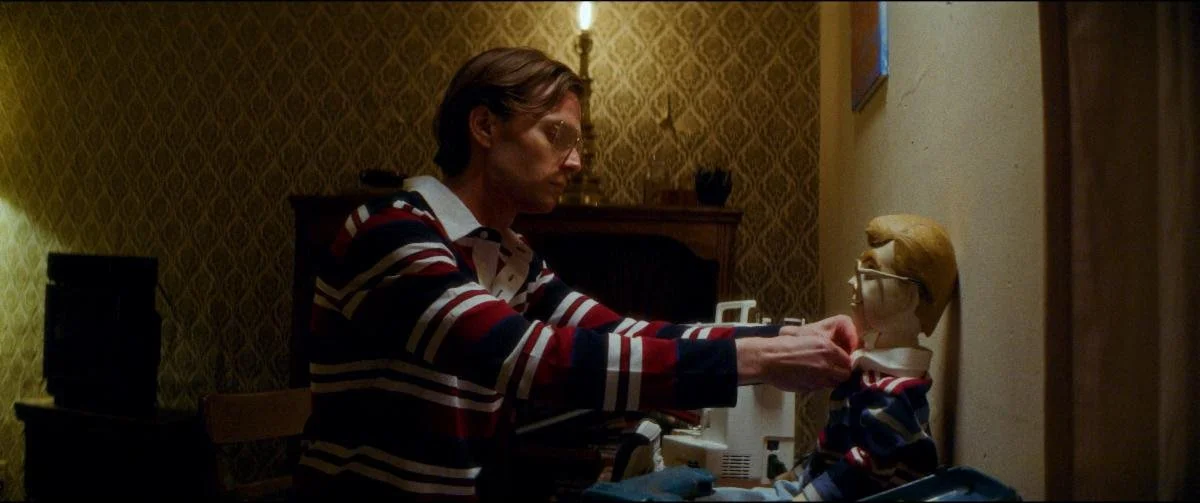
Fortunately for Miller, the pitch landed exactly where he hoped it would. Savage said the project was "definitely up my alley," explaining that he was immediately drawn to the challenge of taking a doll and giving it exaggerated human characteristics. Rather than simply creating another killer toy, he saw an opportunity to build a character inspired by real-world notoriety while steering the story into a satirical, darkly comedic direction. That blend of horror and black comedy was what ultimately convinced him to get involved.
That balance became one of the most fascinating aspects of Jeffrey Dollmer. Miller explained that the screenplay originally leaned darker, but the personality of the doll naturally pushed the film toward humor during production. As filming progressed, unexpected moments emerged from the puppet itself, while ideas from Savage and puppeteer Joe Black added layers of comedy that simply felt too good to leave on the cutting room floor. By the end of production, everyone agreed the lighter tone ultimately worked in the film's favor.
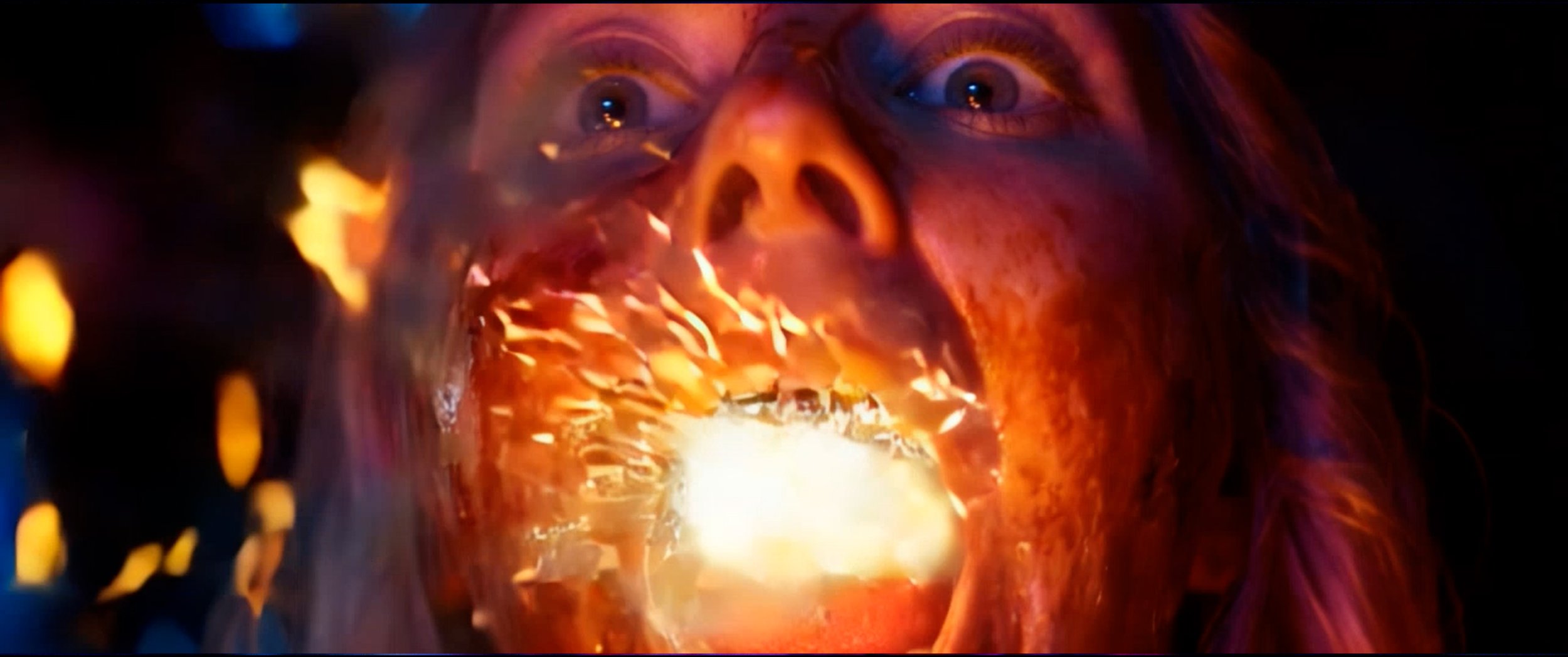
Savage described the character as fundamentally different from the polished killer dolls audiences have become accustomed to seeing in studio productions. Instead of relying heavily on visual effects, he emphasized that Dollmer is "a real doll that is being puppeted," giving the character a rough-around-the-edges personality that became part of its appeal. In Savage's eyes, the result is "a deranged puppet that's on the loose" and "a little pervert puppet on the loose," qualities that help separate Dollmer from better-known horror icons while giving him a distinct identity all his own.
While the film's premise may sound outrageous, both filmmakers approached the production with the kind of practical problem-solving that independent filmmaking often demands. Originally, the story was built around a reality television competition similar to Project Runway, but budget considerations forced the team to rethink the scope. The concept eventually evolved into the remote fashion shoot setting seen in the finished film. Savage explained that reducing the number of locations allowed the production to spend less time traveling and more time actually filming scenes, a tradeoff that ultimately benefited the film creatively as well as financially.
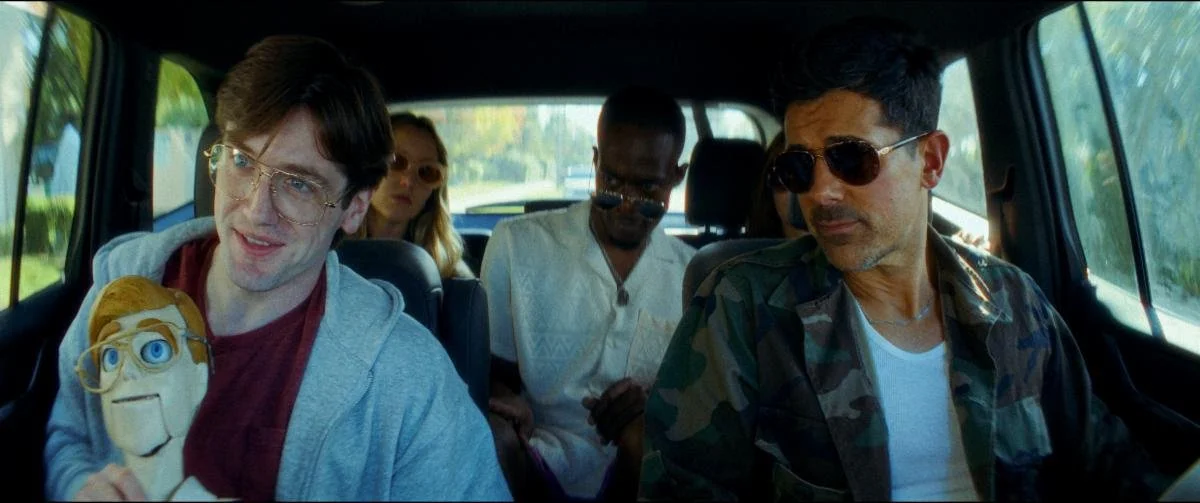
That same resourcefulness carried over into the production of the doll itself. Savage pointed to a climactic attic sequence as one of the most technically challenging parts of the shoot, requiring careful framing to hide the puppeteer while the doll moved through tight spaces and interacted with props. The process wasn't without its frustrations. At one point, Savage recalled, the doll would suddenly whip around and pieces would come loose. Miller quickly jumped in to clarify that it was often the hair causing problems rather than the head itself, prompting laughter between the two collaborators. It was one of several moments during our conversation that showcased the chemistry they've developed from working together over multiple projects.
That chemistry extends well beyond friendly banter. Throughout the conversation, both repeatedly returned to the idea that limitations often inspire creativity. Savage noted that instead of throwing large amounts of money at a problem, independent filmmakers frequently have to invent solutions. In many cases, those solutions end up producing something more interesting and memorable than a bigger budget would have allowed. That mindset appears to be a major reason the pair continues returning to work together.
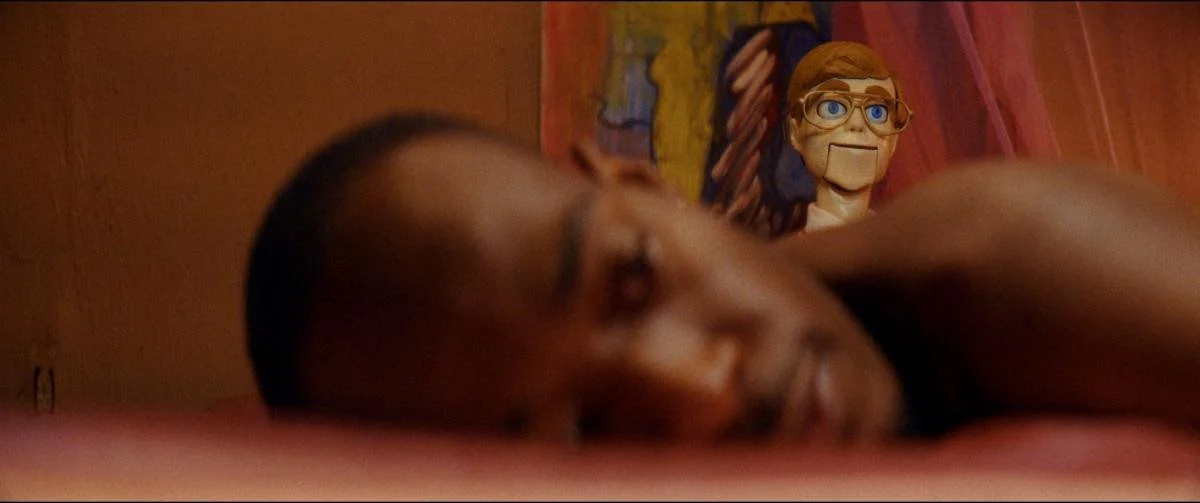
The discussion also touched on the growing "Twisted Serial Killer Universe," a concept Miller said emerged almost simultaneously with the creation of Jeffrey Dollmer. What began as a clever play on names soon developed into a larger vision that could eventually connect multiple projects. While there is no immediate follow-up currently in production, Miller revealed that several possibilities are being discussed, even joking about an "Avengers" style crossover featuring characters from across the franchise. It was clear that both filmmakers enjoy dreaming about where these stories might go next.
What stood out most during our conversation was the genuine enthusiasm both men have for genre filmmaking. Savage spoke passionately about the freedom independent filmmakers enjoy compared to major studios, comparing modern indie horror to the exploitation and grindhouse films of previous decades. He explained that smaller productions can venture into places larger studios often avoid, allowing filmmakers to take risks and tell stories that might never survive a room full of executives. As a lifelong horror fan himself, Savage said he tries to make movies that he would personally want to watch, and that philosophy was evident throughout our discussion.
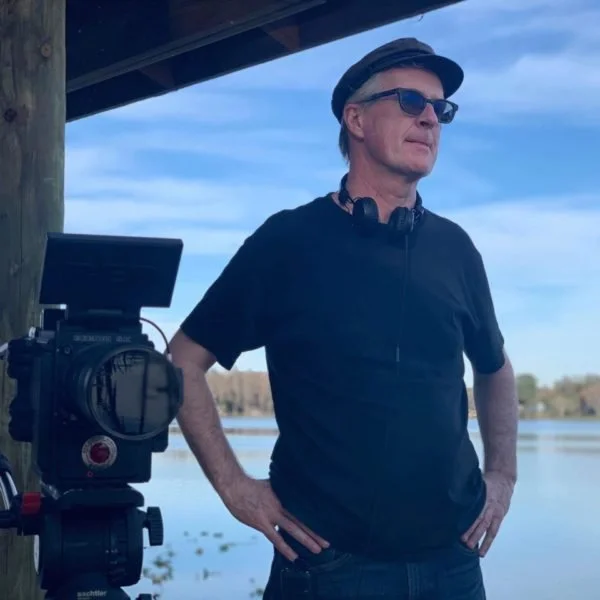
That passion was impossible to miss. Whether they were talking about puppetry, practical effects, horror history, outrageous concepts, or the challenges of bringing a killer doll possessed by the spirit of Jeffrey Dahmer to life, both Miller and Savage spoke with the excitement of fans who never lost their love for the genre.
As entertaining as it was discussing Jeffrey Dollmer, one of my favorite moments came right at the end of the interview when the conversation briefly shifted to Savage's cult classic The Masturbating Gunman. To my surprise, he casually revealed that a sequel is officially in the works.
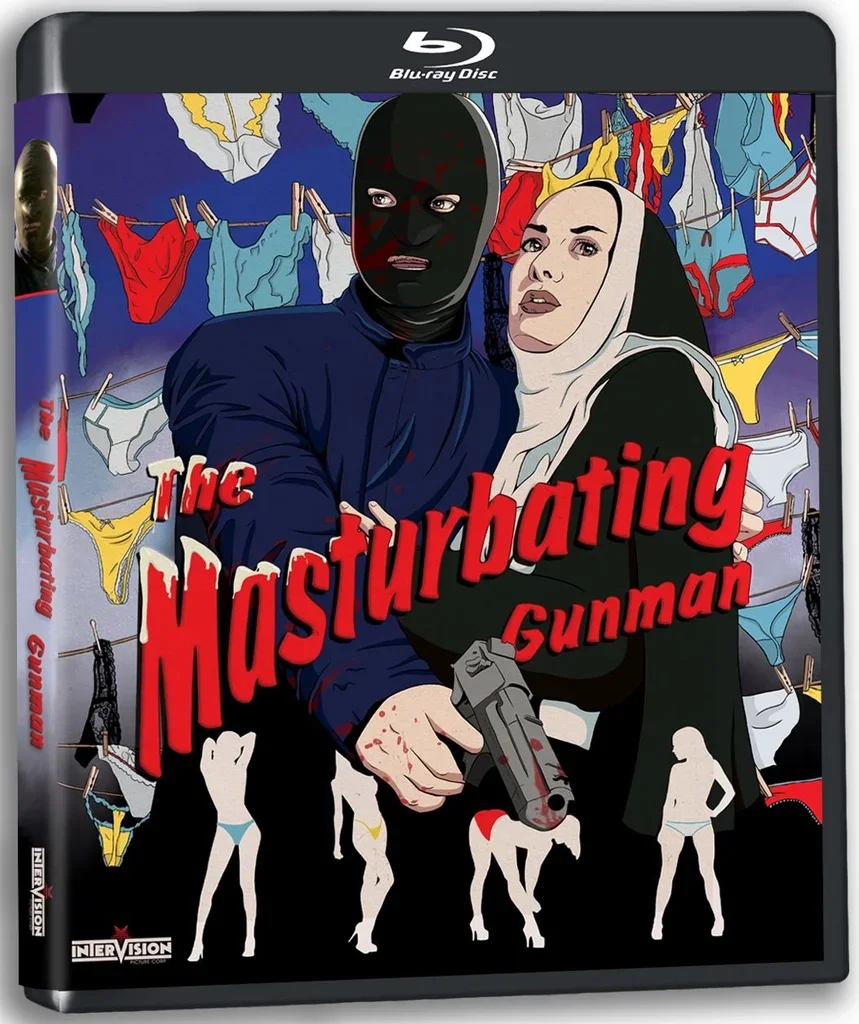
"I'm going to give you some good news," Savage said. "I'm doing a sequel to that over the next 12 months. There will be a sequel to The Masturbating Gunman." Needless to say, that announcement alone made an already memorable conversation even more enjoyable.
If there's one thing I took away from speaking with Jeff Miller and Mark Savage, it's that Jeffrey Dollmer isn't trying to be a conventional horror movie. It's bizarre, ridiculous, ambitious, self-aware, and intentionally outrageous. More importantly, it's the product of two filmmakers who clearly love horror, love the creative process, and genuinely enjoy making movies together. In a genre built on imagination, that kind of passion may be the film's greatest strength.
Jessie Hobson