
There are horror movies that make an impression, and then there are horror movies that leave you feeling like you've survived something. Human, the latest fever dream from Matt Stuertz, firmly belongs in the latter category. Equal parts psychological nightmare, supernatural freakout, splatter spectacle, and deeply personal character study, the film has become one of the most talked-about indie horror releases on the festival circuit, and after sitting down with Stuertz and star Jackie Kelly, it's easy to see why.
I had a great time speaking with both of them. The conversation was every bit as entertaining as the film itself. Considering how completely insane Human becomes, it was refreshing to spend time with the creative forces responsible for bringing that madness to the screen. Both have been on my radar for years, making the interview feel long overdue. If indie horror is looking for its next wave of standout talent, it would be wise to pay attention because both Matt Stuertz and Jackie Kelly are stars on the rise.
What makes Human work so well is that beneath the gallons of blood, supernatural chaos, and sheer unpredictability is something surprisingly relatable. The film opens with Dani Ferris scrolling through her phone late at night, juggling conversations with friends and an old flame. Those opening moments feel remarkably authentic, something that was very much by design. According to Stuertz, the film's entire foundation grew out of a real-life texting experience. He explained that "the texting aspect of it was sort of what inspired the whole movie" after a conversation he was having suddenly made him realize that if things became "a little bit creepy," it could serve as the perfect launching point for a horror film. From there, the screenplay practically wrote itself.
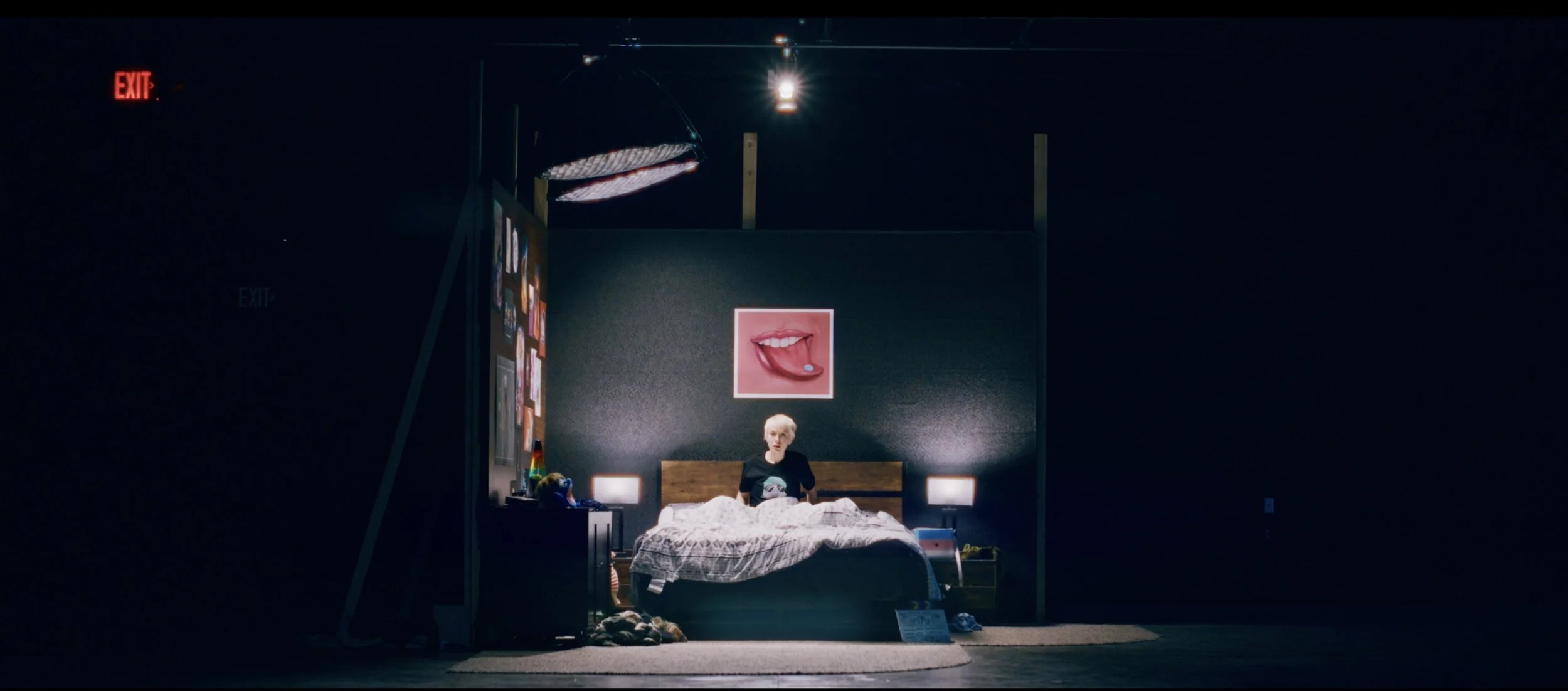
The screenlife elements became one of the film's most effective storytelling tools. Rather than feeling like a gimmick, the messages and notifications reveal character, relationships, and emotional vulnerability. Stuertz admitted that unrealistic depictions of digital communication are one of his biggest pet peeves, which led him to spend significant time making sure every text exchange felt natural and authentic. That attention to detail is evident throughout the film and helps ground viewers before everything spirals into something far stranger.
For Jackie Kelly, the screenplay immediately stood apart from anything she had encountered before. She was drawn to the way the story explored what she described as "the spectrum of human emotion," noting that the script presented an opportunity to explore virtually every possible response a person could have in an extreme situation. The text-message-driven opening also appealed to her because she saw it as both bold and risky. As audiences have discovered, that gamble pays off.
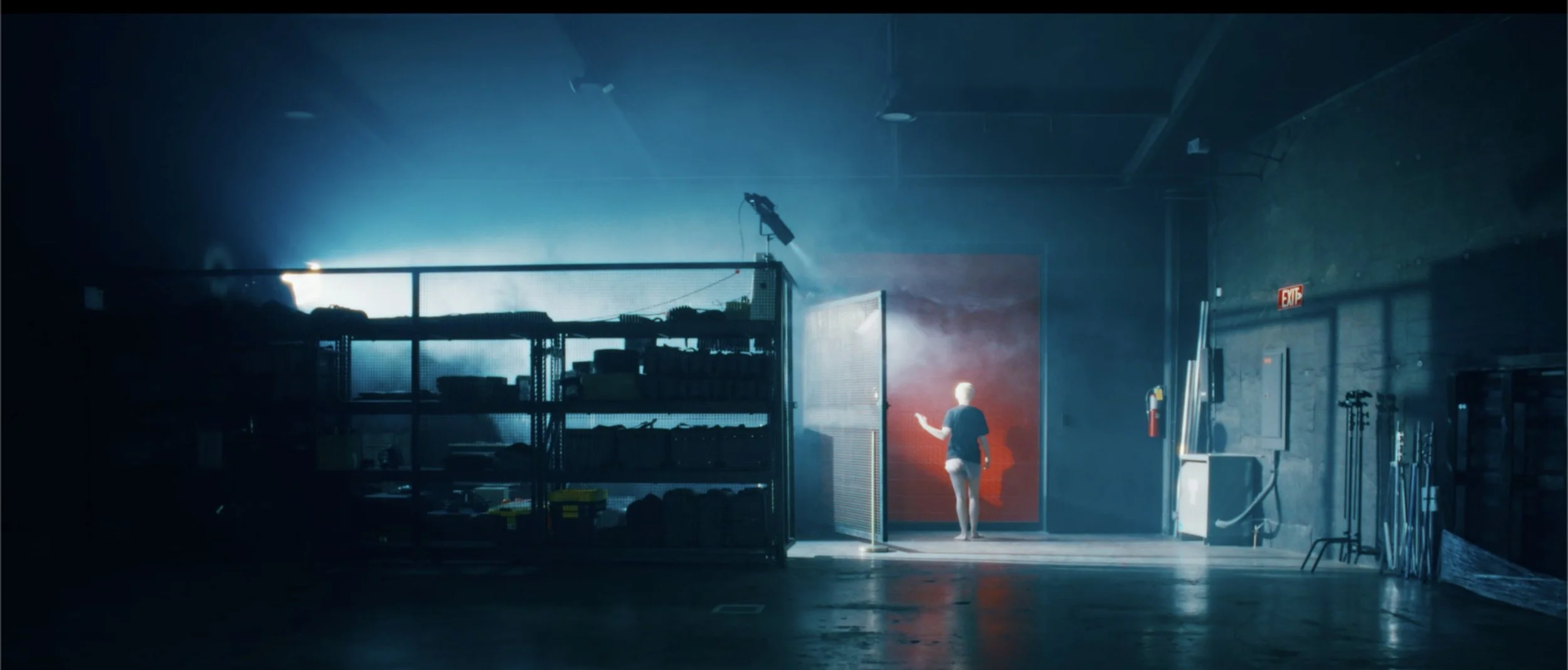
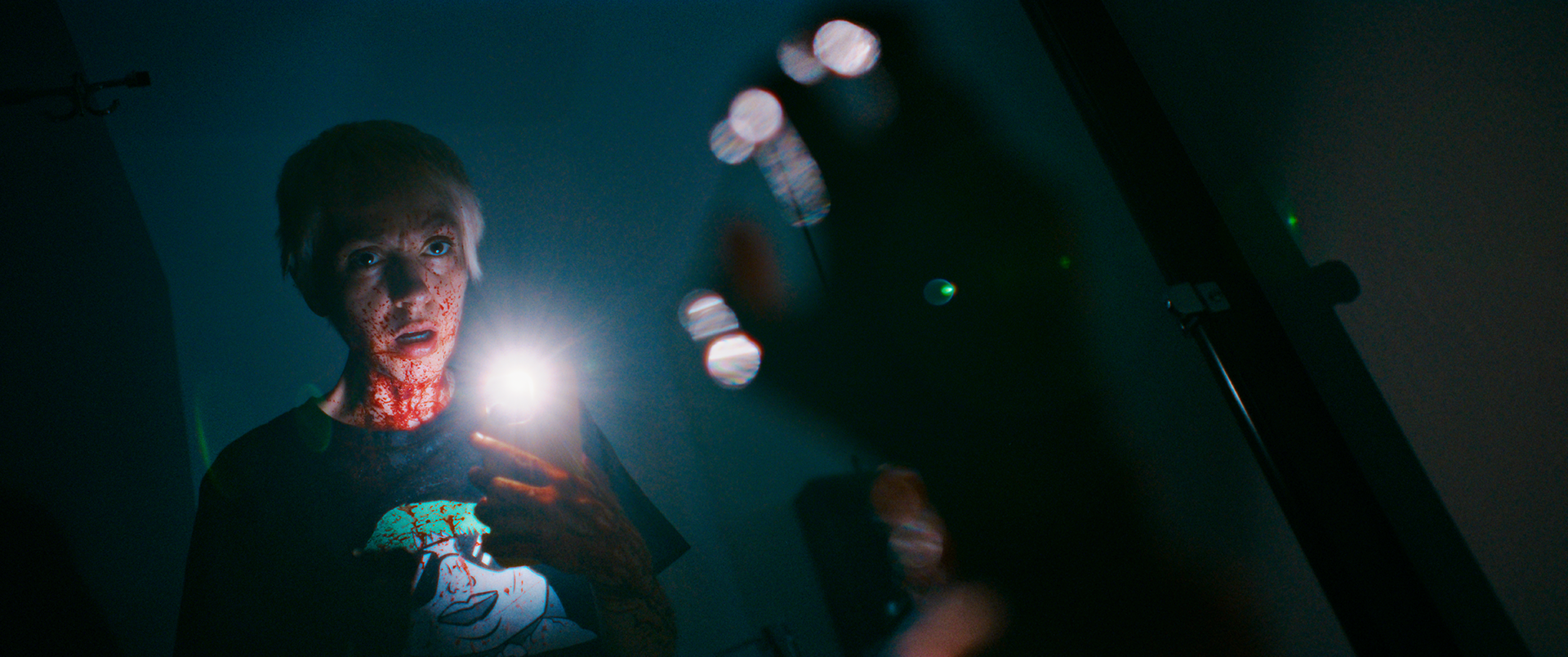
Carrying a film like Human is no easy task. Dani spends much of the movie alone, reacting to unseen threats, navigating tonal shifts, and serving as the audience's anchor while reality steadily crumbles around her. Fortunately, this wasn't a case of finding the right actor after the script was finished. Stuertz revealed that he wrote the film specifically for Kelly, explaining that he had known for years that she would be able to handle the challenge. Watching the finished film only reinforced that belief, as he noted that while he loved the screenplay, "it's even better on the screen."
For Kelly, one of the biggest advantages came from the production itself. Because Human unfolds primarily in a single location, much of the film was shot chronologically, something she had never experienced before. The approach allowed her to develop Dani naturally as the story progressed rather than constantly jumping around the timeline. Just as important was the atmosphere on set. Calling it one of her favorite productions ever, she described the cast and crew as being "all like bees," creating a supportive environment where she could fully commit to the film's heightened and often outrageous material without feeling self-conscious.
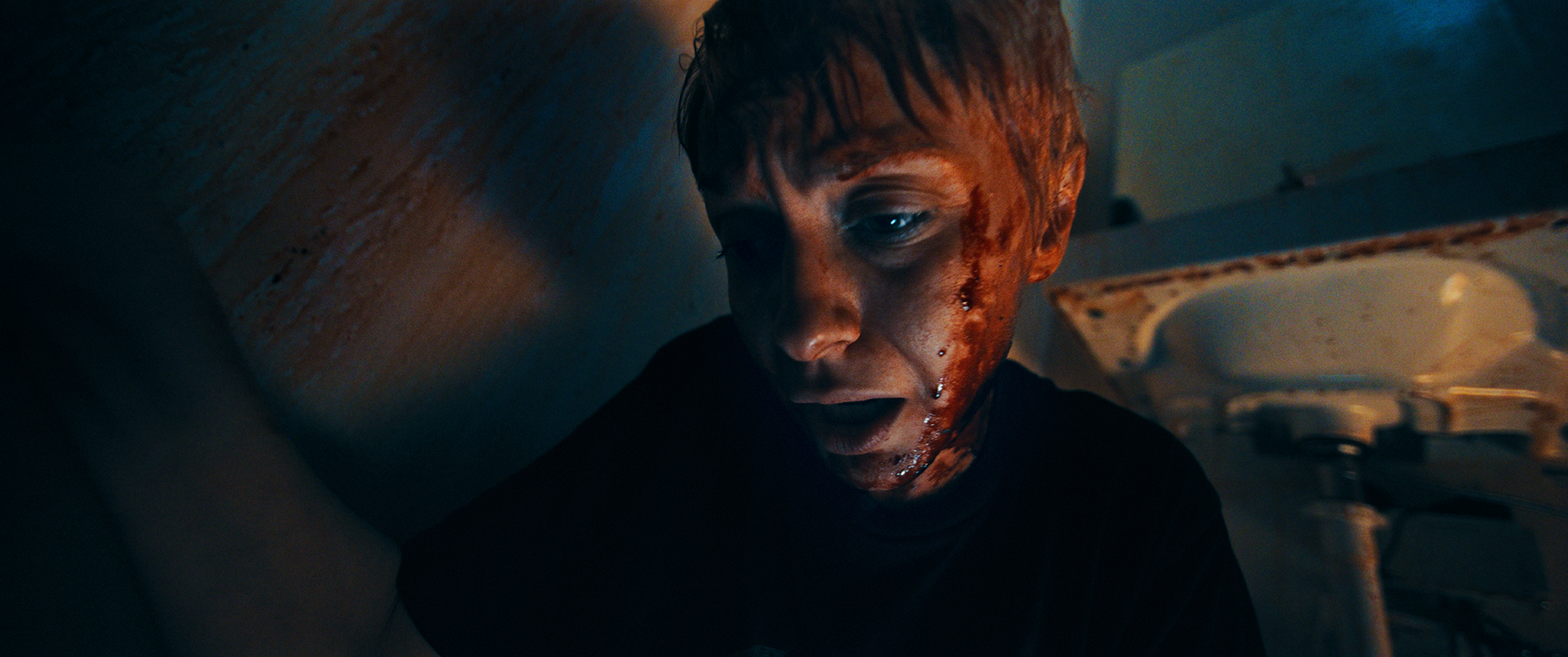
That trust is important because Human is not a film interested in playing it safe. Viewers have compared the movie to everything from Evil Dead II to David Lynch's work, but many of the inspirations behind the film are a little different than audiences might expect. While Stuertz acknowledged that films like Evil Dead II are so ingrained in his creative DNA that they likely influence his work subconsciously, he pointed to genre classics like Alien as a much more direct influence. Certain lighting setups and visual choices were intentionally designed to channel the atmosphere of Ridley Scott's science fiction horror masterpiece while operating with a much smaller independent budget.
Meanwhile, Kelly viewed the experience from a different perspective. Rather than drawing inspiration from specific films or performances, she explained that she was simply trying to exist within what she affectionately called "the Matt Stuertz universe," a place she described as a "weird gooey place." Anyone who has seen Human knows exactly what she means.

Perhaps what makes Human particularly notable within Stuertz's filmography is how personal it feels. While discussing his growth since films like Rewind and Tonight She Comes, he explained that those earlier projects often stemmed from wanting to make something entertaining or cool. With Human, his creative approach shifted. Instead of simply building a fun horror movie, he found himself writing something far closer to who he is as a person. As he put it, the film was essentially "writing myself as a movie," resulting in something significantly more personal and less surface-level than his previous work.
That willingness to push beyond comfort zones wasn't limited to the filmmaker. For Kelly, Human represented a major turning point as a performer. Known mostly for more grounded dramatic work, she viewed Dani as an opportunity to embrace a much bigger and more physical style of acting. The experience expanded her confidence as an actor because, as she explained, the role constantly forced her outside of her comfort zone. She credited Stuertz with having a unique ability to push her creatively every time they collaborate.
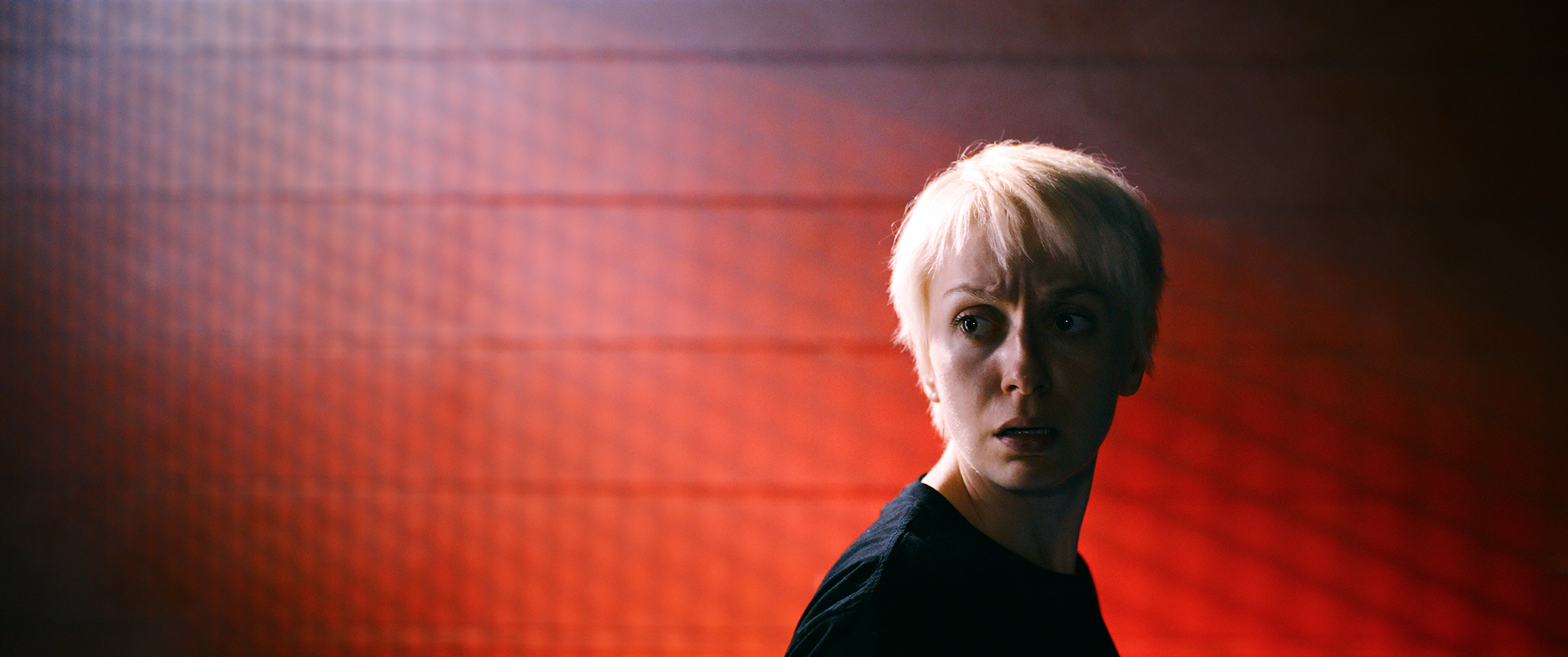
At the heart of the film lies a deceptively simple idea. Despite all of the blood, absurdity, humor, and horror, Human is ultimately interested in exploring what it means to be human. Stuertz hopes audiences embrace the entire emotional journey, experiencing fear, laughter, discomfort, and excitement along the way. He described wanting viewers to feel the "full spectrum" of emotions and simply enjoy the ride. Kelly echoed that sentiment, viewing the film as a reflection of the unpredictable and surreal nature of everyday human existence. She hopes audiences connect with that central idea just as strongly as she did.
Whether viewers walk away thinking about the practical effects, the supernatural chaos, the emotional themes, or simply trying to process what they just witnessed, one thing is certain: Human leaves an impression. After speaking with Matt Stuertz and Jackie Kelly, it's clear that impression didn't happen by accident. Their passion for storytelling, willingness to take risks, and commitment to creating something unique are visible in every frame.
The conversation may have been long overdue, but it was well worth the wait. And if Human is any indication of what's next for either of them, indie horror fans should get comfortable hearing both names a lot more often.
Jessie Hobson