
Talking with Larry Fessenden about Trauma or, Monsters All felt less like a traditional interview and more like sitting down with one of horror's great storytellers for a conversation about why the genre matters. It was thoughtful, funny, occasionally philosophical, and exactly the kind of discussion that reminds you why Fessenden has remained one of the most respected voices in independent horror for decades.
As the writer, director, producer, actor, and longtime champion of independent genre filmmaking, Fessenden has spent his career exploring what classic monsters can tell us about ourselves. With Trauma or, Monsters All, he brings together the vampire from Habit, the Frankenstein-inspired creation from Depraved, and the werewolf from Blackout into a single story that serves as both a culmination of those films and a reflection on the world around us.
When I mentioned that the film felt like a modern-day Universal Monsters crossover, Fessenden laughed and admitted that, in many ways, the project had been decades in the making. Looking back on his lifelong fascination with these creatures, he explained that his goal has never been simply to recreate classic monster stories but to make them feel real and relevant. As he put it, he has always been interested in showing "how pertinent these mythologies are," taking familiar horror icons and placing them into recognizable human situations.
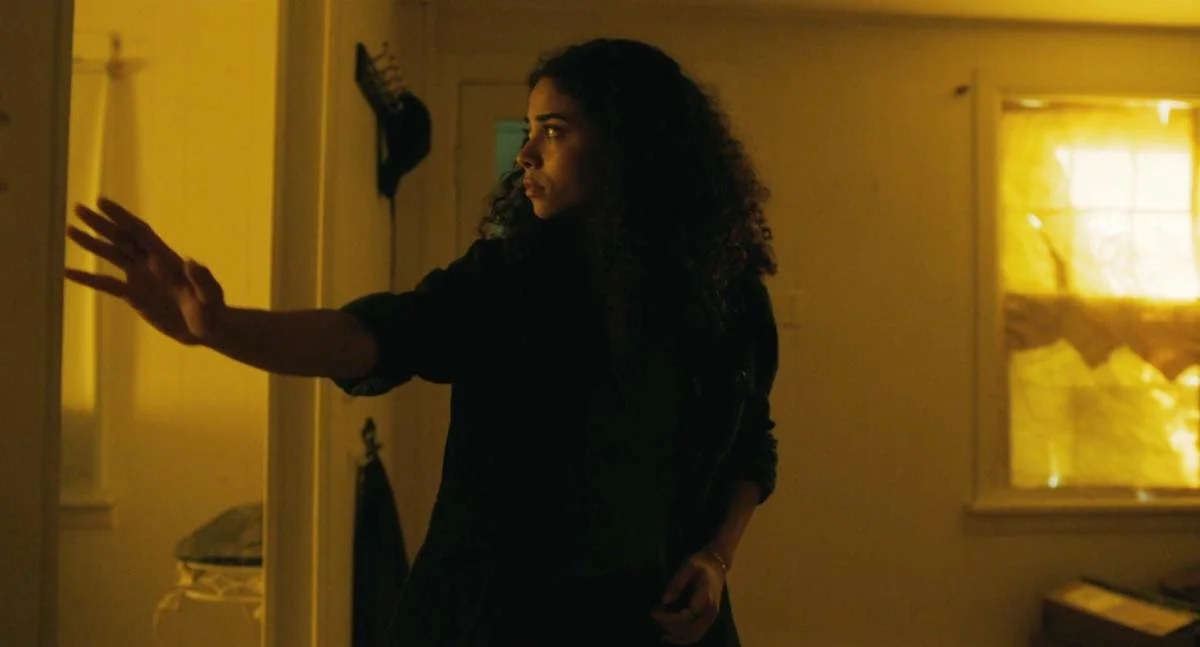
That approach is what gives Trauma or, Monsters All its unique identity. While the film certainly delivers vampires, werewolves, and Frankenstein's monster-like creations, the true focus is on the emotional scars people carry and the ways communities struggle to confront their pasts. The town of Talbot Falls is filled with long-buried secrets, and Fessenden was quick to point out that the story extends far beyond a single location. "It is about a town, and let's face it, it's about a nation," he said, explaining that people and communities alike must acknowledge their demons before they can move forward. "I don't think you have to wallow in your trauma, but you have to acknowledge it."
That idea sits at the heart of the film. Rather than treating trauma as a trendy buzzword, Fessenden examines how unresolved pain shapes individuals, relationships, and entire communities. The monsters become manifestations of those struggles, allowing him to explore larger social issues through the lens of horror. He noted that a werewolf is, in many ways, a divided personality, an observation he connected to the divisions currently shaping society. The monsters may be fantastical, but the fears driving them are very real.
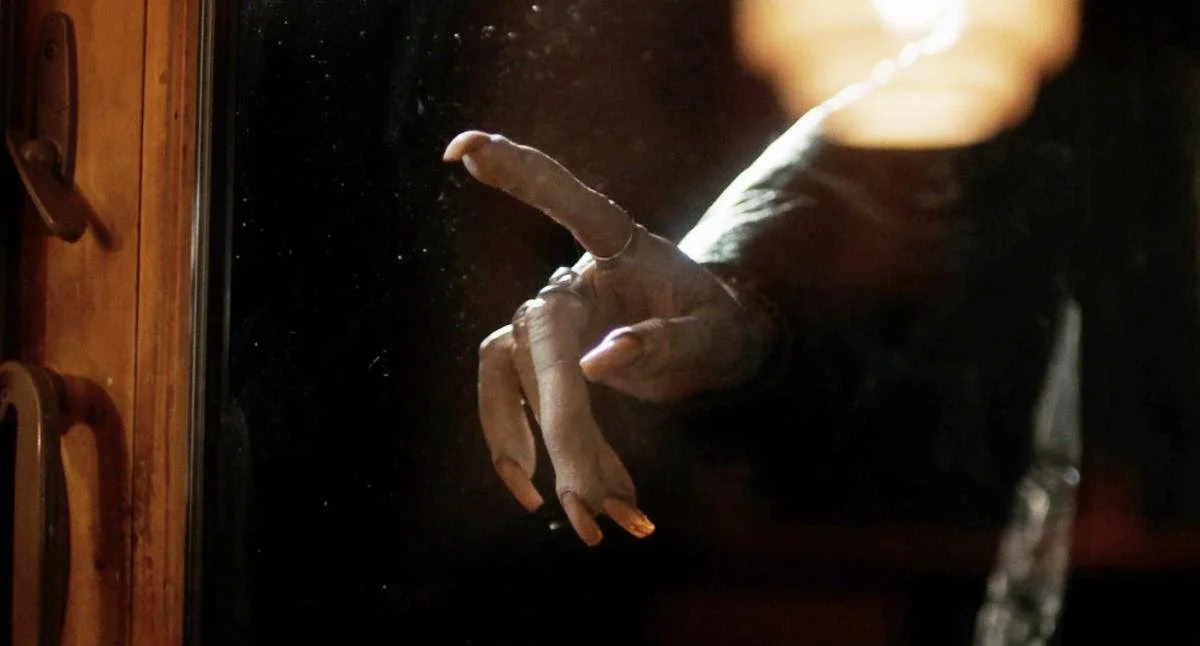
One of the most fascinating parts of our conversation centered on loneliness and isolation. Fessenden spoke candidly about how difficult genuine connection has become and how quickly people retreat into defensiveness. Describing the tensions that emerge throughout the film, he observed that people often feel accused, withdraw from one another, and fall back on prejudice or assumptions. Ultimately, he said, the movie is "a call for opening up our hearts to each other," even if the film's characters don't always succeed in doing so.
That humanistic perspective has always distinguished Fessenden's work. For all the bloodshed, supernatural mythology, and practical creature effects, his films consistently return to questions of empathy, identity, and understanding. Asked whether he would consider it a success if audiences left Trauma or, Monsters All thinking less about the monsters and more about their own fears, wounds, or anger, his answer came without hesitation. He explained that his love of horror ultimately comes from a desire to express "a sort of humanism," adding that the film is built around the idea that everyone carries trauma and struggles of their own. Despite his often pessimistic view of human nature, he still believes there are "pathways to some kind of redemption."
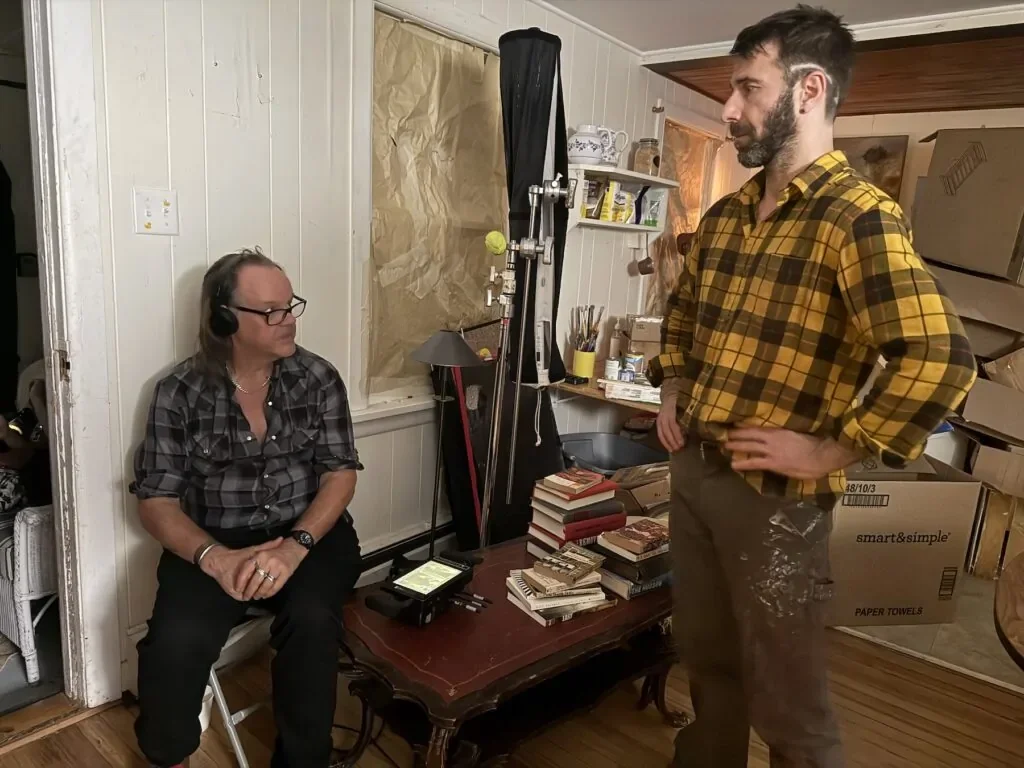
For longtime fans, another major attraction of Trauma or, Monsters All is seeing these characters finally collide. While Hollywood has famously struggled to launch a successful shared universe built around classic monsters, Fessenden accomplished it on an independent scale. Unsurprisingly, he has some strong opinions about why that happened. During our discussion, he argued that large studios frequently misunderstand what makes these creatures resonate with audiences in the first place, focusing on spectacle rather than meaning. His own films, by contrast, have always started with simple but compelling questions: What would it actually be like if vampires existed? What would happen if you woke up as Frankenstein's monster? What would being a werewolf really feel like?
The result is a crossover that feels deeply personal rather than corporate. Fessenden revealed that what interested him most this time was shifting perspectives, allowing a new character to observe these familiar figures and question who they really are. That approach transformed the film into something larger, an exploration of how people define one another and the consequences that follow when those labels become more important than understanding. The film's fascination with identity reflects many of the same social questions dominating contemporary life, giving the story a surprising emotional weight beneath its genre trappings.
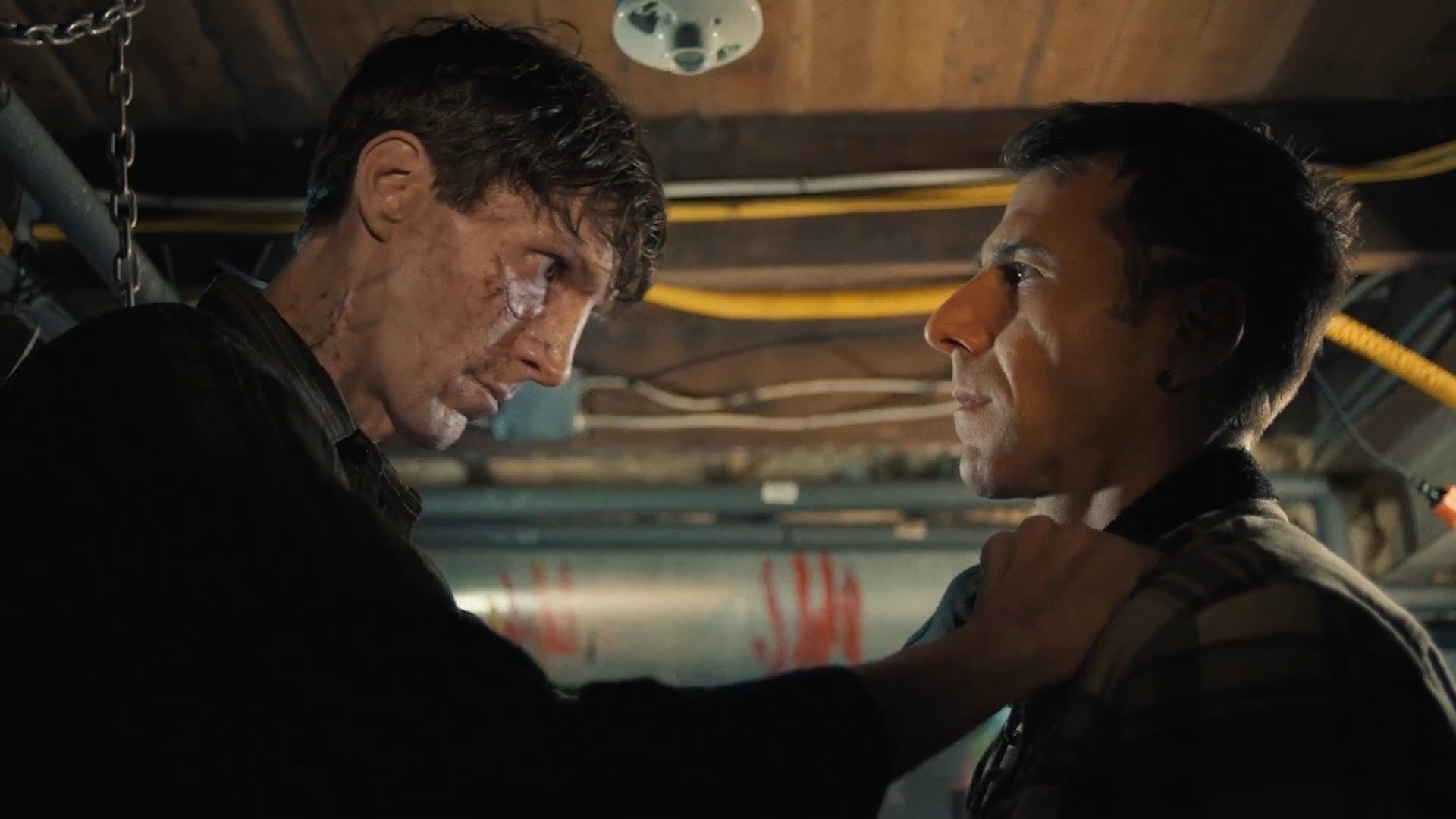
What struck me most throughout the conversation was how much passion Fessenden still has for horror itself. Beyond discussing his own work, we spent time simply talking about monster movies, Universal icons, modern reinterpretations, and what works and what doesn't. It felt like talking to a fan as much as a filmmaker, someone who genuinely loves the genre and has devoted his life to exploring its possibilities. For someone often referred to as a legend of independent horror, there's still a refreshing enthusiasm whenever he talks about the movies that inspired him.
By the end of our discussion, I asked a simple question: after decades of exploring monsters, was he more optimistic about humanity than when he started? His response perfectly encapsulated both the film and his outlook. While acknowledging the darkness that surrounds us, Fessenden emphasized the importance of empathy, kindness, and the active work required to be a better person. Reflecting on the themes of Trauma or, Monsters All, he described himself as "a disappointed optimist," a phrase that feels remarkably fitting for both the man and the movie.
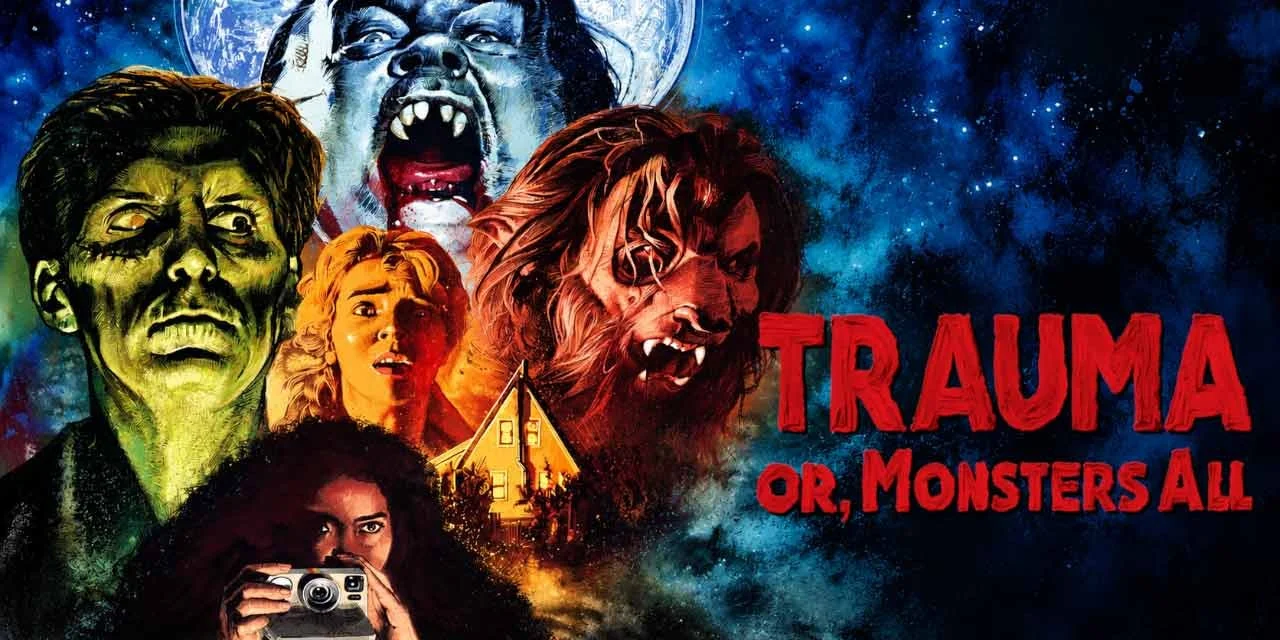
Trauma or, Monsters All may feature vampires, werewolves, and Frankenstein's monster, but beneath the practical effects and supernatural mythology is a filmmaker still searching for ways to bring people together. In a genre often focused on fear, Larry Fessenden continues to make horror films about understanding.
And after spending time talking movies with him, it's easy to understand why generations of horror fans and filmmakers continue to admire his work. The monsters may keep changing, but Larry Fessenden's belief in the power of storytelling remains wonderfully intact.
Jessie Hobson