
One of the best parts of covering independent film is the opportunity to sit down with the talented people behind projects that stick with you. That was certainly the case when I spoke with Kaylee McGregor, Joey Bader, and Oliver Woolf, the stars of Littermates. Having already seen the film and watched it connect with audiences following its run at Fantastic Fest, it was a pleasure to hear directly from the actors about the characters they brought to life and the friendships that helped make the film feel so authentic.
What struck me most during our conversation was just how different all three actors are from their on-screen counterparts. Watching Littermates, it's easy to get lost in Mel, Liam, and Chester as real people. Spending time with the actors behind those performances only reinforced how impressive their work truly is. Each brings a completely different energy in person than the character they portray, a testament to the depth of their performances and their ability to disappear into the film's unusual world. It also made for a genuinely fun conversation, filled with laughs, stories from production, and insights into the collaborative spirit that shaped the project.
For McGregor, connecting with Mel started with the character's journey of self-discovery. While discussing what initially attracted her to the role, she reflected on the excitement Mel experiences as she begins figuring out who she is outside the world she's always known. McGregor pointed to a sequence involving the characters exploring clothing and personal belongings, explaining that she connected with Mel's fascination with discovering personal preferences and identity. It was, in many ways, a coming-of-age story wrapped inside the film's larger dystopian setting, and that personal growth became one of the character's most relatable qualities.
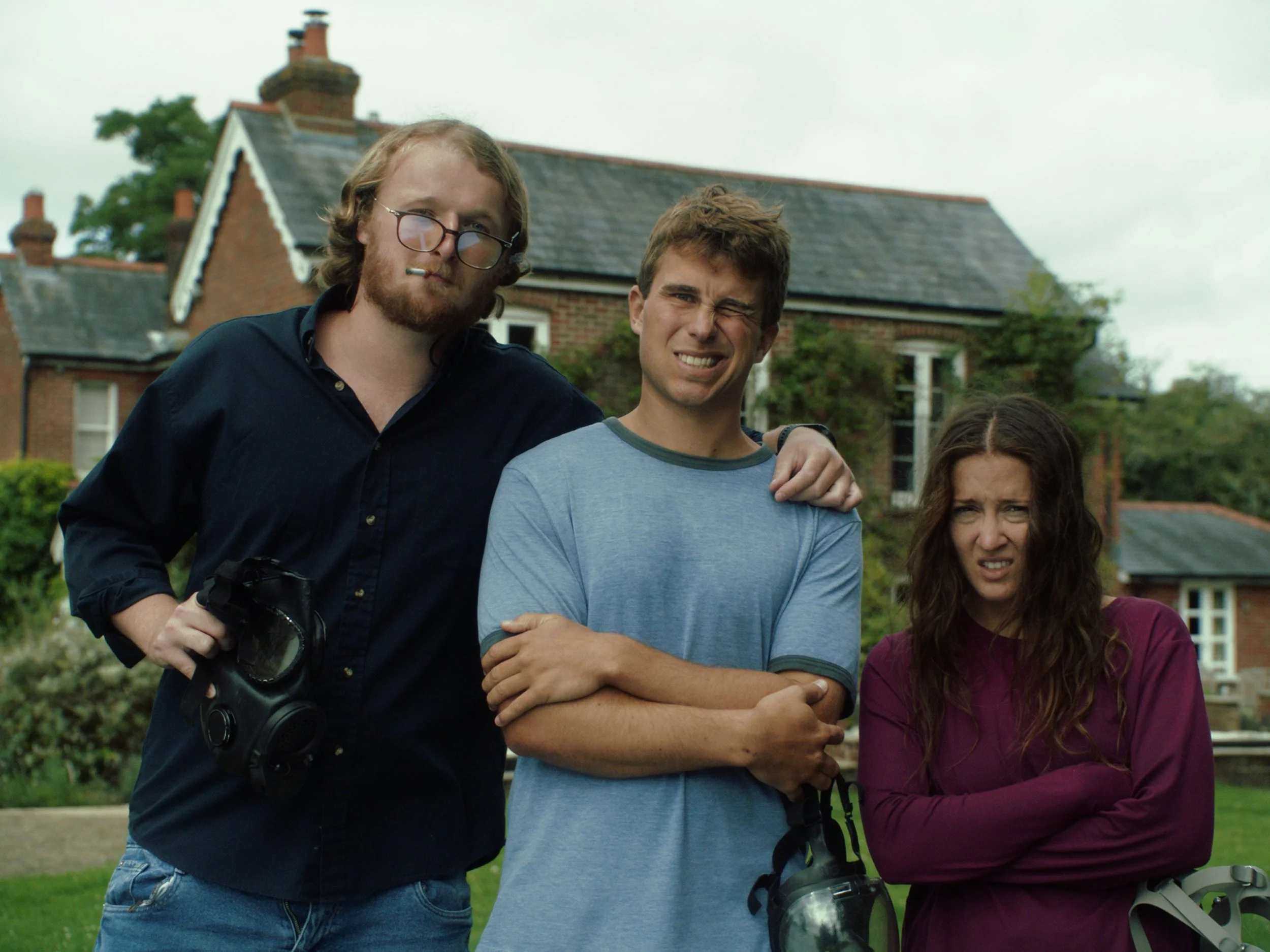
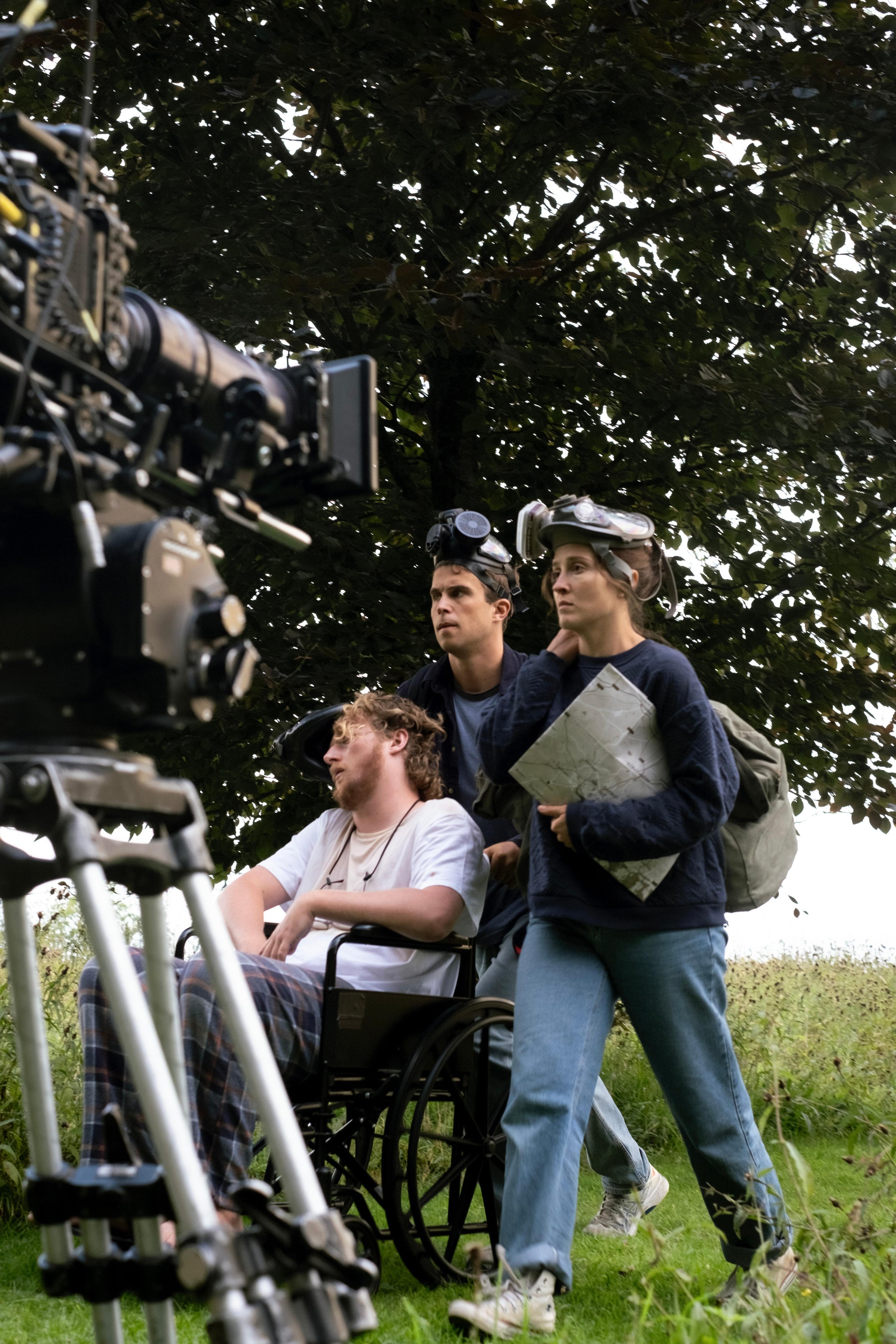
By contrast, Bader's Liam spends much of the story struggling to keep his footing as the world around him begins to change. Looking back on the role, Bader joked that Liam seems to spend nearly the entire film stressed, overwhelmed, or on the verge of panic. What made the experience unique, however, was the contrast between the emotional intensity required for the character and the peaceful English countryside where production took place. Bader recalled mornings surrounded by rolling hills and fog-covered landscapes before immediately stepping into scenes where Liam's anxiety was turned all the way up. That contrast helped shape a performance that feels both emotionally raw and deeply human.
Then there's Chester, perhaps the film's most intriguing and hotly debated character. Woolf approached the role not as a villain but as someone motivated by love, protection, and responsibility. During our discussion, he explained that he viewed Chester primarily as a father figure who genuinely believes he is doing what's best for his family, regardless of whether others agree with his methods. Preparing for the role even led to a memorable exchange with directors Scott Tinkham and Michael Woloson. Hoping for insight into the character, Woolf asked who they would cast as Chester if they had an unlimited budget. Tinkham's immediate answer was Willem Dafoe. While Woolf admitted the comparison wasn't exactly practical acting advice, it certainly provided a memorable starting point for developing the role.
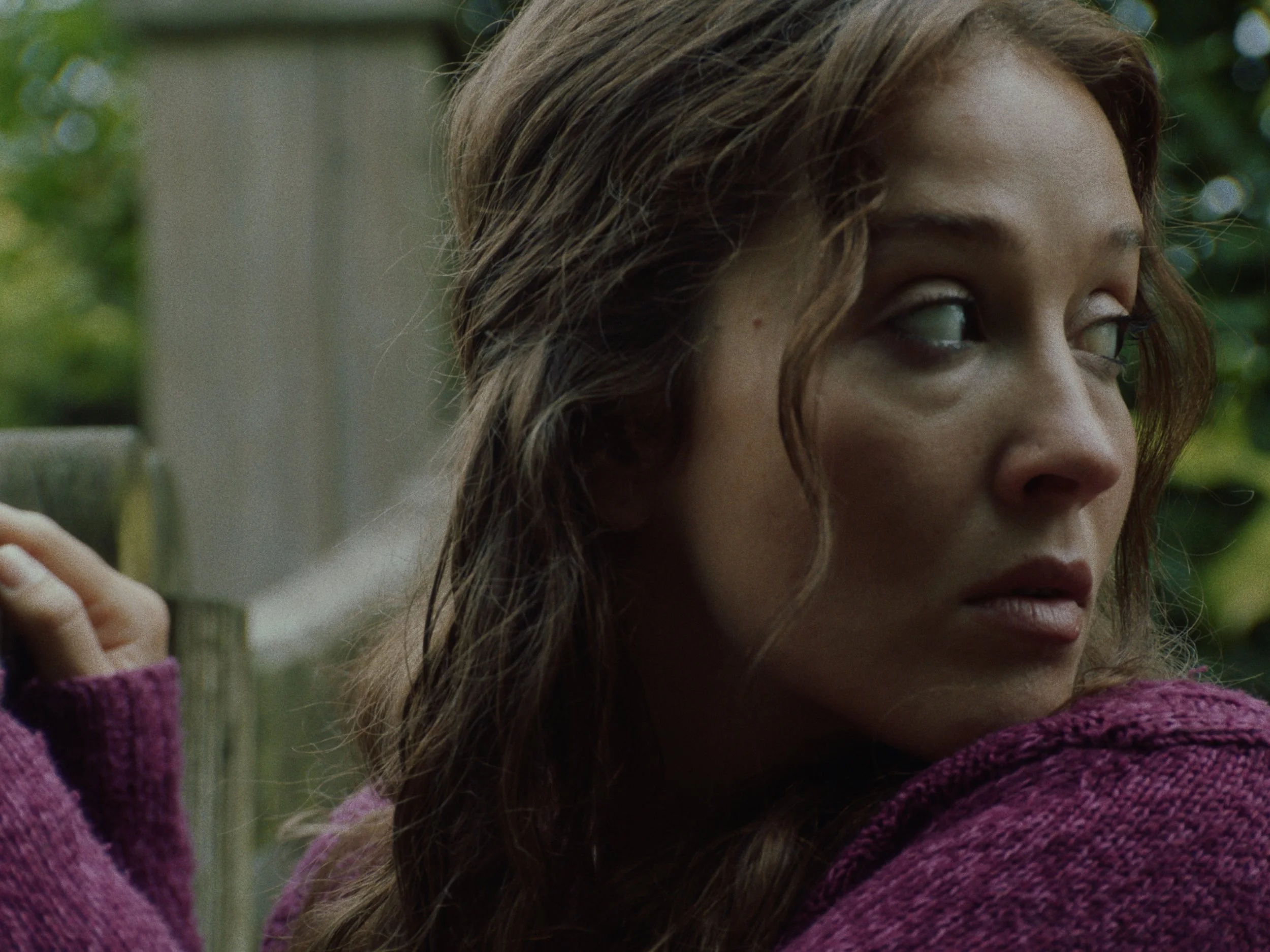
The authenticity of the family dynamic seen on screen stems largely from friendships that already existed long before cameras started rolling. McGregor revealed that she and Bader have been friends since 2017 and had developed a relationship that naturally resembled that of siblings. Drawing from their own family experiences while building on years of friendship allowed them to create a believable connection between Mel and Liam. That familiarity is evident throughout the film and gives the emotional moments a level of sincerity that cannot be manufactured.
Bader credited much of the film's success to the trust shared among the cast and crew. Because everyone involved knew each other so well, communication became almost second nature. He recalled instances where directors would begin giving him a note, only for him to already understand exactly what adjustment they were asking for. That shorthand created an environment where performers felt comfortable taking risks and exploring their characters. For Liam, that often meant relying on body language, expressions, and physical movement rather than words alone to communicate the emotional turmoil simmering beneath the surface.
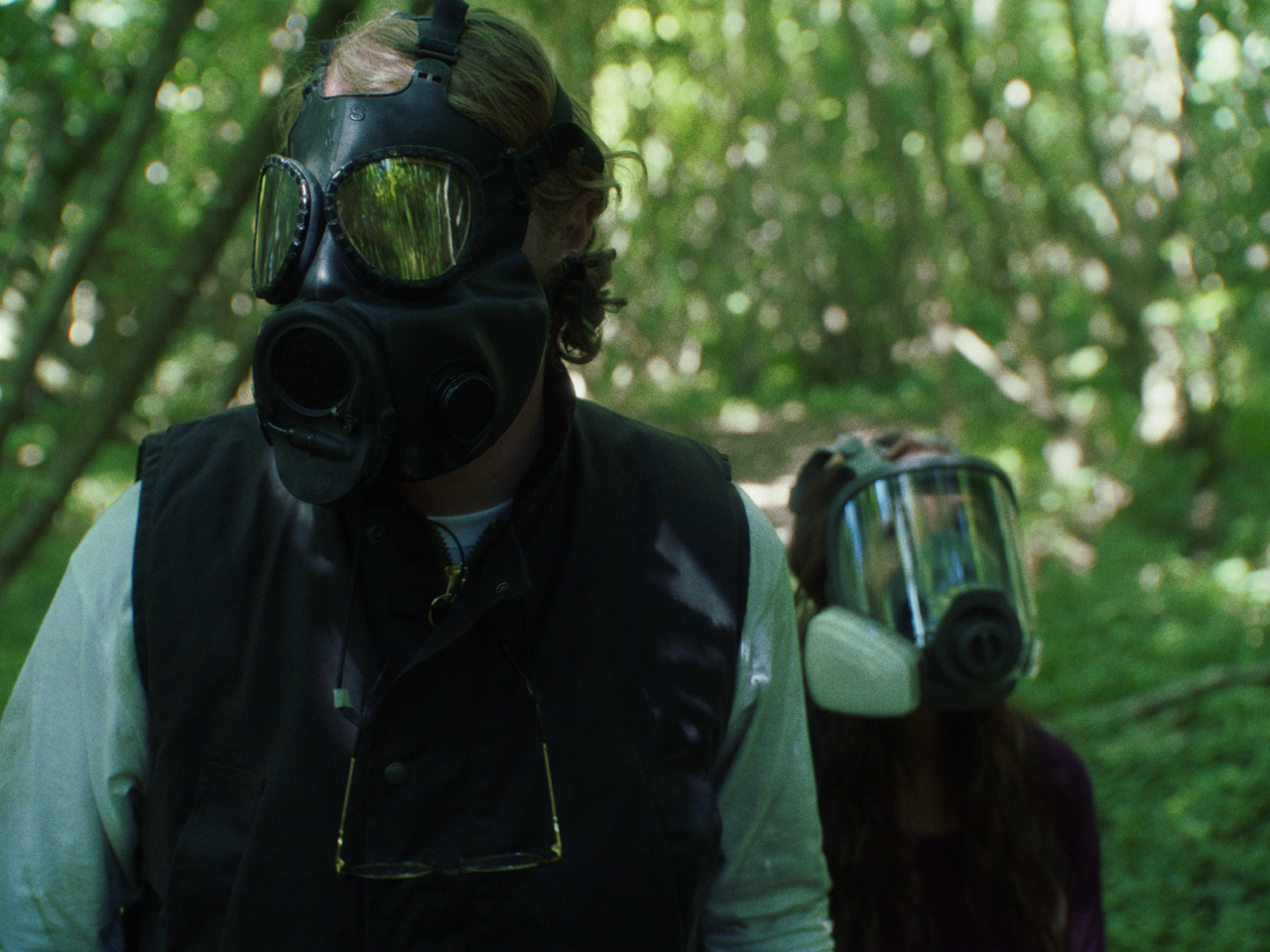
The close friendships among the cast also led to some unforgettable moments behind the scenes. Woolf admitted that one of the biggest challenges during filming wasn't handling the dramatic scenes but avoiding laughter. According to him, the blooper reel could easily run close to half an hour because the cast constantly found themselves breaking character. One scene involving Chester putting Liam to bed became particularly memorable because everyone struggled to keep a straight face long enough to make it through the take. Even now, Woolf said he sometimes watches certain moments in the finished film and immediately remembers the laughter that followed once the cameras stopped rolling.
Part of what makes the performances feel so natural is the freedom the actors had to discover aspects of their characters throughout production. Woolf explained that while the directors provided some insight into Chester's history, they intentionally left parts of the character open to interpretation, allowing him to fill in the gaps himself. McGregor experienced a similar creative freedom with Mel. Because the cast lived together at the cottage during filming, they were immersed in the world of the film around the clock. As she continued exploring the character, McGregor found herself suggesting small additions that felt true to Mel's evolving sense of curiosity, including moments that further emphasized her discovery of individuality and self-expression.
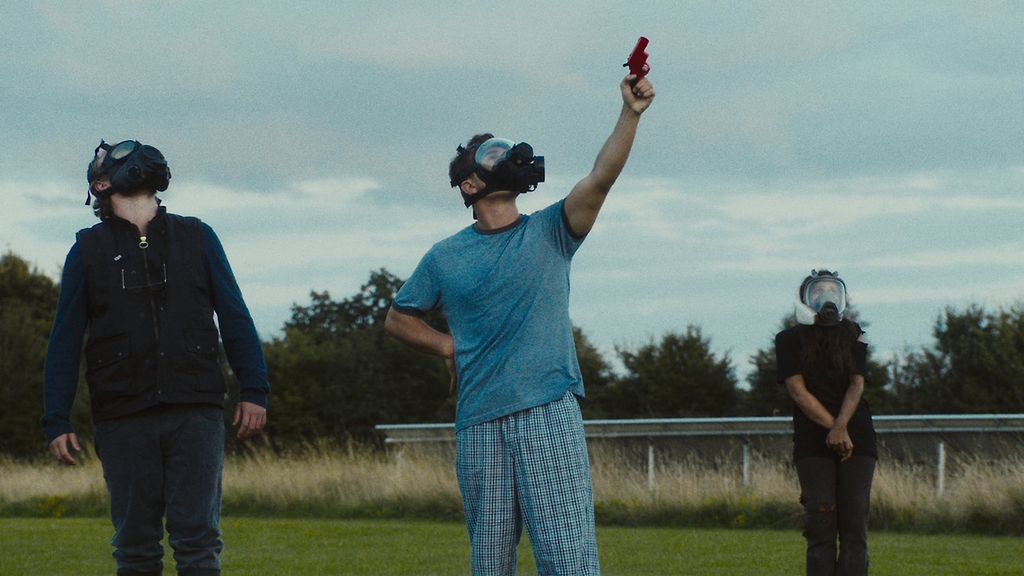
As the conversation turned toward what they hope audiences take away from Littermates, all three actors emphasized the importance of enjoyment. Bader spoke about wanting viewers to have fun while also appreciating how the characters evolve throughout the story. He encouraged audiences to pay close attention to the details because many moments reveal additional layers as the narrative unfolds.
McGregor shared a similar perspective, describing the film as both entertaining and surprisingly emotional. While she hopes audiences enjoy the film's absurdity and unique sense of humor, she also believes the story encourages reflection on personal relationships, particularly those shared with family members and close friends. Beneath all of the strange situations and dark comedy is a story about connection, growth, and the people who shape our lives.
Woolf perhaps summed up the film's appeal best when he reflected on audience reactions. After hearing that the film had not only entertained viewers but also prompted them to think about their own relationships, he noted that this balance of fun and emotional resonance was exactly what he hoped people would experience. At the same time, he expressed pride in the fact that Littermates serves as a reminder that meaningful stories don't require enormous budgets or massive productions. Sometimes all it takes is a talented group of friends coming together with a shared creative vision and the determination to bring it to life.
After speaking with Kaylee McGregor, Joey Bader, and Oliver Woolf, one thing became abundantly clear: the authenticity audiences feel in Littermates is no accident. It's the product of genuine friendships, talented performers, and a creative environment built on trust and collaboration. Perhaps what impressed me most was seeing how completely different all three actors are from the characters they portray. Watching the film, it's easy to believe Mel, Liam, and Chester are real people. Meeting the actors behind those performances only reinforced how accomplished their work truly is. They disappear into these roles so completely that you forget you're watching performances at all.
The conversation itself was every bit as enjoyable as the film. Funny, thoughtful, and filled with the same warmth that makes Littermates work so well, it offered a glimpse into the friendships and creative trust that helped shape the project. Long after seeing the film, those qualities remain one of its greatest strengths, and it's clear that the chemistry audiences connect with on screen begins with the people who brought it to life.
Jessie Hobson