
Few fantasy worlds feel as rich, lived-in, and lovingly crafted as Wildwood. Long before it became the latest feature from LAIKA, the story began as a novel by Colin Meloy, brought vividly to life through the illustrations of Carson Ellis. Together, they created a world inspired by Portland, Oregon, where the familiar gives way to the fantastical and where themes of courage, loss, friendship, and wonder resonate with readers of all ages.
Having the opportunity to speak with Meloy and Ellis was a genuine pleasure. The conversation was relaxed, funny, and insightful, offering a glimpse into the creative partnership behind one of modern fantasy's most beloved worlds. On a personal level, it was especially rewarding to talk with Meloy. Like many fans, I remember buying albums from The Decemberists during high school, making this discussion feel uniquely meaningful.
The road from novel to feature film has been anything but short. For nearly two decades, Travis Knight remained committed to adapting Wildwood, a project many believed would be extraordinarily difficult to achieve in stop-motion animation. Looking back on that process, Ellis explained that she and Meloy had been "kind of in the mix with LAIKA for 16 years," giving them a front-row seat to the studio's long journey toward bringing the story to life. What stood out most to her was witnessing "this incredible long journey watching the people at LAIKA turn it into a movie."
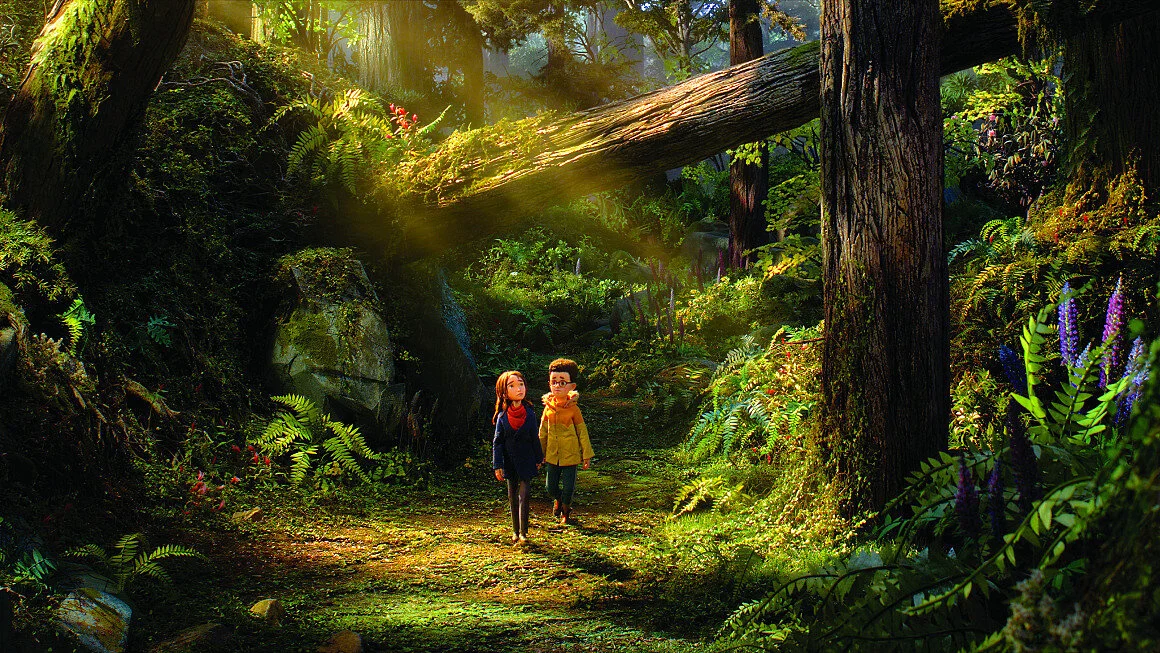
That commitment sometimes felt almost unbelievable. Meloy recalled conversations over the years in which Knight would explain that entirely new technological developments were still needed before Wildwood could become a reality. Looking back now, Meloy laughed about Knight's almost "monomaniacal" determination to bring the book to the screen. What once seemed like an impossible mission gradually became a reality, and that level of dedication ultimately helped transform Wildwood into the film audiences will finally see on the big screen.
For Ellis, one of the most remarkable aspects of the adaptation was watching a world that had existed primarily in her imagination and illustrations become something tangible. While she noted that the filmmakers naturally developed their own visual language, seeing artists physically construct the environments, characters, and details of Wildwood was unlike anything she had experienced before.
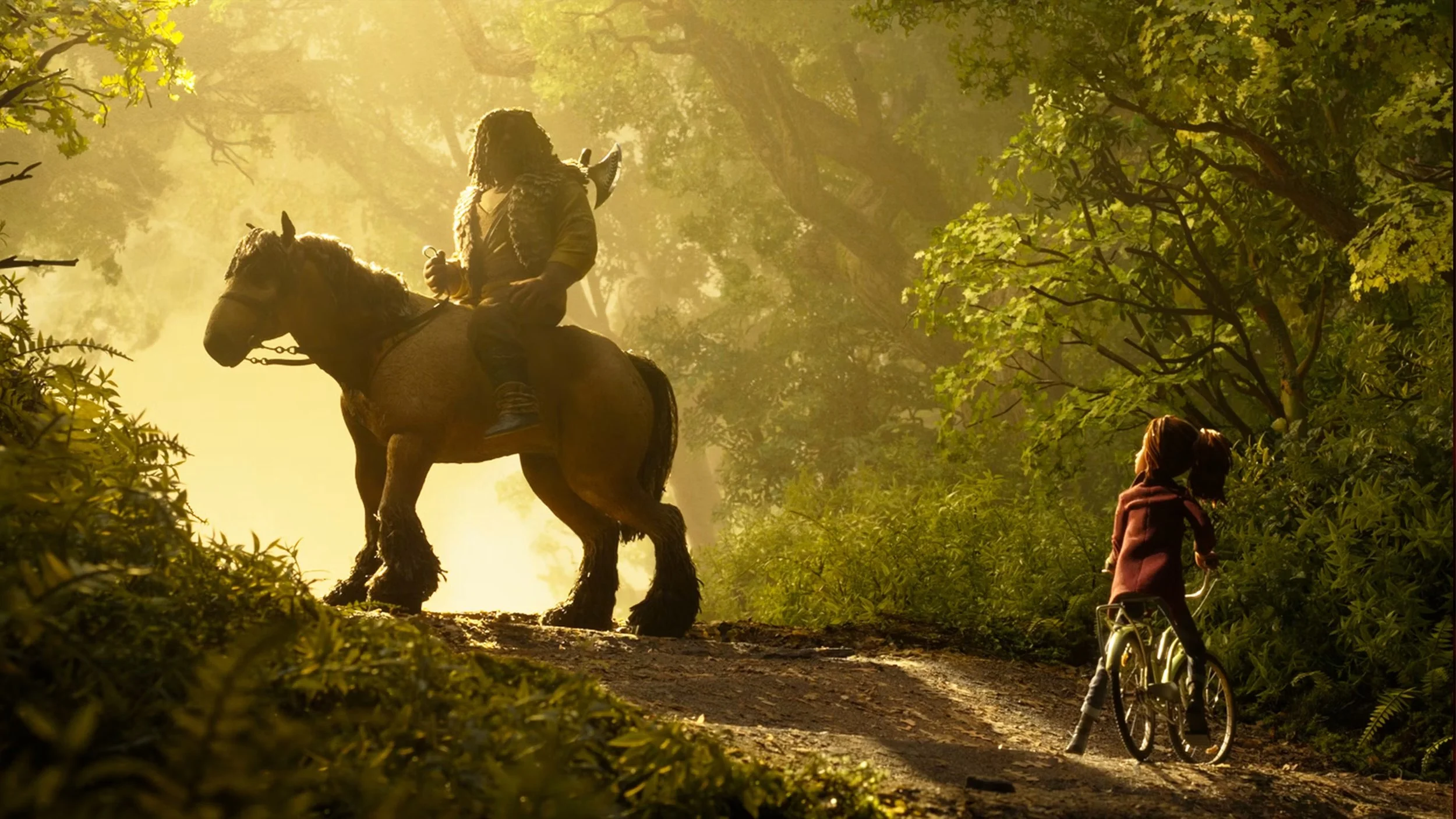
She described the experience as "kind of a profound experience," marveling at the effort of "all of these brilliant, creative, dedicated craftspeople and artists" who built the world piece by piece before animating it. Watching hundreds of artists transform drawings and descriptions into physical sets and characters was, as she put it, "profoundly cool."
Meloy was equally impressed by the scope of what the adaptation accomplished. One sequence in particular stood out to him: the film's large-scale climactic battle. In a novel, readers supply much of the imagination necessary to make those moments feel epic. The film, however, gave audiences the chance to see those ideas fully realized. Meloy appreciated that Knight recognized the importance of the sequence and treated it as "a pivotal and important pillar of the film," resulting in a payoff that exceeded even his own expectations.
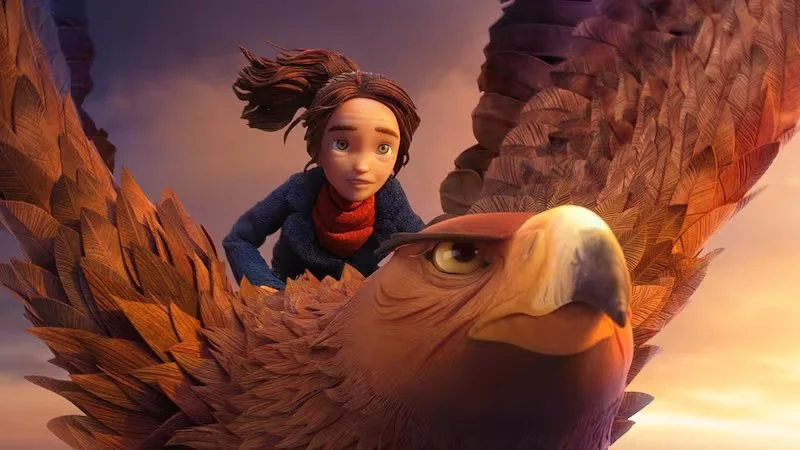
Ellis found herself especially delighted by some of the film's additions and expansions. She pointed to an elaborate chase sequence through Pittock Mansion as an example of something that works beautifully on screen, even if it never would have existed in quite the same form within the pages of the novel. The adaptation created opportunities for moments that are bigger, faster, and more cinematic while remaining faithful to the spirit of the source material.
As our conversation continued, a recurring theme emerged: admiration for craftsmanship. Meloy spoke with genuine appreciation for the painstaking work that goes into stop-motion filmmaking. One of the most inspiring aspects of the production, he explained, was seeing just how many people contributed their talents to the final result. Unlike writing a book, which is often a solitary endeavor, filmmaking is profoundly collaborative. Looking at the finished movie, he sees "the output of what a community can make," the product of a creative "small army" working toward a shared vision.
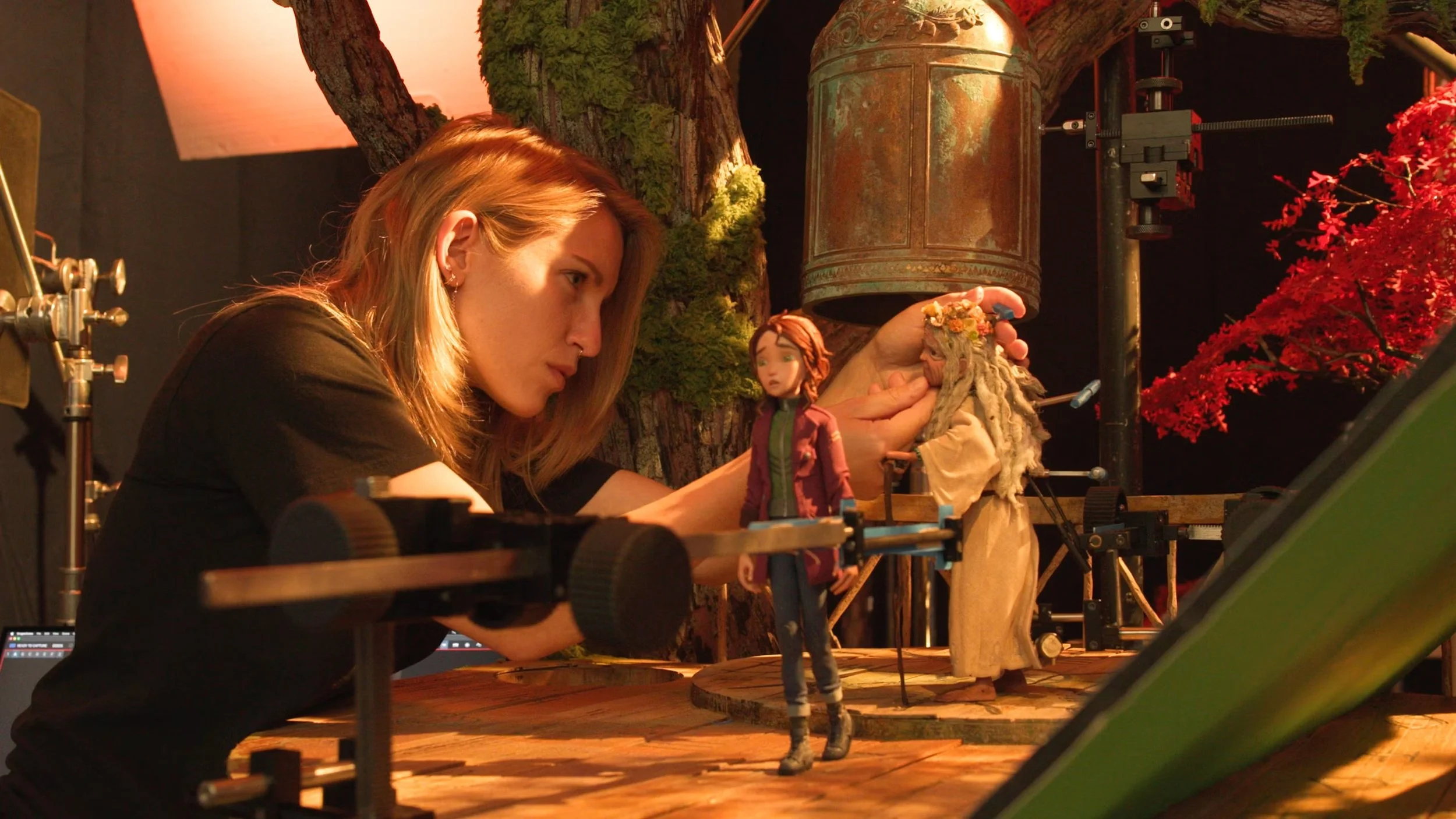
That respect for process is something Ellis immediately connected with. Describing herself as "an absurdly painstaking illustrator," she admitted that she often spends far longer on drawings than practicality would dictate simply because she loves the work itself. In many ways, she sees stop-motion animation as a kindred art form, one built around what she called an "arduous beautiful" dedication to craft, patience, and detail.
Meloy echoed that sentiment from a writer's perspective. He compared creating a novel to moving a pile of bricks across a yard one brick at a time. The progress can feel almost invisible in the moment, but eventually the work accumulates into something substantial. Watching stop-motion animators create only a few seconds of footage over the course of an entire week, he said, takes that same philosophy to an entirely different level. Success depends on trusting the process and believing that all of those tiny efforts will eventually become something extraordinary.
Perhaps that shared appreciation for craftsmanship is what makes Wildwood feel so perfectly suited for LAIKA. Both the novel and the film are products of patience, imagination, and dedication. Whether it is Meloy carefully constructing a story, Ellis meticulously creating an illustration, or an animator moving a puppet by fractions of an inch, each contribution reflects a commitment to artistry that values the journey as much as the destination.
After speaking with Colin Meloy and Carson Ellis, it became clear why Wildwood has endured for so many years and why audiences continue to connect with it. The story's heart remains rooted in the creativity and passion of its creators, even as it expands into new forms and reaches new audiences. As someone who grew up listening to The Decemberists and now had the opportunity to speak with the creative team behind one of fantasy's most imaginative worlds, the conversation felt especially rewarding. More importantly, it reinforced what makes Wildwood so special. At its core, this is a story built by people who genuinely love creating, whether through words, illustrations, or animation. For longtime readers, fans of LAIKA, and newcomers discovering the world for the first time, Wildwood stands as a reminder that the most magical places often begin with a simple idea, a sketch on paper, and the determination to bring both to life.
Jessie Hobson