
There is no shortage of demon-hunting anime these days, which makes it difficult for a new series to stand out. At first glance, Sword of the Demon Hunter feels familiar. In fact, fans of Demon Slayer will likely recognize many of the themes right away, from its focus on family bonds and tragedy to its relentless clashes between humans and supernatural monsters. Yet while the setup may seem familiar, this historical fantasy adventure ultimately carves out its own identity through its darker tone, sprawling timeline, and old-school samurai storytelling.
Based on the novels by Moto'o Nakanishi and brought to the screen by Yokohama Animation Laboratory under the direction of Kazuya Aiura, the 24-episode series follows Jinta, a young guardian tasked with protecting his village and its shrine maiden. After a devastating encounter with a powerful demon and a shocking betrayal that tears his family apart, Jinta embarks on a centuries-spanning quest for justice, redemption, and answers.
One of the show's greatest strengths is its atmosphere. There's a strong sense of classic samurai and ninja anime woven throughout the series. Rather than relying solely on flashy battles, Sword of the Demon Hunter embraces folklore, tragedy, and supernatural mystery to create a world that feels steeped in Japanese legend. The result is something that often feels refreshingly old-school while still maintaining the polished presentation modern anime audiences expect.
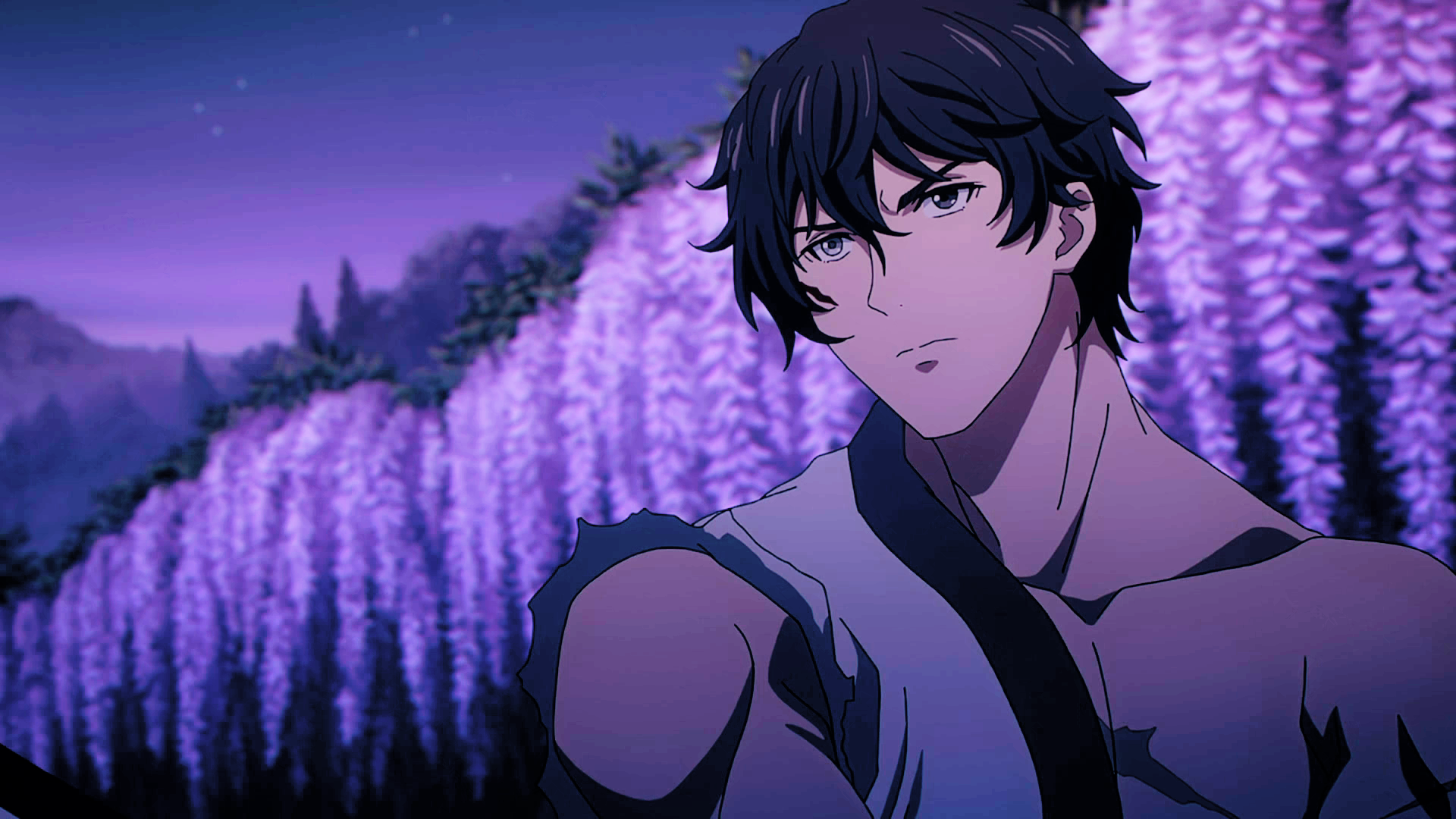
That presentation is impressive. The animation is consistently attractive, with beautifully rendered environments and some genuinely striking creature designs. The demons themselves are especially memorable, ranging from eerie and unsettling to visually spectacular. Whether the series is delivering intimate character moments or unleashing supernatural chaos, the visuals help elevate the material.
For viewers coming from Demon Slayer, the comparisons are unavoidable. Both series center on a protagonist driven by family tragedy, both feature unforgettable demon encounters, and both explore the emotional consequences of loss and duty. The difference is that Sword of the Demon Hunter often takes a more mature and reflective approach. The pacing can be more deliberate, and the story leans heavily into themes of destiny, revenge, and the passage of time. Rather than simply serving as another imitation, it feels more like a companion piece aimed at viewers looking for something darker and more somber.
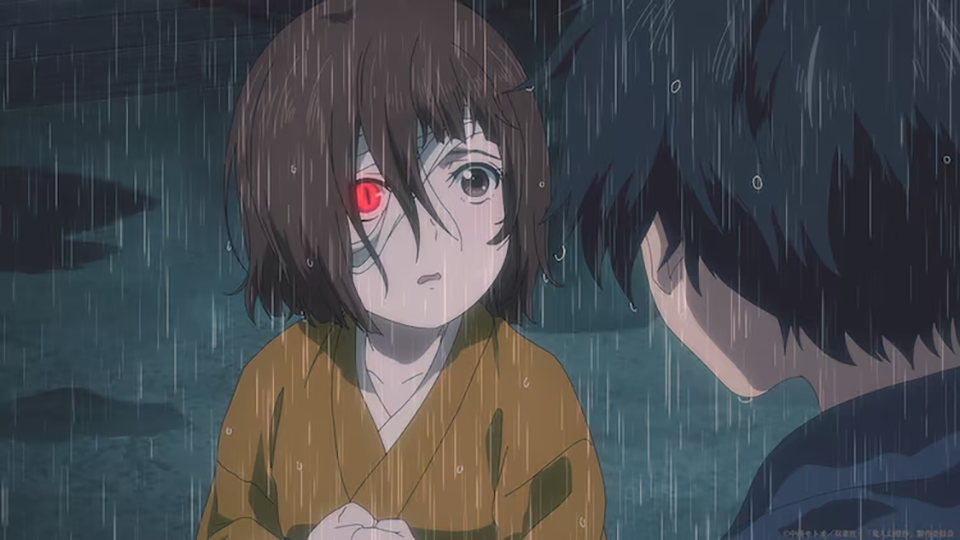
That's not to say the series is perfect. The familiar setup may initially make some viewers feel like they've seen this story before, and the large scope of its narrative occasionally demands patience as the series establishes its mythology. Still, for those willing to invest in its long-form storytelling, there is plenty to appreciate beneath the surface similarities.
The Blu-ray release includes all 24 episodes across two discs, presented in both the original Japanese language with English subtitles and an English dub. Bonus features include clean opening and closing animations along with Japanese promotional materials.
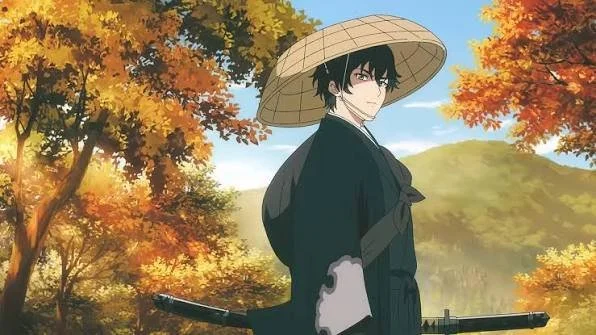
In the end, Sword of the Demon Hunter may not reinvent the genre, but it doesn't have to. Its blend of supernatural action, historical drama, family tragedy, and beautifully animated demon encounters makes it an easy recommendation for anime fans. If you've been searching for something that scratches the same itch as Demon Slayer while offering a more mature, samurai-inspired flavor, this is a journey worth taking.
Jessie Hobson