
For many viewers, Michael McDonald will always be associated with comedy. Whether it was his unforgettable work on MADtv, scene-stealing television appearances, or countless comedic performances over the years, he's spent decades making audiences laugh. That's what makes his appearance as David Pepperdine in Portal to Hell such an interesting turn. While the film embraces horror-comedy, Pepperdine exists in a much darker corner of the story, bringing consequences, tension, and a memorable presence that lingers long after his scenes end.
Speaking with McDonald was a genuine highlight. As someone who grew up watching MADtv, there was an undeniable thrill in finally getting the opportunity to sit down with someone whose work had been part of my life for so many years. Fortunately, McDonald was every bit as engaging and thoughtful as you would hope, making for a conversation that was equal parts insightful and entertaining.
While audiences may think of him primarily as a comedian, McDonald was quick to point out that horror has always been part of his creative DNA. Reflecting on his career, he explained that he "actually started in horror really," citing his early work in Roger Corman productions and noting that he's remained a fan of the genre throughout his career. Far from viewing horror and comedy as opposites, McDonald sees them as closely connected disciplines, describing them as being only "a little side step" away from one another. That perspective makes perfect sense when watching Portal to Hell, a film that relies on both genres working in harmony to tell its story.
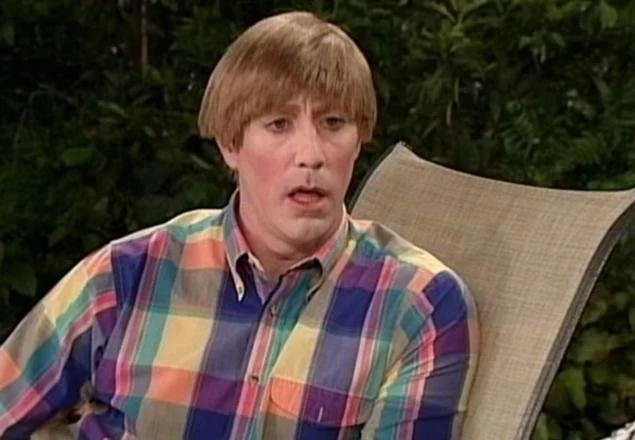
David Pepperdine may not be a traditionally comedic character, but McDonald found humor in the role nonetheless. He explained that while the character himself isn't funny, there is something "horrifically funny" about the way the film's writing and direction present him. It's a subtle distinction, but an important one. The laughs don't come from Pepperdine cracking jokes; they emerge from the bizarre, unsettling circumstances surrounding him and the world Woody Bess has created.
That confidence in the material was apparent from the moment he read the script. Rather than spending extensive time developing the character through long creative discussions, McDonald felt the role was immediately clear. Working within the realities of an independent production meant there wasn't time for countless rehearsals and conversations, but that proved unnecessary. As he recalled, "it just felt like we I knew what to do and they knew what to do with me," resulting in a performance that came together naturally.
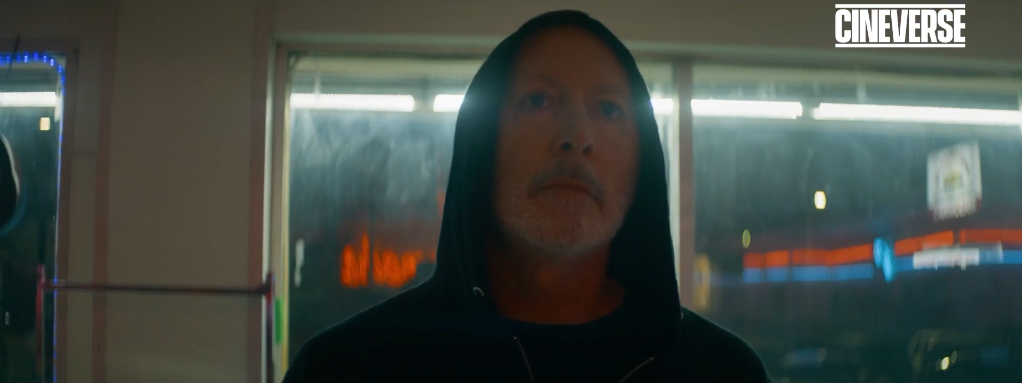
A large part of why Portal to Hell succeeds, according to McDonald, comes down to its foundation. He pointed to Trey Holland's lead performance as essential, describing the protagonist as a "very sympathetic lead character" whose emotional journey keeps audiences invested even as the story ventures into increasingly supernatural territory. He also praised the film's premise, its casting, and the blend of comedy and horror brought to life by performers such as Richard Kind. In McDonald's view, the combination of a strong script, effective casting, and a relatable central character forms the "secret sauce" that makes the film work.
One of the most interesting parts of our conversation centered on how McDonald chooses his projects. Given his long career and the wide variety of roles he's played, I was curious whether he actively seeks out opportunities that differ from audience expectations. His answer revealed a performer far less concerned with labels than with interesting storytelling. For McDonald, it simply comes down to whether something feels fresh and whether there's "something interesting to do." He doesn't care if the role is funny, dramatic, heroic, or villainous. In fact, he openly acknowledged that he's "pretty much a villain in this one," adding that villains can be a lot of fun to play.
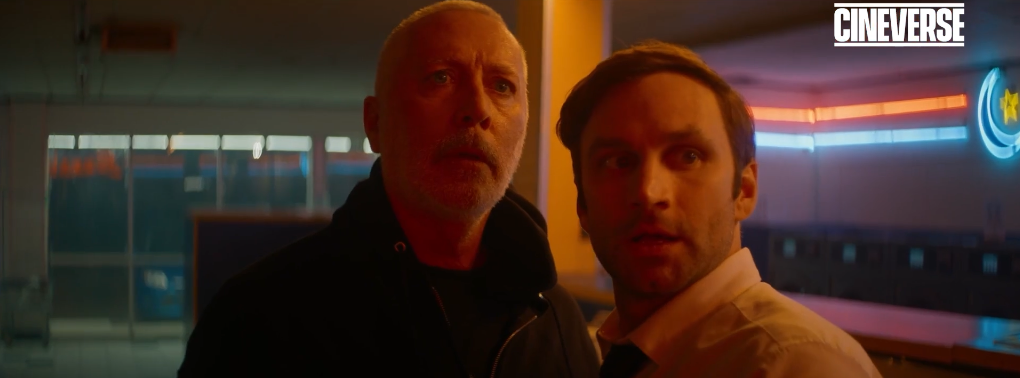
Perhaps the most revealing comment came when McDonald discussed what he values most in a role. Surprisingly, it's not necessarily the amount of screen time. He explained that he's often just as interested in the parts of a movie he isn't in as the scenes he is. For him, the goal is to be part of something compelling and memorable. It's a philosophy perfectly reflected in Portal to Hell. While David Pepperdine isn't the central focus of the story, he's impossible to forget once he appears.
That idea of making an impact without overstaying your welcome is something McDonald articulated beautifully. Reflecting on his role in the film, he described his ideal approach as getting in, making an impression, and getting out. "Get in, get out, and make your mark," he said, explaining that he'd rather leave audiences wanting more than simply accumulate additional screen time for its own sake. Comparing it to attending a party, McDonald joked that he doesn't want to linger unnecessarily. Instead, he'd rather contribute something memorable and leave before the moment loses its impact.
It's a mindset that perfectly encapsulates his work in Portal to Hell. David Pepperdine may not dominate the film's runtime, but McDonald ensures every moment counts. In a movie filled with demons, portals, and larger-than-life personalities, he still manages to carve out a memorable place for himself. For longtime fans who know him primarily from comedy, the role offers a reminder of his versatility. For everyone else, it's another example of why Michael McDonald remains one of those performers who can elevate a project simply by showing up and doing what he does best.
Jessie Hobson