
There are few filmmakers as synonymous with action cinema as Renny Harlin. Across a career that has included films like Die Hard 2, Cliffhanger, and The Long Kiss Goodnight, Harlin has built a reputation for delivering large-scale spectacle without losing sight of the people at the center of the chaos. Speaking with him about The Beast, that commitment to character quickly emerged as the driving force behind his latest film.
Having spoken with Harlin several times over the years, one thing remains consistent: every conversation reveals a new perspective on filmmaking. Despite a resume that would be the envy of most directors, he remains eager to dissect the creative process and explain the choices behind his work. Our discussion about The Beast was no different, offering insight into a film that may initially look like a straightforward action thriller but is ultimately far more personal than its premise suggests.
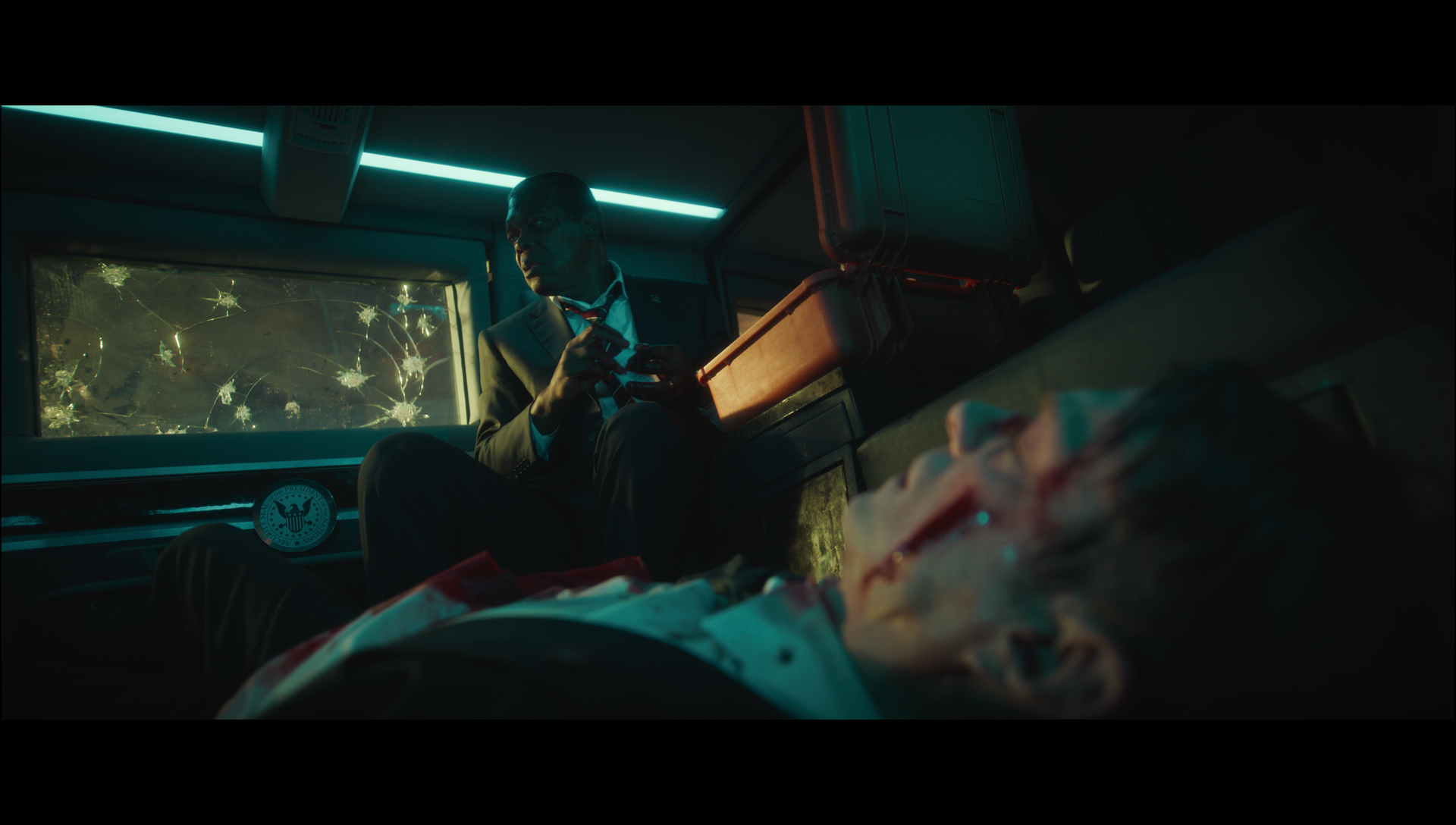
At first glance, The Beast centers on one of the most recognizable vehicles in the world, the heavily armored limousine used by the President of the United States. For Harlin, though, the appeal wasn't the vehicle itself but the opportunity to strip away many of the genre's typical conventions. As he explained, he saw "an opportunity to do a different kind of an action movie," one that throws audiences directly into the middle of the action rather than spending time on setup. More importantly, he viewed the story as a character study disguised as a thriller. The President is suddenly removed from the power, security, and authority that define his position, leaving behind only a man forced to survive alongside another individual from a completely different background. What interested Harlin was watching those two people learn to trust one another and ultimately develop a genuine friendship under extraordinary circumstances.
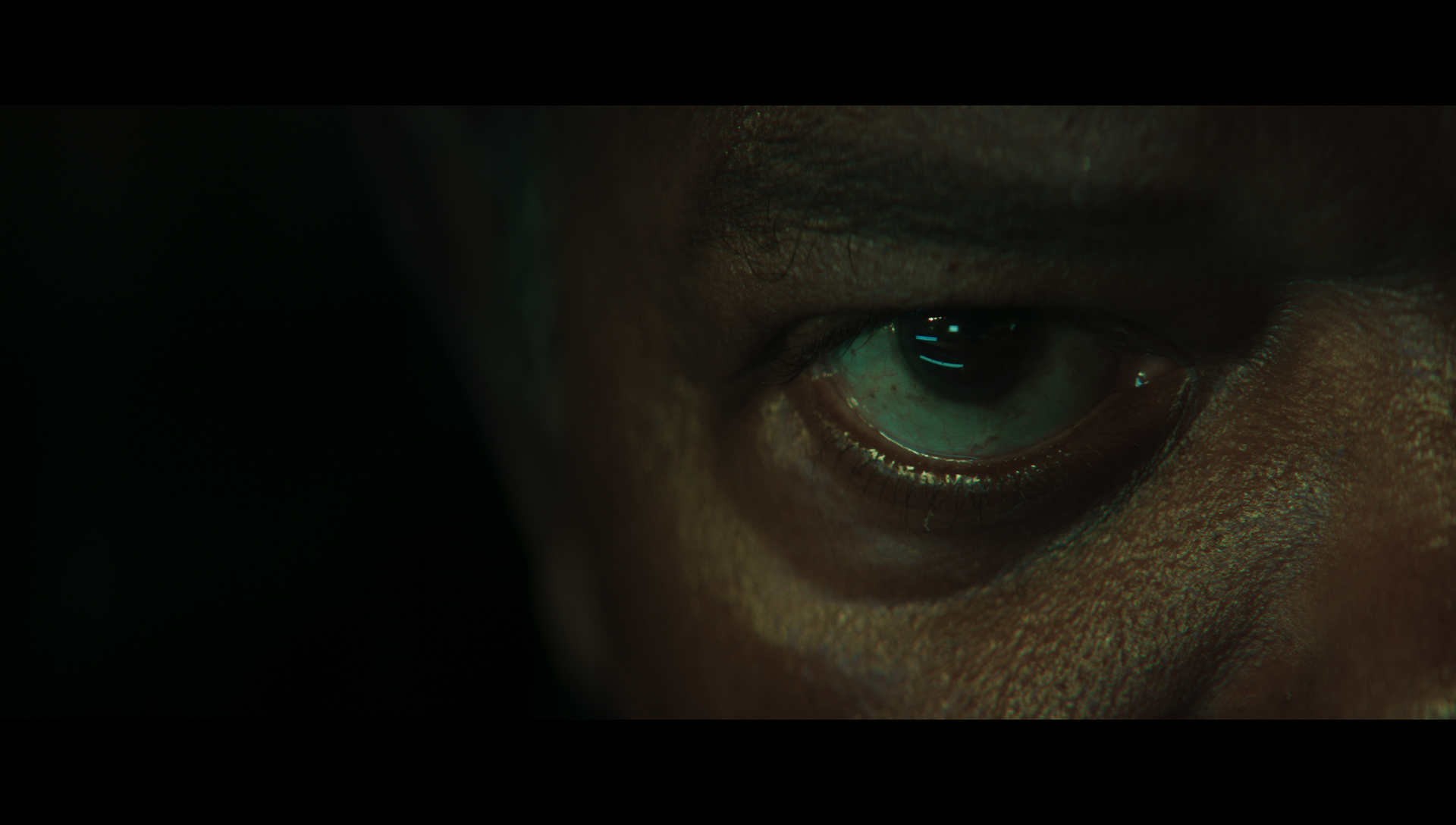
That focus on humanity also extends to the film's central performance by Samuel L. Jackson. Harlin, who has worked with Jackson before, spoke enthusiastically about what the actor brings to the role of the President. Rather than portraying the office itself, Jackson focuses on the person occupying it. Harlin noted that Jackson "humanizes him," allowing audiences to see layers of power, vulnerability, humor, and pain coexist within the same character. According to Harlin, part of what makes the performance effective is how deeply personal certain aspects became for Jackson, particularly the character's relationship with his wife. The director explained that the story's themes resonated with the actor's own life experiences, creating an added sense of authenticity that carried through the production.
The emotional core of The Beast reflects a creative philosophy Harlin has increasingly embraced in recent years. While many moviegoers know him for elaborate stunts and memorable action sequences, he believes spectacle only works when audiences care about the people involved. During our conversation, he reflected on the influence of the six years he spent living and working in China, where he became fascinated by the idea that successful films should make audiences laugh and cry, sometimes within the same story. That experience changed how he evaluates projects, leading him to seek scripts that balance excitement with genuine emotion. As Harlin put it, if a story lacks humor or the ability to make audiences feel something meaningful, he now looks for ways to add those elements.
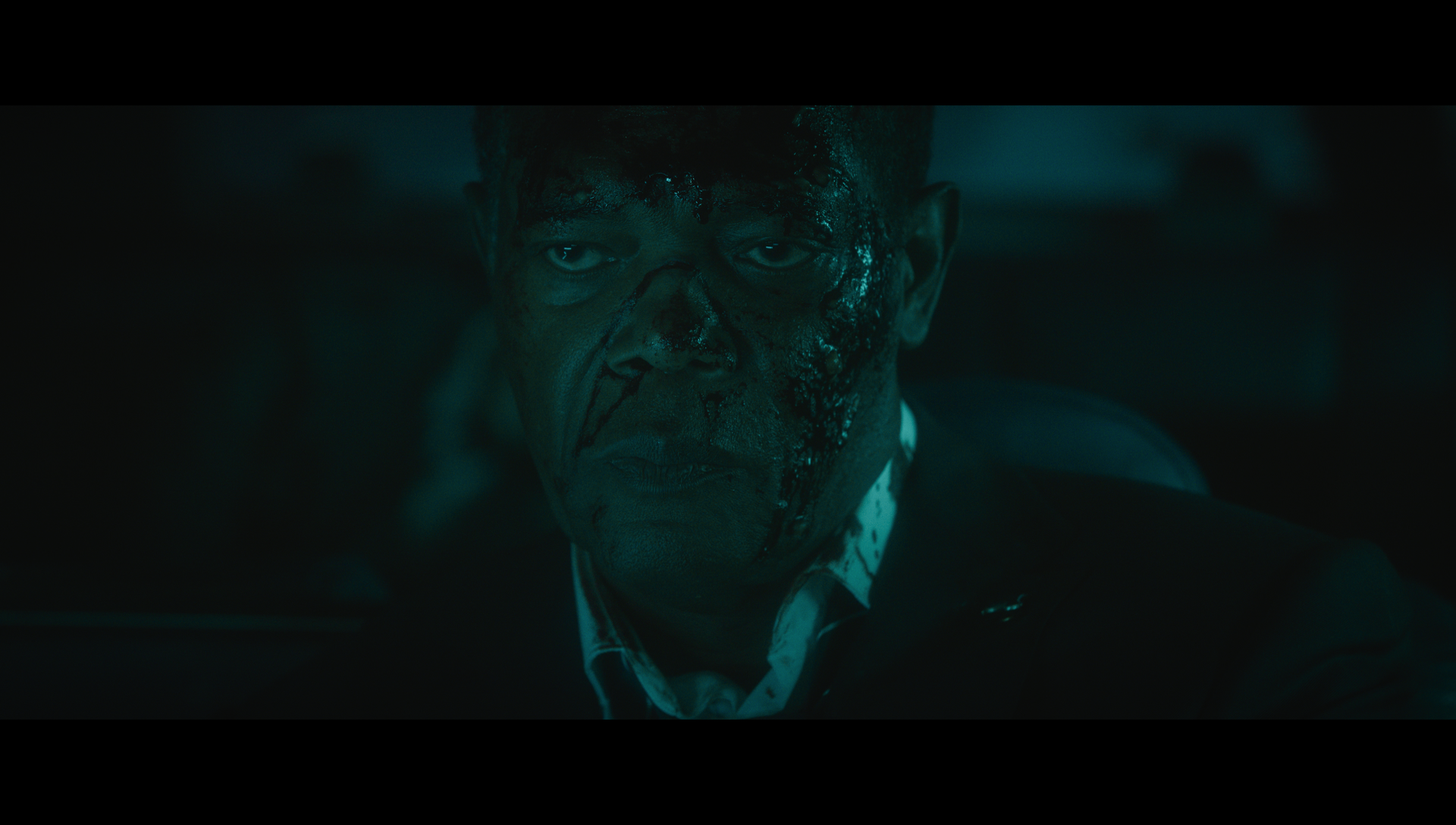
Even with its emphasis on character, The Beast remains an ambitious technical achievement. The film was shot across Madrid and the Canary Islands, with Harlin utilizing an innovative production approach to create the sense of scale surrounding the story. Exterior action scenes were filmed throughout Madrid using a camera car outfitted with multiple cameras, capturing the surrounding chaos from every angle. Those images were then projected onto massive LED screens in the Canary Islands, where the presidential limousine set was mounted on a hydraulic platform. The result was a layered environment that blended practical effects, stunt work, and virtual production techniques into a seamless experience. Harlin described Madrid as providing the perfect backdrop, while the Canary Islands supplied the technological flexibility needed to bring the vision together.
What ultimately excites Harlin most, however, isn't the technology or even the action itself. His goal is immersion. He wants audiences to feel as though they are sitting alongside the characters rather than simply watching from a distance. Whether the setting is a mountain, an airport, or the backseat of a presidential limousine, he strives to make viewers feel like participants in the story. In The Beast, that means experiencing every explosion, every close call, and every emotional revelation with the same immediacy as the characters on screen.
For all its action and suspense, Harlin believes the film's real subject is far simpler. He described the story as one centered on relationships, specifically the connection between the President and his wife. While audiences may come for the thrills, he hopes they leave recognizing that beneath the spectacle lies a story about love, redemption, and the people who help us become our best selves. As Harlin explained, the character's wife serves as both the key to understanding his past and the person who allows him to move forward into the future. In that sense, The Beast isn't merely a survival story. It's a reminder that even in the most extreme situations, human connection remains our greatest source of strength.
After decades of crafting some of action cinema's most memorable set pieces, Renny Harlin continues to find new ways to challenge himself. The Beast may feature political intrigue, explosive action, and high-stakes survival, but its heart lies in the relationships at its center. If Harlin achieves his goal, audiences won't simply remember the limousine or the spectacle surrounding it. They'll remember the people trapped inside and the unlikely bond that carries them through the chaos.
Jessie Hobson