
There are plenty of films about young people getting drunk, getting high, and making bad decisions. On the surface, Straight Through Crew looks like it's heading down that same well-traveled road. Set over the course of a Christmas Eve village rave in rural England, writer-director David Campion's debut feature follows a group of lifelong friends navigating lingering heartbreak, stalled ambitions, and the uncomfortable realization that adulthood hasn't quite arrived the way they imagined it would.
What makes Straight Through Crew stand out is that beneath the haze of substances, pounding music, and holiday chaos lies something unexpectedly sincere: a portrait of people caught between who they were and who they're becoming.
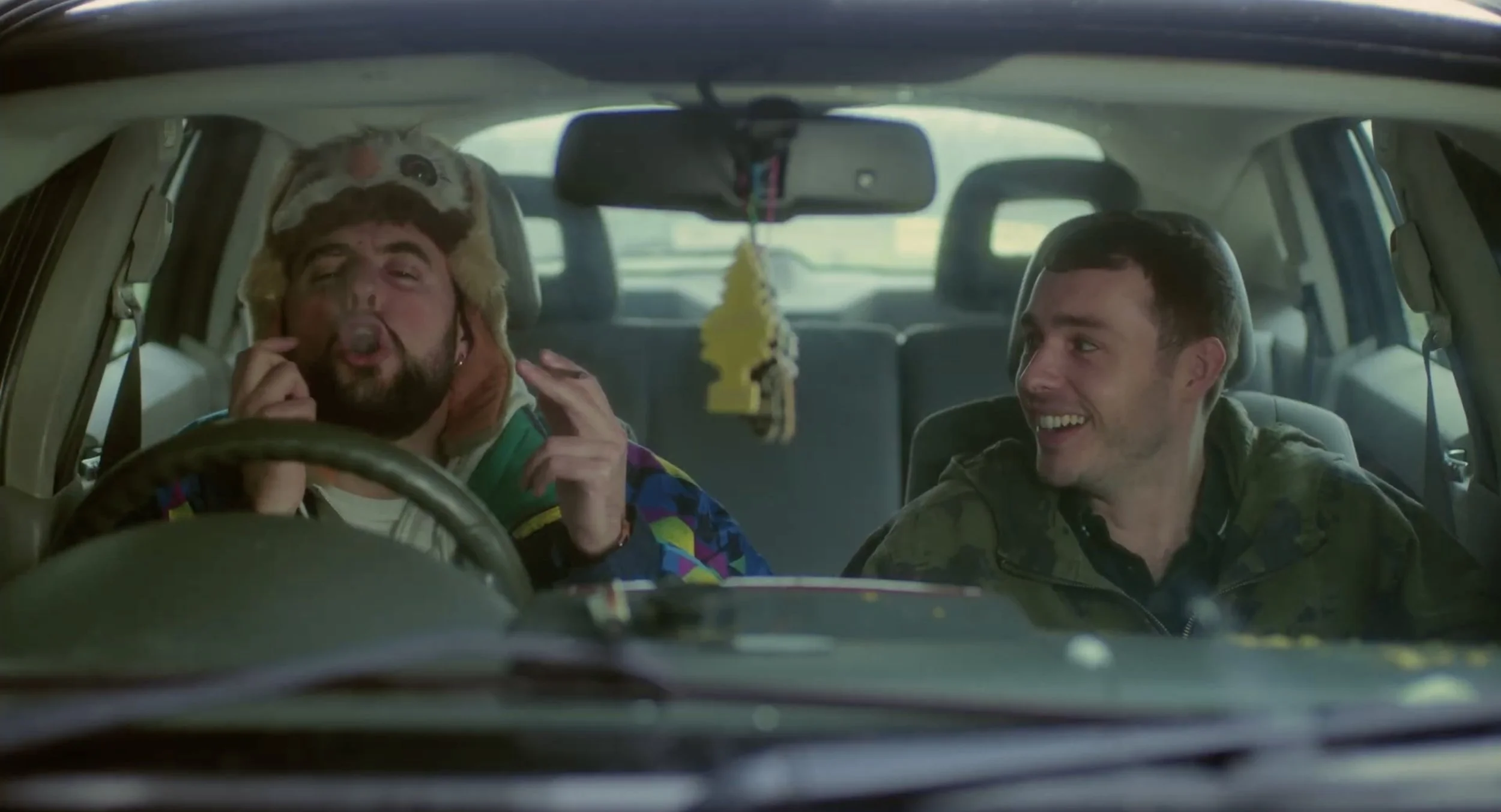
The setup is deceptively simple. Jamie returns home after spending years trying to build a life in London, only to discover that neither she nor the friends she left behind have moved forward as much as they'd hoped. Old relationships resurface, unresolved feelings linger beneath the surface, and the night's festivities become less about celebration than confrontation.
Campion draws heavily from his own experiences growing up in rural England, and that authenticity is where the film repeatedly succeeds. Ludgershall does not feel like the exaggerated countryside often seen in British cinema. It feels lived in. These characters know every pub, every shortcut, every face. There is a comfort to their friendships, but also an underlying anxiety. Leaving feels impossible. Staying feels equally difficult.

The strongest aspect of the screenplay isn't the romance between Aiden and Jamie, although Charles Craddock and Jessica Pearce give those scenes genuine emotional weight. It's the film's understanding of arrested development. Nearly every character spends the evening wrestling with some version of the same question: What happens when the life you planned never quite arrives?
That theme quietly emerges throughout the night. Jamie admits that London hasn't worked out the way everyone assumed. Friends who appear carefree reveal insecurities about careers, relationships, and the future. Even the film's most chaotic partygoers are carrying disappointments they would rather bury beneath another drink or another pill. The conversations become increasingly reflective as the evening wears on, culminating in a surprisingly thoughtful discussion about mortality, friendship, and making peace with uncertainty.

Visually, the film is often striking. Campion and cinematographer Tom O'Keefe understand how to capture both the excitement and claustrophobia of a village rave. Neon lights flood faces with color while handheld camerawork keeps viewers immersed in the crowd. The atmosphere feels real rather than manufactured, particularly because much of the footage was shot during an actual rave event.
At times, however, the film leans a little too heavily on atmosphere. There are stretches where extended sequences of partying, intoxication, and wandering conversations threaten to overwhelm the narrative momentum. Campion clearly has an eye for mood, but some scenes linger longer than necessary, occasionally mistaking immersion for progression. A tighter edit could have sharpened the dramatic impact without sacrificing authenticity.

Similarly, not every character receives the depth they deserve. Several supporting players are memorable largely because the cast brings personality and specificity to them rather than because the script fully develops their arcs. There are moments where the film gestures toward richer emotional territory only to move on before fully exploring it.
Still, what ultimately carries Straight Through Crew across the finish line is its affection for its characters. Even when they are making poor decisions, the film never judges them. Campion understands that for many people, especially in small towns, nights like these become landmarks. Not because anything extraordinary happens, but because they offer temporary escape from larger uncertainties.

By the time the sun comes up, Straight Through Crew reveals itself as less a film about drugs, partying, or even romance than one about friendship and the fear of standing still while life moves forward. It is funny, messy, occasionally uneven, and emotionally honest in ways that sneak up on you.
Campion's debut may not always balance style and substance perfectly, but it captures a specific place, generation, and feeling with remarkable authenticity. The result is an engaging coming-of-age story for people who have already come of age and are still trying to figure everything out.
Jessie Hobson