
One of the smartest things The Exit State does is refuse to become the movie you think it's going to be. The setup initially suggests a political dystopian thriller about escaping an authoritarian America, but director Gabriela Ledesma has something meaner in mind. What begins as a road-to-freedom survival story gradually mutates into a tense, claustrophobic nightmare where the real threat isn't necessarily the government people are fleeing from. It's the people trapped in the room with you.
Set in a near-future United States spiraling toward authoritarian collapse, the film follows a group of Americans attempting to flee south toward Mexico in search of safety and freedom. After arriving at what they believe is a secure refuge, they quickly discover the safe house is anything but safe, forcing them into a desperate struggle where paranoia, self-preservation, and survival instincts begin tearing the group apart. The premise is immediately compelling because it takes an increasingly familiar dystopian concept and strips away the larger political spectacle in favor of something far more intimate and uncomfortable.
What surprised me most was how effectively the film shifts gears. Early on, I wasn't entirely convinced by where the story was heading. The opening portions are relatively restrained as the characters navigate an uncertain future, but once the timeline shifts and the film reveals its true intentions, things become significantly darker and far more brutal. That turn is where the movie really comes alive. Rather than focusing solely on the mechanics of authoritarianism, the film becomes an examination of what ordinary people are willing to do when survival is no longer guaranteed.
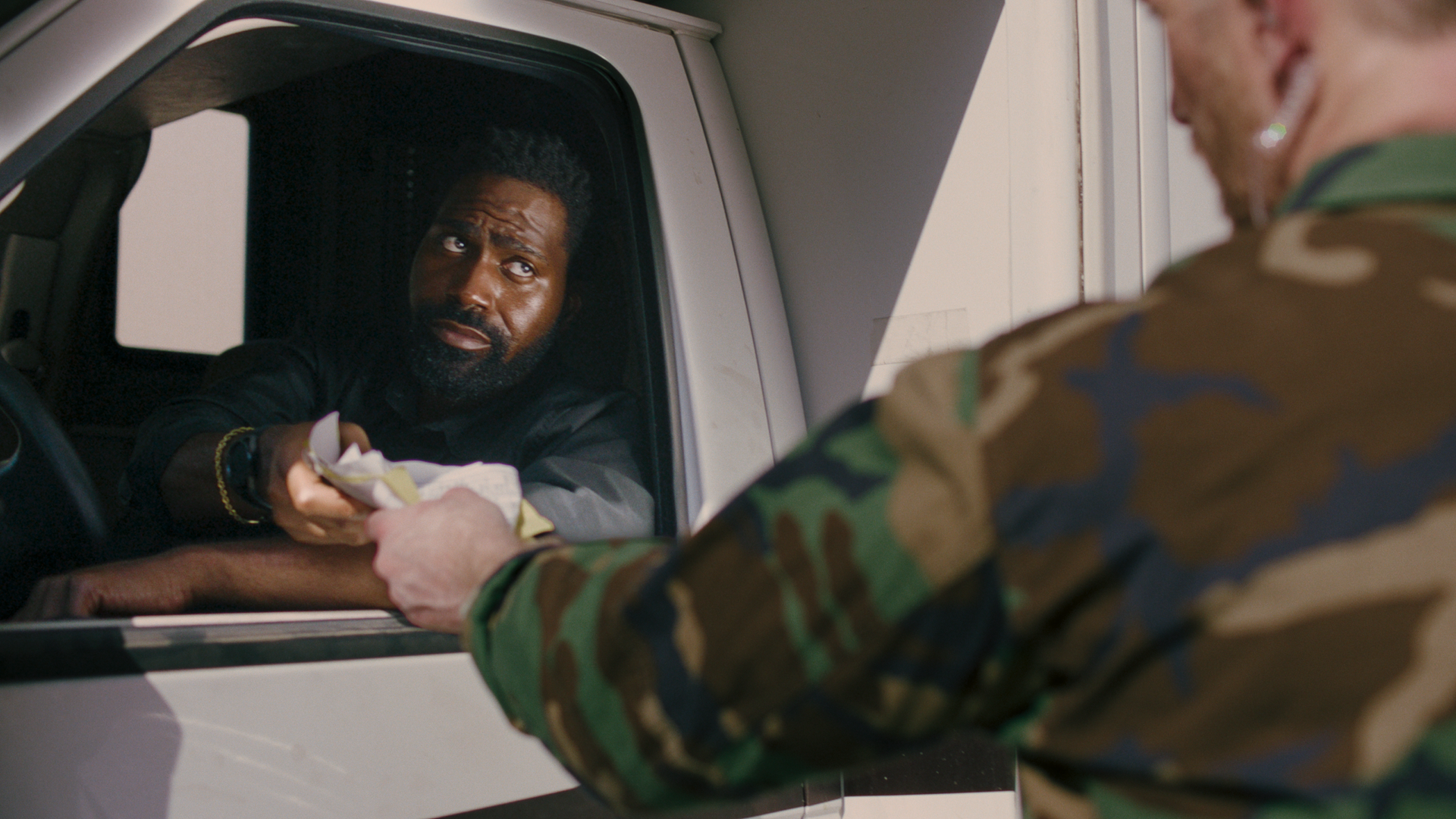
That focus on character ultimately becomes the film's greatest strength. Produced by Poison Pictures, The Exit State is very much a low-budget production, but it understands exactly where to spend its energy. Instead of trying to compete with larger dystopian films through spectacle, it builds tension through performances and interpersonal conflict. The result feels less like traditional science fiction and more like psychological horror wrapped inside a dystopian framework.
The standout performance comes from Josh George, who also co-wrote the screenplay alongside Gabriela Ledesma and Callie Schuttera. His character constantly shifts between sympathetic, unnerving, and outright dangerous, and George does a terrific job navigating those changes without making the performance feel inconsistent. There are moments where he evokes the unsettling unpredictability of Creep's central performance, creating the sense that you never quite know what version of the character you're going to encounter next.

The supporting cast is equally strong. Callie Schuttera, Clayton Farris, Nikki Dixon, and Sharon Lawrence all contribute to the growing atmosphere of distrust and desperation. Dixon, in particular, leaves a strong impression as an increasingly suspicious former police officer whose instincts become harder and harder to dismiss as tensions escalate.
Perhaps the film's greatest accomplishment is how relevant it feels without turning into a lecture. Political horror often struggles to find a balance between message and entertainment, but The Exit State is at its best when it uses its dystopian setting as a pressure cooker rather than the destination. Questions about freedom, security, and authoritarianism remain present throughout, yet the film repeatedly circles back to a simpler and more unsettling question: what happens when survival becomes more important than morality? That human element gives the story considerably more weight than its modest scale might suggest.

The movie also benefits from some genuinely memorable moments of violence. One particular kill involving Josh George's character is shockingly effective and ranks among the most memorable genre deaths I've seen this year. The film understands that when violence finally erupts, it needs to matter, and those moments land with real impact precisely because the characters have been given room to breathe beforehand.
Not everything works, however. The soundtrack is a notable mixed bag. I genuinely enjoyed the music itself, particularly the garage-punk influence incorporated through the collaboration with The Knitts, but several tracks feel strangely disconnected from the material surrounding them. The songs are good in isolation, yet they occasionally clash with the mood the film is trying to establish.
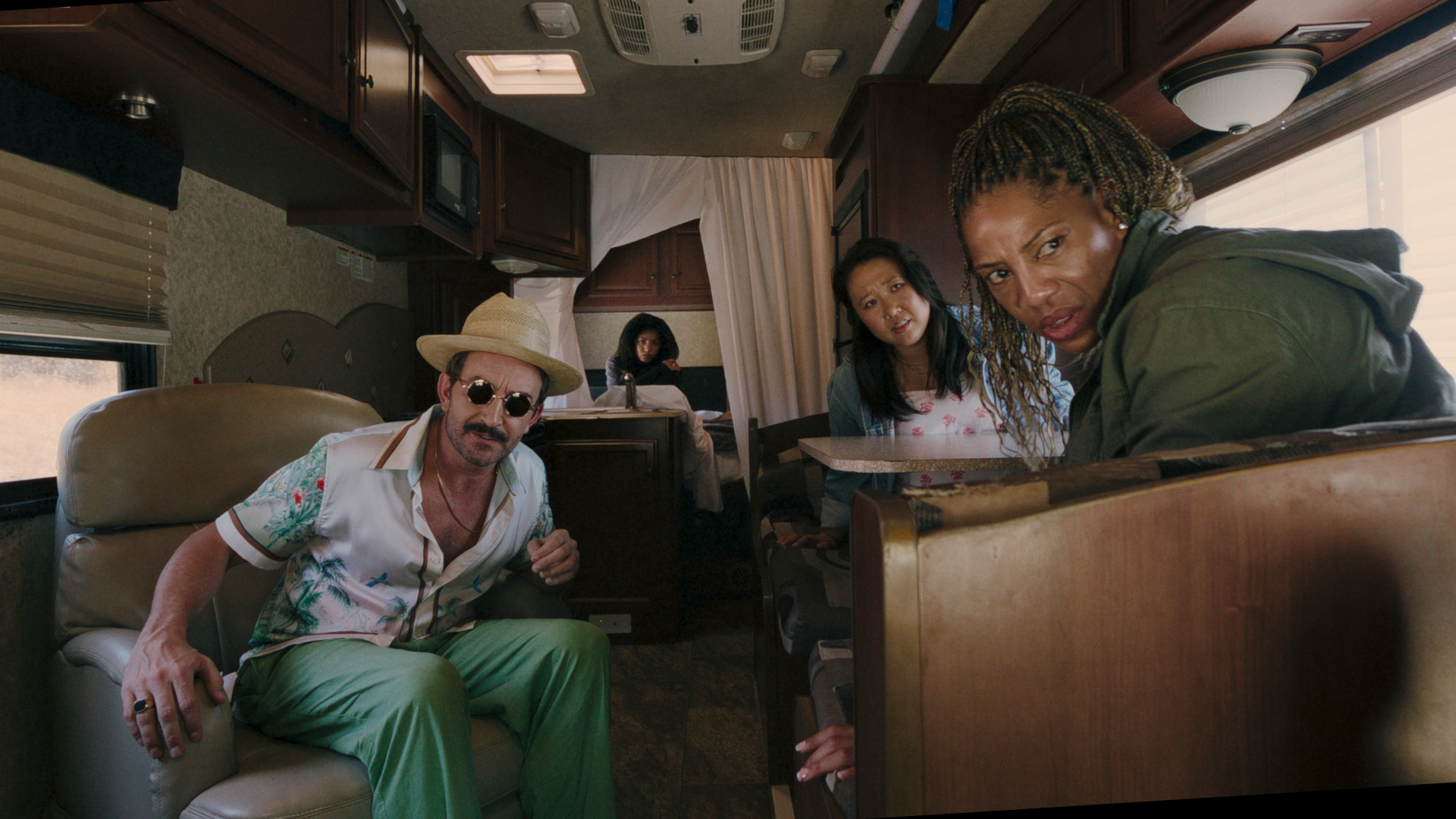
There are also a few character dynamics that never entirely come together, particularly a sibling relationship that often feels awkward in ways that seem more distracting than revealing. More frustrating is the ending. After spending ninety minutes building tension and exploring fascinating questions about survival, power, and human nature, the film arrives at a conclusion that feels less like a resolution and more like a stopping point. Ambiguous endings can be effective, but this one left me wanting a little more payoff for the emotional investment the movie demands.
Even so, I found myself increasingly absorbed as the story unfolded. Gabriela Ledesma directs with confidence, creating a thriller that feels larger than its budget through strong performances, sharp pacing, and an unwavering sense of paranoia. The film may be set in a dystopian future, but its real strength comes from how recognizable its fears feel. The government, the politics, and the collapsing society provide the backdrop. The real horror comes from watching people decide what they're willing to sacrifice when freedom is on the other side of the border.
The Exit State is not a perfect film, and its ending will likely divide audiences, but it succeeds where many low-budget dystopian thrillers fail. It gives us characters worth following, builds genuine tension, and asks uncomfortable questions without easy answers. More importantly, once it makes that turn from uneasy survival drama into full-blown paranoia-fueled nightmare, it's a ride worth taking.
Jessie Hobson