
Going into Wrath of the Gods, I was already at a disadvantage. The Wicker Man remains one of my biggest genre blind spots, and while several critics suggested this spiritual successor works as a standalone film, it's impossible to completely ignore the weight of that legacy. The connection is baked into the project's DNA. Directed by Justin Hardy and co-written with Dominic Hardy, the film originated from a previously undiscovered concept found among the archives of Justin's father, Robin Hardy, the director of The Wicker Man. What emerged is not a direct sequel so much as a continuation of the themes, locations, and folk horror traditions that made the original such a touchstone for the genre.
The story follows Anna, a grieving widow played by Christiane Schaldemose, who returns to Hel Island after the suicide of her husband, only to find herself ostracized by a deeply insular community that views her presence as a source of bad luck. As children begin disappearing and long-buried secrets resurface, the island is forced to confront a history of abuse, superstition, and folklore that refuses to stay buried.
From the opening moments, it's clear that atmosphere is the film's greatest strength. Shot on location in the Shetland Islands, Wrath of the Gods captures a landscape that feels both beautiful and hostile. The scenery is genuinely stunning, but it's not postcard beauty. This is a world of relentless wind, cold rain, rough seas, grey stone buildings, and endless stretches of rugged coastline that seem determined to remind the people living there how small they are. The location work does a tremendous amount of heavy lifting, creating a powerful sense of isolation that lingers over every frame. The island itself often feels like the film's most memorable character.

The authenticity of that setting extends beyond the visuals. Much of the supporting cast comes directly from the community, and the filmmakers employed a local dialect coach to ensure the language felt true to the region. I admire that commitment immensely, even if it occasionally created problems for me as a viewer. Subtitles became essential, and there were still stretches where I struggled to fully understand certain exchanges. Even so, the effort pays off in the film's texture. Nothing feels manufactured or tourist-friendly. Every conversation, every weathered face, and every village gathering contributes to the feeling that we're observing a real place rather than a movie set pretending to be one.
What surprised me most is that despite being marketed as folk horror, Wrath of the Gods often feels more like a bleak thriller than a horror film. The supernatural elements are present, and Norse mythology hangs over the narrative like a storm cloud, but the movie is ultimately far more interested in examining human cruelty than monstrous forces. The most unsettling moments come not from folklore but from the ways isolated communities can enable abuse, protect harmful traditions, and direct suspicion toward the vulnerable. There are interesting ideas here about gender relations, grief, power, and social pressure, and the film occasionally hints at something genuinely profound simmering beneath its surface.
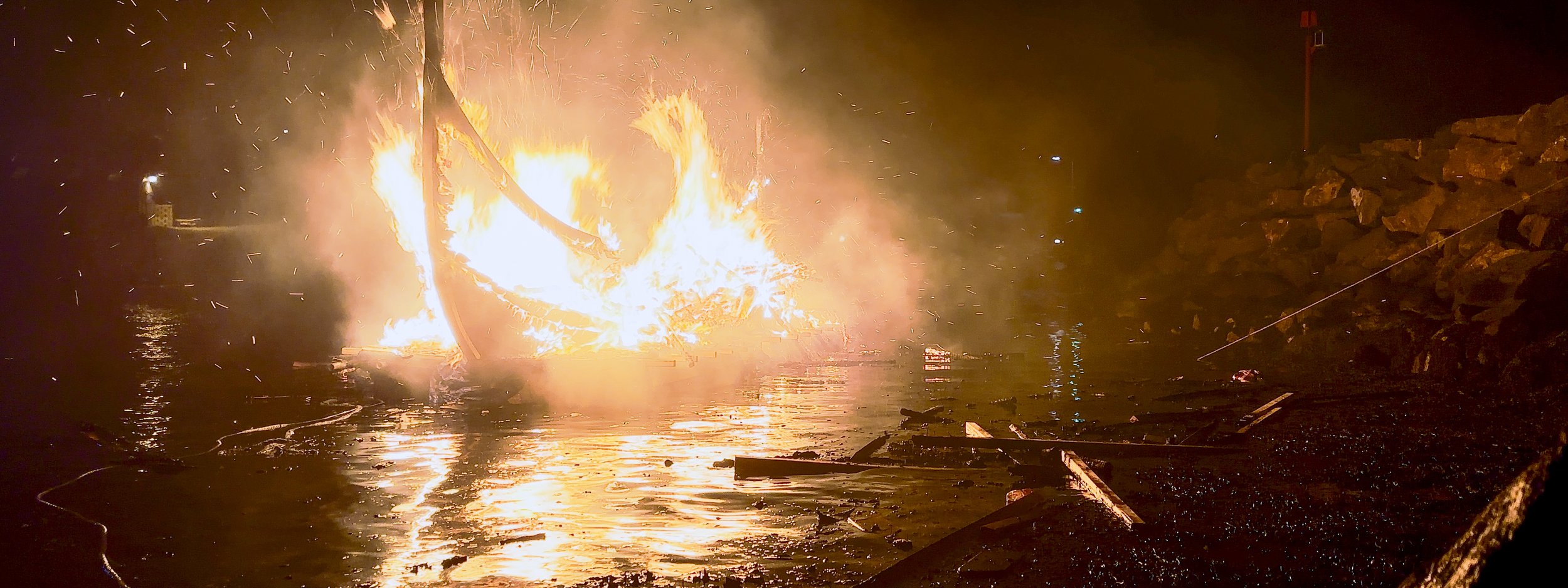
Unfortunately, that's where my frustrations began. For all its strengths in atmosphere, authenticity, and thematic ambition, I found the story itself surprisingly difficult to engage with. This is an undeniably well-made film. The cinematography is strong, the performances are committed, the score creates a pervasive sense of unease, and the traditional songs woven throughout the film are often more memorable than the dramatic scenes surrounding them. Yet despite appreciating all of those individual elements, I frequently found myself waiting for the narrative to fully come alive. The pacing is extremely deliberate, and while some viewers will undoubtedly find themselves absorbed by the film's mournful rhythm, I often found myself drifting.
What makes that disappointment more frustrating is how compelling the ingredients are. The film explores themes that remain painfully relevant, especially in small and isolated communities, and it uses its setting to create an atmosphere of suffocating inevitability. There are moments when it feels poised to become something haunting and unforgettable. Instead, the story tends to meander, touching on fascinating ideas without always developing them into satisfying dramatic payoffs. The result is a film that I consistently admired while rarely feeling completely invested in.
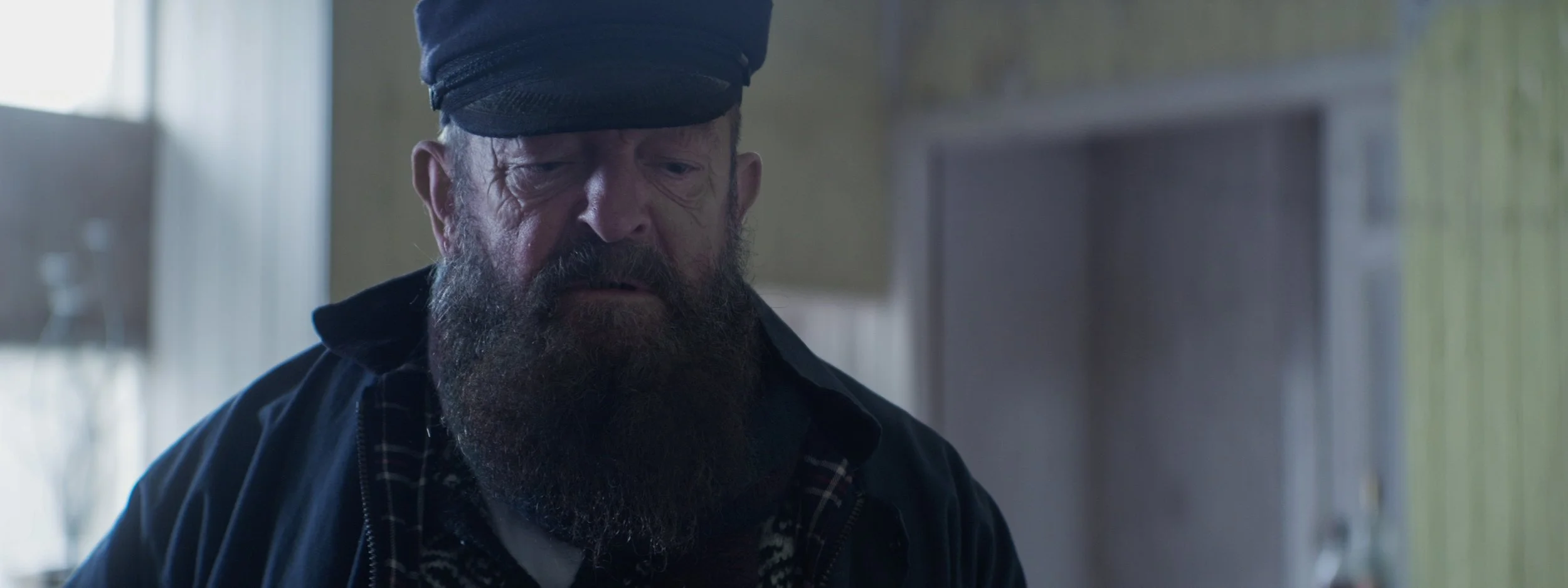
Thankfully, the ending delivers. Without spoiling anything, the final act finally brings together many of the threads the film has been weaving and lands with considerably more impact than I expected after the slower middle stretch. It doesn't erase the pacing issues that came before it, but it provides enough thematic and emotional resolution to leave the audience on a stronger note than the journey might initially suggest.
It's also impossible to separate the film from its real-world context. Knowing this project sprang from a long-lost concept by Robin Hardy and that it became the final completed work of Justin Hardy before his passing adds an undeniable poignancy to the experience. As someone fortunate enough to interview Dr. Hardy only a few months ago, that context hit especially hard. Regardless of how one feels about the finished film, there's something genuinely moving about seeing this chapter of the family's folk horror legacy brought to the screen.
In the end, Wrath of the Gods is a film I respect more than I love. Its atmosphere is rich, its sense of place is exceptional, and its commitment to authenticity is admirable. I just never connected with the story as deeply as I wanted to. Fans of British folk horror will likely find far more to chew on here than I did, particularly those with a stronger attachment to the world of The Wicker Man. For me, the landscape, the dialect, and the culture proved far more compelling than the mystery itself. That's enough to make it worthwhile, but not enough to fully overcome the long stretches where the film struggled to hold my attention.
Jessie Hobson