
There are plenty of horror films built around a gimmick. There are far fewer that understand exactly how to use one. Snapshot belongs firmly in the latter category. Directed by Joseph Archer and written by Cathy Wippell, this Victorian horror mystery takes the found footage formula and rewinds it all the way back to 1888, imagining a world in which an amateur inventor documents the downfall of an all-female ghost-hunting society investigating the possibility that Jack the Ripper may not be a man at all, but something monstrous.
What makes Snapshot immediately stand apart is its commitment to perspective. The entire film is presented through the circular frame of a primitive pinhole camera, with inventor Tamworth serving as both filmmaker and narrator. On paper, that sounds like the kind of concept that could wear out its welcome in fifteen minutes. Instead, it becomes increasingly fascinating as the story unfolds. The restricted frame forces viewers to search every corner of the image, while the degraded visuals and fragmented recordings create an atmosphere of uncertainty that constantly keeps us engaged. Rather than feeling trapped by its limitations, the film thrives because of them.
The most impressive thing about Snapshot is how thoroughly it commits to its central idea. A lesser film would have treated the format as a novelty before eventually abandoning it when things became difficult. Archer never blinks. Every creative decision feels built around the illusion that this impossible piece of Victorian media somehow survived into the modern day. The cinematography, editing, performances, and even the structure of the narrative work together to support that vision. By fully embracing the constraints of the format, the film discovers opportunities that more conventional horror movies simply do not have access to.
As intriguing as the aesthetic experiment is, the film succeeds because there is far more happening beneath the surface than a clever visual hook. The mystery unfolds through the eyes of an unreliable narrator whose understanding of events is constantly shaped by rumor, sensationalism, and misinformation. Newspapers spread competing versions of the truth. Witnesses provide contradictory accounts. Footage appears incomplete or manipulated. As the audience tries to piece together what actually happened, Snapshot becomes less about ghosts and monsters than the stories people choose to believe. That theme feels particularly relevant in an era defined by viral misinformation, manipulated media, and increasingly fractured versions of reality. The film's exploration of how narratives are shaped, distorted, and accepted as truth gives the horror an unexpectedly modern edge.
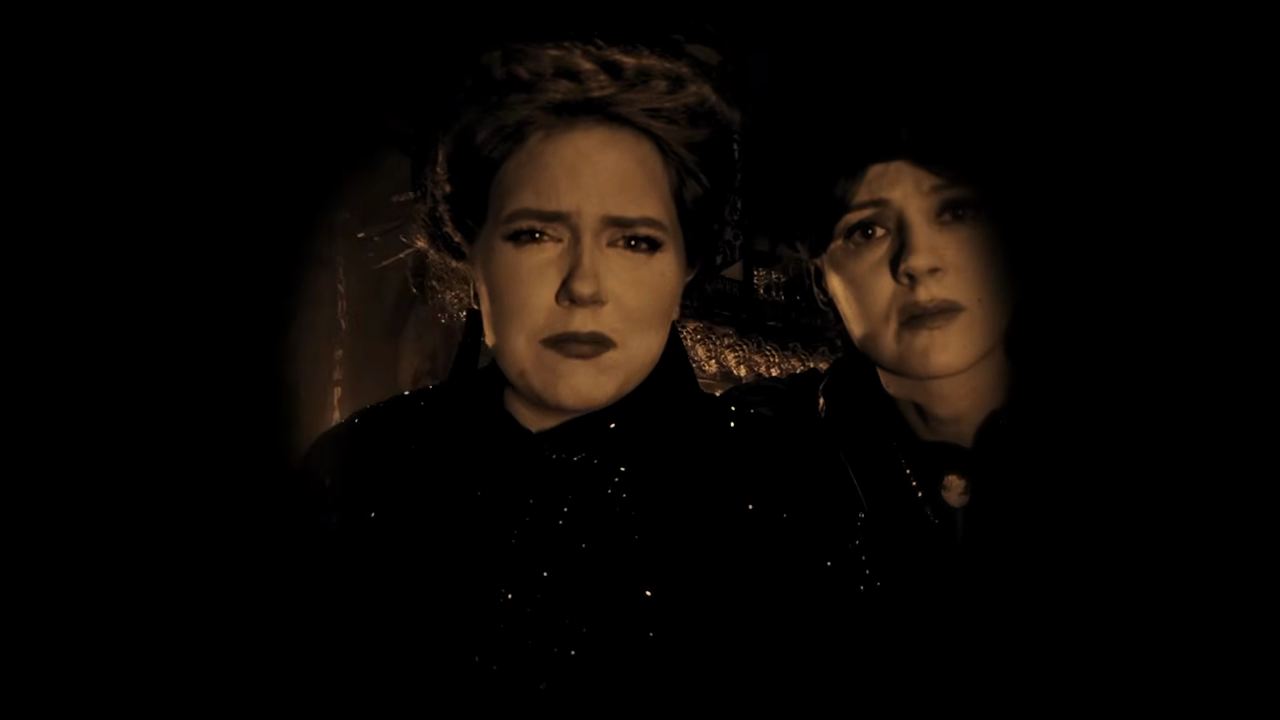
There is also a compelling gendered reading running through the entire narrative. As Tamworth documents the experiences of the women around him, the film quietly raises questions about whose version of events survives history and who gets to control the narrative. The idea that the footage itself has been manipulated mirrors the ways women's voices and experiences have often been filtered through male perspectives. It is a thoughtful layer that rewards closer examination without ever overwhelming the story's entertainment value.
Performance-wise, the entire ensemble understands the assignment. Tom Stourton's Tamworth is a particularly fascinating guide through the chaos because the character remains sympathetic even as our confidence in his perspective steadily erodes. The supporting cast helps create a sense of authenticity that makes the increasingly strange developments believable, while the frequent direct-address moments establish an unusual intimacy rarely found in found footage horror. Even when the story becomes eccentric, emotional investment never disappears.
The technical work deserves equal praise. The editing is genuinely impeccable, carefully managing what information is revealed, obscured, or withheld at any given moment. The sound design is equally crucial to the film's success. Because the imagery is intentionally limited, sound often carries the burden of conveying information that the viewer cannot clearly see. Mechanical clicks, analog textures, environmental details, and subtle cues create a rich sensory experience that sells the illusion of recovered Victorian footage while adding layers of tension and atmosphere.
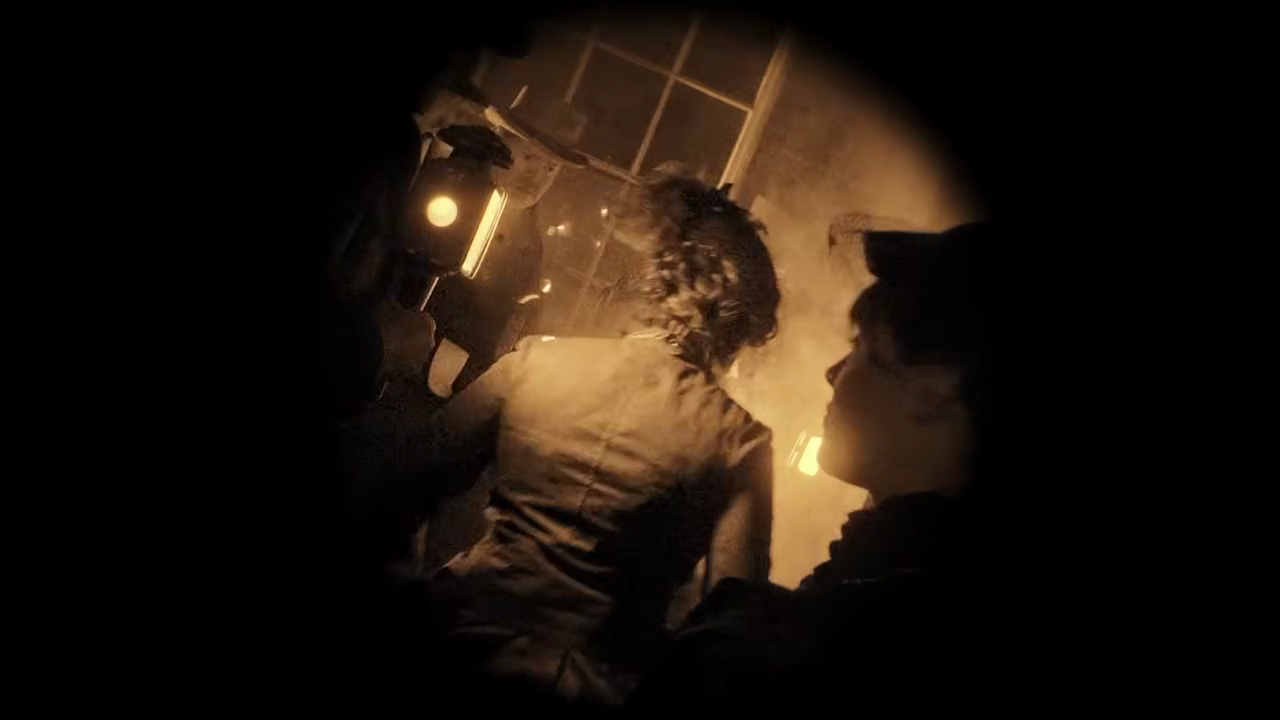
If there is a criticism to be made, it is that the middle section occasionally loses some momentum as the mystery expands. The film becomes so absorbed in its atmosphere and thematic interests that certain stretches move more deliberately than the opening and closing acts. There are also moments where its artistic ambitions flirt with pretension. Viewers who prefer their horror more straightforward may find themselves testing their patience during these sequences. Even then, the film never loses sight of what makes it compelling, and the payoff ultimately justifies the occasional slowdown.
What surprised me most was how far Snapshot was willing to push itself visually and narratively. Just when it seems like the film has exhausted the possibilities of its format, it becomes stranger, more artistic, and more experimental. The final act stretches the medium in unexpected ways while remaining true to the film's established rules. Many ambitious genre films stumble when it comes time to deliver on their promises. Snapshot does the opposite. It goes all the way.
Considering the film was reportedly shot in just eleven days, the accomplishment becomes even more remarkable. This is innovative filmmaking in the truest sense of the phrase. Every creative choice feels purposeful, every technical element serves the larger vision, and every risk is taken with complete confidence. It is rare to see a debut feature execute such a difficult concept so successfully.
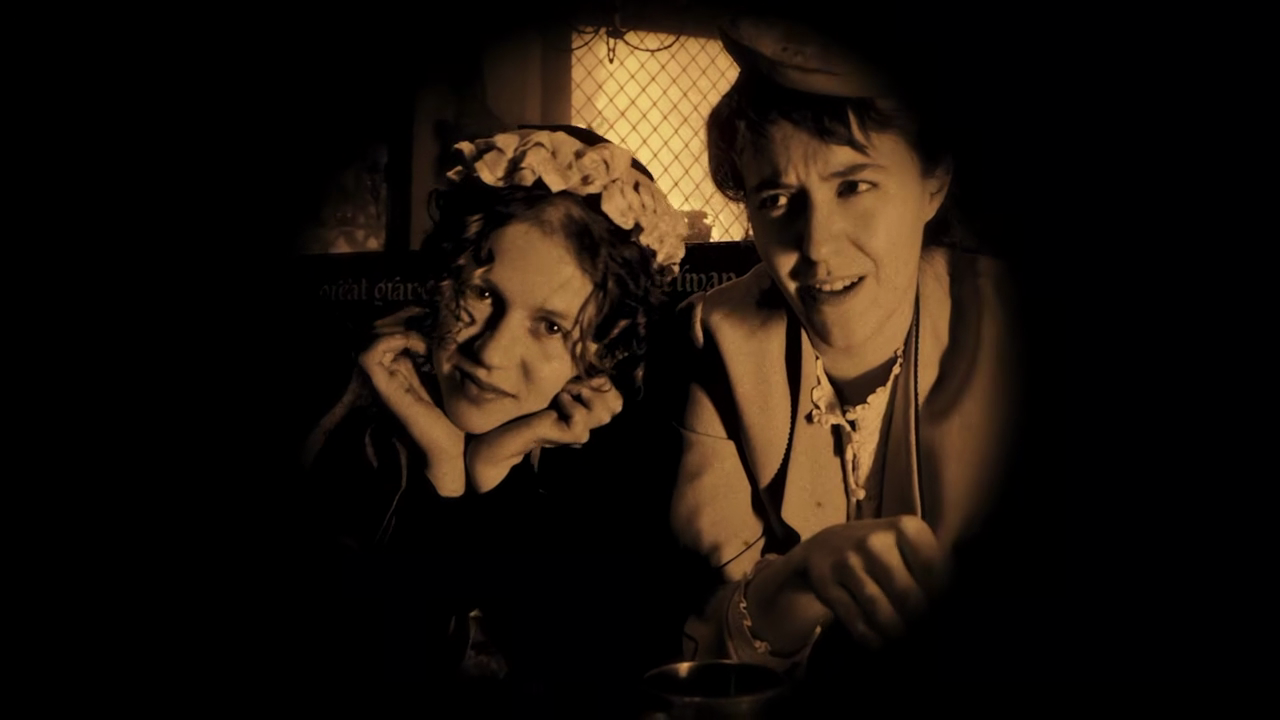
In an era where found footage often feels exhausted, Snapshot finds a way to revitalize the format. It is funny, unsettling, intelligent, and frequently surprising. Most importantly, it never settles for being merely clever. What begins as an intriguing formal experiment evolves into one of the most distinctive horror films of the year, proving that even the oldest ideas can still feel revolutionary when viewed through the right lens.
Jessie Hobson