
One of the hardest things for horror films to do is convince us that the people at the center of the nightmare matter before the nightmare begins. Too often, tragedy arrives before we've had time to invest. The Death of Us takes the opposite approach, building its horror around a loving couple whose lives have already been shattered, then forcing them to navigate the impossible aftermath.
Directed, co-written, and starring Annabella Rich in her feature directorial debut, The Death of Us follows a grieving couple attempting to rebuild their lives after the violent loss of their child during a home invasion. Seeking refuge in the countryside, they quickly discover that grief is not the only thing haunting them. As reality becomes increasingly distorted, a malevolent force begins manipulating their perceptions and pulling them toward something far darker than lingering trauma.
As someone who is not generally a fan of grief horror, I found myself conflicted throughout much of the film. The subgenre has become crowded in recent years, often using loss as shorthand for depth before eventually falling back on familiar supernatural tricks. To its credit, The Death of Us genuinely wants to explore the emotional devastation left behind by unimaginable tragedy rather than simply using grief as a narrative device. The result is a film that often feels less interested in scares than in examining the emotional wreckage that follows a parent's worst nightmare.
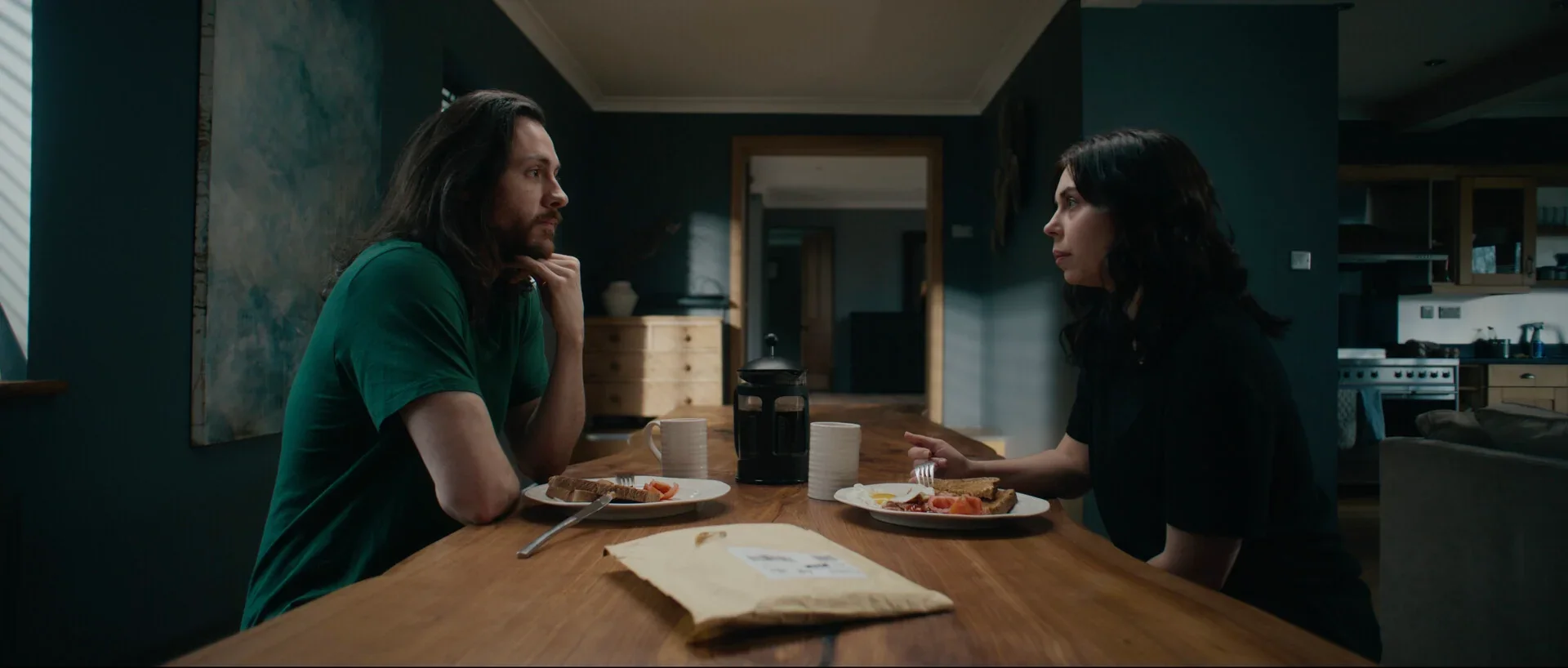
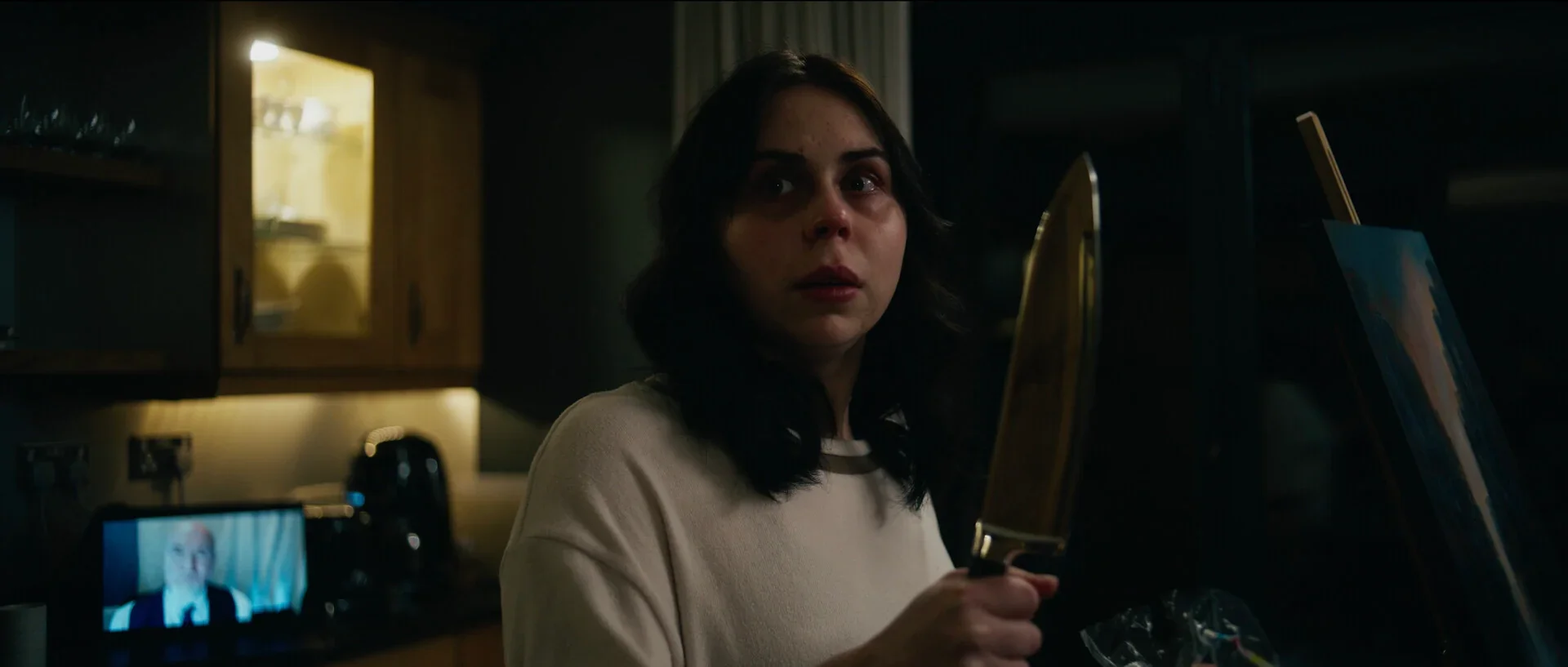
That approach works largely because of the performances. Annabella Rich and co-writer Chris Mills, who plays Danny, carry the film on their shoulders for long stretches, and both deliver grounded, emotionally raw work that sells the relationship at the center of the story. Rich, in particular, makes Casey's grief feel tangible. The exhaustion etched into the character's appearance, the physical weight of trauma, and the sense that she is barely holding herself together all create a believable portrait of someone trying to survive the unsurvivable.
In fact, the film's opening sequence immediately establishes that emotional intensity. It contains one of the most harrowing screams I've heard in a horror film in quite some time, setting the tone for an experience that remains relentlessly bleak from beginning to end. As a parent of a young son myself, there were sections of The Death of Us that were genuinely difficult to watch. The film understands that the loss of a child is horrifying enough on its own, and some of its strongest moments come not from supernatural encounters but from watching two decent people struggle to find a way forward after their world has collapsed.
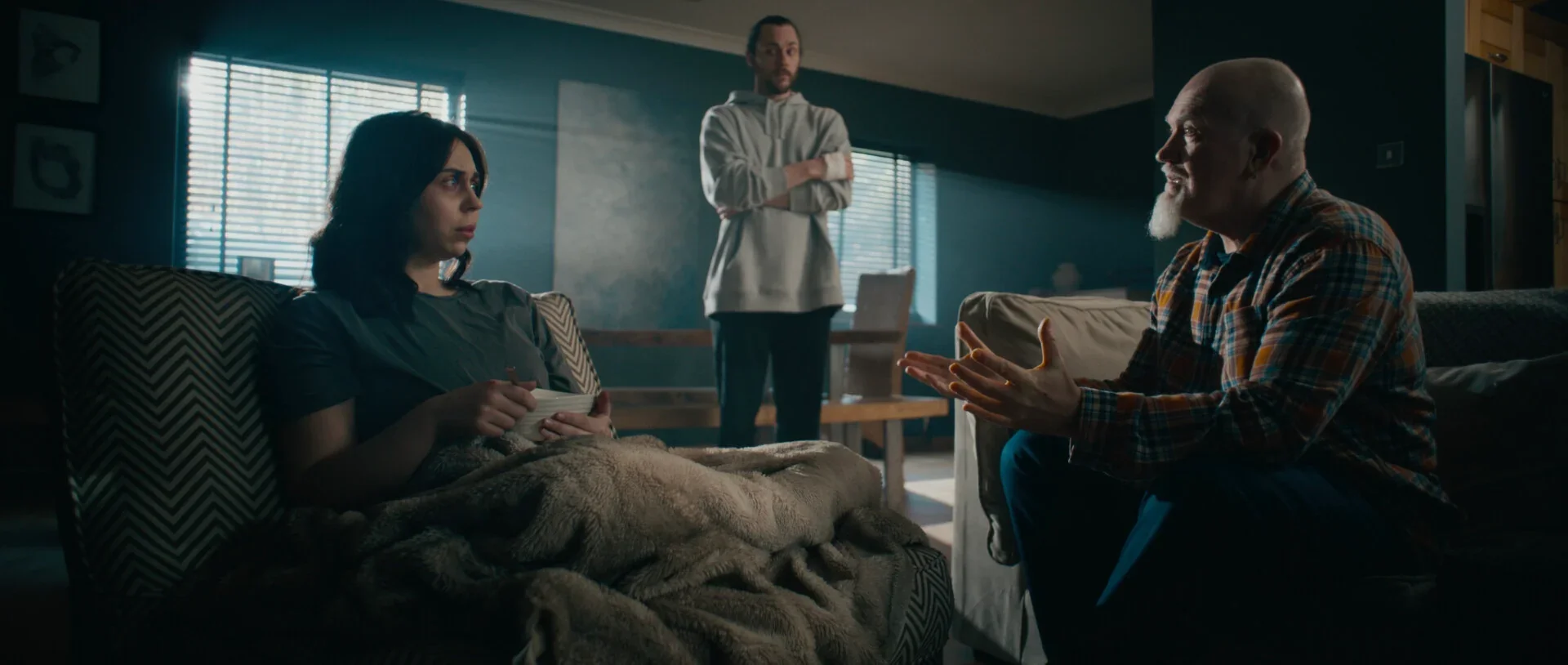
The problem, at least for me, is that the horror elements never entirely live up to the emotional material surrounding them. The story introduces a sinister entity connected to the original tragedy, but the supernatural plot frequently fades into the background as the film focuses on mourning, trauma, and psychological deterioration. While that commitment to character is admirable, it can also leave the narrative feeling somewhat static. There is a substantial amount of crying, processing trauma, and revisiting emotional wounds, and although those scenes are often well-acted, they do not always generate enough momentum to sustain the film's runtime.
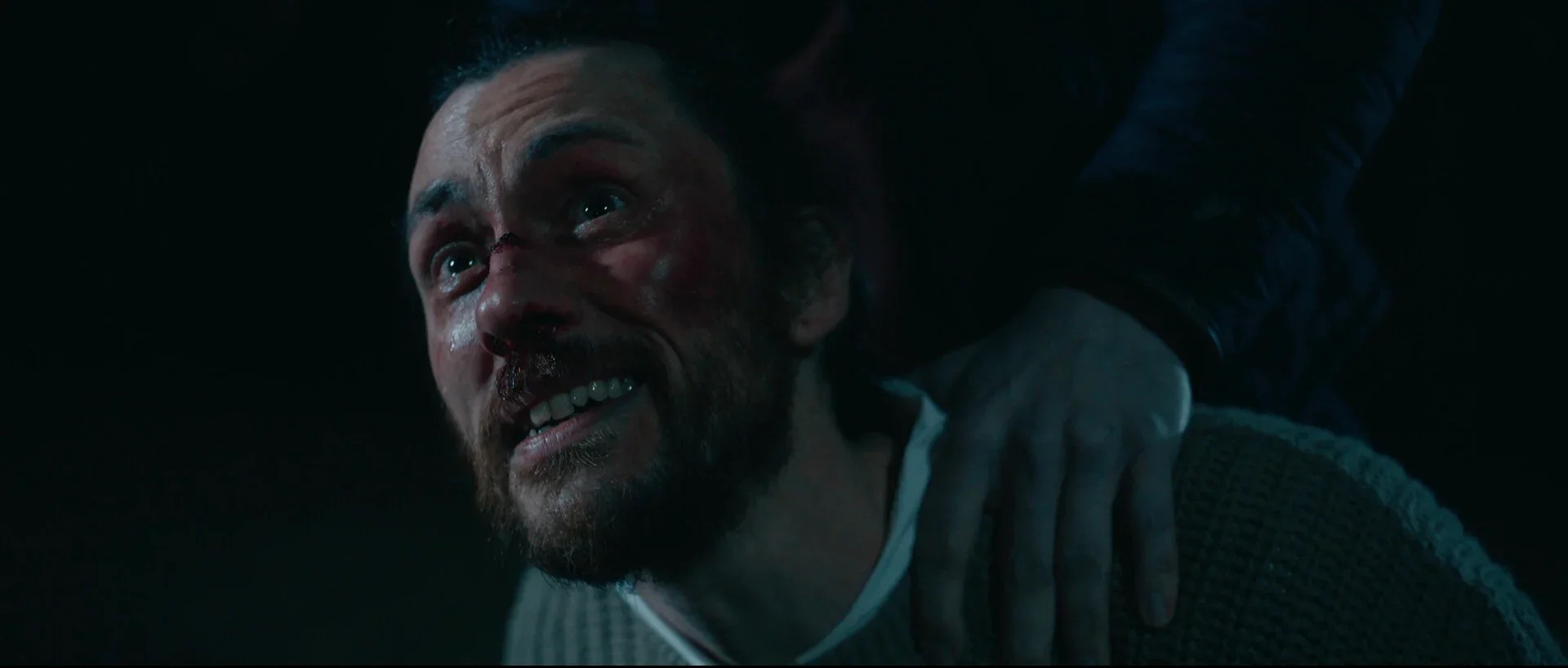
That makes The Death of Us a somewhat unusual viewing experience. I respected it more often than I enjoyed it. The film is clearly ambitious, particularly considering its limited resources and crowd-funded origins. Produced on a modest budget by Six Foot Under Productions and JNR Productions, it boasts practical effects, extensive makeup work, and a willingness to tackle emotionally devastating material that many larger productions would likely soften. The practical gore effects are frequently impressive and provide welcome bursts of visceral horror when the film threatens to become overwhelmed by its own grief.
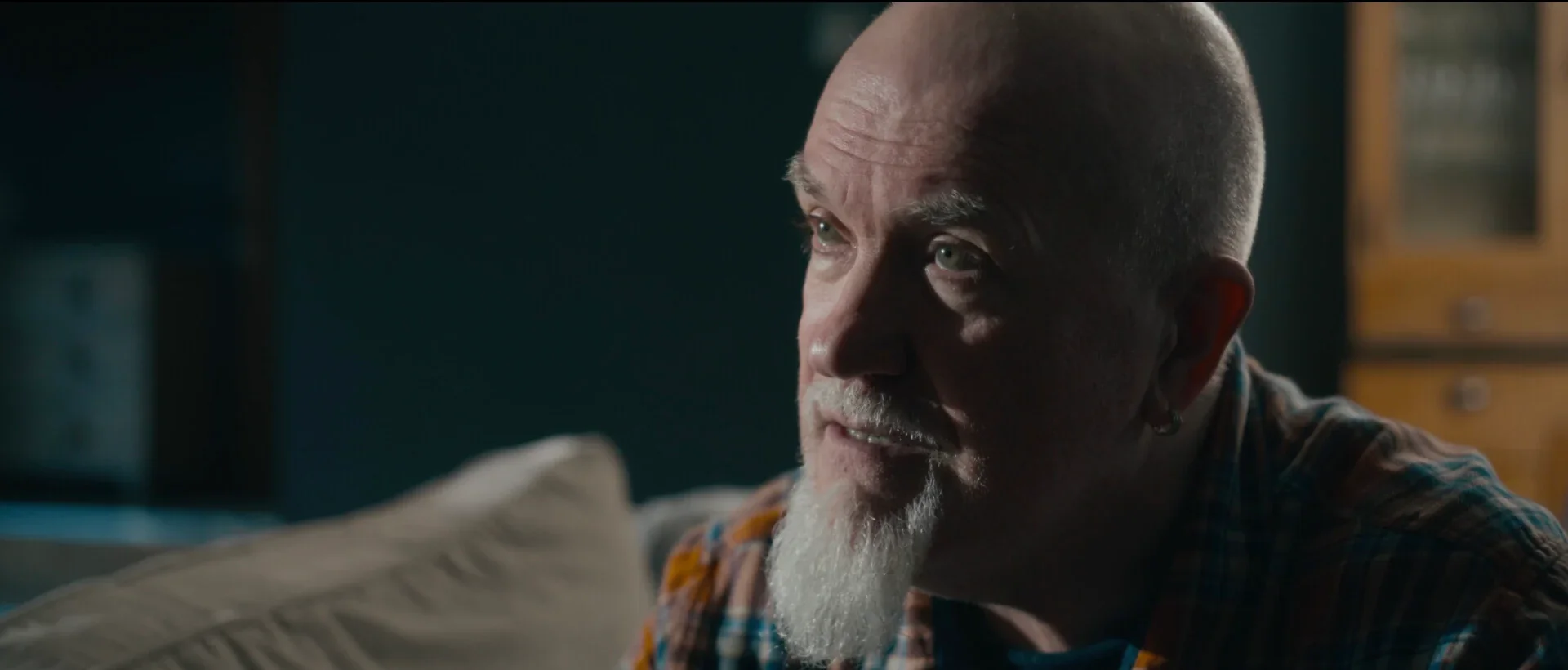
Those bursts become increasingly important as the film moves toward its finale. Much of the middle section can feel repetitive, and even an appearance from Nicholas Vince, whose horror pedigree includes Hellraiser and Nightbreed, cannot completely solve the pacing issues. An exorcism sequence that should be one of the film's highlights lands with less impact than expected, and there were stretches where I found the experience bordering on a chore despite appreciating what the filmmakers were trying to accomplish.
Thankfully, the final act delivers some much-needed catharsis. After spending so much time buried beneath sorrow and emotional devastation, the film eventually embraces its horror instincts and rewards viewers with the kind of bloody payoff many genre fans will be waiting for. The closing stretch finally brings the supernatural storyline back into focus, allowing the emotional and horrific elements to converge in a way that feels satisfying, even if the road getting there is uneven.
What I ultimately admire most about The Death of Us is the sincerity behind it. There is nothing cynical about this film. Every frame feels like it was made by people who deeply cared about the story they were telling. As a debut feature from a neurodivergent filmmaker taking on directing, writing, and acting duties simultaneously, it demonstrates an impressive level of ambition and emotional honesty. Even when the film stumbles, it does so while reaching for something meaningful.
Your mileage will likely depend on your tolerance for grief-driven horror. Viewers looking for a scare-heavy supernatural thriller may find themselves wishing the film leaned harder into its horror elements. Those willing to engage with it as an emotional drama filtered through a horror lens will likely find more to appreciate. I fall somewhere in the middle. The film's emotional authenticity and strong lead performances kept me invested, but its pacing issues and underwhelming horror set pieces prevented it from fully reaching its potential.
Still, for a feature reportedly produced on a budget of around £40,000, The Death of Us displays an admirable level of craftsmanship and ambition. It may not always succeed in balancing its grief and horror, but it tackles both with conviction, and that's often enough to make it worth the journey.
Jessie Hobson