
Few films at this year's festival circuit have left audiences as shaken, confused, fascinated, and engaged as Agata Trzebuchowska's debut feature, Sick. Equal parts body horror, coming-of-age story, and family drama, the film dives headfirst into uncomfortable territory, challenging viewers while encouraging them to sit with feelings they might otherwise avoid.
After watching Sick, I had the opportunity to speak with Trzebuchowska about the ideas behind the film, and it quickly became one of the most enjoyable conversations I've had all festival season. Given how wild, provocative, and emotionally layered Sick is, it was refreshing to hear directly from the mind responsible for bringing it to life. Even when discussing the film's darkest themes, Trzebuchowska approached the conversation with thoughtfulness, honesty, and a clear understanding of the emotions she hoped to evoke.
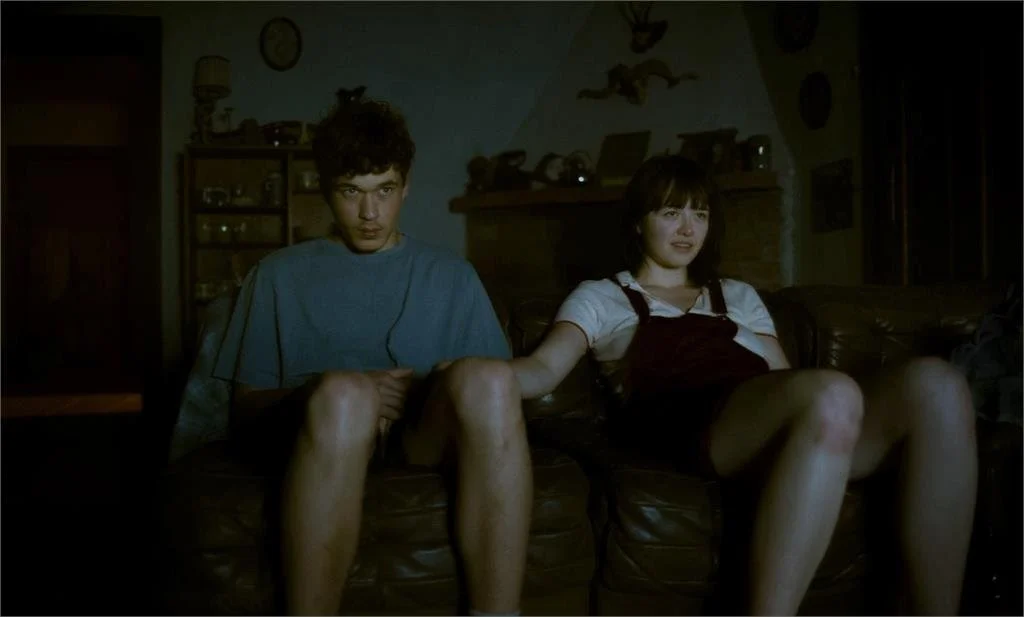
At the center of Sick is Max, a young protagonist navigating physical and emotional changes while confronting fears that seem to manifest in increasingly disturbing ways. Creating that intensely personal perspective was one of the director's primary goals from the outset. As Trzebuchowska explained, she and her cinematographer wanted viewers to be "as close to the main character as possible" and hoped audiences would "create a certain bond with Max and to experience with him what he's experiencing throughout the film." To achieve that, the production relied on close camera work, wide lenses, and an emphasis on physicality that places viewers directly inside Max's increasingly unstable world.

That physicality extends well beyond the camera. The film frequently focuses on the body itself, using bodily transformation as a reflection of deeper anxieties. Trzebuchowska described the story as being fundamentally about change, "about losing your old personality and becoming someone else," making the body a crucial storytelling tool. That approach also informed the production's extensive use of practical effects, which she felt helped make the experience feel more immediate and tangible for audiences.
While Sick contains plenty of disturbing imagery, its foundation lies in a fear many people can relate to: growing up. Trzebuchowska said she was drawn to "this fear of growing up and of becoming an adult and losing your own identity or your own personality and everything that felt familiar." Because Max experiences the world through anxiety and fear, horror felt like the natural language through which to tell that story. Rather than using genre conventions simply for scares, she uses horror as a way to externalize emotions that can otherwise be difficult to visualize.
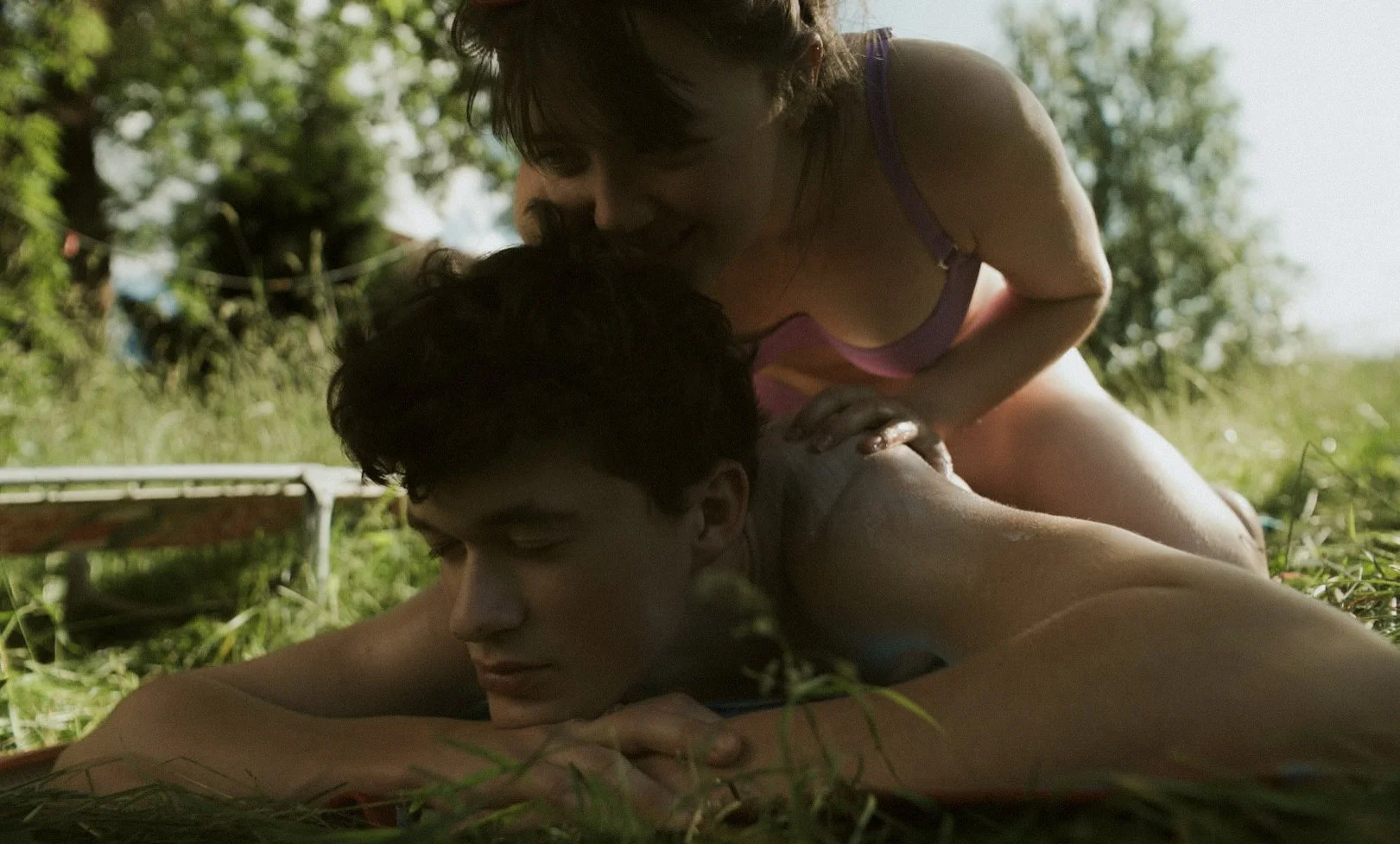
That philosophy extends to some of the film's most controversial elements. The complicated relationship between Max and Emma inevitably pushes audiences into uncomfortable territory, but Trzebuchowska was clear that shock value was never the goal. Instead, she viewed horror as a framework that allows filmmakers and audiences alike to engage with difficult subject matter. She explained that she was interested in exploring challenging emotional spaces and believed the genre "allows you to go to this difficult, uncomfortable territory" while giving viewers an avenue through which they can confront those ideas.
Interestingly, the film's blend of family drama and horror developed organically. Trzebuchowska recalled that the screenplay emerged very quickly, with much of the process happening intuitively. Rather than approaching the film with rigid definitions or categories, she allowed it to evolve naturally, describing it as an "open vessel" that could continually reinvent itself throughout development. That flexibility may explain why Sick often feels unpredictable, never content to settle comfortably into a single genre.
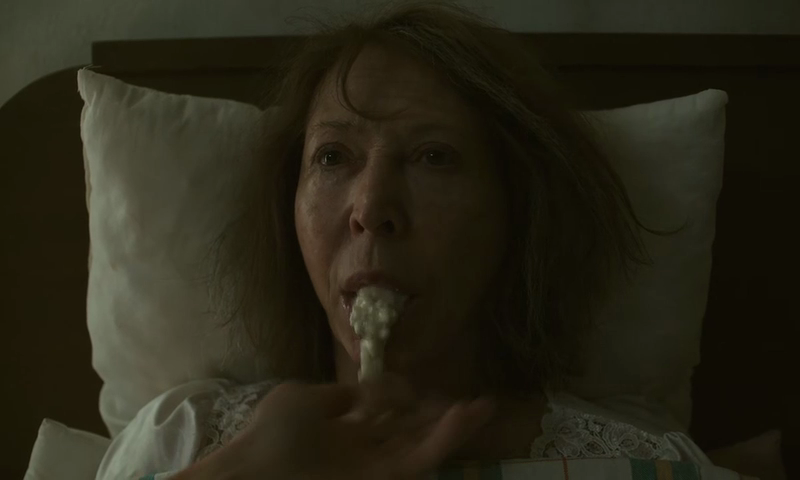
One of the film's most memorable figures is the grandmother, a character who often feels unsettling even in moments of relative stillness. For Trzebuchowska, however, the grandmother is more than a source of dread. She serves as an external manifestation of Max's internal fears while simultaneously existing as a fully realized character confronting fears of her own. The filmmaker noted that both characters are entering frightening new stages of life and viewed their experiences as deeply connected, allowing each one to reflect and amplify the anxieties of the other.
The film's setting plays an equally important role. The isolated house where much of the story unfolds feels alive in a way that recalls some of horror's most iconic locations. According to Trzebuchowska, the house was always intended to function as "an extra character of the story." Finding the right location became essential because nearly the entire narrative unfolds within that space. The production ultimately discovered an aging, rundown home that retained a unique rawness, helping create an environment that could feel comforting one moment and deeply unnerving the next.
Perhaps the most fascinating aspect of Sick is its embrace of ambiguity. While many films work hard to deliver clear messages or definitive conclusions, Trzebuchowska seems far more interested in letting audiences arrive at their own interpretations. When asked what conversations she hopes viewers have after seeing the film, her answer was surprisingly simple: any conversation at all. She explained that she doesn't want to dictate what audiences should take away from the experience, noting that the world itself is filled with ambiguities and that she wanted the film to reflect that reality. Whether viewers leave feeling uncomfortable, confused, disturbed, or energized, she considers those reactions meaningful.
That mindset also explains why discomfort occupies such a central place within the film. Trzebuchowska believes discomfort forces people to question assumptions and confront ideas they might otherwise take for granted. In a genre specifically designed to evoke those feelings, she sees value in challenging audiences rather than simply reassuring them. Sick may not always be an easy watch, but it is undeniably a film that demands engagement.
As for what's next, Trzebuchowska isn't looking to limit herself to horror. While Sick demonstrates a remarkable command of the genre, she emphasized that she is more interested in finding the right framework for each story than committing herself to a particular style of filmmaking. Horror remains a possibility, but only if it serves the story she wants to tell.
After spending time discussing Sick with Trzebuchowska, one thing became abundantly clear: every uncomfortable moment in the film serves a purpose. Beneath its shocking imagery and unsettling atmosphere lies a deeply human story about change, identity, fear, and the uncertainty of becoming someone new. It's a film that lingers long after the credits roll, and after speaking with the filmmaker behind it, it's even easier to appreciate just how much thought went into every disturbing frame.
Jessie Hobson