There are some filmmakers whose work feels impossible to mistake for anyone else's. Kansas Bowling is one of those rare voices. Whether she is directing, acting, writing, editing, or popping up in seemingly every corner of genre cinema, Bowling has steadily built a career defined by individuality and creative fearlessness. After spending time speaking with her about Cuddly Toys, it became even clearer why her profile continues to grow. The conversation was every bit as entertaining, unexpected, and engaging as her films themselves.
For many viewers, Cuddly Toys stands as Bowling's most personal artistic statement to date. Serving as writer, director, cinematographer, editor, and actor, she crafted a film that blends satire, horror, social commentary, and absurdist humor into something that feels entirely its own. Yet while the finished product may seem incredibly deliberate, its origins stretch back much further than many fans realize.
Bowling explained that the foundation of Cuddly Toys was created during her teenage years. Looking back on the project now, she admits there is a certain surreal quality to revisiting ideas developed so long ago, noting that she wrote part of the script and conceived the story when she was around nineteen years old. Viewed through that lens, she laughed that audiences should remember it was ultimately "a movie written by a teenager." At the same time, that distance has made revisiting the work somewhat amusing, as she acknowledged that when people ask what she was thinking while writing it, she often finds herself honestly responding that she doesn't really remember anymore.
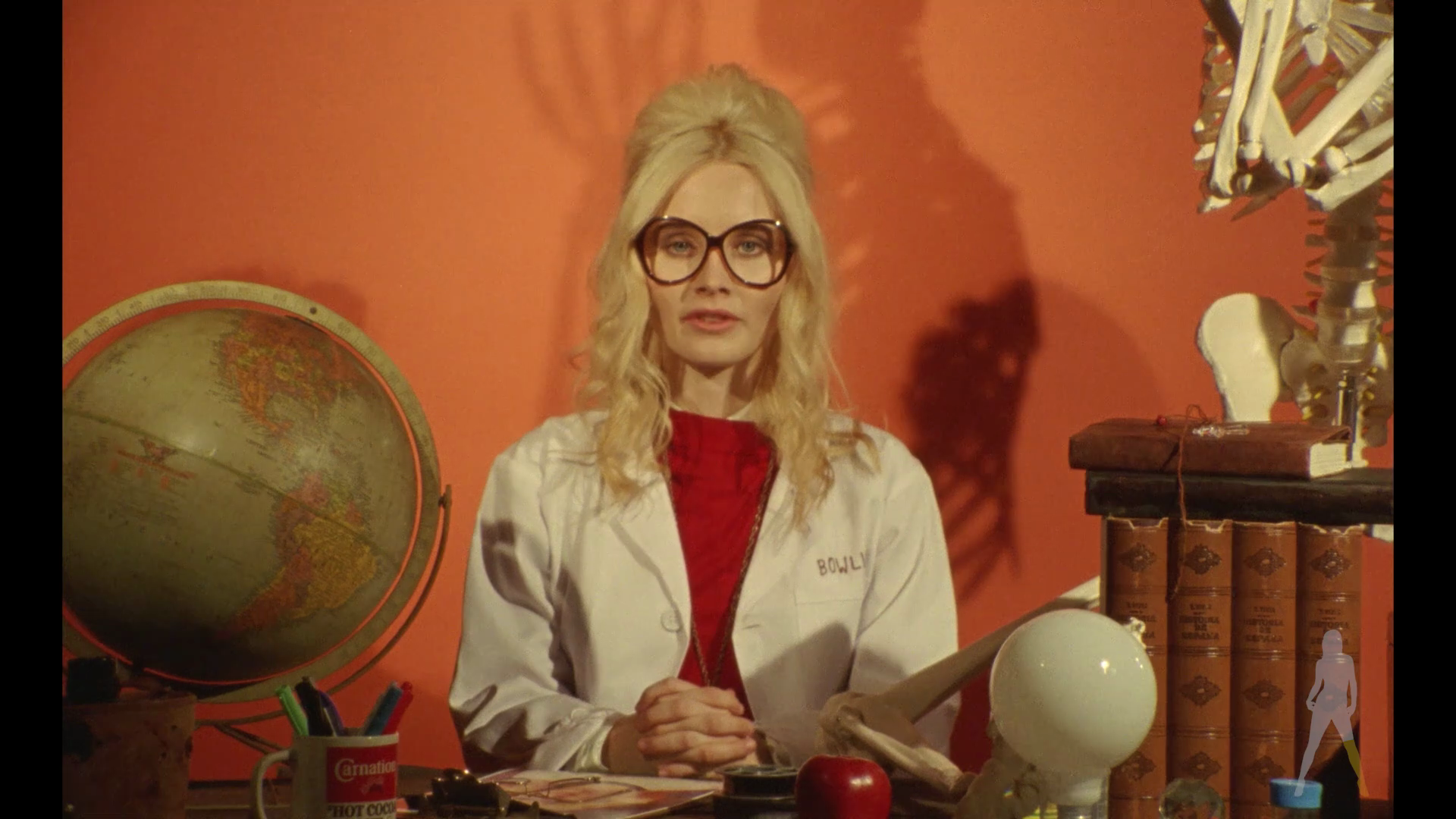
That perspective perhaps helps explain why Cuddly Toys feels simultaneously youthful, fearless, and unconcerned with convention. The film moves effortlessly between comedy and discomfort, often delivering laughs moments before creating unease. When discussing how she approaches that balance, Bowling suggested it is largely instinctive. She described having a naturally unusual sense of humor and spoke about her fascination with editing, citing Orson Welles' F for Fake as her favorite film. For Bowling, editing is all about flow, understanding when to shift between tones and ensuring audiences never become too comfortable in any one emotional space. She explained that funny moments and darker material need to coexist because otherwise the experience would feel disjointed.
That commitment to creative control extends far beyond the editing room. While many filmmakers delegate major responsibilities, Bowling embraces the opposite philosophy. Discussing the experience of working as virtually every key creative voice behind Cuddly Toys, she explained that she genuinely enjoys being involved in every aspect of production. More importantly, she believes it is difficult to fully realize a personal vision without maintaining that level of involvement. Whether discussing costumes, music, or other major artistic decisions, Bowling emphasized that she knows how she wants her characters and world to look, making it difficult to imagine handing those decisions off entirely to someone else. For her, keeping her hands on every part of the process helps ensure the finished film truly feels like her own.
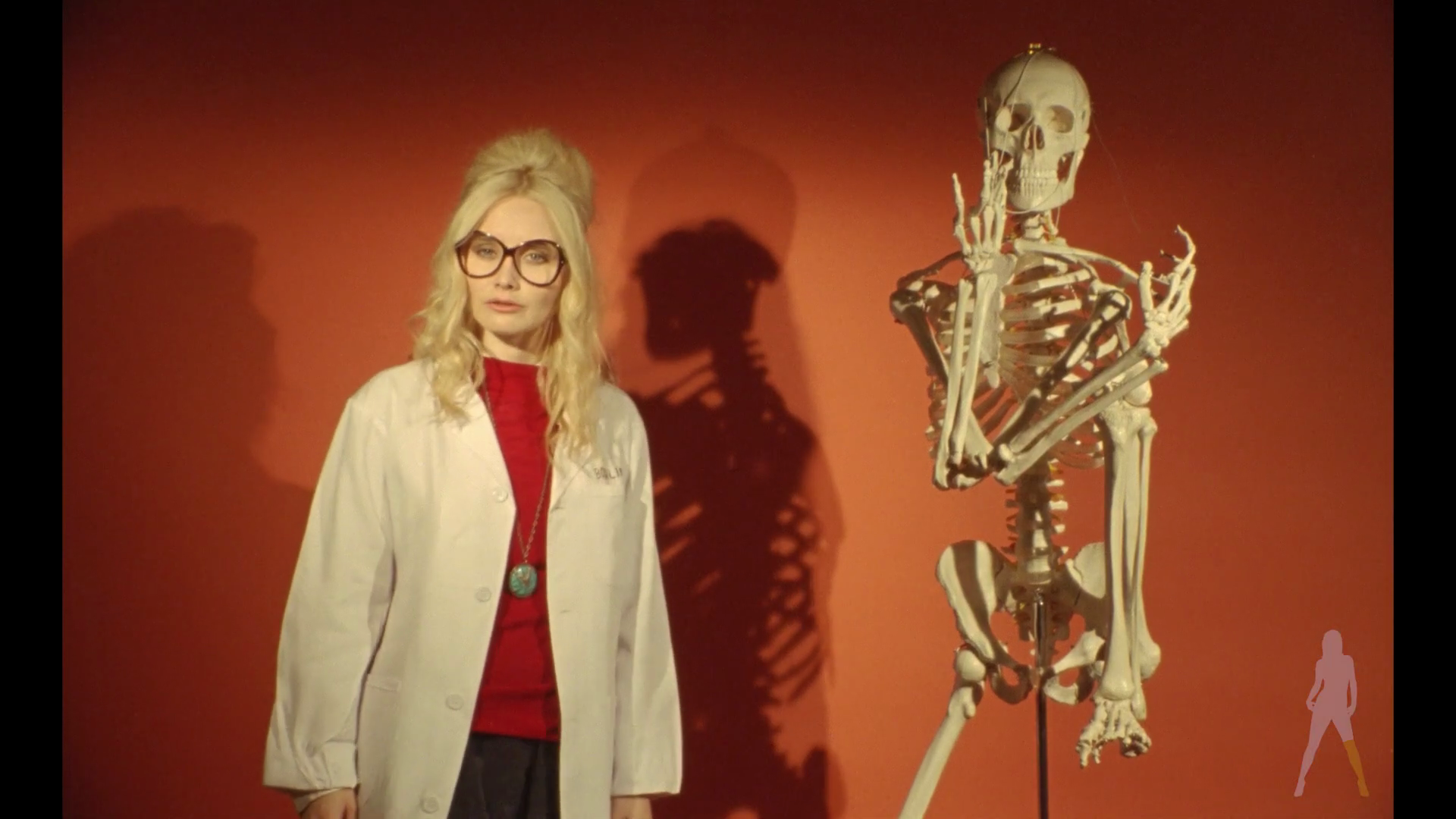
Of course, independent filmmaking often requires embracing imperfections, and Bowling sees value in that reality as well. She described Cuddly Toys as a largely run-and-gun production, with certain unexpected camera movements, bumps, and technical mishaps eventually becoming part of the film's character. Rather than viewing those moments as problems, she frequently incorporated them into the edit, sometimes enhancing them with humorous sound effects. At the same time, she noted that because the film functions as a mockumentary, she never wanted it to appear overly polished in the first place. The rough edges ultimately contributed to the authenticity and personality of the finished product.
Perhaps one of the most surprising aspects of Cuddly Toys has been its staying power. Years after audiences first began discovering the film, conversations continue across festival circles, physical media communities, and online forums. Bowling remains grateful for every reaction the movie receives, even the negative ones. Speaking with a laugh, she noted that when people become angry about the film, her response is still appreciation because they took the time to watch it and engage with it so passionately in the first place.
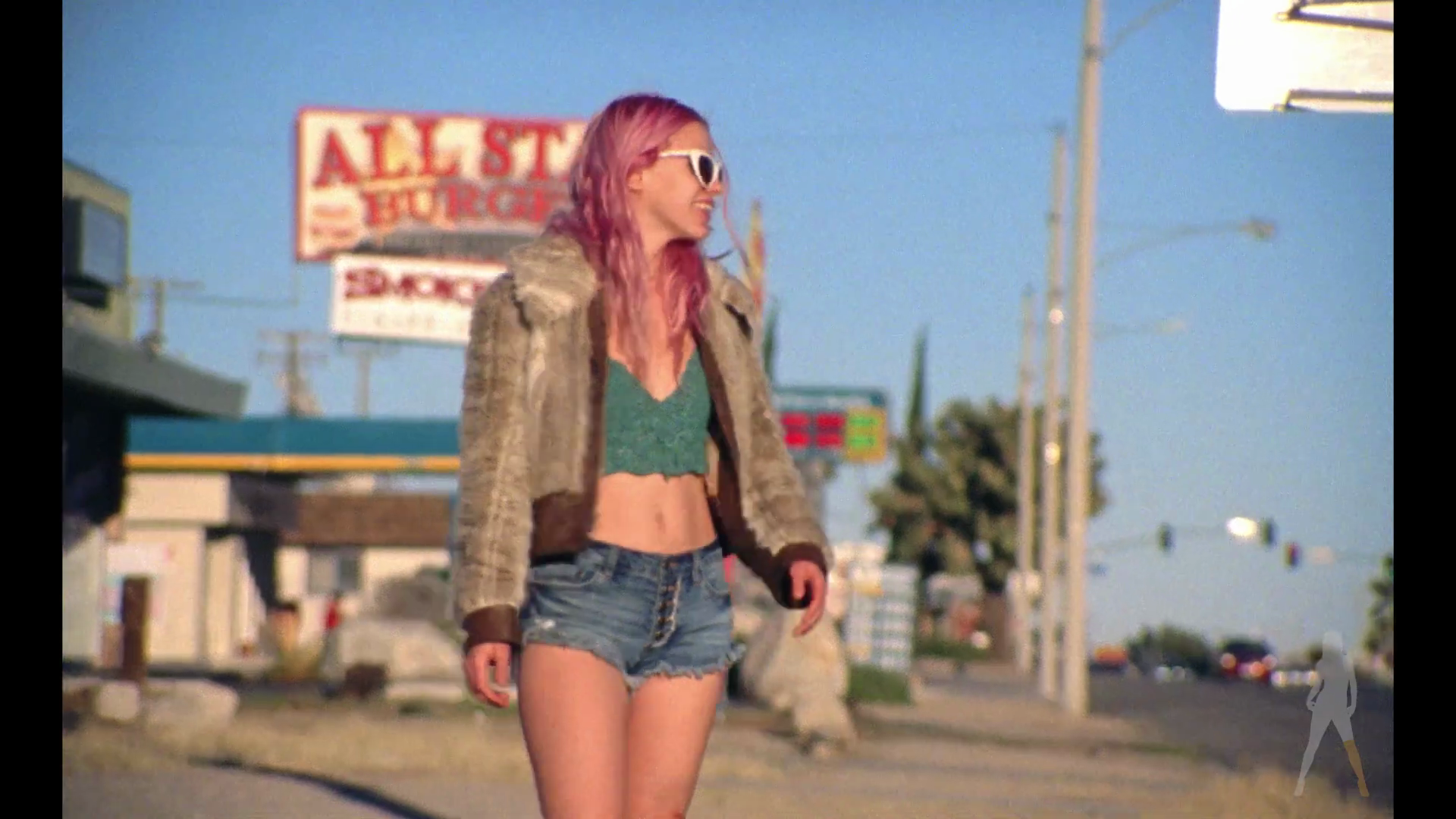
That appreciation for unpredictability also shaped the filmmaking process itself. While Cuddly Toys was built from a script, Bowling revealed that the screenplay was only around sixty pages despite the final film running more than an hour and forty minutes. Entire moments emerged organically during production. Some cast members were playing versions of themselves, some scenes incorporated genuine documentary footage, and others developed spontaneously based on whoever happened to be present. Bowling explained that she often found inspiration in the people around her, inviting individuals to participate simply because an opportunity presented itself. Rather than rigidly adhering to a plan, she preferred allowing situations to evolve naturally, creating a blend of scripted and unscripted material that helped the film feel alive.
That fluid approach also extends to the ensemble cast. Bowling expressed admiration for films featuring multiple intersecting storylines and large groups of characters, citing Robert Altman as a major influence. The appeal of watching different stories overlap and interact is something she expects to continue exploring in future projects. Likewise, she remains drawn to unconventional structures that move between timelines and perspectives, helping create the slightly off-kilter feeling that has become one of her trademarks.

While Bowling was happy to discuss the nuts and bolts of making Cuddly Toys, she seemed less interested in prescribing a specific message for audiences. Asked what she hopes viewers take away from the experience, her answer was refreshingly straightforward. More than anything, she simply hopes people are entertained. Rather than dictating meaning, she appears content allowing audiences to bring their own interpretations to the film and decide for themselves what resonates.
After talking with Bowling, it is easy to understand why she continues to be one of the most compelling figures working in independent genre cinema. She possesses a creative confidence that never feels forced and an artistic voice that remains unmistakably her own. More importantly, she approaches filmmaking with genuine enthusiasm, curiosity, and a willingness to embrace the unexpected. With new projects already on the horizon and a career that seems to be gathering momentum with every appearance, one thing is becoming increasingly clear: Kansas Bowling really is everywhere these days, and based on the strength of Cuddly Toys, her star only seems destined to keep rising.
Jessie Hobson