
Seen at the Sitges International Film Festival, Karim Ouelhaj's Heat of Madness arrives carrying considerable expectations. The filmmaker's previous feature, Megalomaniac, earned significant acclaim on the festival circuit, and this latest effort once again plunges viewers into a bleak, morally decayed world where reality and hallucination bleed together.
The film follows Scola, a small-time criminal desperate to secure one last score before becoming a father. After being double-crossed by his partners, he spirals into an obsessive quest to recover his stolen money, a journey that gradually drifts from crime thriller territory into something far stranger and more supernatural. As Scola wanders through what increasingly resembles a personal purgatory, Heat of Madness explores themes of guilt, obsession, and self-destruction.

If there is one area where Heat of Madness undeniably succeeds, it is visual craftsmanship. Ouelhaj demonstrates an impressive eye for composition, delivering frame after frame that feels meticulously constructed. Whether set inside stark hospital corridors, along lonely waterfronts, or deep within unnerving forests, the film frequently achieves a haunting beauty that lingers long after individual scenes have ended. The director's stated goal of creating self-contained pictorial compositions is clearly evident throughout the film.
There are moments that feel distinctly Lynchian, as though Twin Peaks has been uprooted from the Black Lodge and dropped into the middle of a dense woodland. These sequences generate a welcome sense of unease and occasionally tap into something genuinely dreamlike. Likewise, the film's excursions into nightclubs and underground spaces provide an authentic griminess that gives the world texture. The environments feel lived-in, dangerous, and appropriately seedy. Unfortunately, the film's visual strengths consistently outpace the story unfolding within them.
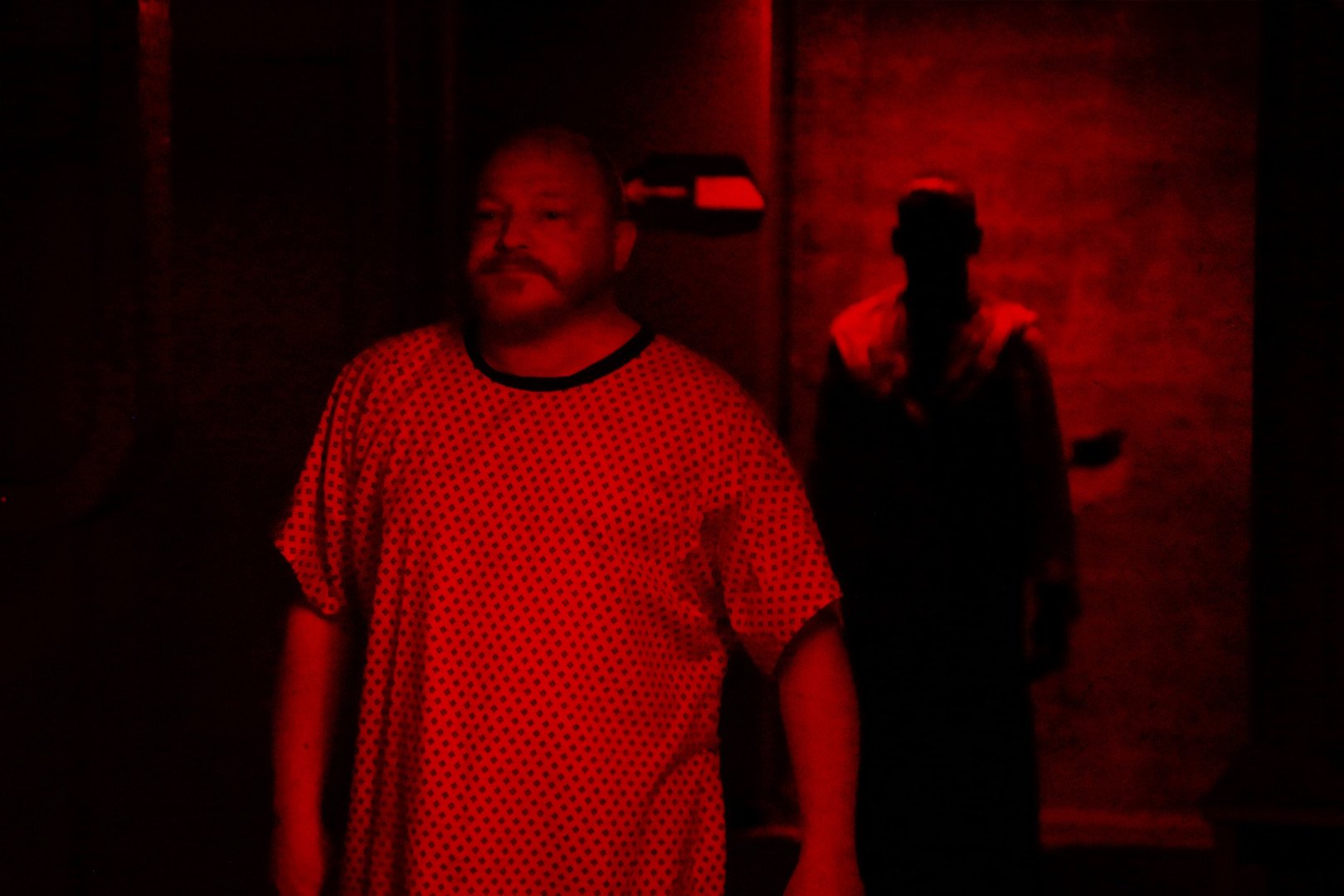
What begins as a tale of betrayal and vengeance gradually becomes chopped, scrambled, and stretched to the point that audience investment begins to evaporate. The narrative embraces ambiguity, but ambiguity alone is not inherently compelling. The symbolism is often presented so vaguely, and the plotting becomes so meandering, that deciphering the film starts to feel less like an intriguing puzzle and more like an obligation.
To be fair, the disorientation appears intentional. The film leaves viewers without a clear sense of time, geography, or even reality itself, mirroring Scola's deteriorating mental state. Yet intention does not always translate to engagement. The further the story descends into abstraction, the harder it becomes to care where the journey is heading.
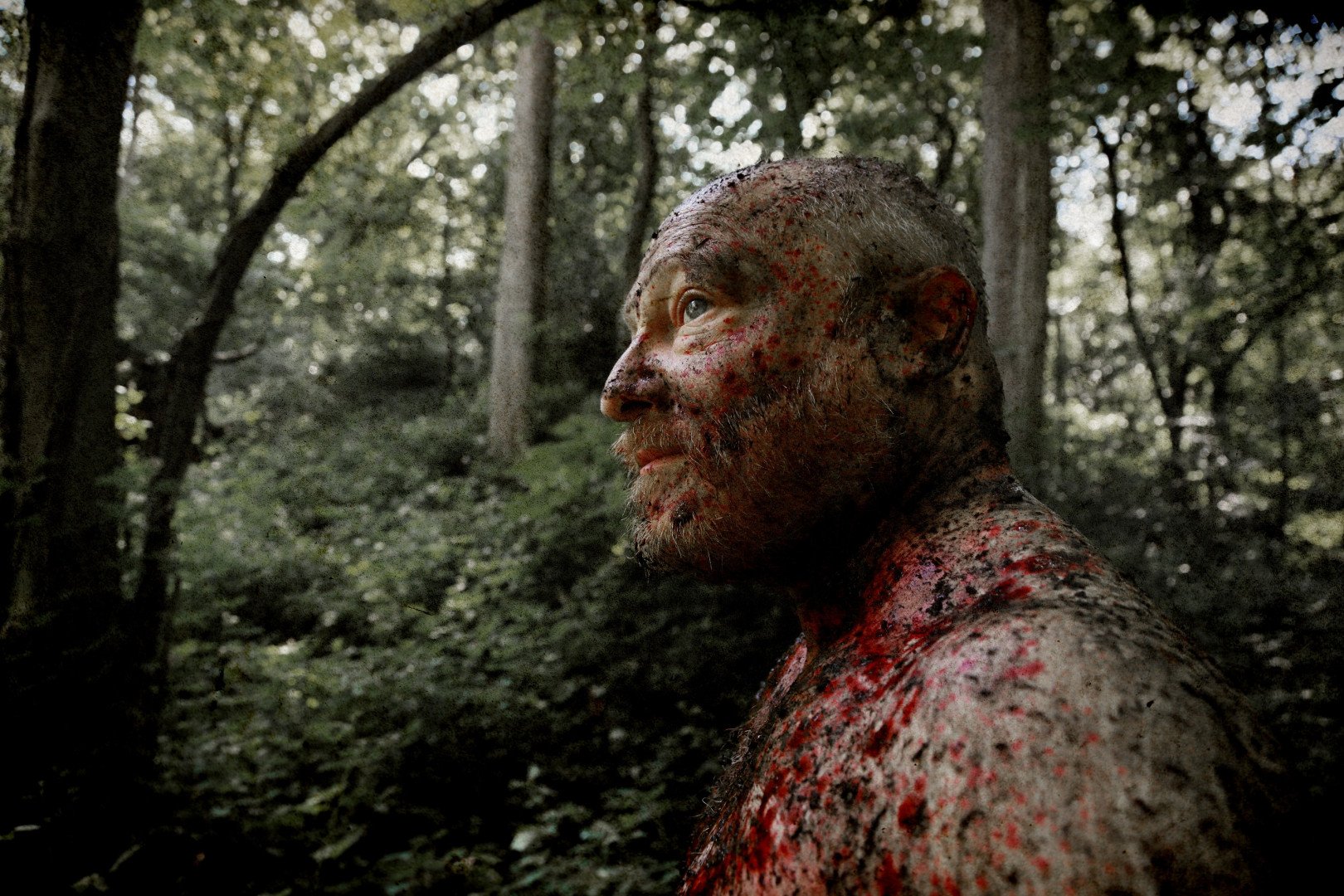
That disconnect is exacerbated by a cast of characters who are difficult to latch onto. Scola's downward spiral rarely evolves beyond repetition, while the supporting figures often function more as symbols than fully realized people. Combined with the film's erratic tonal shifts, the result is an experience that feels emotionally distant even when it is striving for profound introspection.
At just over one hundred minutes, the film also struggles to justify its runtime. There are enough striking images to fill a compelling short film or a tighter feature, but the narrative momentum repeatedly stalls. Long stretches of wandering and cryptic encounters eventually create diminishing returns, leaving the audience admiring the scenery while waiting for the story to catch up.

Heat of Madness is clearly a deeply personal and ambitious work from a filmmaker determined to push further into surrealist territory. Visually, it is often remarkable. Few directors can craft images this arresting or build atmosphere this effectively. Yet for all its technical prowess and artistic ambition, the film never finds an equally compelling narrative backbone. What remains is a fascinating collection of beautiful images assembled around a story that feels frustratingly elusive.
For viewers drawn to abstract arthouse nightmares and heavily symbolic storytelling, there may be enough here to appreciate. For everyone else, Heat of Madness is likely to inspire more admiration than fascination.
Jessie Hobson