
For some people, going to the movies is entertainment. For others, it is something closer to a ritual. No matter what is playing, stepping into a theater offers a temporary escape from the chaos of everyday life. As someone who has turned to movie theaters through both good times and bad, The Last Picture Shows felt deeply personal. Rustin Thompson's documentary is informative, melancholy, beautiful, and occasionally heartbreaking, but above all else, it serves as a powerful reminder that local movie theaters are worth fighting for.
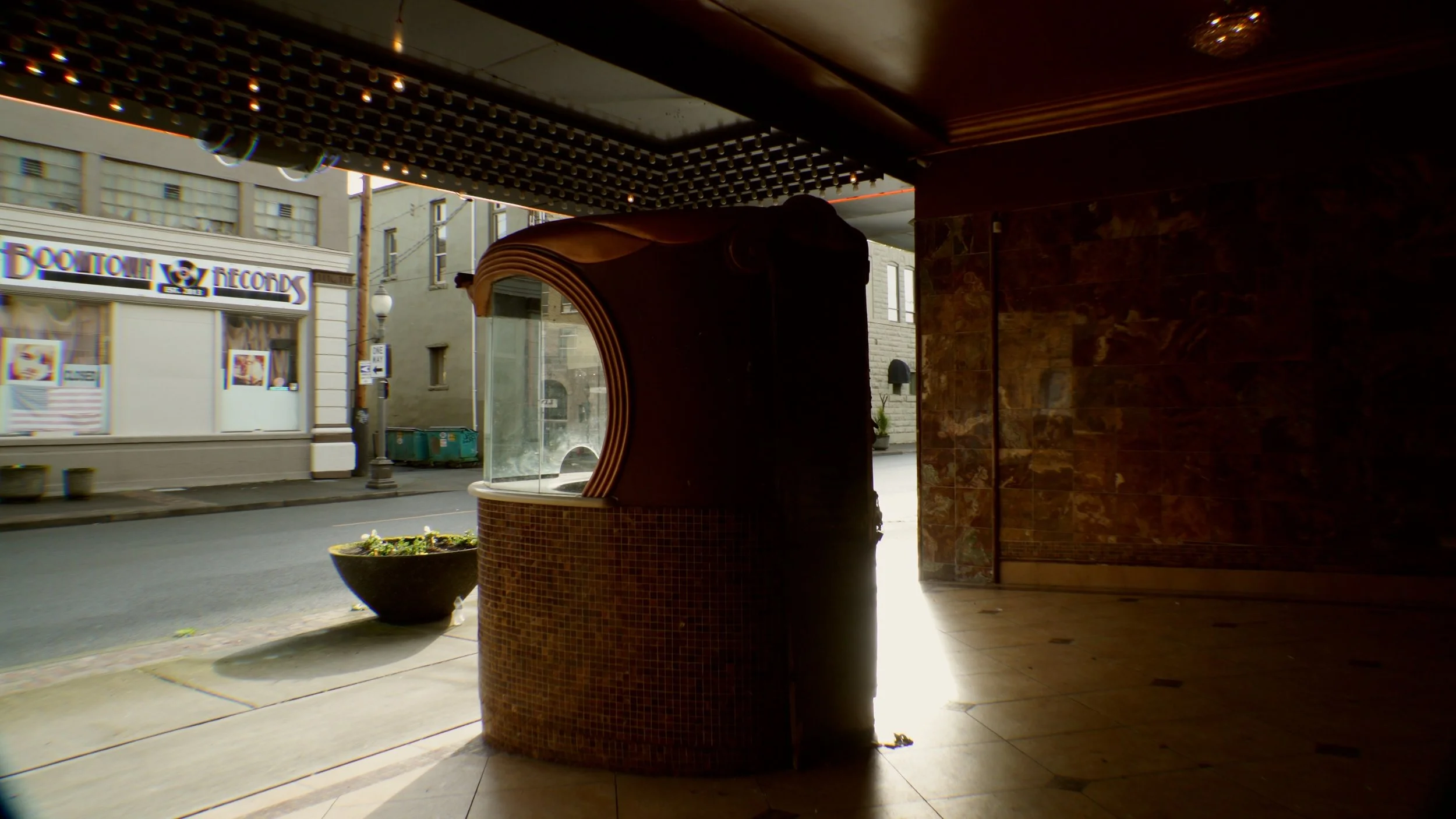
The film opens with a simple declaration that everything we are about to see was made by human hands. It is an appropriate introduction for a documentary centered on places built through passion, community, and perseverance. Thompson embarks on a 10-state, 10,825-mile journey across the American West, visiting 123 theaters in search of what remains of small-town moviegoing. Along the way, he captures both abandoned cinemas left behind by changing times and the determined owners who continue keeping their screens illuminated despite increasingly difficult odds.
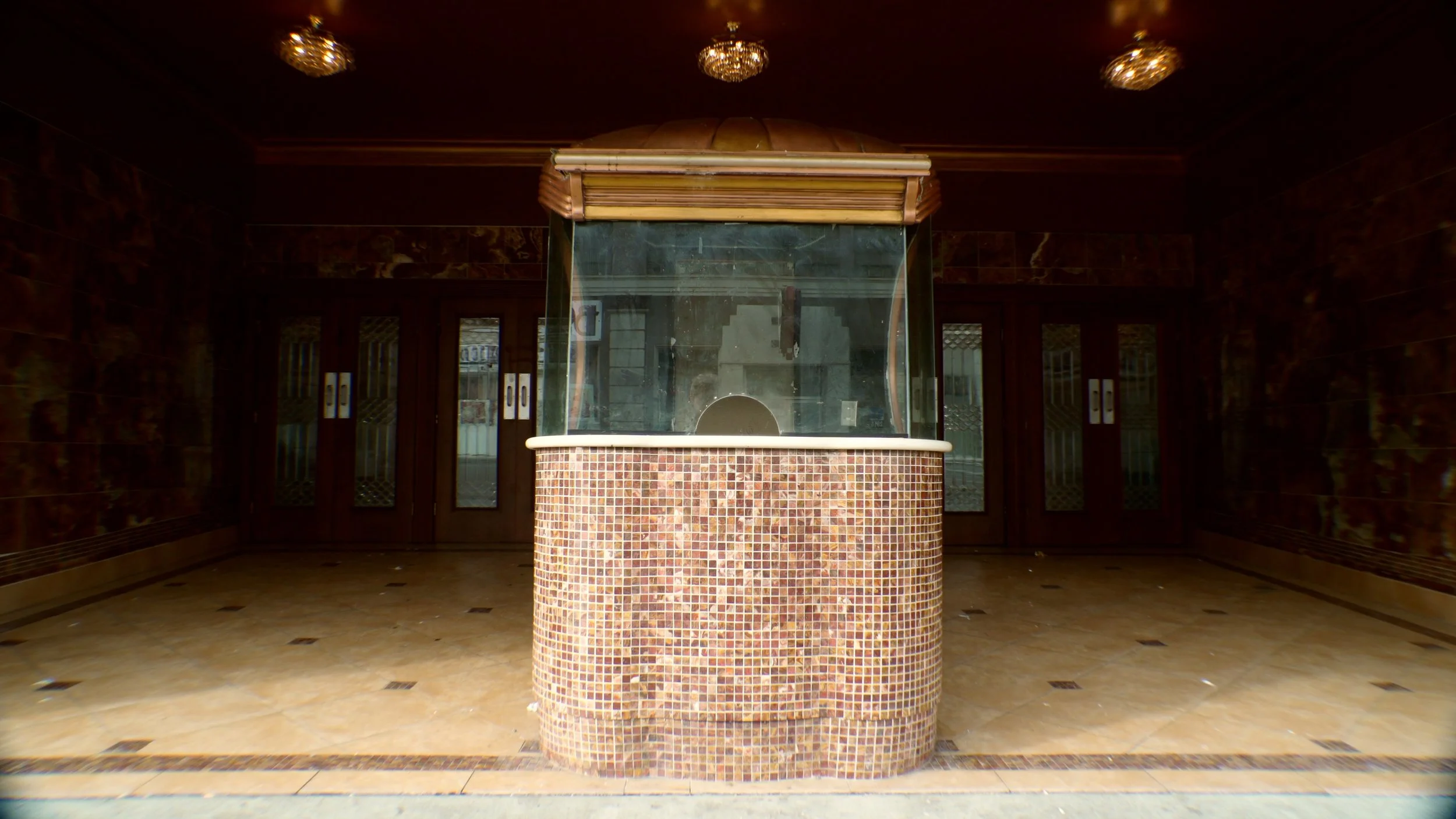
Visually, the documentary is stunning. Thompson fills the film with gorgeous images of forgotten main streets, aging marquees, empty auditoriums, breathtaking landscapes, and mountain ranges stretching beyond the horizon. The contrast between natural beauty and architectural decay creates an atmosphere that is both nostalgic and reflective. Excluding the mountains, many of these towns looked surprisingly similar to the places I grew up around, lending the documentary an added layer of familiarity.
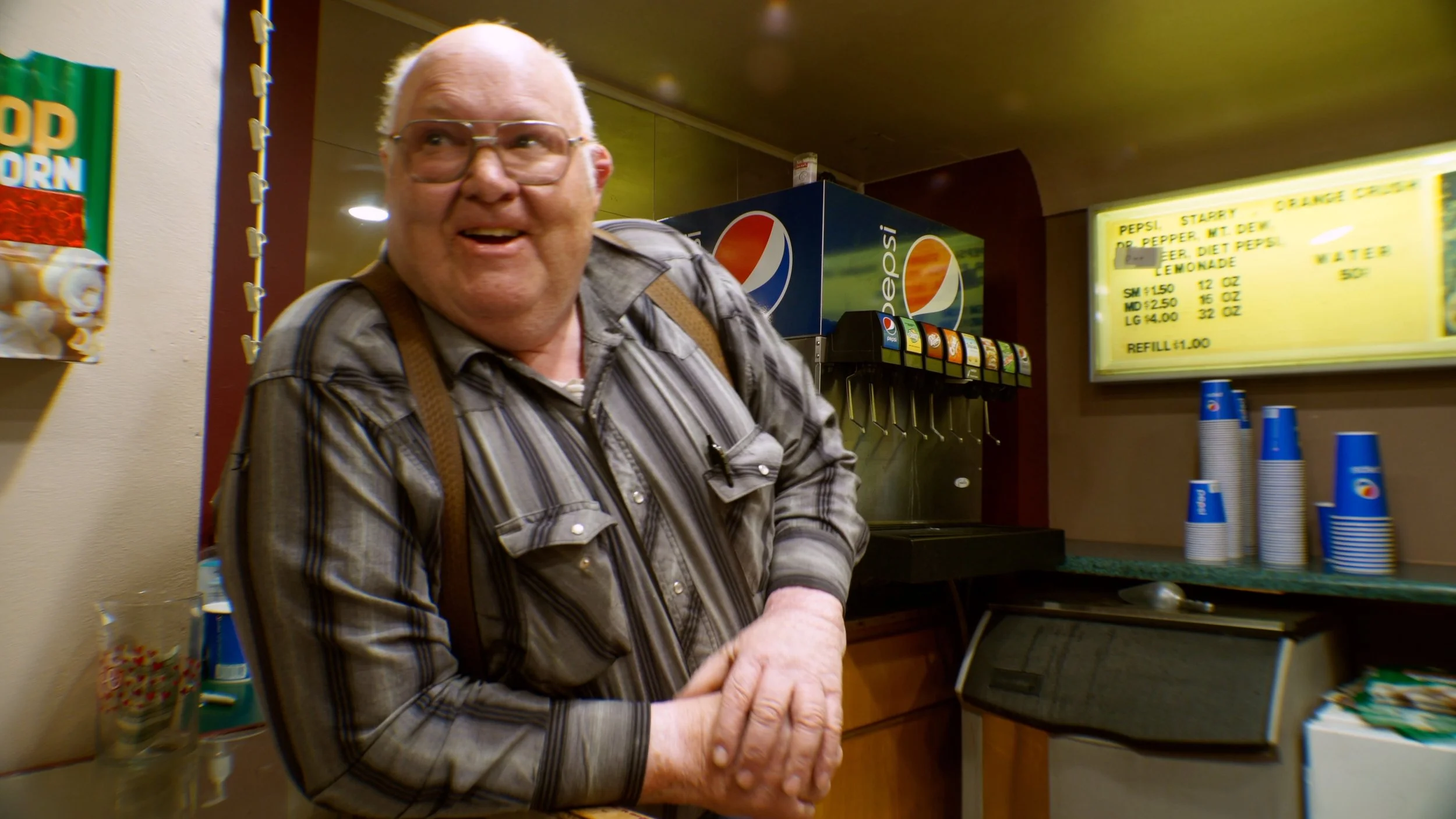
One of the film's greatest strengths is its focus on the people behind these theaters. Early on, Thompson visits the Desert Historic Theater in Burns, Oregon, where owner Melvin "Tiny" Pedersen explains how he and his wife purchased the theater and continue operating it for the benefit of the community. Tiny openly admits he was never a major movie buff, but in a town with limited entertainment options, keeping the theater alive matters. He still works a full-time job while running the cinema and keeps prices affordable because he understands the role it plays in local life. His story perfectly captures the spirit of the documentary. These are not business moguls chasing profits. They are caretakers preserving a gathering place.
Throughout the film, Thompson enriches the journey with clips from classic films that celebrate moviegoing while film historian Ross Melnick provides valuable historical context. Melnick traces the rise, decline, resurgence, and ongoing struggles of theatrical exhibition, painting a picture of an industry that has continuously evolved while remaining vulnerable to economic and cultural changes. According to the documentary, the United States once had roughly 22,000 theaters in 1929. Today, fewer than 3,000 remain. The numbers alone tell a sobering story.
Some of the documentary's most fascinating segments explore the practical realities of operating a theater in modern America. Projectionists discuss the difficult transition from 35mm film to digital projection and the significant financial investment many independent theaters were forced to make just to survive. Theater owners describe challenging negotiations with distributors, restrictive booking agreements, and shrinking profit margins. The film effectively illustrates how difficult it can be for a one or two-screen cinema to compete in an industry increasingly dominated by multiplex chains and major corporate interests.
The documentary also highlights changing audience habits. Several owners discuss the impact of streaming services, while others note that more people are seeking unique cinematic experiences rather than simply showing up for the latest blockbuster. One interviewee makes a compelling point that, despite technological changes, people will always value the communal experience of seeing a movie with an audience. Watching a film at home may be convenient, but it cannot replicate the atmosphere of a theater.

A particularly enjoyable section examines the history of drive-in theaters. Filled with nostalgia and historical anecdotes, it reminds viewers how deeply woven moviegoing once was into American culture. The numbers are startling. Oregon alone once had around 50 drive-ins, while only a handful remain today. Nationwide, there are only a few hundred left. While watching the film, I found myself checking on my own local drive-in, only to discover it had closed years ago. It was a small but fitting reminder of the documentary's central message: if you love something, support it while you still can.
The film's examination of the COVID-19 pandemic is equally affecting. Thompson explores how closures devastated independent theaters and altered audience behavior. Many people simply drifted away from the theatrical experience during those years and never returned. Hearing theater owners describe that period brought back memories of my own first trip back to the movies after lockdowns. It genuinely felt like reconnecting with an old friend.
There are also plenty of surprising discoveries along the way. I particularly enjoyed learning that some movie theaters originated from military surplus Quonset huts sold to civilians after World War II. Nearly 200 of these structures were reportedly converted into cinemas. It is the kind of small historical detail that helps make the documentary feel rich and rewarding.
If I have a criticism, it is that the documentary occasionally becomes repetitive during its final stretch. Many of the challenges facing independent theaters overlap, and some interviews begin echoing similar points. Thompson's passion for the subject occasionally pushes the film toward advocacy rather than observation. Still, when the cause is preserving local theaters, it is difficult to fault the sincerity behind the message.
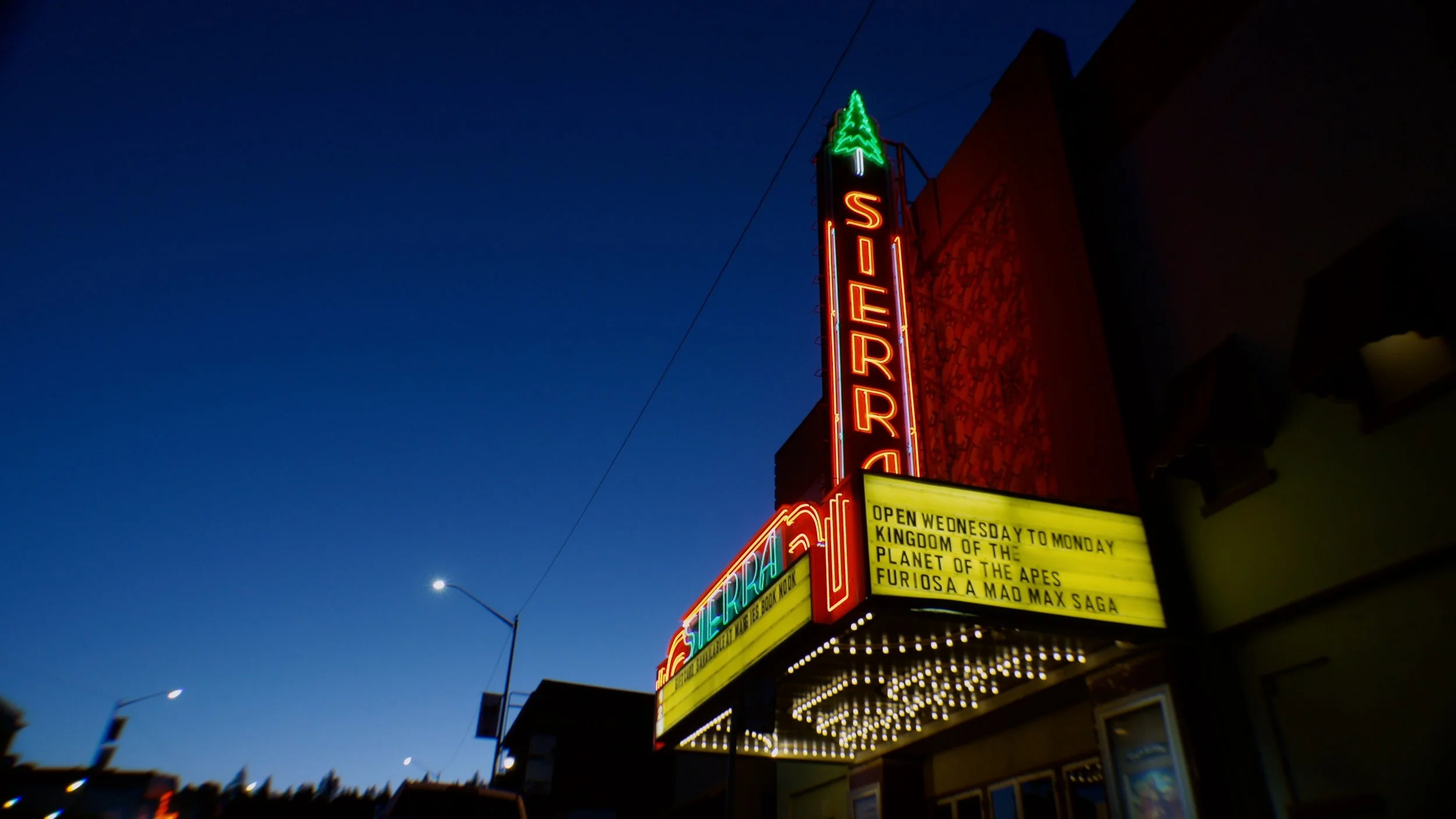
What ultimately makes The Last Picture Shows so effective is that it functions as both a historical document and an emotional plea. It is packed with fascinating information, but it is also a remarkably poignant time capsule. Some of Thompson's footage is breathtaking. Some of it is devastating. Watching vibrant community landmarks sit abandoned and forgotten is genuinely sad, while seeing dedicated owners refuse to let their theaters disappear is inspiring in equal measure.
The documentary closes by providing updates on many of the theaters featured throughout the journey. Some stories end happily. Some do not. Most are bittersweet. That balance feels honest because the future of these small-town movie houses remains uncertain.
For lifelong movie lovers, The Last Picture Shows will hit especially hard. It is a celebration of community, a history lesson, a road trip through the American West, and ultimately a heartfelt reminder that movie theaters are more than businesses. They are gathering places, landmarks, and memories. If the film succeeds as a public service announcement encouraging audiences to support their local theater, it is because Thompson presents a compelling case that these places are worth saving before they become nothing more than pictures from the past.
Jessie Hobson