
After more than a decade away from features, Gregg Araki returns with I Want Your Sex, a neon-soaked psychosexual comedy-thriller that feels like a filmmaker completely uninterested in playing it safe. Following Elliot (Cooper Hoffman), a drifting twenty-something who lands a job working for provocative artist Erika Tracy (Olivia Wilde), the film dives headfirst into questions of desire, power, self-discovery, and the increasingly complicated ways young people relate to intimacy in the digital age.
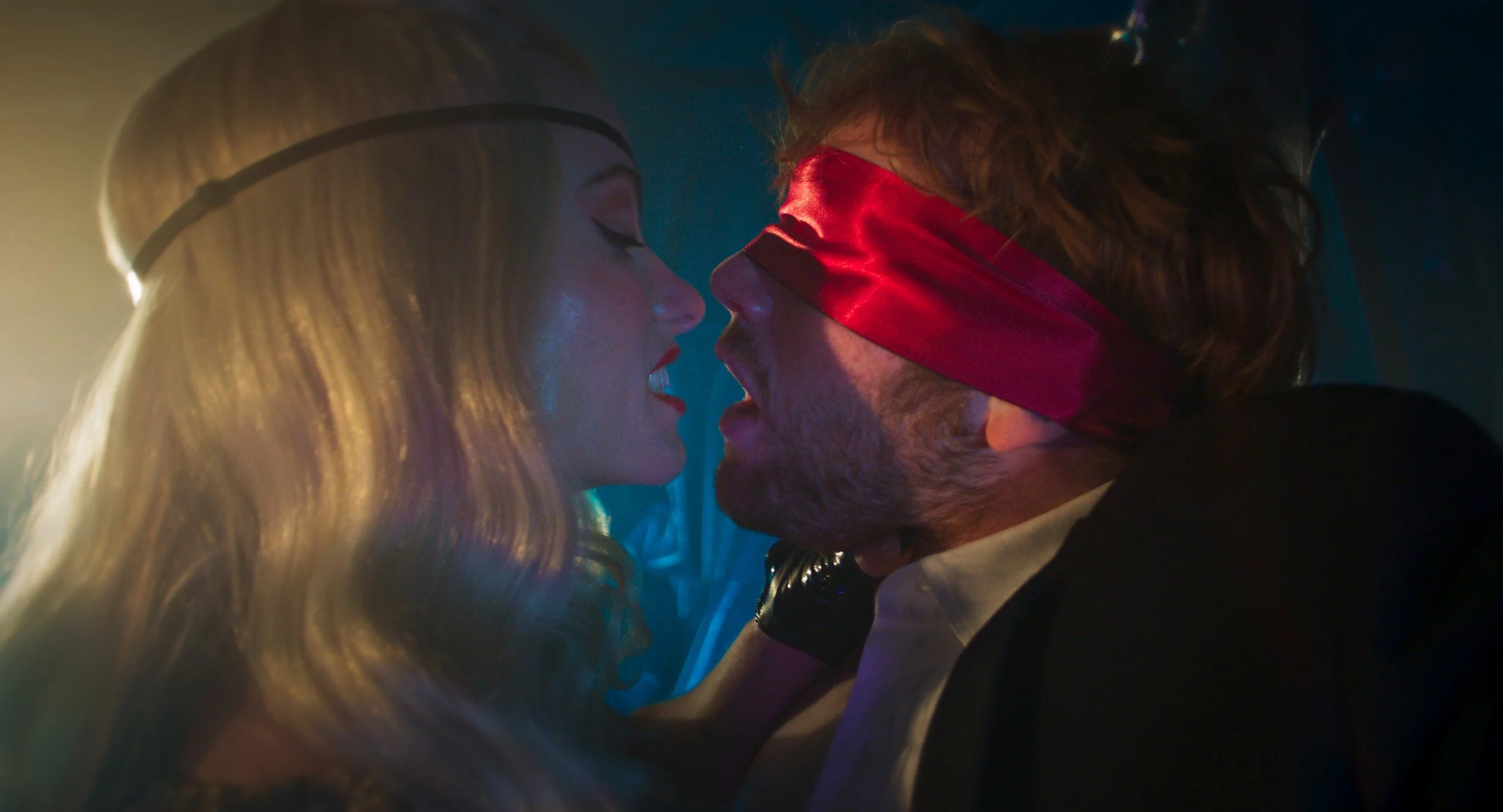
The result is a big, wonderful, horny cartoon. It is dark, hilarious, uncomfortable, and frequently absurd, yet it never loses sight of what Araki has always understood better than most filmmakers: people are messy, desire is messy, and some of life's most embarrassing decisions often reveal who we really are.
Much of the film's success rests on the shoulders of Olivia Wilde and Cooper Hoffman, and both performers commit completely. Wilde seems completely at home as Erika, bringing confidence, unpredictability, and an infectious sense of fun to a character who could have easily become a one-note fantasy. Instead, she makes Erika feel magnetic and dangerous in equal measure. Hoffman continues to prove he's one of the most exciting young actors working today. Like his father, he has an incredible ability to communicate emotion through his eyes alone. He can play uncertainty, longing, panic, and excitement without saying a word, and that talent serves him especially well here. Together, Wilde and Hoffman create a dynamic that's consistently engaging, funny, and occasionally unsettling.
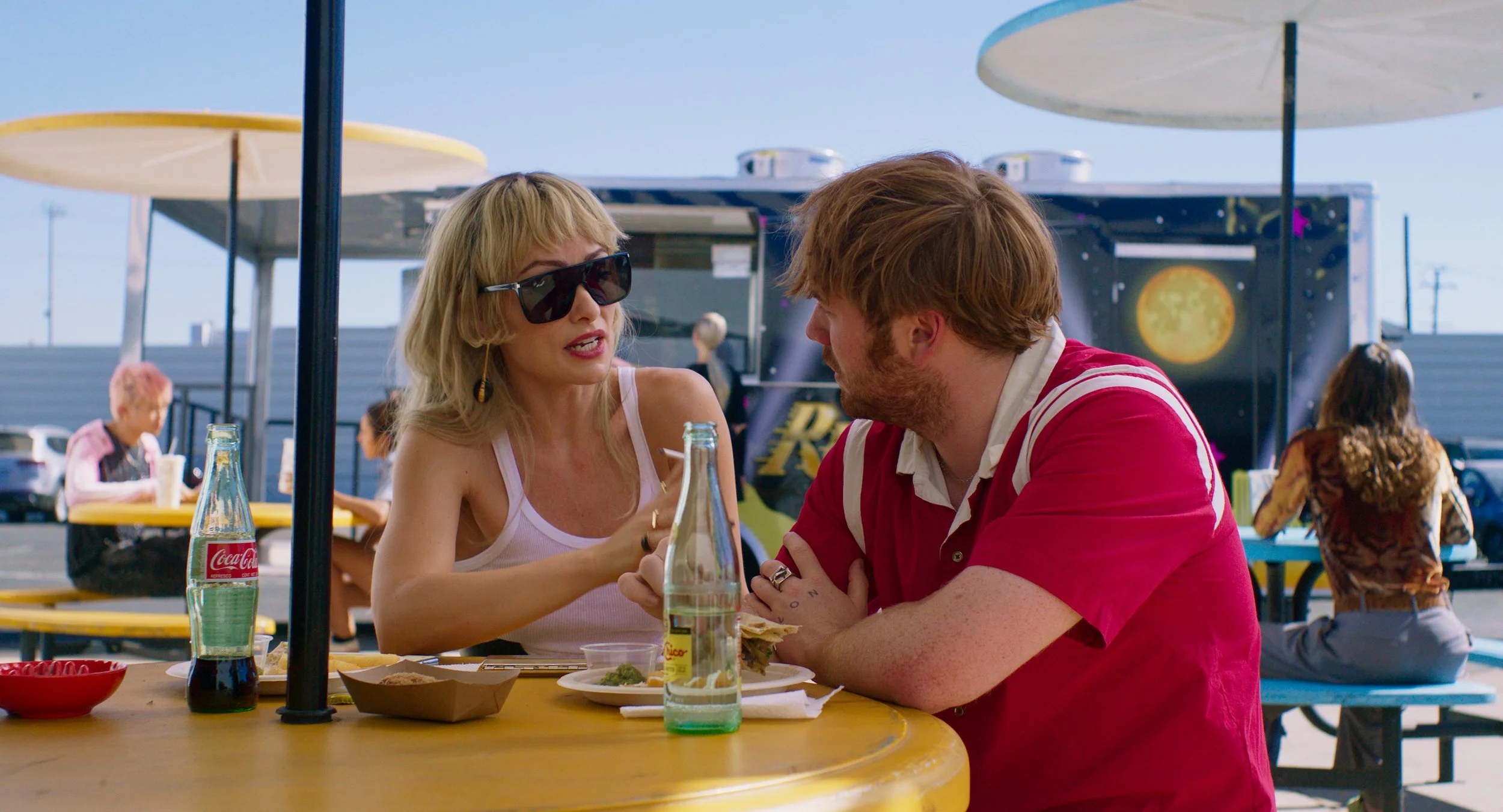
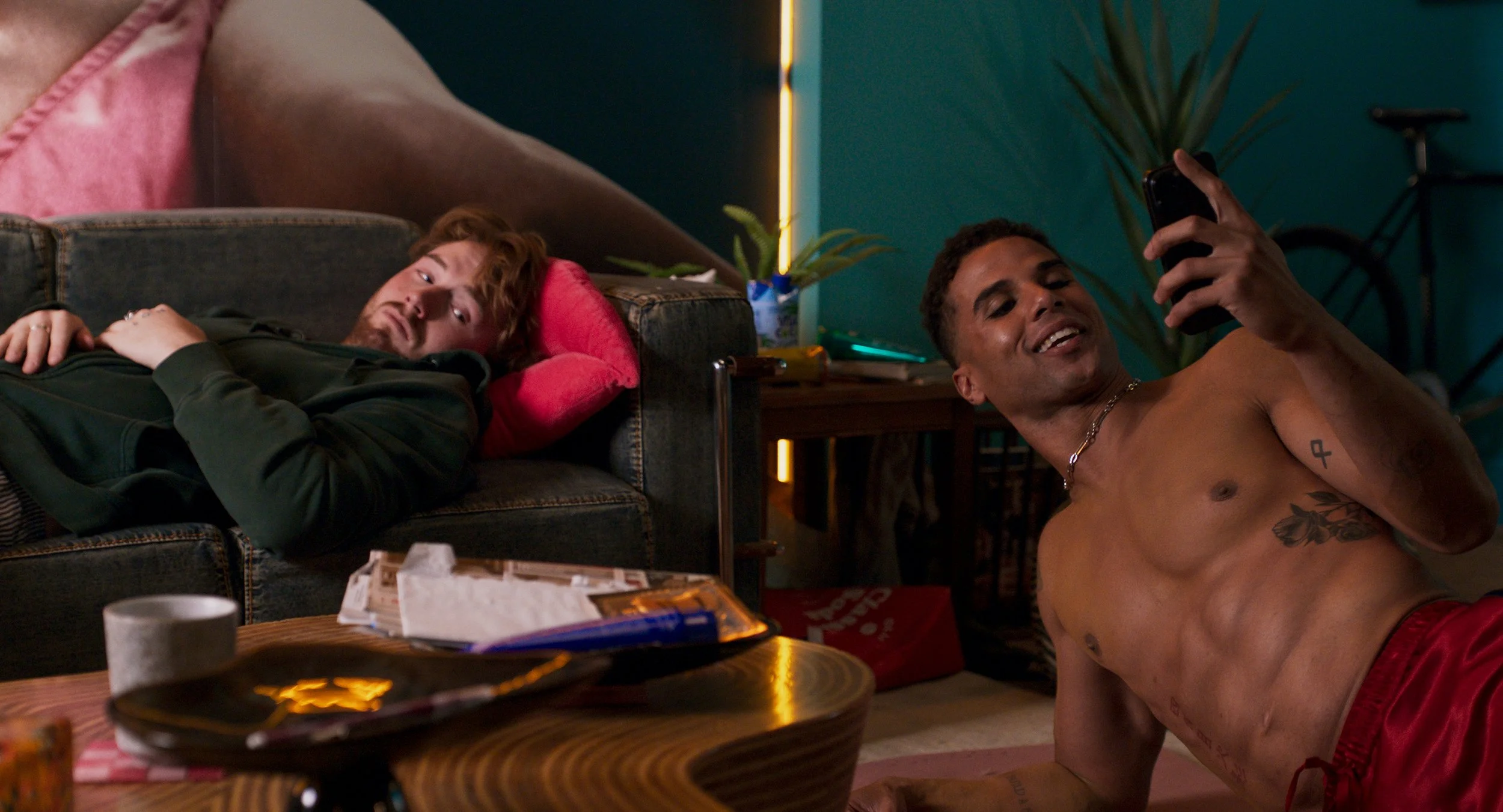
The supporting cast keeps the energy high. Mason Gooding is a standout as Zap, delivering one of the film's funniest performances while showing a completely different side of himself than audiences may expect. Chase Sui Wonders continues to be a welcome screen presence, while longtime Araki collaborator James Duval makes a brief appearance that feels both random and oddly comforting for longtime fans. Even smaller performances leave an impression, contributing to a cast that seems fully locked into Araki's particular wavelength.
Visually, the film is gorgeous. Every home, apartment, gallery, and corner of Los Angeles feels meticulously designed. The production design fills the screen with color and personality, creating a heightened reality that often resembles a living pop-art installation. Araki and cinematographer Tucker Korte frame conversations with remarkable creativity, constantly finding ways to make even simple exchanges visually engaging. Conversations that might feel routine in another filmmaker's hands become dynamic just through framing and composition alone. The look of the film perfectly complements its satirical, larger-than-life sensibilities.
Araki also peppers the film with animated flourishes that fit comfortably within the stylistic direction he's embraced in his later work. They're fun and occasionally inspired, though they're used so sparingly that they end up feeling more distracting than transformative. The tonal shift they introduce never fully develops because the device appears too infrequently. It's one of the few stylistic choices that feels underutilized rather than fully realized.
The sound design is another occasional stumbling block. Certain audio choices become oddly pronounced, drawing attention to themselves in ways that feel unnecessary. Minor sounds are amplified to such a degree that they occasionally pull focus from the scene rather than enhance it.
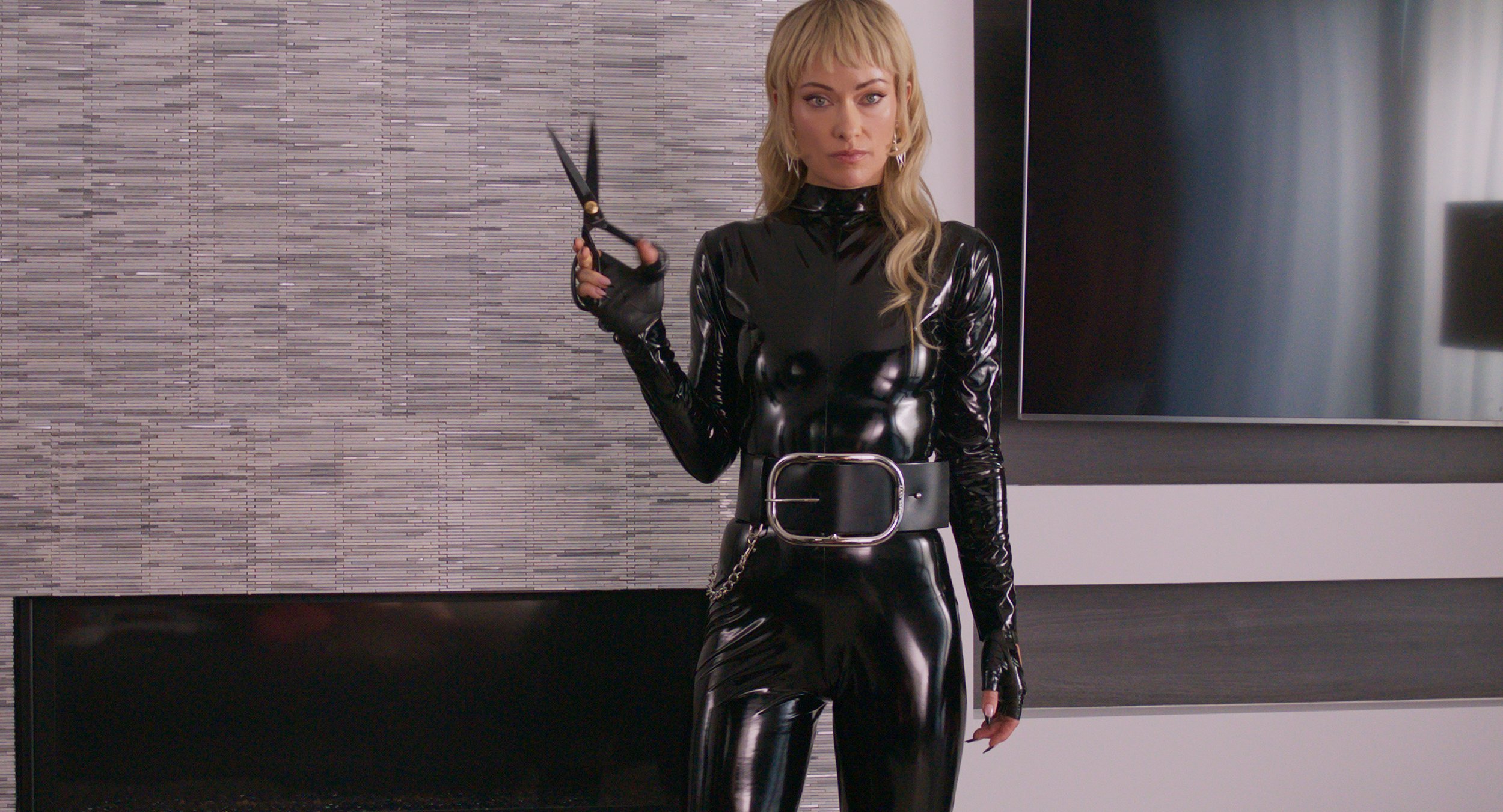
Still, those issues barely register against the film's larger accomplishments. I Want Your Sex works because it's genuinely funny. Some of its biggest laughs emerge from moments that are almost painfully uncomfortable, creating the kind of audience experience best shared with a packed theater. The movie consistently finds humor in awkwardness, insecurity, and the strange negotiations people make when trying to understand what they want from themselves and from others.
Beneath the camp, satire, and outrageous comedy is an unexpectedly sincere heart. Araki and co-writer Karley Sciortino use the film's outrageous premise to explore a generation that has grown increasingly hesitant to risk vulnerability. The film argues that desire, embarrassment, rejection, and even spectacular mistakes remain essential parts of self-discovery. Rather than condemning its characters for making foolish decisions, it embraces the idea that personal growth often comes from those very moments.
In many ways, the film feels like Pillion filtered through Araki's uniquely colorful worldview. It blends romance, comedy, satire, mystery, and thriller elements into something that shouldn't quite work, yet somehow does. It may never reach the transcendent heights it occasionally seems to be chasing, but it succeeds as a wildly entertaining crowd-pleaser with plenty on its mind.
Most importantly, it feels like Gregg Araki again. And that's more than enough reason to celebrate.
Jessie Hobson