
At just nine minutes long, Odyssey: Returning Home falls well outside the type of project we would normally cover at CineDump. It's a fully AI-generated short, and that fact brings all the usual caveats with it. Still, its brief runtime makes for an easy commitment, and credit where it's due: presented in 4K, it often looks about as good as AI-generated filmmaking currently can. The imagery is attractive, painterly, and frequently striking, even if the visual language becomes repetitive over the course of the short.

What Devendra Tak has created is less a traditional film and more a cinematic meditation. Rather than retelling Homer's epic as an adventure filled with monsters, gods, and heroic conquest, Odyssey: Returning Home focuses on the aftermath. The question isn't whether Odysseus can make it back to Ithaca. The question is what remains of a man after war, loss, and years of surviving a journey that has fundamentally altered him.
The film reimagines Odysseus not as a victorious hero, but as a man trying to reconcile memory with identity. Through reflective narration and dreamlike visuals, it explores the emotional distance between the person who leaves home and the person who eventually returns. The script repeatedly circles themes of survival, remembrance, and the uneasy realization that home may no longer be the place or people one remembers. As Odysseus reflects that he is "not who left, and yet I am here," the film finds its emotional center in the tension between change and belonging.
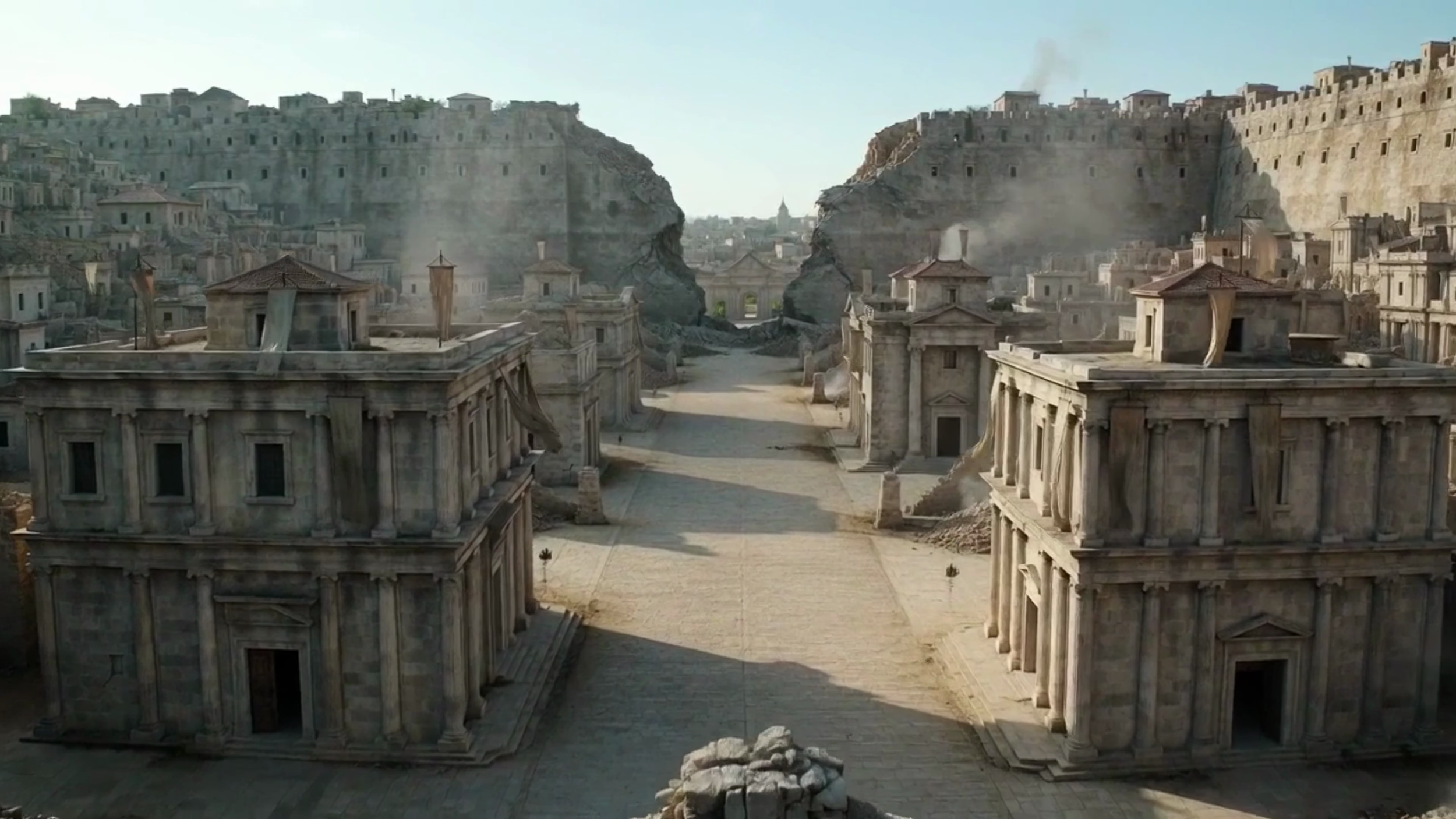
That introspective approach is the short's greatest strength. The narrative spends less time on the famous events of The Odyssey and more time examining the psychological scars left behind by them. Storms, monsters, gods, and battles become memories rather than spectacles. The focus is on the silence that follows conflict, the loss of identity accumulated over years of struggle, and the difficult task of becoming oneself again after enduring the unimaginable.
The soundtrack plays a major role in establishing that atmosphere. Music drives much of the emotional rhythm, helping transform the film into something closer to an audiovisual poem than a conventional narrative. Combined with the AI-generated imagery, it creates an intentionally dreamlike experience that often feels as though it is operating somewhere between memory and myth.
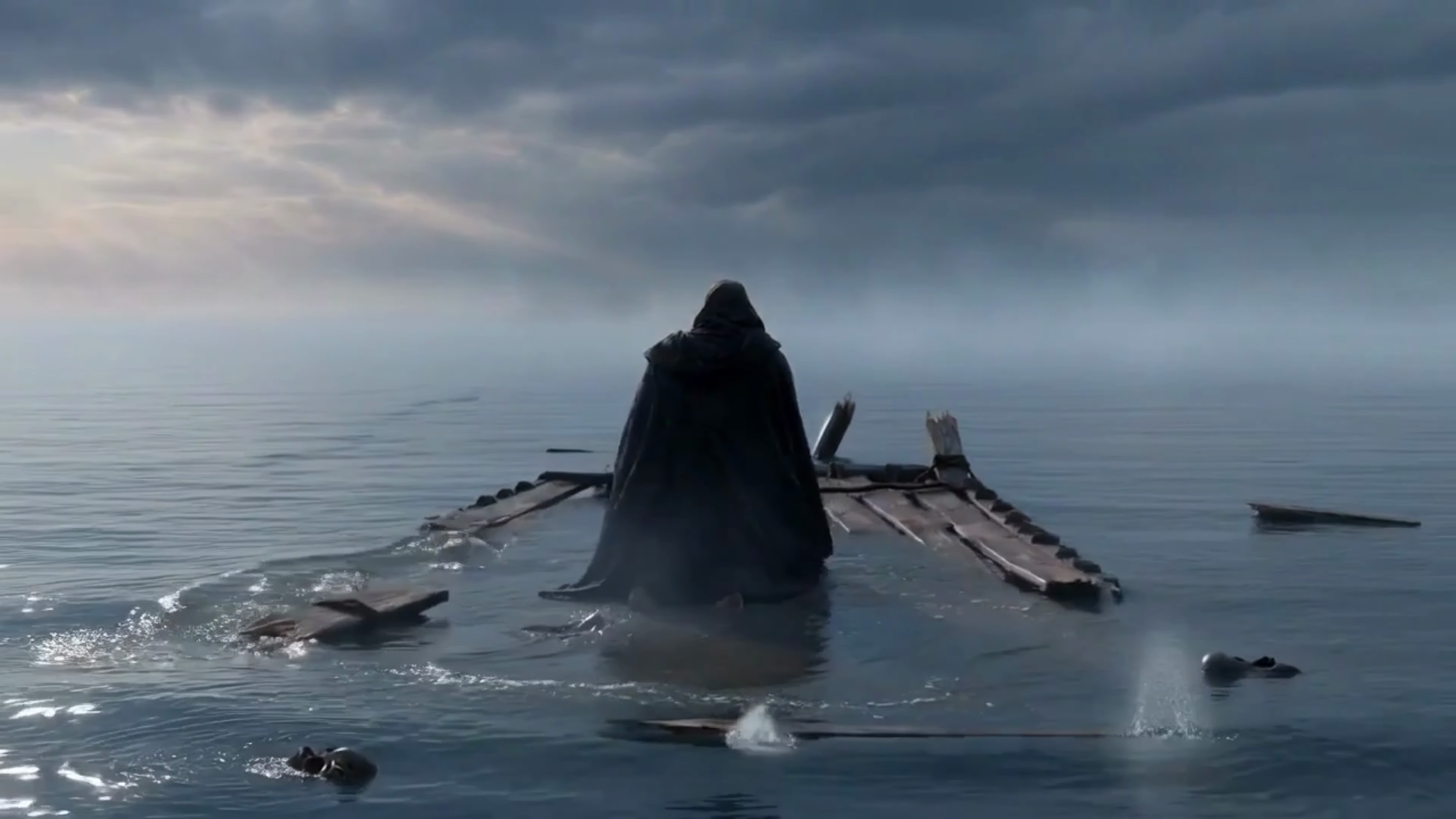
At the same time, the film's biggest limitation is the very thing that defines it. The visuals, while undeniably attractive, eventually begin to recycle the same aesthetic beats. There is only so much variation available within the format, and the repetition becomes noticeable. Because of that, Odyssey: Returning Home can feel less like a short film with a dramatic arc and more like an extended mood piece. Viewers looking for a story with momentum may find themselves admiring the imagery more than engaging with the narrative itself.
Still, Tak deserves credit for using AI as a storytelling tool rather than a gimmick. The film isn't interested in showing off technology for its own sake. Instead, it uses those tools to explore timeless ideas about memory, loss, survival, and the meaning of home. It's a thoughtful reinterpretation of a familiar myth that shifts the focus from glory to endurance, asking what happens after the adventure ends and whether coming home can ever truly restore what was lost.
Odyssey: Returning Home may not completely overcome the limitations of AI-generated filmmaking, but as a brief and reflective experiment, it succeeds far more often than it fails. Less a movie than a meditation, it offers a poignant reminder that the hardest journeys are often the ones that begin after the war is over.
Jessie Hobson