
Before speaking with Al Kalyk, I already knew Cruel Hands had gotten under my skin. As a father, the film's story of a mother and son trying to survive while escaping an abusive husband hit harder than I expected. The thriller elements kept me locked in, but it was the emotional weight of Maria and Dai's relationship that stayed with me. After spending time talking with Kalyk, it became clear that emotional authenticity wasn't accidental. It's the result of a filmmaker who genuinely loves cinema and understands that the best thrillers aren't just about tension. They're about people.
One of the most fascinating parts of our conversation was learning how personal the film became during the writing process. While Cruel Hands ultimately uses Australia's devastating Black Summer bushfires as its backdrop, that wasn't always the plan. Kalyk explained that the screenplay was originally going to be set in America while he was living in Los Angeles. Everything changed when the fires began affecting his family back home.
"My family was up near sort of where it was written for, and they were blocked off by the fires," Kalyk told me. "It was all happening to them, and I was in LA watching sort of my country burn and feeling quite powerless about it." As the disaster unfolded, he found himself emotionally overwhelmed by a viral video showing Australians celebrating when rain finally arrived. "I kind of wept and got really emotional," he recalled. Those feelings eventually found their way into the script, turning the bushfires from a simple setting into a deeply personal element of the story.
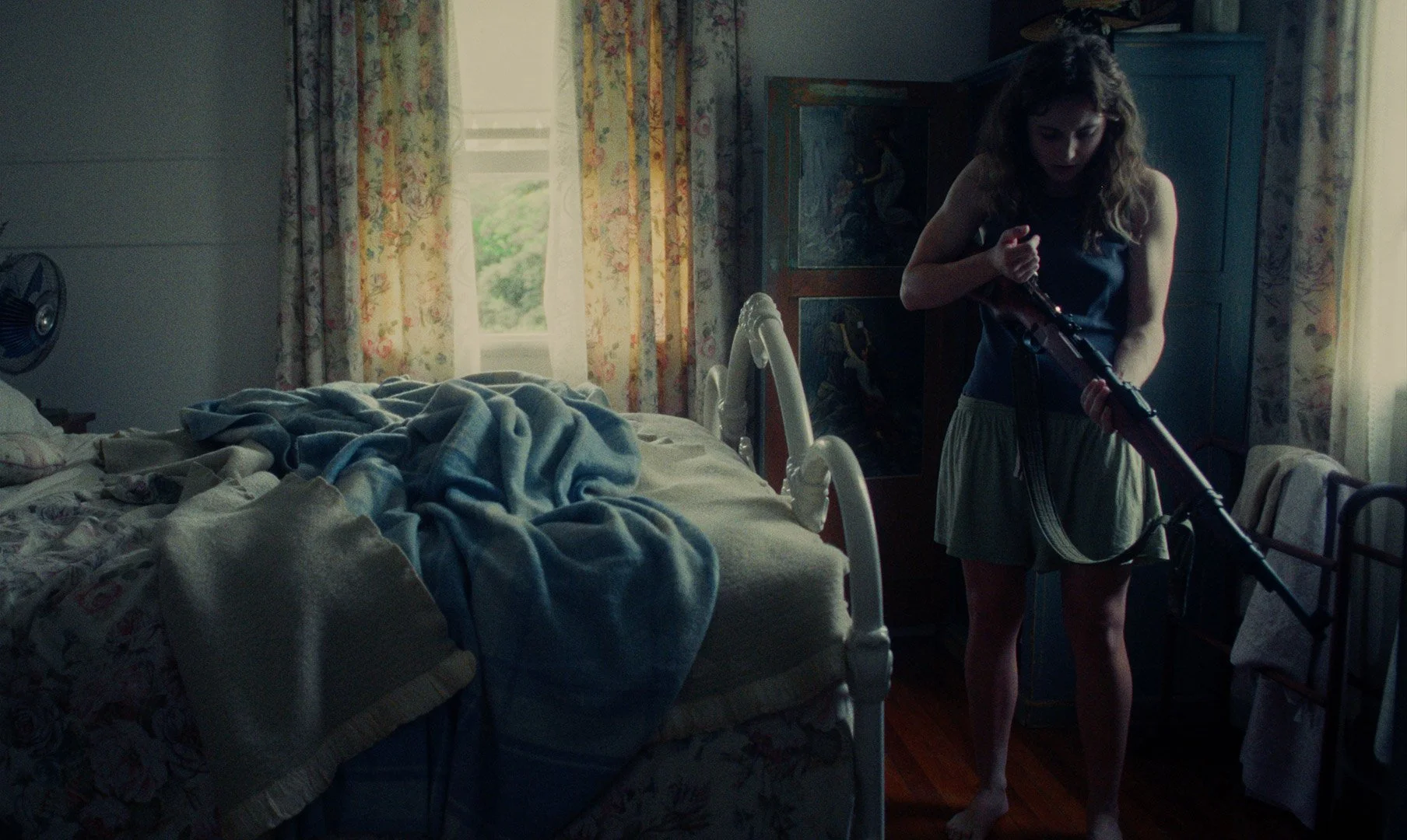
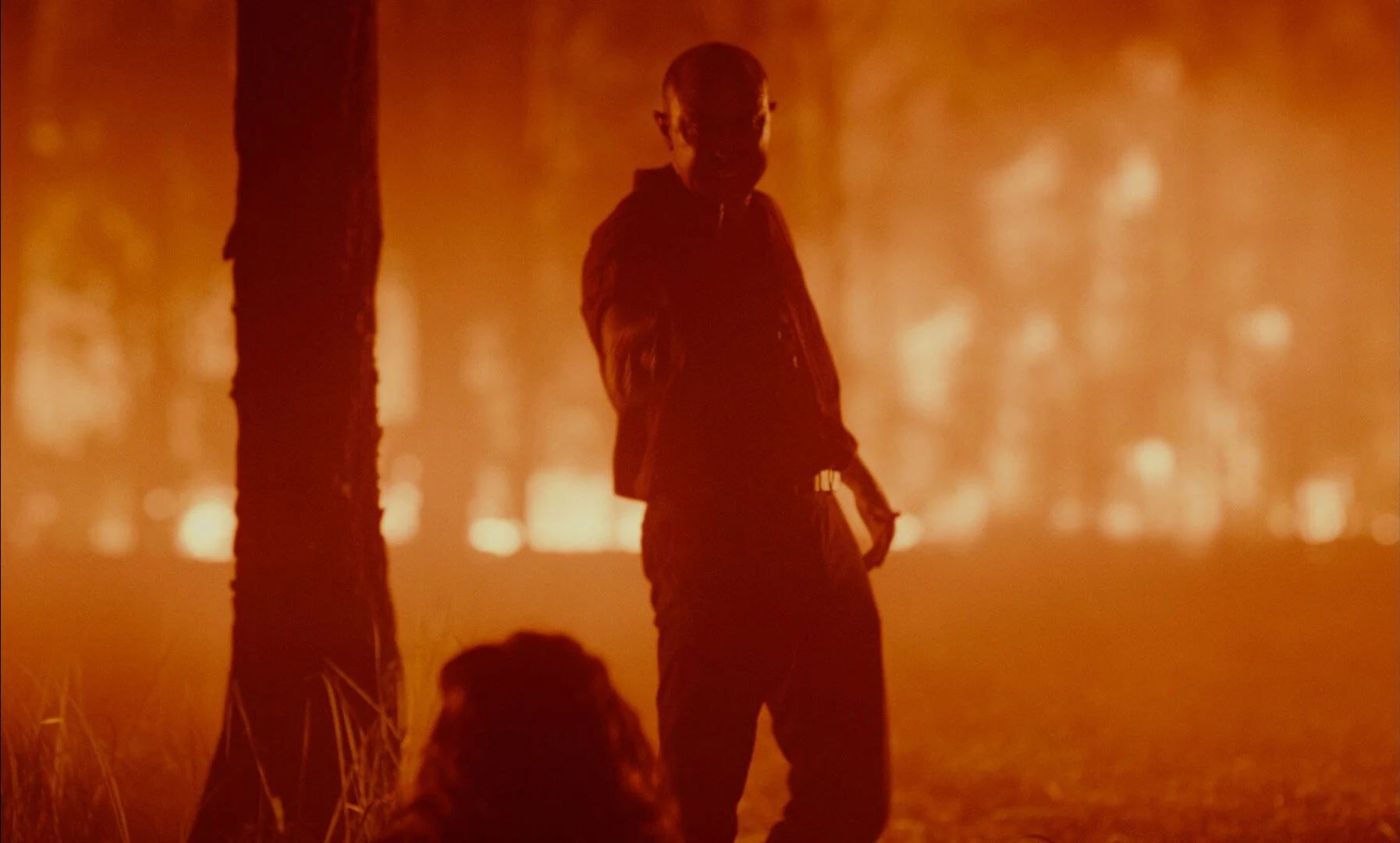
That authenticity becomes apparent while watching the film. The fires never feel like a disaster movie gimmick. Instead, they function as another threat bearing down on Maria and her son Dai while Jason relentlessly hunts them through the wilderness. Knowing Kalyk experienced the helplessness of watching loved ones live through those conditions from the other side of the world adds another layer to the film's already impressive emotional foundation. The fact that he wrote the screenplay alongside his brother, who was directly experiencing the fires at the time, only deepens that connection. "We wrote it together," Kalyk said. "He was with them. They were all sort of together in the same house, the fire sort of coming around them and cutting off the road."
What impressed me most about Cruel Hands is that despite the danger, the film never loses sight of its emotional core. The relationship between Maria and Dai is the heartbeat of the entire story, and Kalyk made it clear that was always his priority. "I think that's where the heart of the story really is," he said. "Between Maria and Dai." That connection comes through thanks in large part to the performances from Mavournee Hazel and Diesel La Torraca, whose chemistry feels completely natural throughout the film.
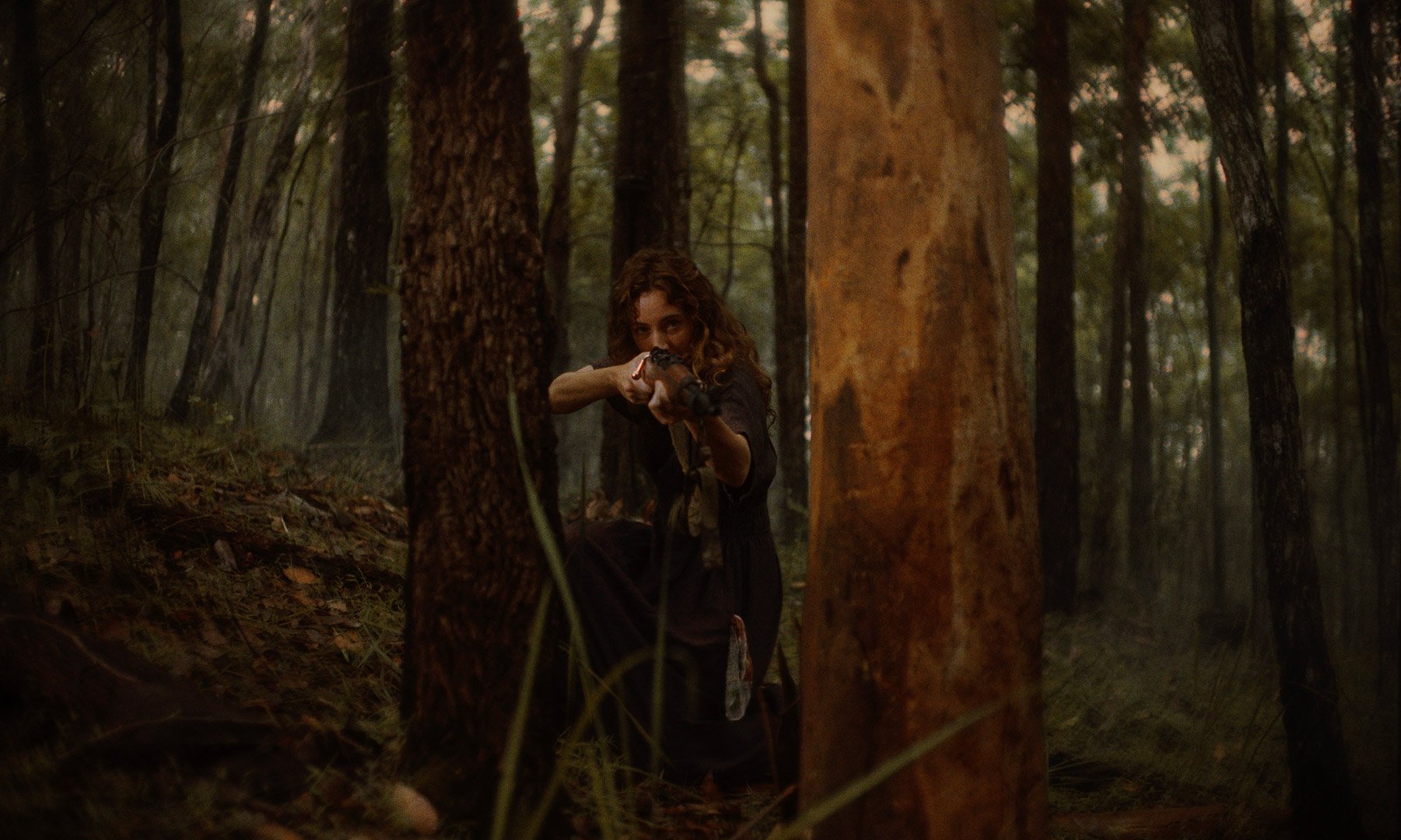
Kalyk spoke passionately about both actors and the collaborative environment they created on set. He explained that Hazel embraced a maternal role beyond simply performing it in front of the camera. "They genuinely do feel for each other," he said. "The tenderness was there between them, and it made it very easy for that to work." Watching the finished film, that tenderness is impossible to miss. Every scene between them feels authentic, which makes the danger surrounding them all the more upsetting. As a father myself, those moments hit particularly hard.
Of course, as touching as those scenes are, Cruel Hands would not work nearly as well without Josh McConville's performance as Jason. During our conversation, I told Kalyk exactly what I wrote in my review: every time Jason appeared on screen, my skin started to crawl. What makes the performance so effective is that Jason never feels like a traditional movie villain. He feels frighteningly real. Kalyk revealed that what first attracted him to McConville was a contradiction in his presence. "He's always playing this very kind of tough guy, but he has these very sweet eyes," Kalyk explained. That balance became essential to the character. Rather than presenting Jason as a one-note monster, the film creates someone whose unpredictability makes him even more dangerous. As Kalyk put it, McConville "can sort of ride that line really beautifully."
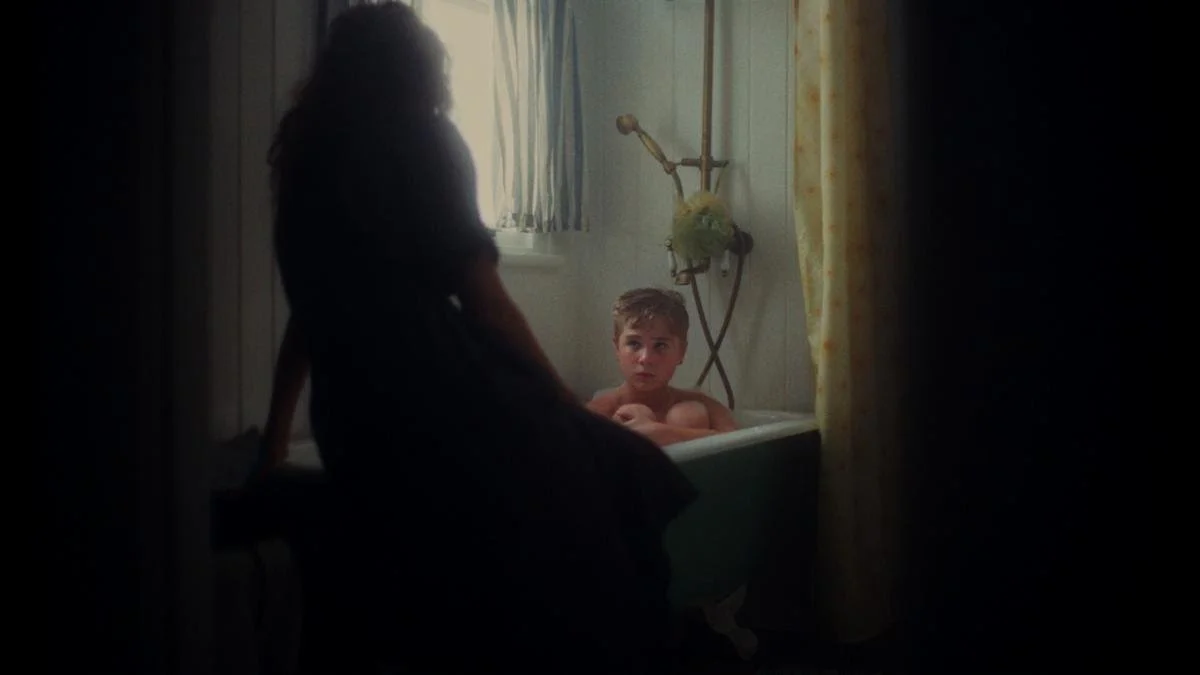
That same attention to nuance extends to the film's visual storytelling. One of the first things I mentioned during our interview was how trapped the characters constantly felt. Doors, hallways, walls, and even open landscapes seem to squeeze in around them. Kalyk immediately smiled and admitted that feeling was completely intentional. "It was very intentional," he said, before explaining how the production modified locations specifically to create opportunities for those compositions. "It was very important to kind of divide Maria and Dai when it's required and be able to bring them together when we want." The result is a visual language that quietly reinforces the story's themes without ever calling attention to itself.
As our conversation shifted toward genre filmmaking, it became obvious that Kalyk isn't simply interested in making thrillers or horror movies. He's interested in using genre as a way to explore larger ideas. He described genre storytelling as an opportunity to create something engaging on the surface while smuggling more personal themes inside. "You can create a fun ride for people but really Trojan horse in something that you really care about into the story," he said. That philosophy perfectly describes Cruel Hands. On one level, it's a tense survival thriller. On another, it's a story about trauma, family, domestic violence, and the difficult realities children face when caught between conflicting versions of adulthood.
Interestingly, despite the film being marketed toward horror audiences, Kalyk doesn't necessarily see it that way. "I would say thriller," he told me. He explained that while the film adopts many horror techniques and aesthetics, his own definition of horror leans more toward the supernatural. That answer immediately made me curious about what comes next because Kalyk followed it with something genre fans should be excited to hear. "I would love to make another, like a true horror film," he said. "Something a bit more supernatural and a bit more elevated."
As someone who spent the entirety of Cruel Hands on the edge of my seat, that was probably my favorite part of our conversation.
More than anything, what stood out during my time with Kalyk was how much he genuinely loves filmmaking. His enthusiasm for storytelling is infectious. Whether discussing actor collaboration, visual composition, genre conventions, or the emotional roots of Cruel Hands, every answer reflected someone who deeply appreciates the craft and understands how all of those pieces fit together. You get the sense that even if he wasn't directing films, he'd still be the person enthusiastically talking about them.
Cruel Hands is a remarkable debut and one of the most emotionally effective thrillers I've seen this year. After speaking with Al Kalyk, I'm even more convinced that his best work is still ahead of him. And when that "true horror film" finally arrives, I'll be first in line to see what nightmares he has waiting for us next.
Jessie Hobson