
There’s a very specific kind of movie that doesn’t just ask you to go along for the ride; it practically dares you to keep up with it. Fiddle Faddle Fortune is exactly that kind of chaotic little oddity, a film that feels like it was built off pure vibes, a handful of eccentric performances, and a soundtrack that refuses to leave your head. It’s messy, weird, occasionally uneven, but ultimately pretty charming.
The premise alone sets the tone. After making a very questionable magical decision, a local fortune teller decides the best way to fix a struggling marriage is to unleash a chaotic spirit into the couple’s home, forcing them to learn how to work together or lose their minds trying. It’s therapy by supernatural infestation, and the movie leans fully into how absurd that idea is.
Right from the opening, the film establishes its strange personality through a storybook-like narration that feels part fairy tale, part Halloween special, laying out the tale of a psychic summoning a mischievous spirit to meddle in human lives. That heightened, theatrical tone never drops. If anything, it escalates as the film goes on.
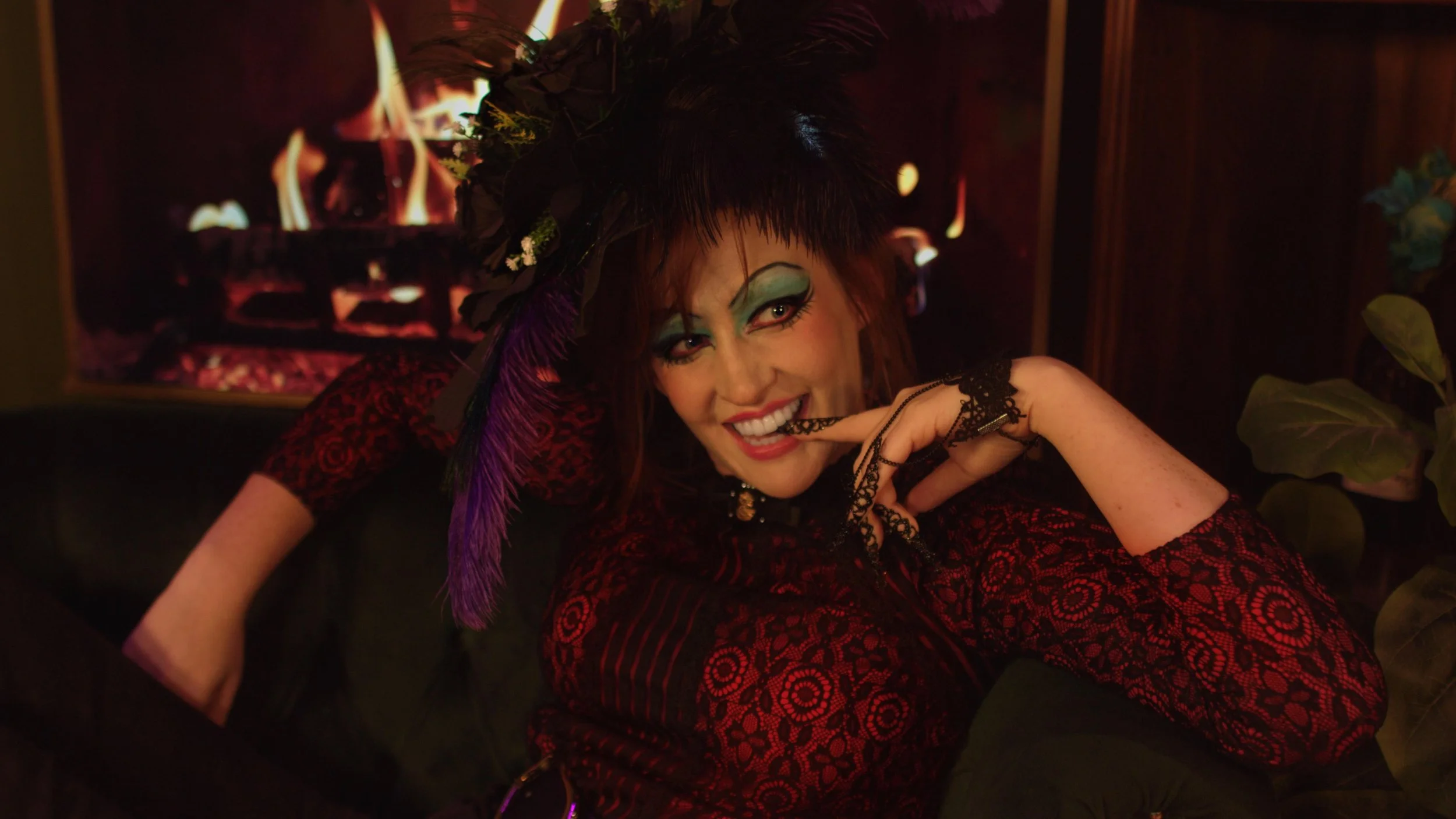
At the center of it all is Jasmine Haver as Evangeline Adahma, and she’s the clear standout. There’s something about her performance that feels intentionally off-kilter, like she wandered out of some forgotten children’s VHS tape that was just a little too creepy for its own good. It works perfectly for this world. She’s unsettling without being outright sinister, funny without ever feeling like she’s trying too hard, and she commands every scene she’s in.
Erik Peters brings a completely different energy as Winston, the chaotic spirit who becomes both the problem and the solution. He’s loud, intrusive, and delightfully ridiculous, with a kind of exaggerated presence that feels tailor-made for internet-era comedy. There’s a looseness to his performance that gives the film a jolt every time he shows up, especially as the character begins reacting to the couple’s changing dynamic.
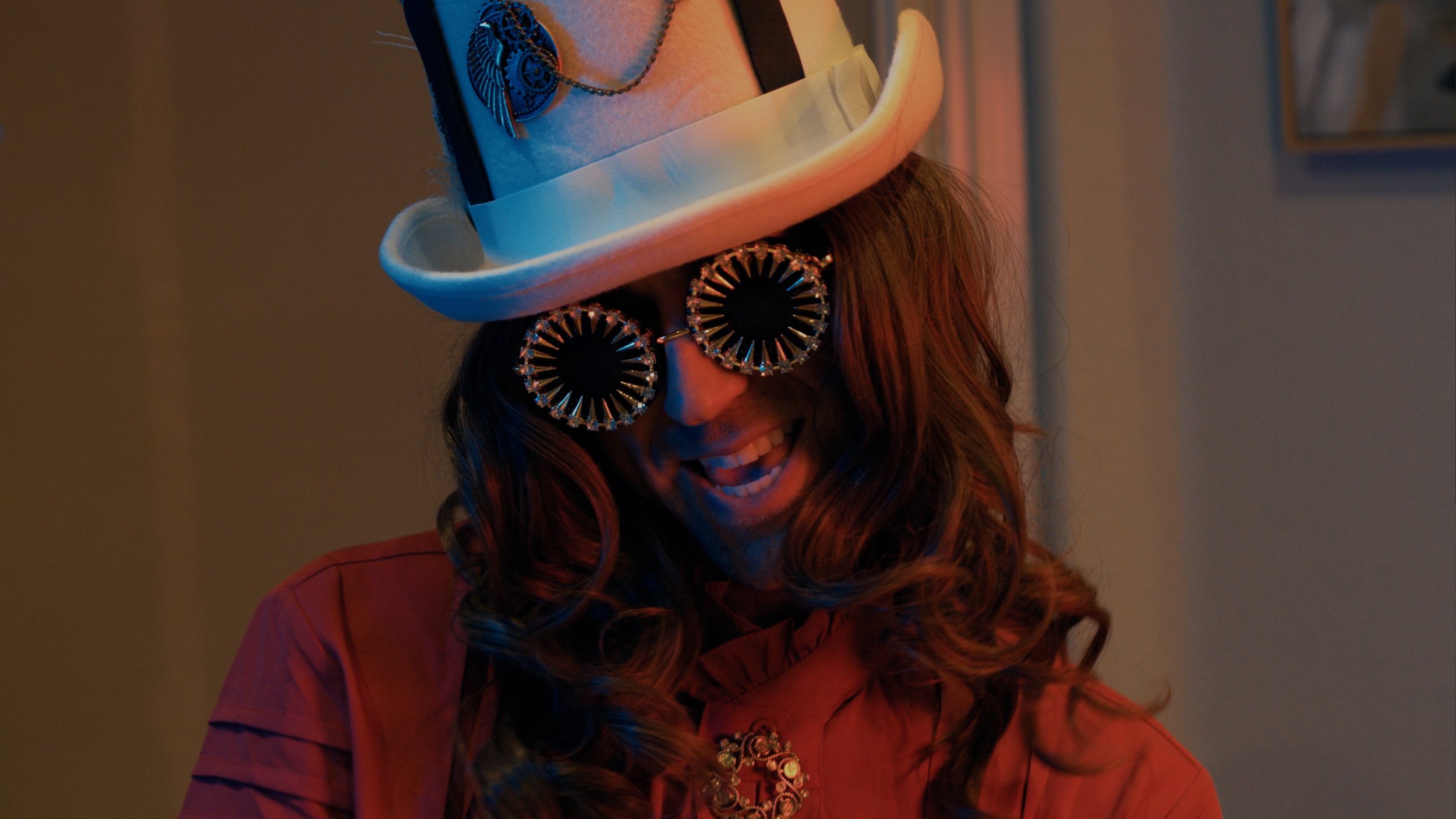
Because that’s the real joke that keeps paying off. The spirit isn’t just haunting them; he needs them to be miserable. Once the couple starts actually getting along, Winston becomes the one spiraling, complaining that a healthy relationship is ruining everything. That reversal is where a lot of the film’s best comedy lives.
Jaymes Mansfield as the Storybook Reader fits seamlessly into the film’s oddball tone. It’s the kind of casting that immediately clicks, adding to the theatrical, slightly surreal atmosphere the movie builds from beginning to end.
Not every performance hits as strongly, but across the board, the cast feels committed. You can tell everyone involved is having a good time, and that energy carries the film through its rougher patches.
And then there’s the music, which honestly deserves its own conversation. The soundtrack is easily one of the strongest elements here. It’s surprisingly varied, jumping from jazzy, street-level rhythms that feel pulled from a New Orleans backdrop to more folksy, almost bluegrass-inspired tracks that wouldn’t feel out of place alongside something like The Dead South. Then it pivots again into whimsical, theatrical pieces that feel like they could sit comfortably next to Beetlejuice or even some of the lighter Harry Potter moments, before dipping into tones reminiscent of The Princess and the Frog.
On paper, that shouldn’t work. In execution, it absolutely does. It gives the movie a kind of identity that goes beyond its visuals or performances. Even if the film loses you at any point, the music alone is something you could easily come back to.
That said, the comedy itself is a bit hit or miss. When the jokes land, they land well, often leaning into the absurdity of the situation or the characters’ exaggerated personalities. There are moments that genuinely feel sharp and memorable. But not every gag sticks, and some scenes stretch longer than they need to. It’s the tradeoff that comes with a film that’s this committed to its own weirdness.
Still, what helps smooth that out is how clearly the cast and crew are enjoying themselves. There’s a sense of playfulness baked into the entire production. Even when something doesn’t quite work, it rarely feels lifeless. The movie always feels like it’s moving, like it’s trying something, even if it doesn’t fully land.
At 80 minutes, it keeps things relatively tight and doesn’t overstay its welcome. You can see the budget limitations in places, but they don’t end up hurting the experience as much as you might expect. If anything, the scrappy, low-budget feel adds to the charm. It never feels like it’s pretending to be something bigger than it is.
In the end, Fiddle Faddle Fortune is one of those films that’s not going to click with everyone. It’s too strange, too uneven, and too committed to its offbeat tone to have broad appeal. But if you’re willing to meet it where it is, there’s a lot to enjoy. It’s fun, it’s different, and it has just enough heart underneath the chaos to make it all come together.
Even if the story doesn’t fully win you over, there’s a very real chance you’ll still walk away thinking about the music, the performances, or just how bizarre the whole thing was. And honestly, that feels like exactly what the movie is going for.
Jessie Hobson