There are filmmakers who make movies because they love storytelling, and then there are filmmakers who seem genuinely in love with the medium itself. After speaking with Nat Boltt about her feature directorial debut, Holy Days, it quickly became clear that she falls into the latter category.
Known to many audiences as the unforgettable Penelope Blossom from Riverdale and for her work in films like District 9, Boltt has spent decades in front of the camera. With Holy Days, however, she steps firmly into the spotlight as a writer and director, bringing an unmistakably personal voice to a film that celebrates resilience, found family, and the importance of human connection.
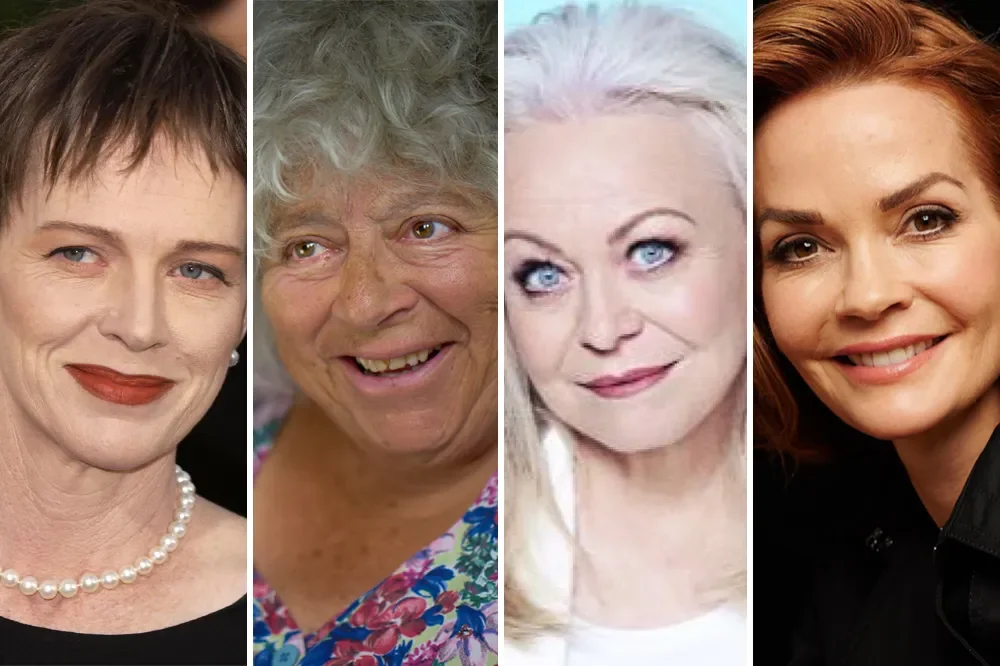
Adapted from Dame Joy Cowley's novel, Holy Days follows a young boy who finds refuge with three eccentric elderly nuns at a struggling convent, launching a heartfelt road trip filled with humor, chaos, and unexpected wisdom. Led by screen legends Judy Davis, Miriam Margolyes, and Jacki Weaver, the film has already earned significant attention on the festival circuit while attracting praise as one of the year's most uplifting cinematic experiences.
For Boltt, the journey to bringing the story to the screen began with something deeply personal. During our conversation, she revealed that the film's emotional foundation grew out of discussions with her young son about mortality and the difficult questions children ask when confronted with loss. That experience led her back to Cowley, a longtime friend whose own writing often explores life, death, and what it means to find comfort amid uncertainty. As Boltt explained, she wanted to create "a world of comfort" for people grappling with those fears, particularly in cultures where death is often treated as a subject to avoid rather than discuss.
What's remarkable about Holy Days is its ability to tackle those profound themes without ever becoming heavy-handed. The film moves comfortably between moments of genuine heartbreak and laugh-out-loud comedy, a balance Boltt says she shared with Cowley from the very beginning. Reflecting on their creative connection, she pointed to classic coming-of-age stories such as Stand By Me as an inspiration, praising films that understand life is rarely one thing or another. As she noted, the stories that stay with us are "not just funny, and it's not just sad. It's both, and that's life, and that's humans."
That perspective informs every aspect of Holy Days. Rather than treating grief and joy as opposing forces, Boltt embraces the messy coexistence of both. She described the film's recurring snow globe imagery as a metaphor for life itself: moments of calm interrupted by chaos before everything eventually settles again. It is a simple but effective illustration of the way people navigate hardship, healing, and growth.
The result is a film that audiences have warmly embraced. While discussing the positive response, Boltt admitted that receiving praise for the film's uplifting nature has been incredibly rewarding. More than anything, she hoped to create the kind of movie families return to year after year. She envisioned something with enough warmth for younger viewers while still engaging adults through more substantial themes. As she put it, she wanted viewers to see it as "a film I'm going to go back to" rather than simply another piece of disposable entertainment.
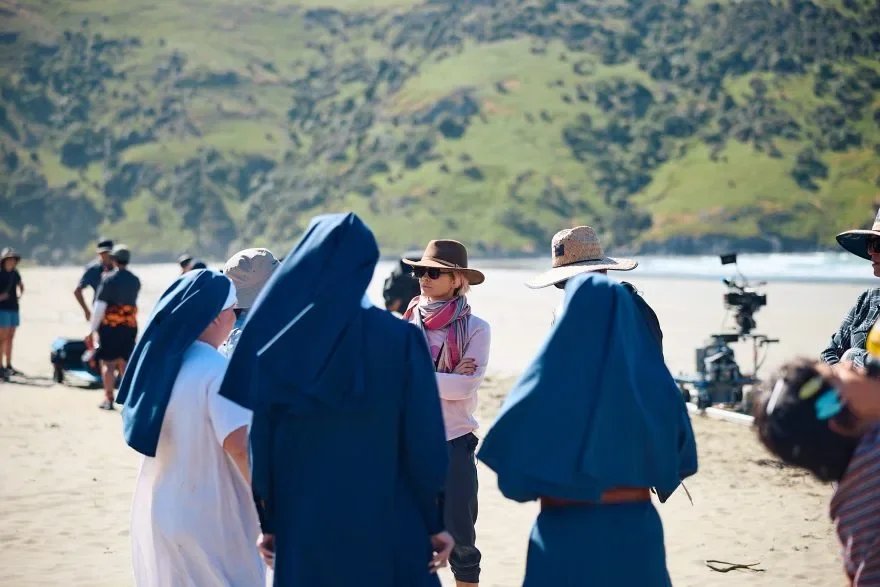
Listening to Boltt speak about cinema is a reminder of why people fell in love with going to the movies in the first place. Before we even dove into Holy Days, our conversation wandered into a discussion about physical media, lost films, and the importance of preserving cinema history. Her enthusiasm was infectious. Whether she was talking about discovering old VHS tapes or encouraging audiences to gather together in theaters again, every answer reflected a profound appreciation not just for filmmaking, but for moviegoing itself. She spoke passionately about wanting audiences to experience Holy Days with friends, family, and even complete strangers, believing there is something special about sharing laughter and emotion in a communal space.
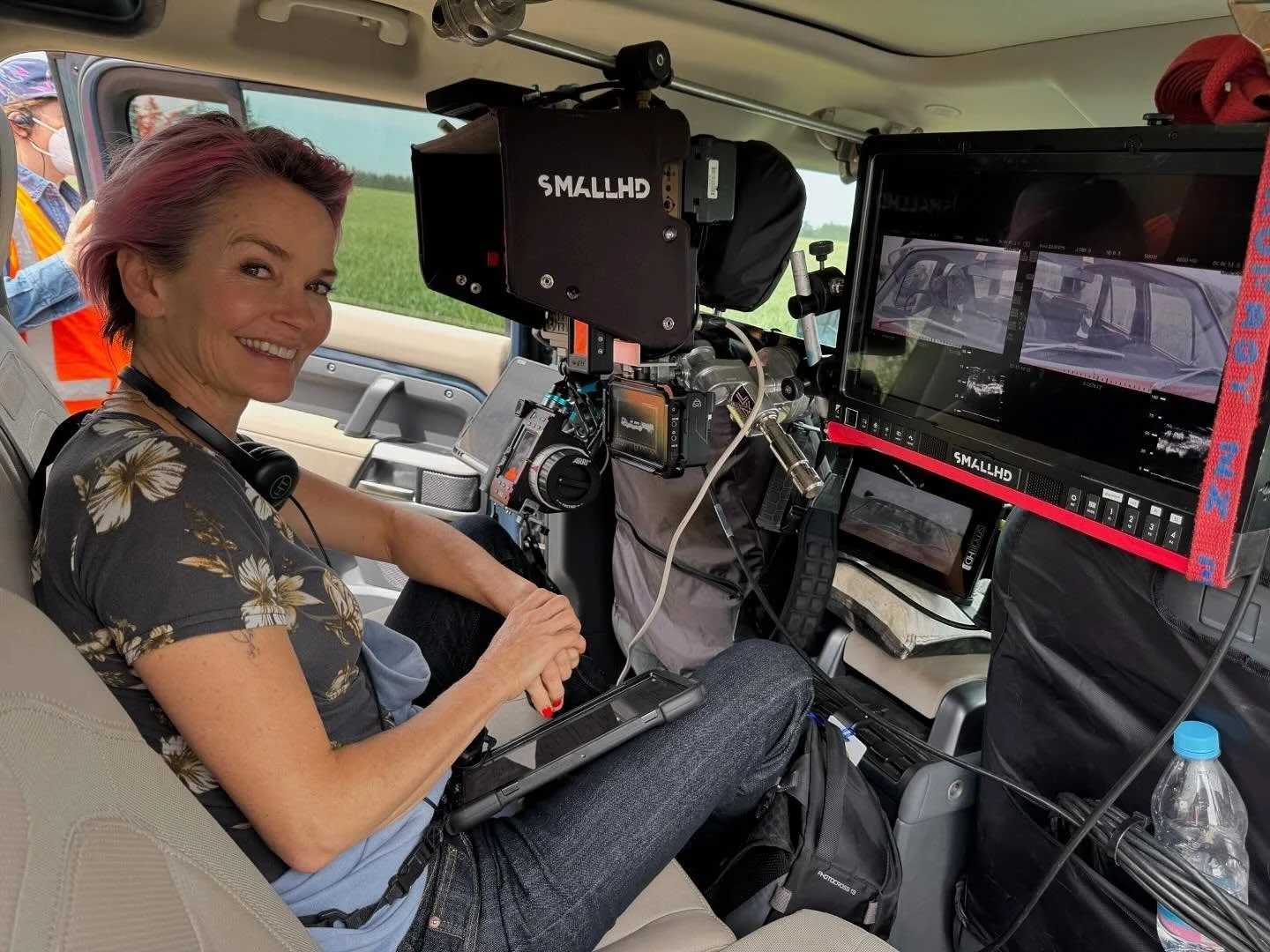
Of course, making a feature debut with performers the caliber of Judy Davis, Miriam Margolyes, and Jacki Weaver might seem intimidating. Boltt certainly acknowledged the pressure, but her extensive background as an actor gave her confidence. Having worked alongside major talents throughout her career and directed television prior to Holy Days, she approached her cast with a philosophy rooted in trust and collaboration. "As an actor, you really just need to be listened to," she explained, adding that understanding how each performer works is one of a director's most important responsibilities.
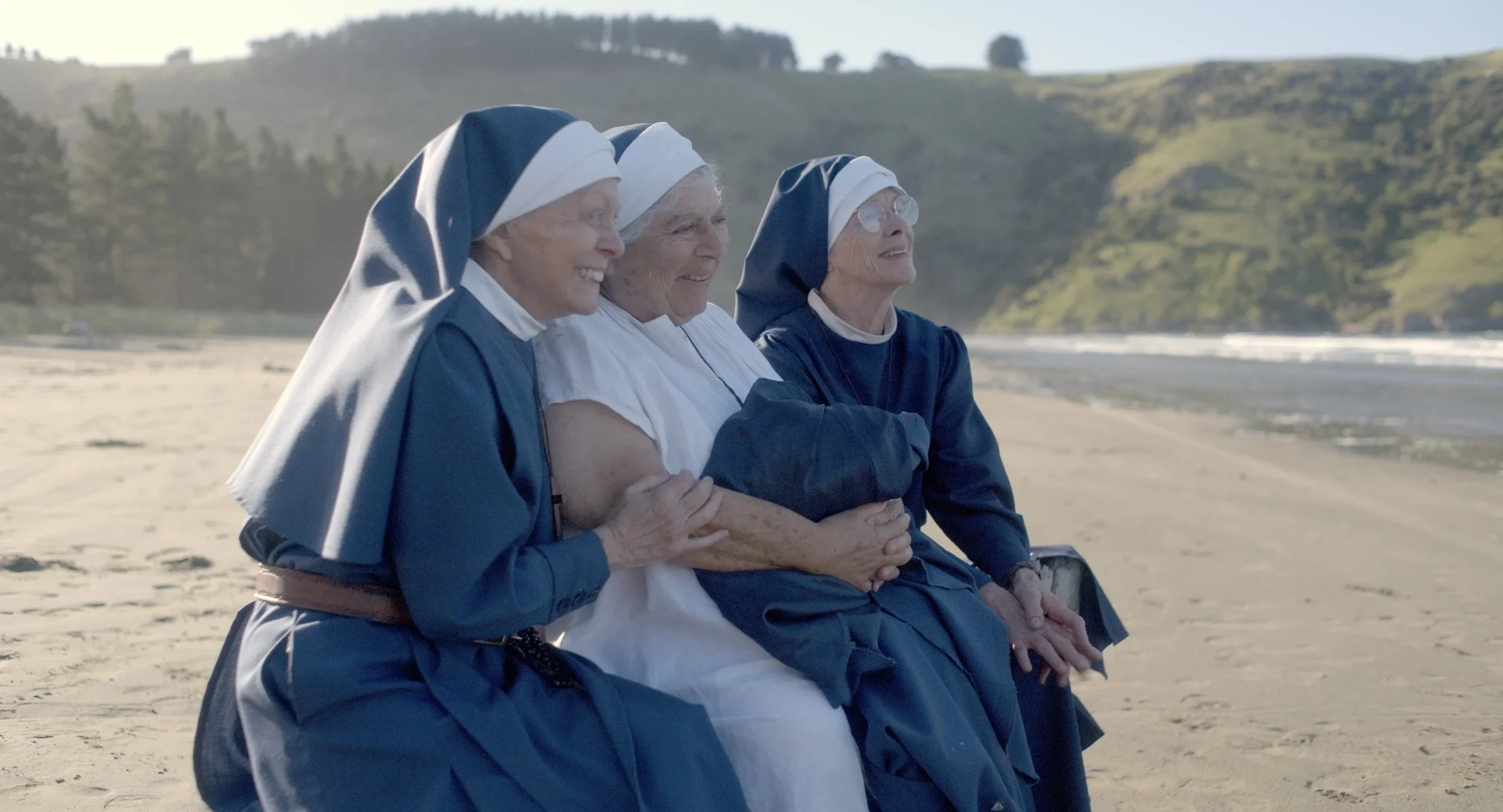
That actor's perspective appears to be one of her greatest strengths as a filmmaker. Rather than attempting to impose a singular process on her cast, Boltt focused on learning what made each performer tick. Whether working with veterans like Davis, Margolyes, and Weaver or helping younger actors such as Elijah Tamati find their footing, her goal remained the same: create an environment where they could shine.
When asked whether she feels most at home as an actor, writer, or director, Boltt couldn't bring herself to choose. Writing, she said, offers complete control but can be lonely. Directing demands constant problem-solving and collaboration. Acting, meanwhile, allows her to surrender to a character and momentarily leave the responsibility behind. Her answer reflected the same curiosity and enthusiasm that surfaced throughout our entire conversation. She genuinely loves every aspect of the craft.
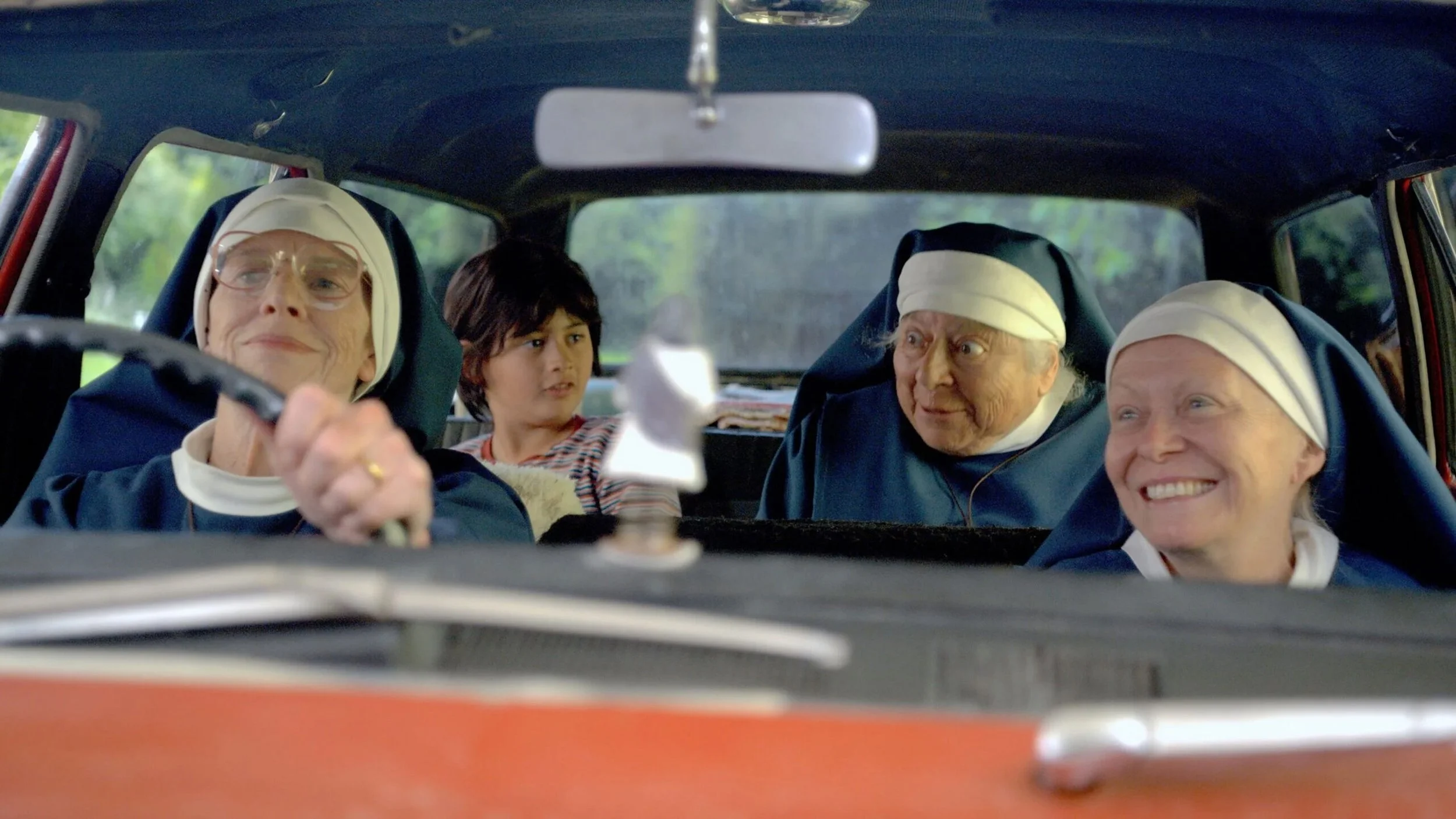
That love for storytelling also extends to what comes next. Boltt spoke excitedly about a slate of projects ranging from science fiction and comedy-horror to additional road-trip adventures, promising audiences unusual characters, unexpected stories, and, in her words, "a lot more women behaving badly." She expressed frustration with predictable filmmaking and a desire to champion originality, arguing that modern audiences are smarter and more adventurous than studios often give them credit for.
After spending time speaking with her, it's difficult not to share that optimism. Boltt is exactly the kind of filmmaker she hopes the industry embraces: inventive, passionate, and committed to telling stories that surprise audiences while remaining deeply human.
With Holy Days, she has delivered a heartfelt debut that showcases not only her abilities as a filmmaker, but also her genuine belief in cinema's power to connect people. Considering the passion she brings to every aspect of the process, it's hard to imagine this being her last memorable journey behind the camera. In fact, it feels very much like the beginning.
Jessie Hobson