
Romancing Sydney is the kind of film that invites you in with warmth and keeps you there through sincerity. On the surface, it presents itself as a romantic comedy infused with dance, but beneath that familiar framework lies a thoughtful exploration of connection, vulnerability, and the quiet messiness of love. It is funny, emotionally open, and often disarming, anchored by a genuine affection for its characters and its setting.
One of the film’s most immediate pleasures is its relationship with Sydney itself. Rather than relying solely on iconic landmarks, the film embraces lesser-seen streets, shops, and everyday spaces, allowing the city to feel lived in rather than idealized. Sydney becomes a silent co-star, framing moments of intimacy and tension while grounding the film in a recognizable sense of place. For local audiences especially, there is a subtle thrill in seeing the city reflected back with such care and familiarity.
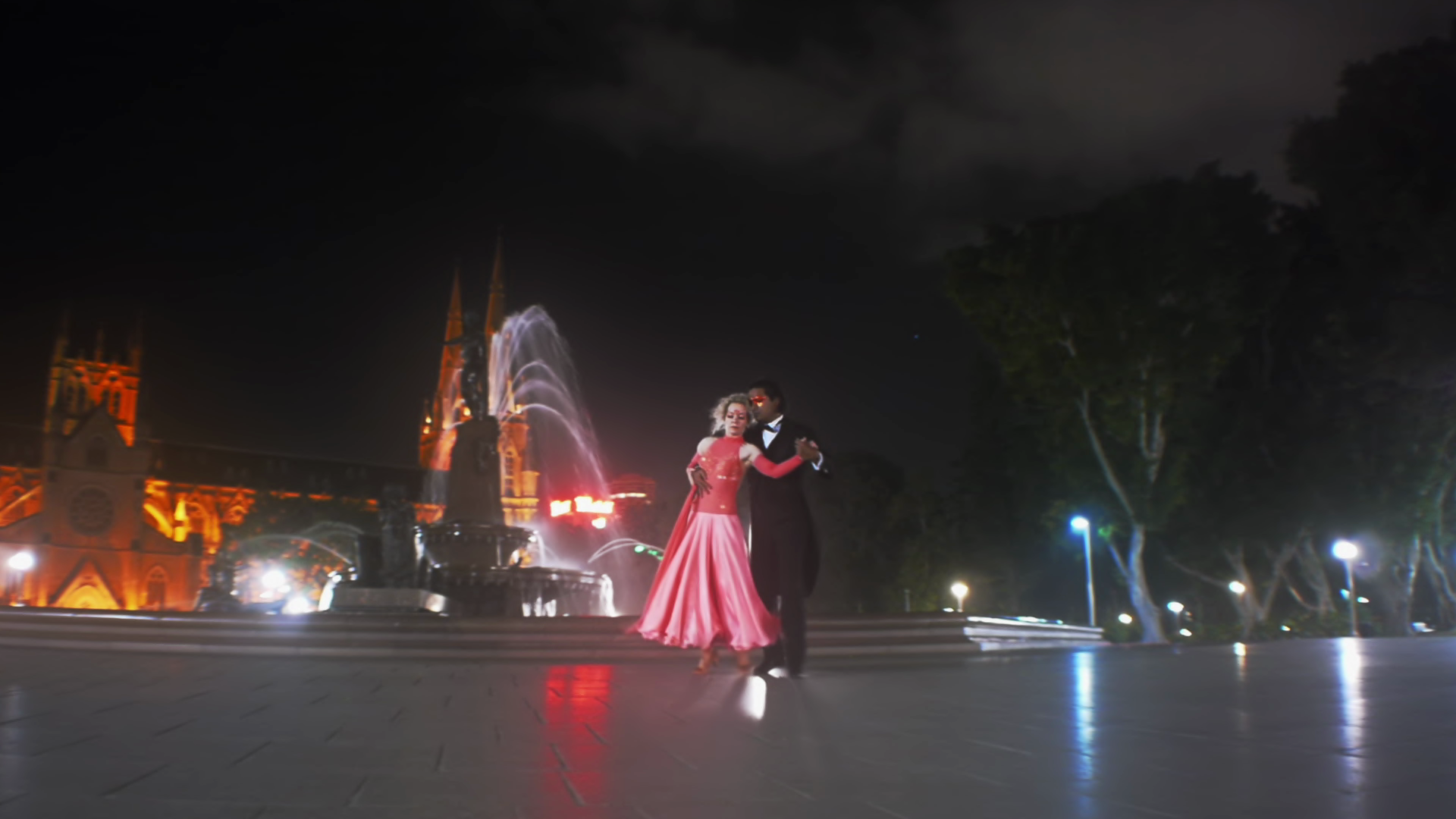
Dance films frequently struggle to balance spectacle with substance, often prioritizing choreography at the expense of narrative depth. Romancing Sydney resists that tendency. The dance sequences are visually engaging and energetically staged, but they function as extensions of the characters’ emotional states rather than interruptions to the story. Movement becomes a language of its own, expressing longing, uncertainty, and joy in ways dialogue alone could not. The costumes and choreography are polished without feeling excessive, blending seamlessly into a script that clearly values character development.
The story unfolds through three distinct romantic arcs, weaving together the lives of six individuals whose experiences of love range from idealistic to conflicted to deeply guarded. Elisa and Sachin embody youthful optimism and romantic innocence, while Zac and Alex explore the comfort and doubt that come with emotional certainty. George and Lilli’s relationship, shaped by long-held secrets and quiet regret, adds a more somber and reflective tone. Each storyline brings its own emotional texture, yet all are united by a shared vulnerability that feels deeply human.
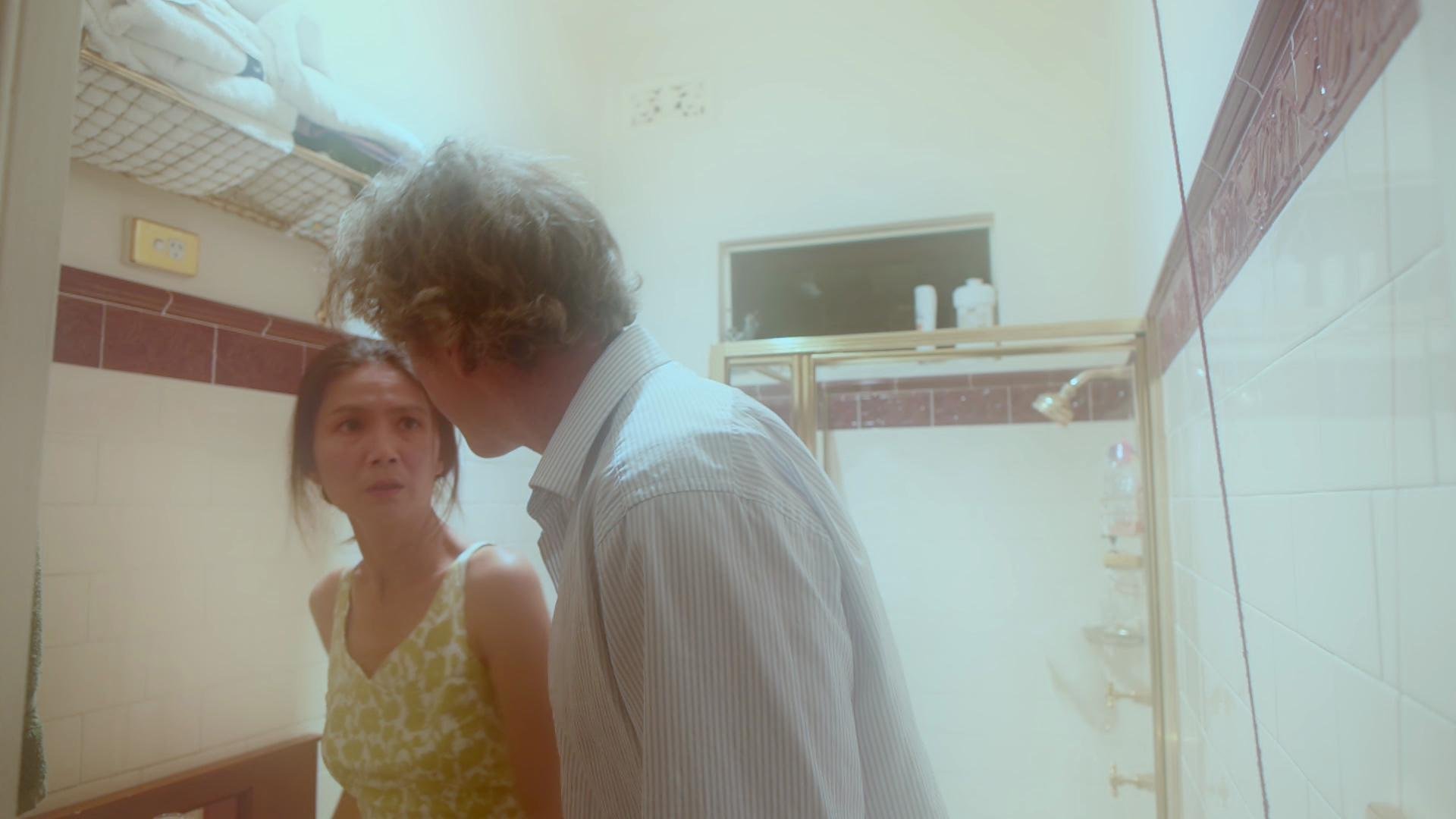
What makes these characters resonate is how authentic they feel. The performances are natural and unforced, as if the actors are inhabiting the roles rather than performing them. Awkward silences, miscommunications, and small emotional gestures are allowed to linger, giving the film a lived-in quality. Not every joke lands, and not every dramatic moment reaches its full potential, but the intent is always heartfelt. These imperfections do not detract from the film so much as they reinforce its honesty.
Romancing Sydney does not hide behind glossy production or overly neat storytelling. It wears its rough edges openly, embracing uneven pacing and tonal shifts as part of its identity. Like a handwritten letter filled with crossed-out lines and emotional candor, the film feels personal and sincere. There are moments that shine brighter than others, but the cumulative effect is comforting and emotionally rewarding.
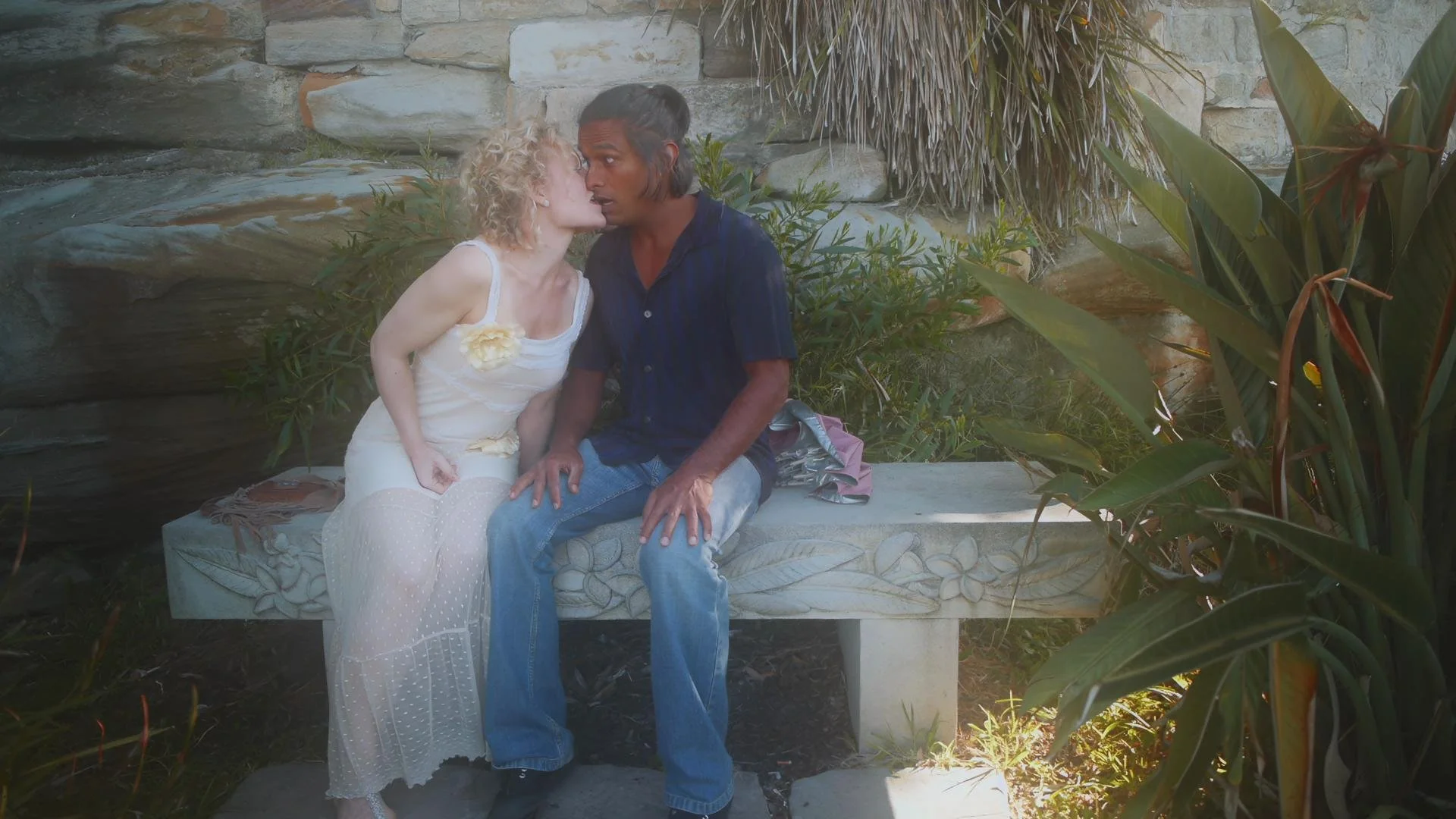
As a genre blend, the film is ambitious. It exists somewhere between romantic comedy, dance film, and poetic reflection on human connection. The mixture does not always align perfectly, yet when it works, it is unexpectedly charming. The sunlit romance, expressive movement, and emotional openness linger long after the credits roll. An unexpected ending adds a final emotional resonance, one that feels earned rather than manipulative.
Ultimately, Romancing Sydney feels like a passion project in the truest sense. Its strengths lie in its warmth, authenticity, and romantic optimism, while its weaknesses stem from the same willingness to experiment and take emotional risks. In a landscape where independent Australian films of this polish are uncommon, Romancing Sydney stands out not because it chases perfection, but because it chases feeling. Its sincerity, heart, and affection for both its characters and its city make it a rewarding experience, imperfections and all.
Jessie Hobson