
Jamarcus Rose & Da 5 Bullet Holes opens with a sobering quote from Huey P. Newton about the fear of dying without meaning, a statement that frames the short film’s intent and its emotional destination. Inspired by true events, writer-director Marcellus Cox delivers a compact, heartfelt drama about mentorship, lost potential, and how quickly hope can be taken away.
The film introduces Jamarcus, a talented high school baseball prospect, in his bedroom surrounded by trophies, music blaring as he imagines himself on the mound. It is a simple but effective opening that establishes both his ambition and his youth. His relationship with his grandmother, played with warmth and authority by Ruthie Austin, grounds the story. Their early argument over his music and her insistence on the Big Brothers of America program feels natural and lived in, setting up the generational tension between protection and independence.
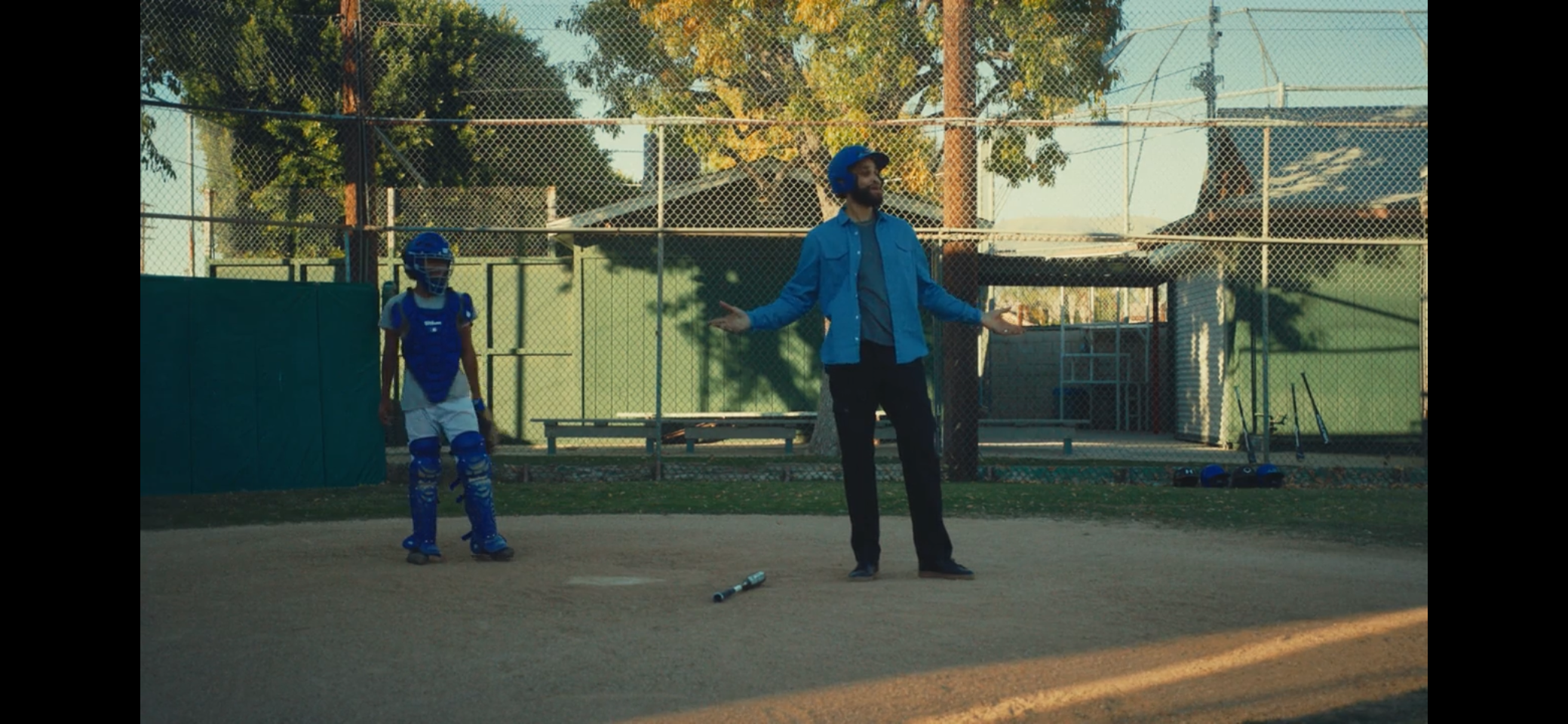
When Jasper arrives, portrayed by Stephen Cofield Jr., the film finds its emotional center. Their afternoon together unfolds at a baseball field where encouragement flows easily, and optimism feels earned. Jasper’s belief in Jamarcus, whether it is promising to send highlights to a Dodgers contact or gifting him a glove, is less about realism and more about affirmation. The scenes of them pitching under stadium lights, backed by proud and triumphant music, capture the intoxicating feeling of being seen and believed in for the first time.
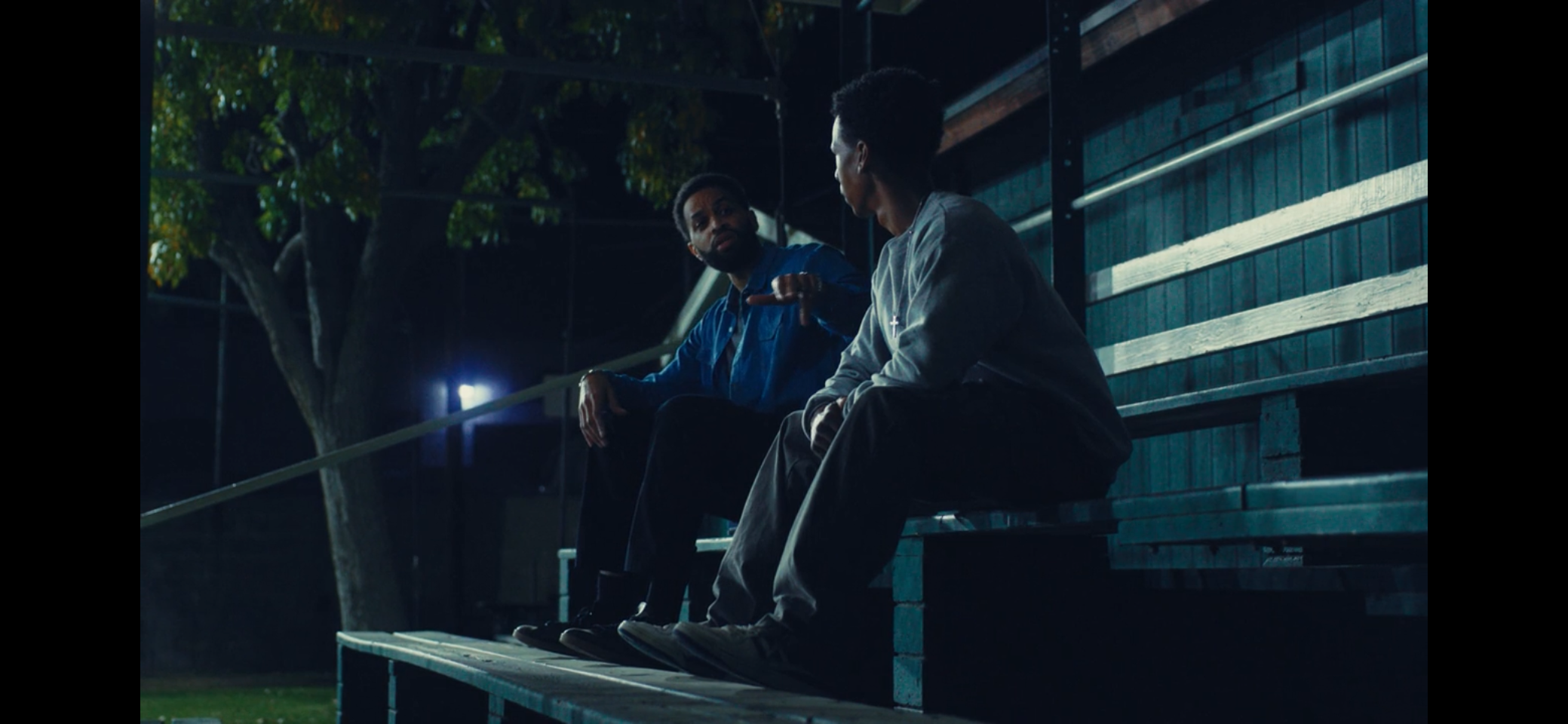
The script smartly allows the two characters to open up to each other. Jamarcus shares the loss of his mother and his lingering grief, while Jasper explains his own history with the Big Brother program and the violence that shaped his childhood. These conversations give the film its heart, even if some of the dialogue leans a bit too neatly into inspirational phrasing. Still, the performances sell the sincerity, especially Cofield Jr., who balances mentor confidence with visible vulnerability.
The final act arrives abruptly and devastatingly. As Jamarcus heads home, the sudden act of violence that gives the film its title shatters the hopeful tone without warning. It is intentionally jarring, underscoring the film’s central theme that promise and goodness do not offer immunity from systemic brutality. The closing image of Jasper alone on the empty baseball field, placing the glove on the pitcher’s mound before walking away, is a quiet and powerful visual metaphor for loss and unfinished dreams.
Technically, the film is polished. The sound design and score are particularly impressive, heightening both the joy of the baseball sequences and the horror of the ending. The cinematography makes strong use of its widescreen aspect ratio, giving the field scenes a sense of scale that contrasts sharply with the intimate interiors earlier on.
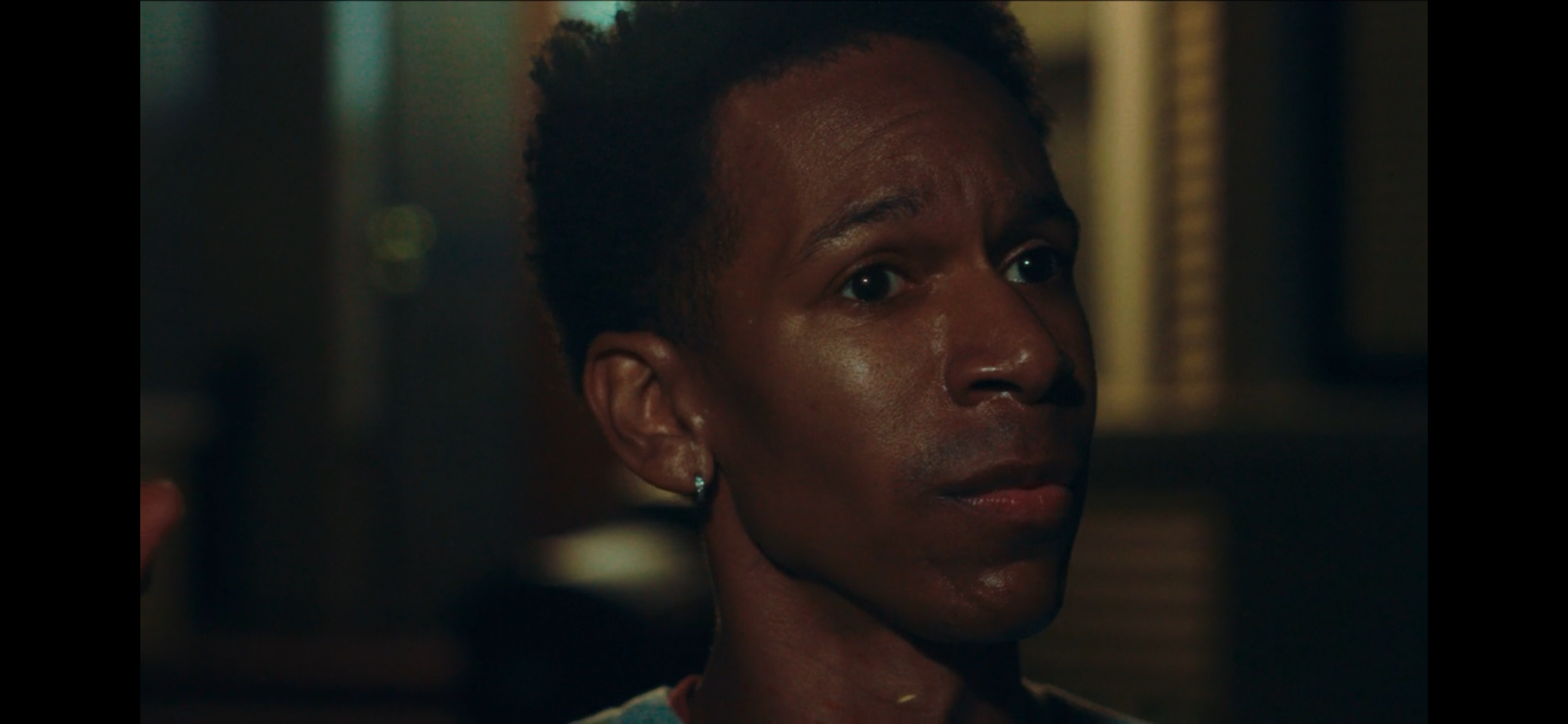
As a short film, Jamarcus Rose & Da 5 Bullet Holes occasionally rushes through emotional beats that could breathe more with additional runtime, and some thematic points are stated more directly than necessary. Even so, its impact is undeniable. Cox’s direction shows confidence and restraint, trusting the story to resonate without excess spectacle.
In just 23 minutes, the film delivers a moving and painful reflection on mentorship, community, and the cost of violence. It is a powerful piece anchored by solid acting and a clear moral focus, leaving the audience not just saddened but challenged to consider what it truly means to give a young life meaning before it is too late.
Jessie Hobson