
There is a certain kind of movie you discover as a teenager, usually late at night, half burned onto a DVD, that permanently rewires your brain. For me, that was stuff like Iron Monkey 2 and Legend of the Drunken Master. Movies where the plot barely mattered as long as the fights ripped. So when Blades of the Guardians landed on my desk, I knew exactly what itch it might scratch. And sure enough, this thing hits with pure nostalgia and maximalist confidence.
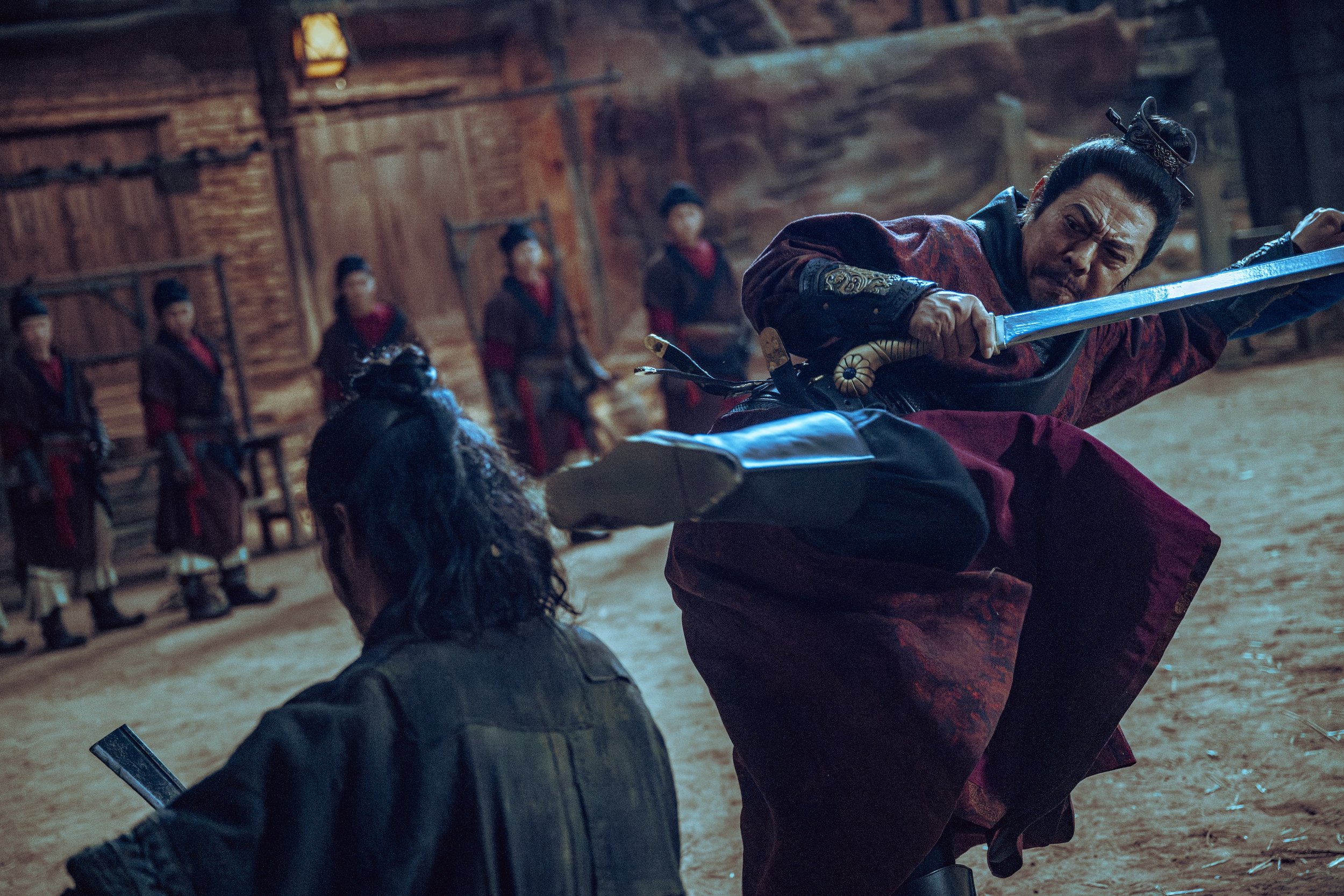
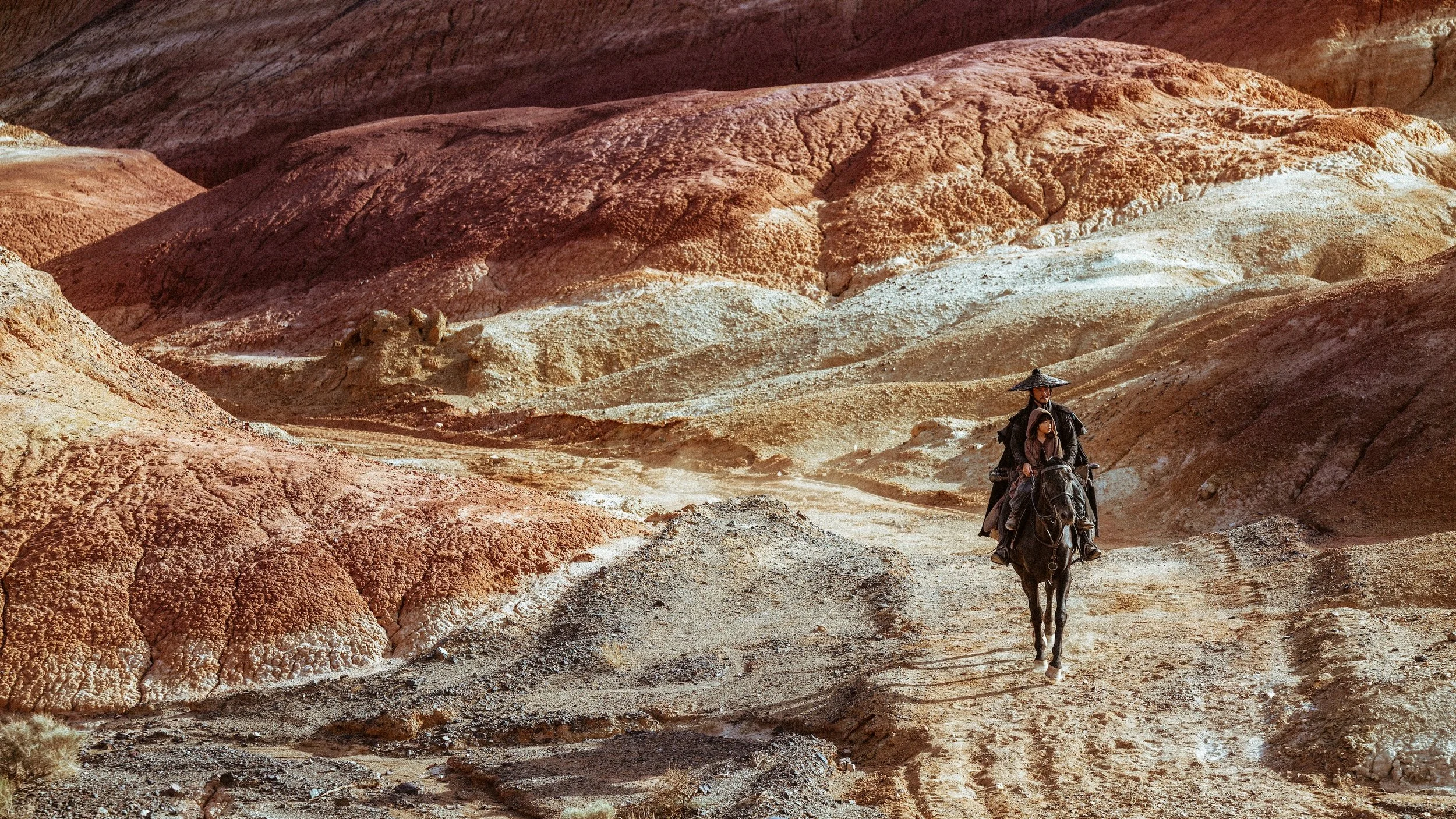
From the jump, Blades of the Guardians feels less like a modern prestige wuxia and more like a throwback to the era where everyone on screen could fight, everyone did fight, and the movie dared you to keep up. It is basically a Western filtered through Chinese folklore. Vast landscapes, roaming outlaws, moral codes carved into dust and blood. The scale is massive, the stakes feel real, and the film looks expensive in a way that actually matters. This is the kind of movie that begs to be seen in a theater or at least on a home setup that can do justice to the size of it all.
Directed by Yuen Woo-ping, the film never misses a beat when it comes to action. Woo-ping’s fingerprints are all over this thing. The fight scenes are staggeringly good, the kind that would make Quentin Tarantino grin like a kid in a candy store. Fire fights, sand fights, horseback sword fights, chaotic melee brawls that feel choreographed within an inch of their lives without ever feeling stiff. At one point, it genuinely feels like Woo-ping watched Twister and said, “What if two people fought to the death inside it with swords?”
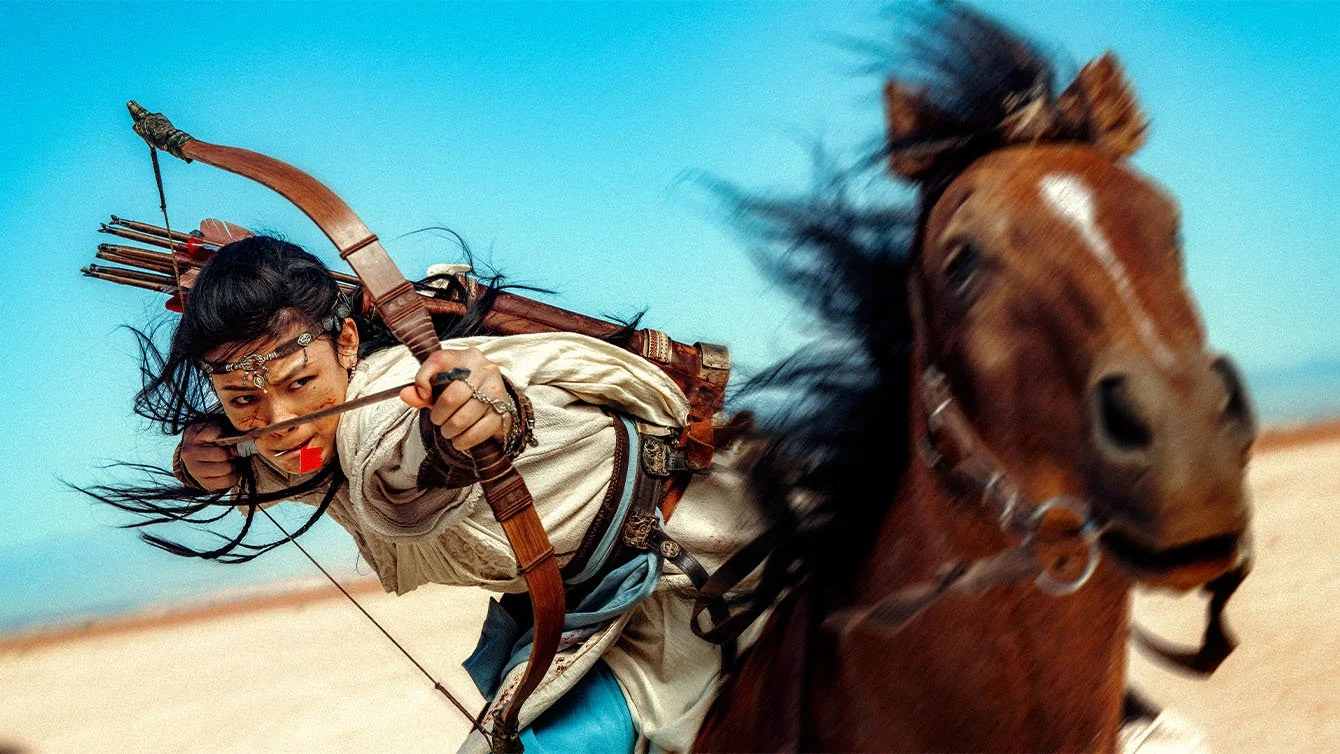
The horseback combat alone deserves its own paragraph. Some of the riding and fighting here is among the coolest action choreography I have ever seen. It is inventive, brutal, and constantly escalating. The film keeps finding new ways to stage violence across terrain, weather, and sheer chaos. When it works, it is exhilarating in a way that makes you forget to blink.
Story-wise, things are messier. The narrative covers an enormous amount of ground and introduces what feels like roughly 2,000 characters, each with their own allegiances, motivations, and on-screen name cards to help you keep track. Like many mainland Chinese epics, the story sprawls in a thousand directions, clearly laying groundwork for sequels while juggling political intrigue, personal vendettas, and mythic destiny. There are moments where it becomes genuinely hard to grasp who wants what and why.
But here is the thing. Eventually, you kind of stop caring.
The action is so bracing, so relentlessly creative, that confusion becomes a minor inconvenience rather than a dealbreaker. You are too busy trying to process how Woo-ping keeps topping himself. It plays like a greatest hits reel of his career, occasionally echoing the operatic grandeur of Hero, but with a dirtier, more physical edge.
The cast adds both credibility and nostalgia. Jing Wu anchors the film as Dao Ma, a reluctant escort caught between duty and survival, while Nicholas Tse brings sharp intensity as Di Ting. And then there is Jet Li, whose presence carries real weight even if time has clearly caught up with him. Seeing Li on screen again is bittersweet. He looks older, slower, but still commands attention simply by existing within the frame.
Where the story lacks focus, the action more than compensates. Blades of the Guardians is not a clean, elegant narrative machine. It is loud, sprawling, occasionally confusing, and unapologetically excessive. But it is also one of the most thrilling martial arts spectacles in recent memory. For two hours, Woo-ping plants his flag and reminds you why he is a legend.
This is not a film you watch for tight plotting or emotional subtlety. It is a film you watch because you miss the feeling of discovering movies purely for how hard they go. Blades of the Guardians scratches that itch. Hard.
Jessie Hobson