
The Ugly lets you know immediately that it is not interested in comfort. From its opening moments, there is a quiet wrongness hanging over everything, the kind that does not announce itself with shock but with unease. This is a film that settles in slowly and refuses to leave, trading momentum for mood and patience for dread.
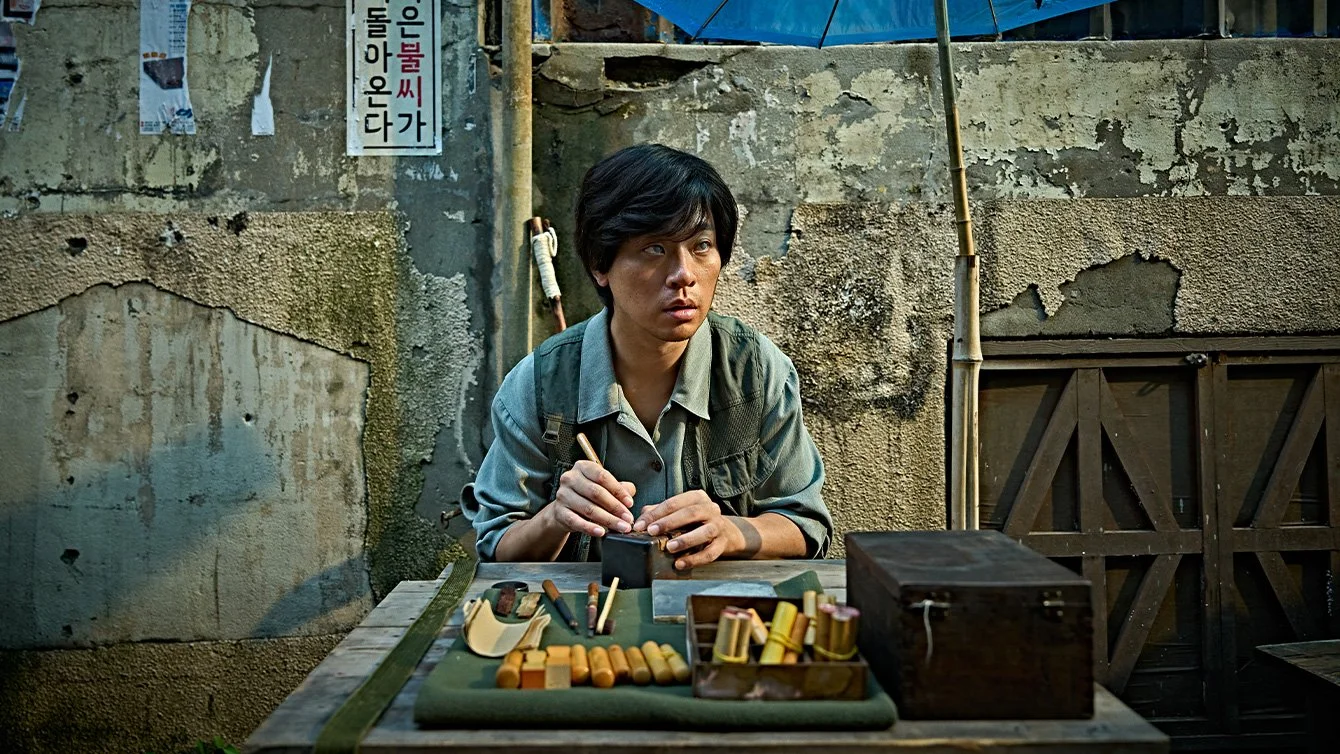
Directed and written by Yeon Sang-ho, The Ugly marks a shift away from his more overt genre work into something colder and more intimate. Where films like Train to Busan externalized horror through spectacle, this one turns inward, focusing on emotional erosion, buried memory, and the quiet violence of social judgment. The result is a slow-burning psychological drama that asks more of its audience than simple attention. It asks endurance.
The story follows a man confronting the long-absent legacy of his mother, a figure defined almost entirely by the way others spoke about her. Little is known. Less is remembered. What remains are fragments, rumors, and the unsettling realization that entire lives can be reduced to cruel shorthand. The film is less concerned with uncovering facts than with examining how narratives are constructed, repeated, and weaponized over time.
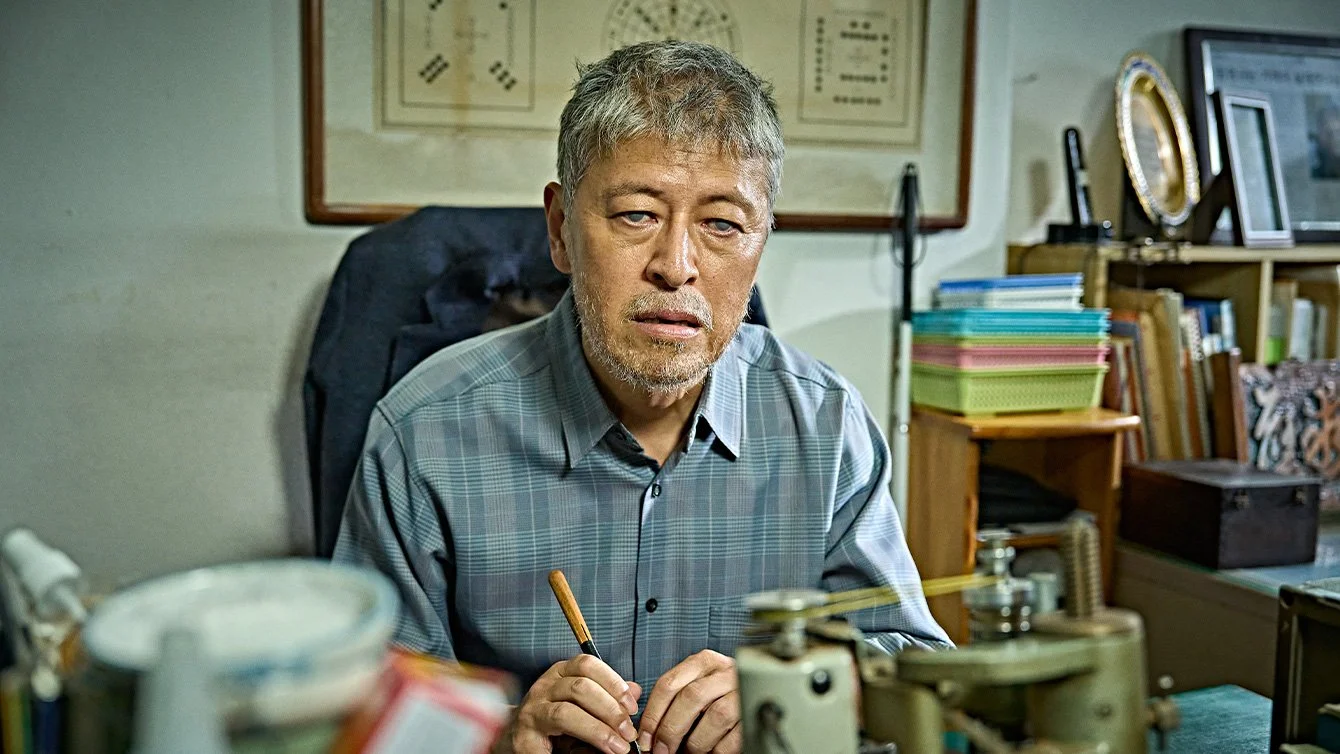
Park Jeong-min delivers a restrained, deeply internal performance, grounding the film’s heaviness in something human and recognizable. His character spends much of the runtime listening rather than acting, absorbing other people’s versions of the past while trying to reconcile them with his own emotional reality. The film wisely resists turning this into a traditional investigative arc. Answers do not arrive cleanly, and closure is never guaranteed.
One of The Ugly’s most effective choices is its visual restraint. Yeon avoids sensationalism, favoring muted tones, naturalistic lighting, and compositions that withhold as much as they reveal. Faces are obscured. Details are incomplete. This is not a stylistic gimmick but a thematic one. The film is less interested in showing than in implicating, forcing the viewer to sit with absence and discomfort rather than resolve it.
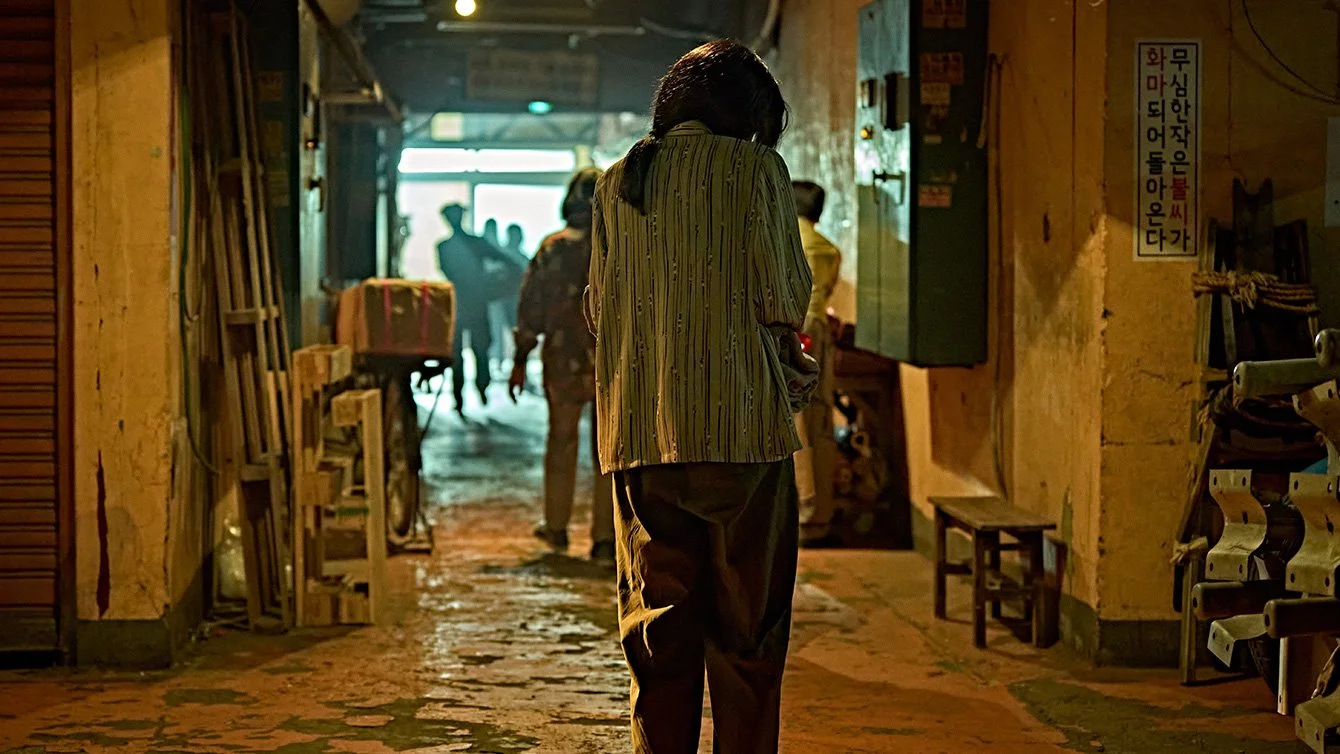
Supporting performances add to the film’s moral complexity without tipping it into melodrama. Kwon Hae-hyo brings an unsettling quietness to his role, while Shin Hyeon-bin provides a grounded counterpoint that complicates the film’s ethical landscape. No one here is positioned as purely innocent or purely monstrous. Complicity is diffuse, shared, and normalized.
The Ugly is also a film that will likely provoke discomfort in its audience for reasons beyond its pacing. Some viewers may mistake its cruelty for endorsement, but that reading flattens what the film is doing. The characters express misogyny, cruelty, and indifference. The film itself is dissecting those attitudes, not celebrating them. It is not asking the audience to judge appearances, but to interrogate why societies feel entitled to do so in the first place.
At 102 minutes, the film moves deliberately but does not overstay its welcome. Its emotional weight accumulates gradually, leaving behind a lingering melancholy rather than a sharp punch. This is not a film designed to be liked. It is designed to be felt, processed, and argued over.
The Ugly is a quiet, oppressive experience, but a purposeful one. It understands that some stories do not resolve neatly and that some wounds never close. For viewers willing to sit with its silence and discomfort, it offers something rare. A film that does not flinch from how casually cruelty can become tradition.
Jessie Hobson