
OBEX is the kind of movie that feels like it crawled out of a dusty computer lab at 2 a.m., humming with static and bad ideas in the best possible way. It is lo-fi, deeply analog, aggressively strange, and proudly uninterested in smoothing out its rough edges. In an era where nostalgia is usually sanded down and sold back to us by algorithms, OBEX makes nostalgia feel uncomfortable again.

Directed by Albert Birney and co-written with Pete Ohs, the film plays like a haunted love letter to 1980s computer culture, early video games, and the kind of genre experimentation that used to sneak into video stores without warning labels. Shot in stark black and white and clocking in at a tight 90 minutes, OBEX does not so much unfold as it seeps into your brain, pixel by pixel.
Birney stars as Conor Marsh, a reclusive man whose isolated routine begins to fracture when he discovers a mysterious computer game called OBEX. When his dog Sandy vanishes, the film pivots from a moody character study into something closer to a full-blown video game fever dream. What starts as escapism becomes obsession, and then something stranger, as Conor is pulled into the game’s world in a desperate attempt to get his companion back.
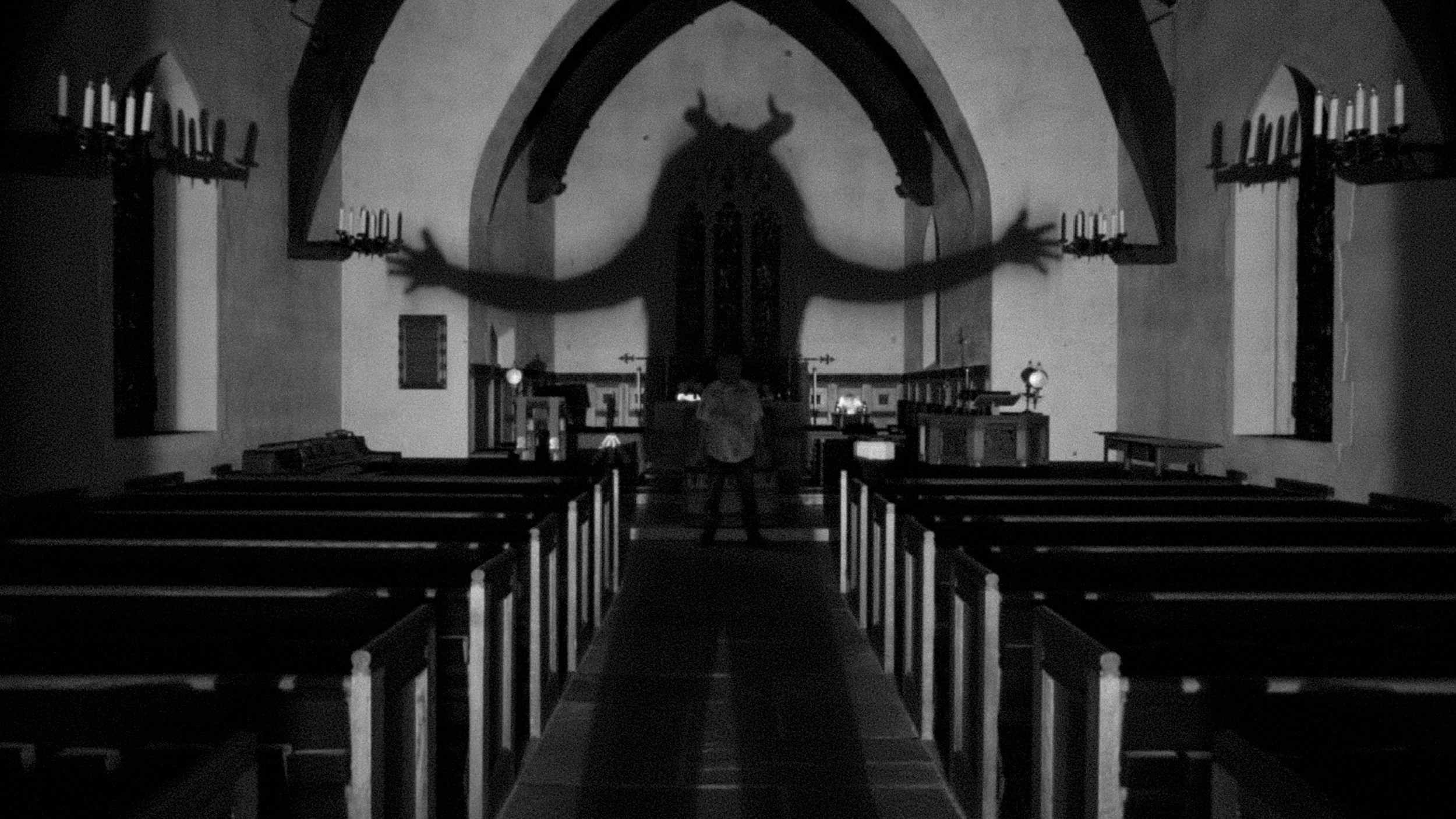
This setup sounds like something Black Mirror might toy with, but OBEX feels far more personal and far more experimental. The film takes its time getting started, and pacing will absolutely be a sticking point for some viewers. That said, the slow burn barely matters when the visuals are this interesting. The practical effects are charming, tactile, and borderline hypnotic. At times, it feels like Tron filtered through a dot matrix printer. At others, it plays like a modern-day Army of Darkness stripped of color and irony.
There is a claustrophobic sensation baked into every frame. Even when the film creates its own rules and reality, it still manages to make you feel watched, boxed in, and quietly unsettled. The black-and-white photography is not just a stylistic choice; it reinforces Conor’s emotional isolation and the sense that this world has already drained itself of comfort.
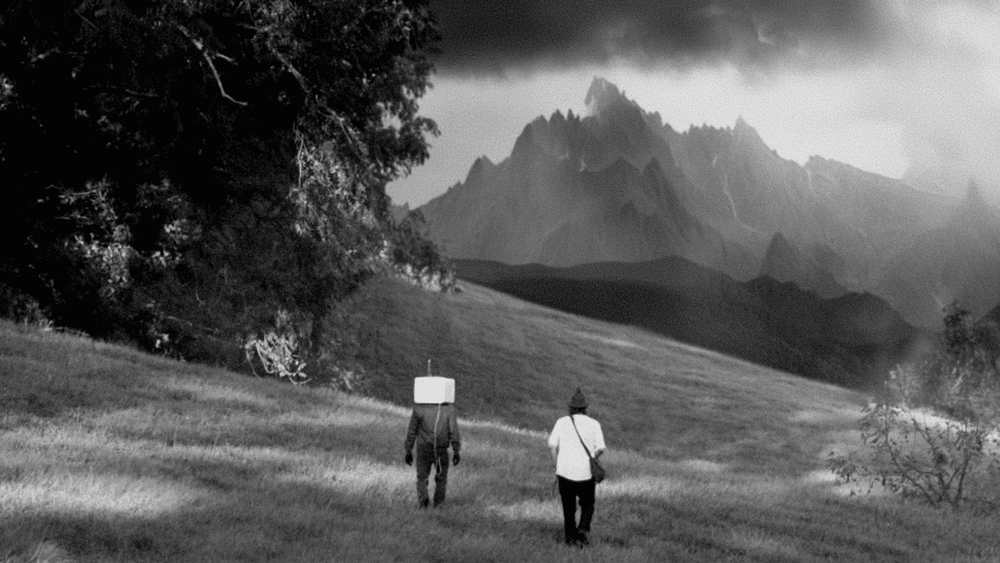
Birney’s performance is especially striking. He carries the film almost entirely on his own shoulders, selling both the awkward humor and the creeping despair. The emotional core can be difficult to fully latch onto, and this may be one of Birney’s less immediately accessible works because of that, but it is still fascinating to watch him operate in a space that feels so handmade and personal.
Supporting turns from Callie Hernandez and Frank Mosley help ground the film just enough to keep it from floating away entirely. And Sandy, played by Dorothy, becomes the film’s unlikely emotional anchor. The quest to save a dog may sound small, but OBEX treats it with mythic seriousness, which somehow makes the whole thing work.

The score is excellent, the ending lands, and the Nightmare on Elm Street nods are perfectly pitched for anyone raised on late-night cable. Is it scary? Not really. Is it surreal? Not in the conventional sense. But it is intense, fun, and deeply weird. And weird feels like the point.
OBEX will not be for everyone. It is messy, indulgent, and occasionally frustrating. But it is also unlike anything else out there right now. It feels handcrafted instead of focus-tested, and that alone makes it worth celebrating.
In short, this is a movie that feels like it was made by someone who genuinely loves video games, movies, and the strange emotional spaces they create. It is a video game fever dream, a lo-fi nightmare, and a reminder that independent genre cinema can still take risks. Keep making weird films, people. We need them.
Jessie Hobson