
From its opening moments, The Arborist announces itself as something deeply unsettling. The intro is genuinely haunting, the kind that crawls under your skin and stays there. As a parent, it is especially difficult to watch at times, tapping into a primal anxiety that recalls the emotional dread of films like The Babadook. This is horror rooted in responsibility, loss, and the fear of failing the people you love most.
The film centers on Ellie, a grief-stricken arborist played by Lucy Walters, and her young son Wyatt, portrayed by Hudson West. From the start, their bond feels authentic. Their relationship never plays as a genre shorthand but as a real family trying to survive emotional devastation. That realism becomes the film’s greatest weapon. When the horror creeps in, it does so through people you already believe in.
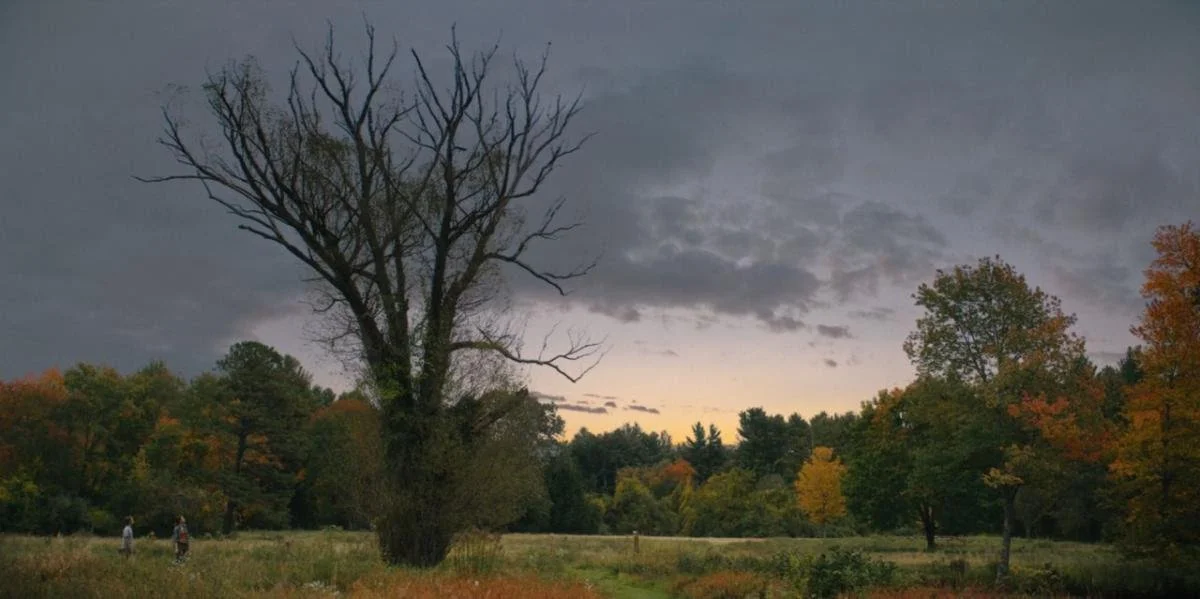
Set almost entirely in the woods surrounding the Randolph estate in Massachusetts, The Arborist leans hard into folk horror aesthetics. Trees loom overhead, dwarfing the characters, reinforcing the idea that they are trespassing somewhere they do not belong. The forest feels ancient and observant, less a location than a presence. The film’s 2:1 aspect ratio emphasizes this vertical menace, often framing Ellie and Wyatt as small figures trapped beneath something larger and unknowable.
The supernatural elements arrive gradually. This is a slow burn, but one that rarely feels sluggish. Each reveal is measured, allowing tension to build organically. The visions and creatures that appear are genuinely disturbing, built more on implication and imagery than excess. Some moments will be burned into your brain, including the deeply unsettling image of a baby encased inside a woven stick sphere. It is strange, symbolic, and deeply wrong in the best possible way.
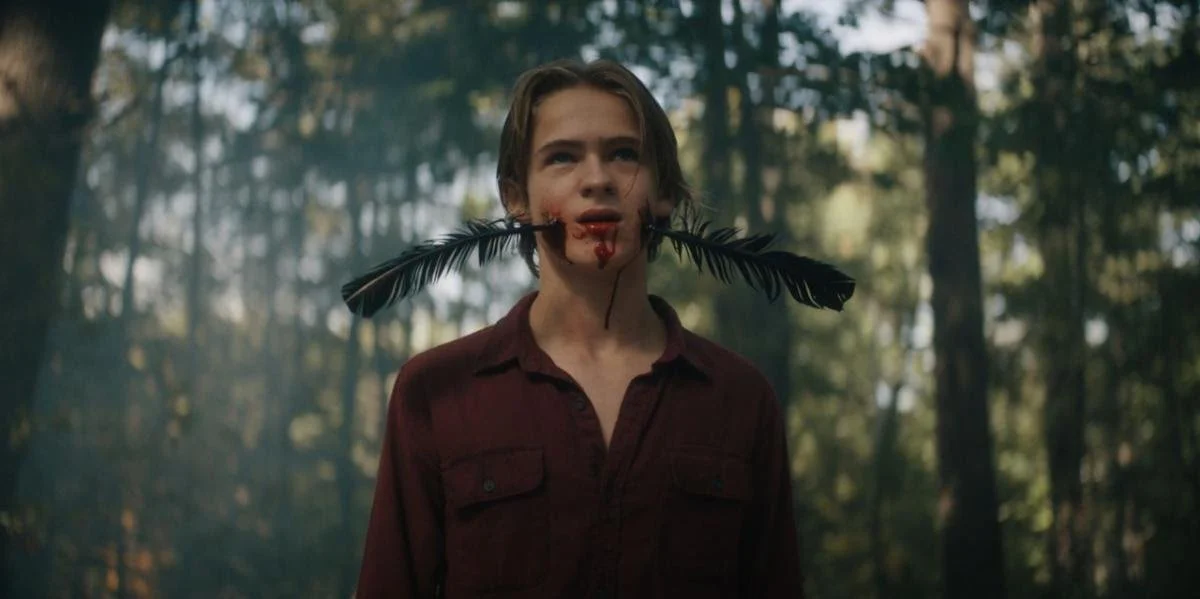
Sound design and score play a crucial role in sustaining the film’s unease. The frequent use of plucked violins creates a nervous, scraping tension that mirrors Ellie’s mental state. And there is something undeniably terrifying about the sound of a newborn baby crying in a horror context. The film understands how to weaponize sound without overusing it.
That said, The Arborist is not without its shortcomings. Despite its thoughtful execution, the film occasionally slips into familiar territory. The structure follows a grief-driven horror formula that has become increasingly common in recent years. A parent processing loss, a remote location, an awakened presence tied to trauma. While the arborist profession gives the story a fresh angle, some narrative beats feel predictable once the pieces are in place.
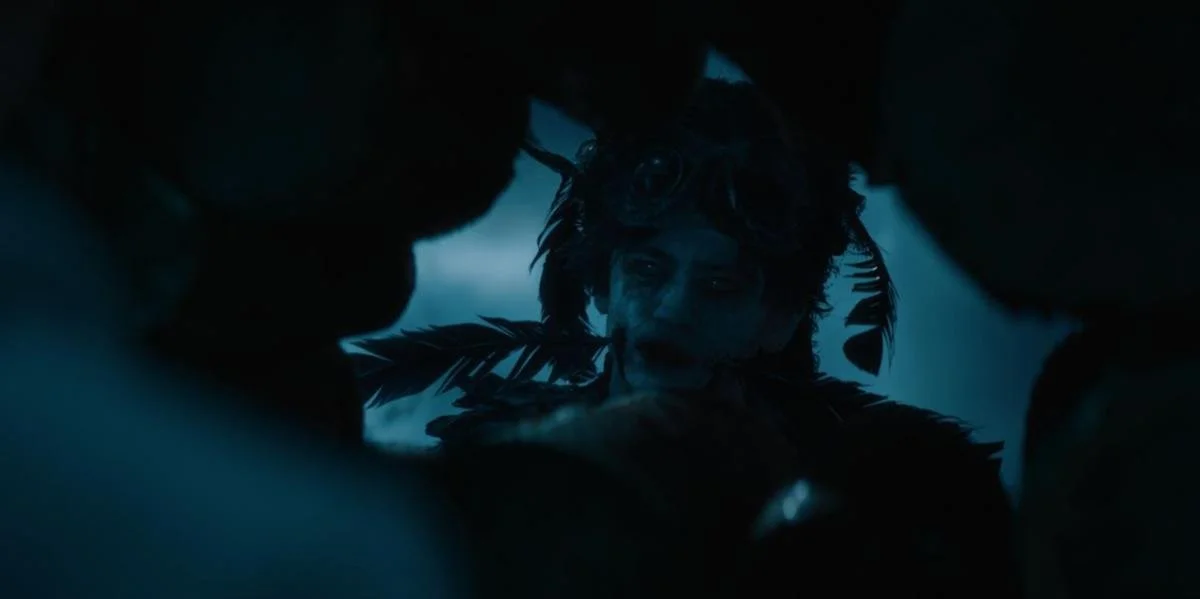
Still, strong performances help carry the film through its more conventional moments. Walters delivers a grounded, emotionally raw performance, while Hudson West brings a quiet vulnerability to Wyatt that never feels forced. Will Lyman’s Arthur Randolph looms over the story like a ghost made flesh, his connection to the land adding an extra layer of dread to every scene he inhabits.
Perhaps the film’s greatest success lies in its refusal to offer easy answers. The ending arrives quietly, devastating in its restraint. There is no neat resolution, only the lingering weight of grief and the understanding that some wounds never truly heal. It is a sad ending, deeply sad, and all the more effective because the film earns it.
The Arborist asks how long grief can live inside a person before it begins shaping everything around them. In Andrew Mudge’s vision, grief is not something to overcome but something that changes the landscape permanently. Like the forest itself, it remembers every cut.
Jessie Hobson