
Teacher’s Pet taps into a deeply unsettling idea: what happens when the system meant to protect and shape young minds becomes a hunting ground instead. It is a premise that feels uncomfortably plausible, and the film is smart enough not to treat it like an exaggeration or a metaphor. This is not elevated horror. It is grounded, procedural dread, the kind that creeps in because it could absolutely happen.

Written and directed by Noam Kroll, the film centers on Clara, a high school senior days away from graduating and escaping to Yale. Her future is meticulously planned, her academic record flawless, and her focus unshakable until a new English teacher enters her life and begins quietly dismantling everything she has worked for. High school is supposed to be a launching pad. Here, it becomes a battleground.
At just 90 minutes, Teacher’s Pet wastes little time establishing its unease. The tone settles early, pairing familiar academic environments with an undercurrent of psychological menace. Classrooms feel claustrophobic. Authority feels weaponized. The film moves with the rhythm of a thriller but often feels like a novel unfolding on screen, particularly reminiscent of the kind of domestic psychological fiction that thrives on slow-burn dread rather than spectacle.
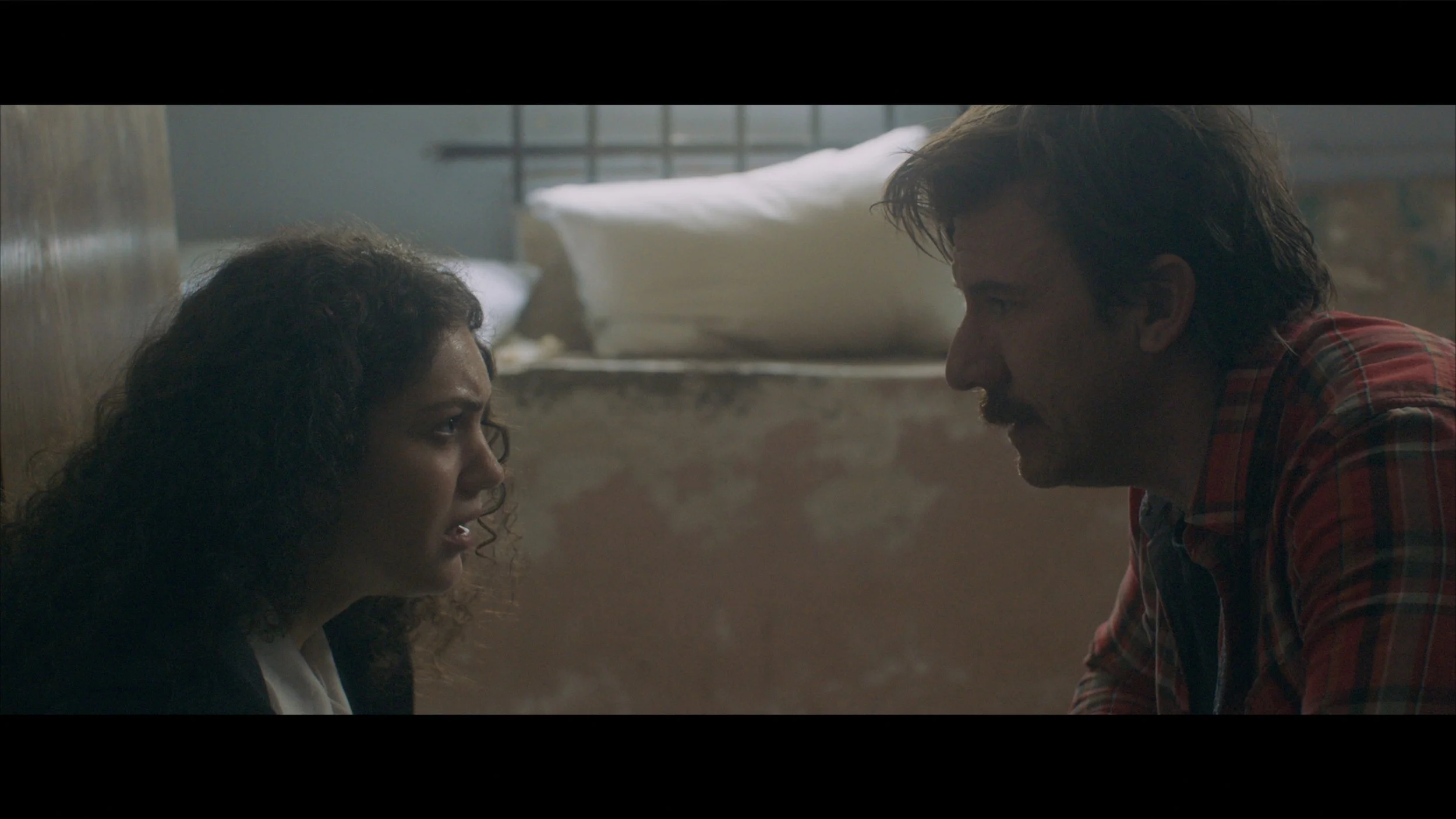
Michelle Torian delivers a sharp, grounded performance as Clara. She is not written as a passive victim waiting to be saved. Instead, the film frames her as a strategist, someone who senses the danger early but must navigate it carefully within a system stacked against her. Her intelligence becomes both her strength and her liability, especially when reputation, trust, and academic ambition are all on the line.
Opposite her, Luke Barnett plays Mr. Heller with unnerving restraint. His performance is defined by nonchalance rather than volatility. He rarely raises his voice, rarely signals overt menace, and that is precisely what makes him disturbing. Heller operates with the confidence of someone who knows the system will protect him because it always has. The most compelling tension comes from what the audience sees versus what the other characters are willing or able to acknowledge. Barnett’s refusal to escalate emotionally becomes the film’s sharpest weapon.

The supporting cast adds welcome texture. Drew Powell brings a procedural edge as Detective Sommers, grounding the film when it threatens to drift too far into abstraction. Barbara Crampton appears as Sylvia, lending genre credibility and gravitas, while Sara Tomko’s Mrs. Estrada helps flesh out the academic ecosystem surrounding Clara. Nearly every supporting role is played by a familiar face with real acting chops, which keeps the world feeling lived-in rather than staged.
Where Teacher’s Pet occasionally falters is in its restraint. The psychological tension is effective, but the film sometimes pulls its punches when it could push deeper into the emotional fallout of its premise. The serial killer energy and psychological horror are there, but the film often chooses suggestion over confrontation, which will work for some viewers and frustrate others.
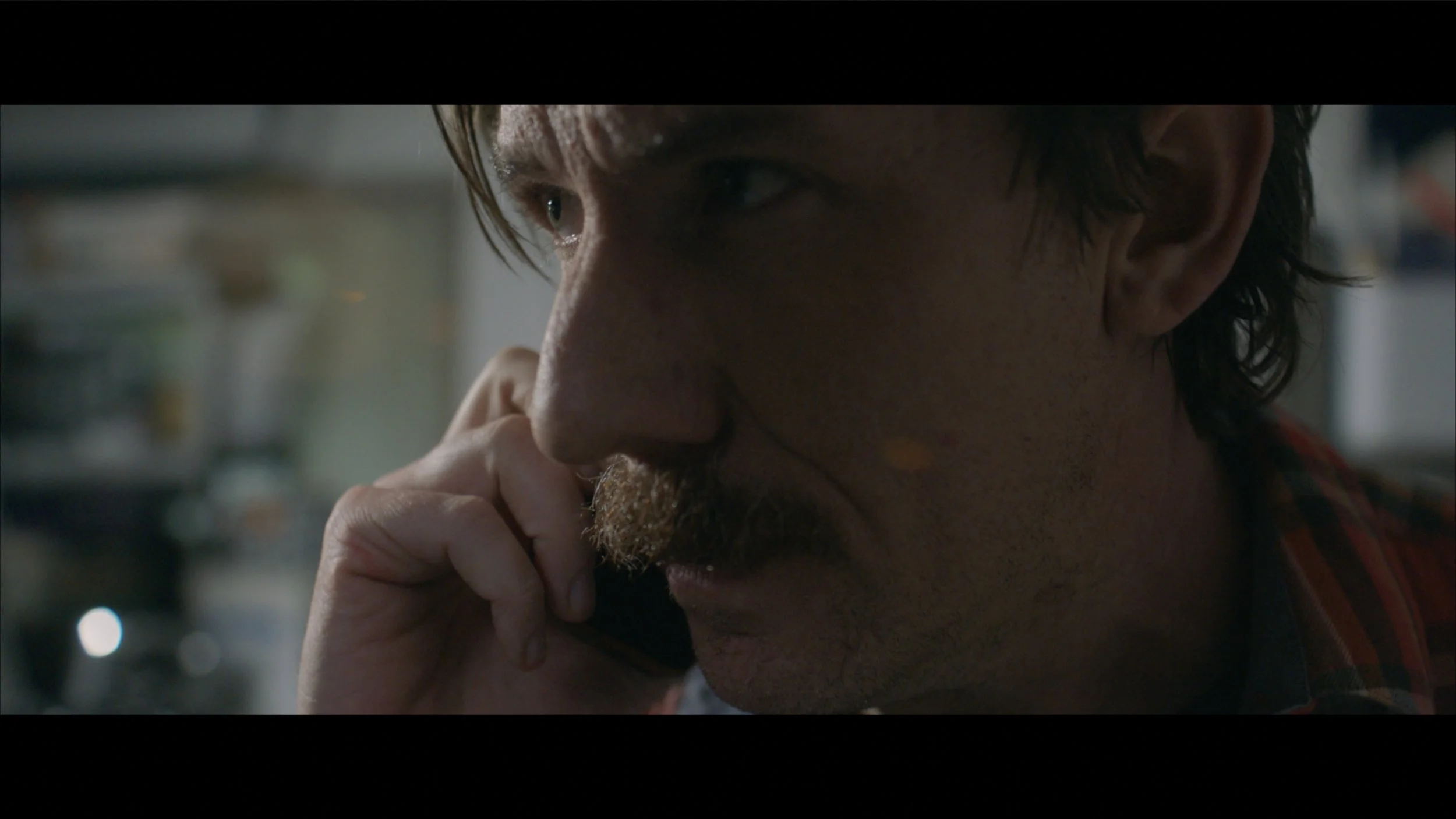
Still, the choice to avoid cheap shocks largely works in the film’s favor. This is horror rooted in the imbalance of power, institutional trust, and the terrifying fragility of a young person’s future. College acceptance letters, recommendation power, and adult credibility become tools of manipulation. Clara’s fight is not just about survival. It is about protecting her future from someone determined to control it.
Produced by Launch Entertainment, Artistic Uprising, and Teachers Lounge Productions, the film wears its indie roots openly. Contained locations, performance-driven tension, and a cohesive tonal vision define the experience. Kroll’s dual role as writer and director keeps the narrative focused, even when it opts for subtlety over escalation.
Teacher’s Pet does not reinvent the thriller genre, but it does something arguably more effective. It reframes a familiar trope with contemporary urgency and emotional realism. In a world where success often hinges on institutional trust and unchecked authority, its horror lands close to home. And that lingering discomfort may be the film’s greatest strength.
Jessie Hobson