
There is no pretending what Blood Barn is inspired by. And that is exactly the point.
When I sat down with director and co-writer Gabriel Bernini, co-writer and producer Alexandra Jade, and star Lena Redford, the energy was honest, self-aware, and completely in line with the film itself. Blood Barn is a retro supernatural slasher about a group of teens throwing one last barn party before college, only for a malevolent spirit to possess them one by one. It is chaotic, campy, and proudly rough around the edges.
Right out of the gate, the Evil Dead influence is undeniable. I brought that up immediately, and Bernini did not shy away from it.
“We did not have a lot of conversation about balancing it, because we just were, like, throwing everything at the wall with this movie. It's our first feature, but Evil Dead was such a huge influence,” he said. The influence went beyond tone. “We were so inspired by the stories of those guys going around wearing suits to dentists' office and screening their Super 8 films on the walls to get them to invest money in their horror film, and that's kind of really very similar to what we did to get our investors.”
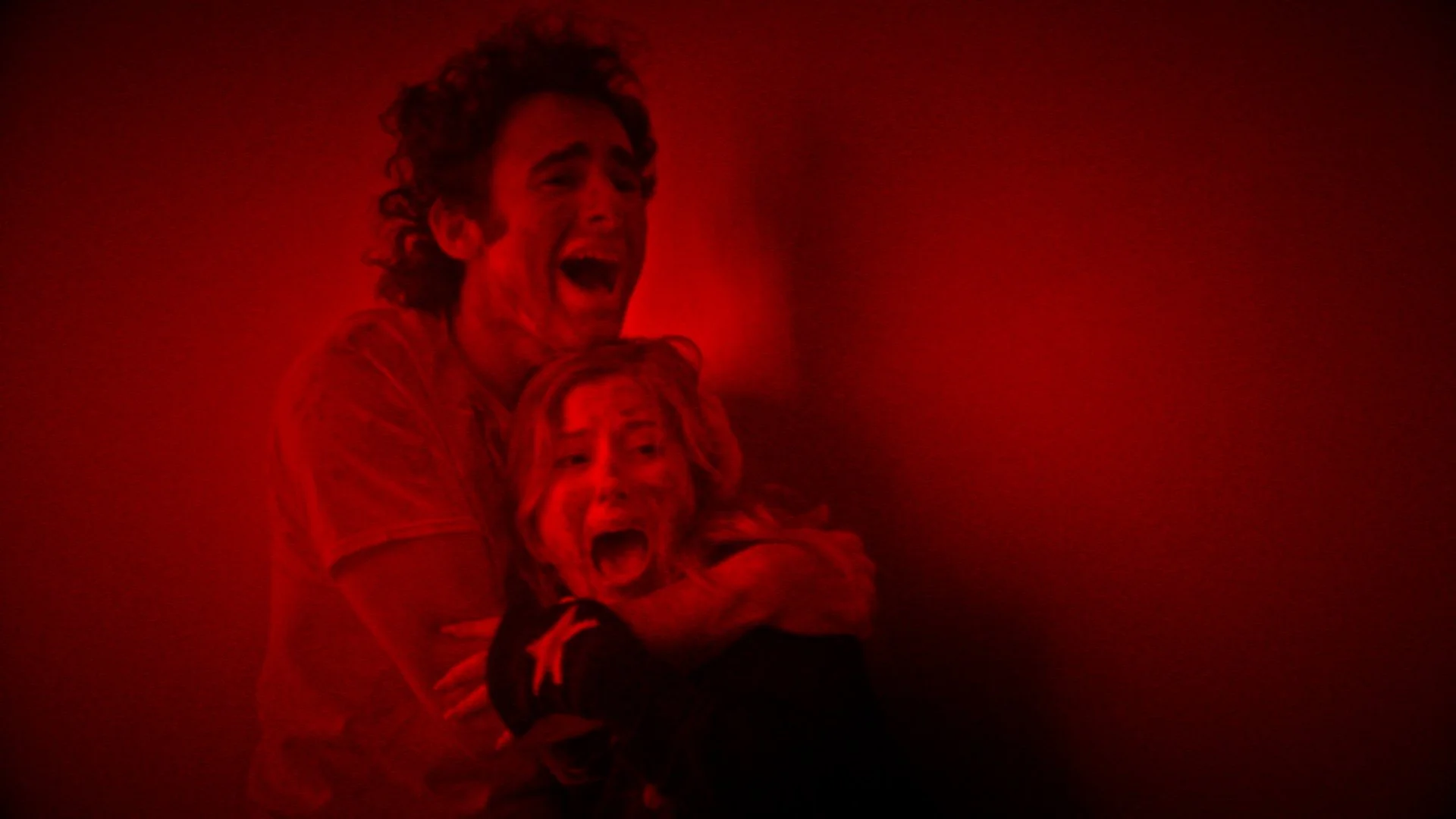
Rather than carefully distancing themselves from their inspirations, they embraced them. “We just kind of wanted to live that experience that those guys had,” Bernini explained. And when it came to worrying about copying too much, the answer was simple. “We didn't really talk about it, we were just kind of like, we're gonna just do what we're, what we're, you know, what we want to do.”
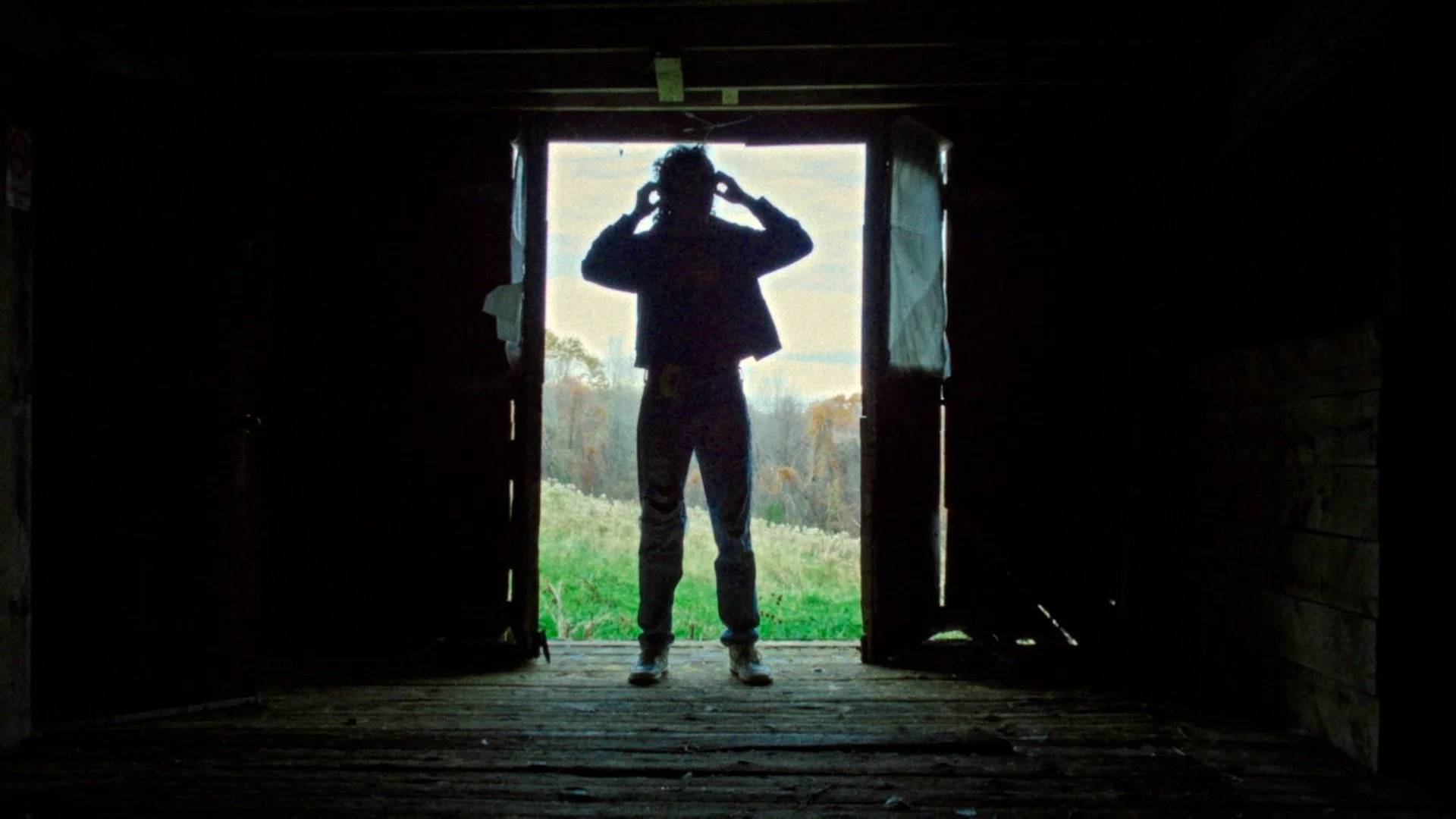
Blood Barn was filmed over 11 days at Long View Farm Studios, a legendary recording studio in Massachusetts with its own history of hauntings. The location was not just a backdrop; it actively shaped the production.
“We wrote the movie around… we had the option to film at this barn, so we, you know, definitely wrote with that in mind,” Bernini said. But once they arrived, reality hit. “There was a full rewrite that happened when we got there and realized that the barn doors don't open all the way. There was, like, a whole fight scene that had to be rewritten, like, on location.”
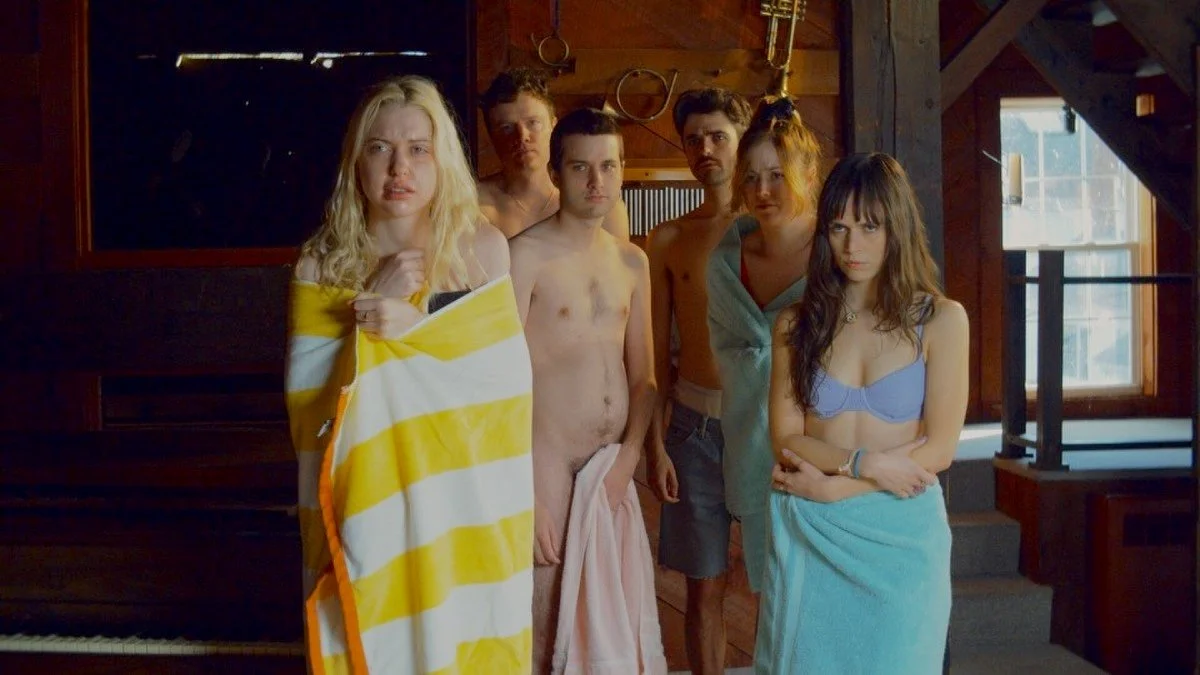
They leaned into the space instead of fighting it. “It is such a unique space, and we really wanted to kind of utilize as much of the… of the funky elements, the weird rooms,” he added. The result is a film that feels alive inside its setting.
While the film revels in chaos, splatter, and screwball energy, there is a surprisingly emotional undercurrent running through Redford’s character, Josie. Bernini admitted that even if the audience did not get every detail, the filmmakers needed to understand the emotional engine behind the madness.
“We were leaning into the chaos and the fun of it. But, like, we at least needed to know what was going on,” he said. And when early cuts left too much unsaid, they adjusted. “If you tease that there is something there, then people want to know what it is. So, we actually ended up adding little elements to make that a little more clear.”
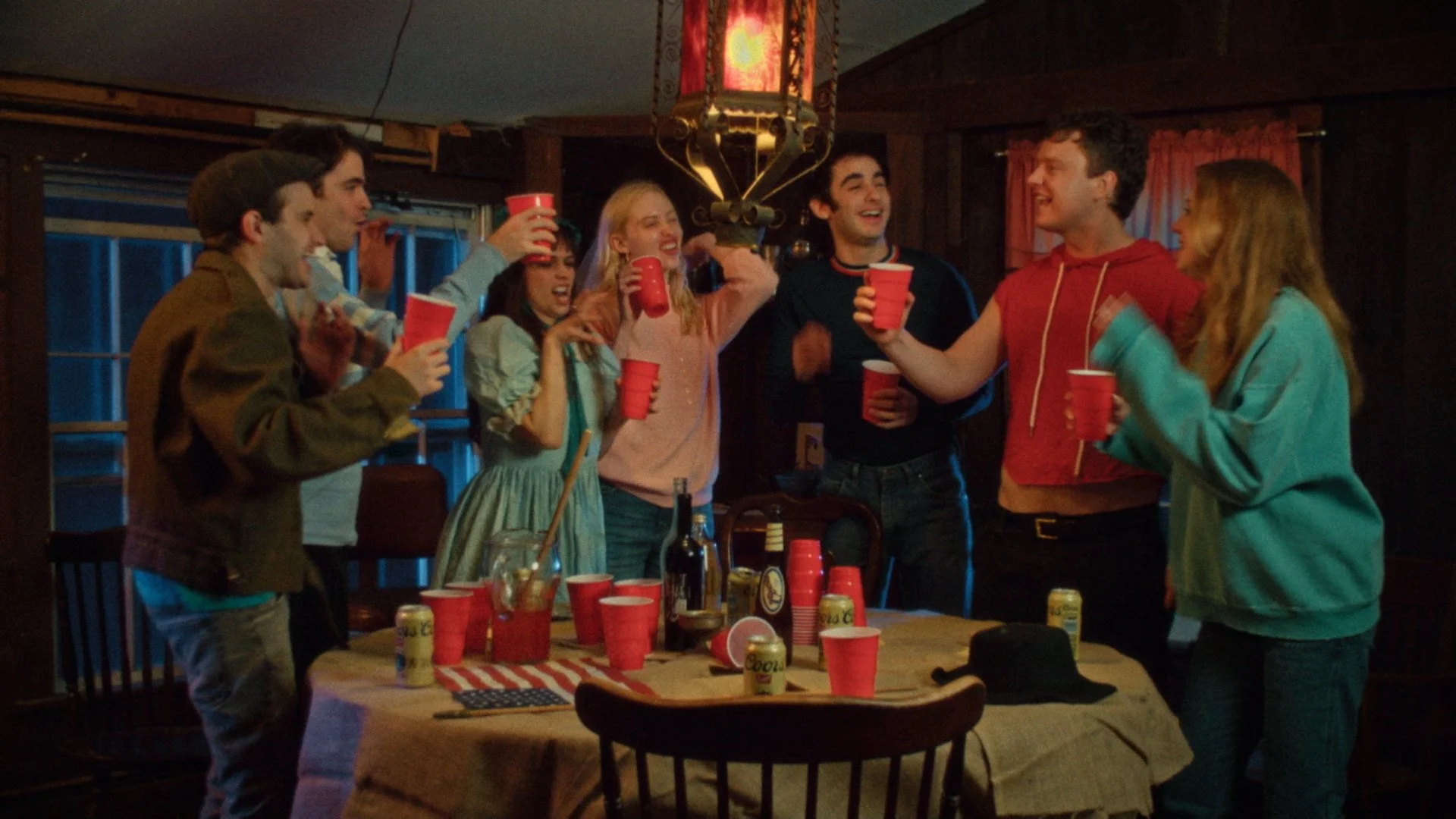
Redford took that emotional through-line seriously. “I did think about her, and I built, sort of as you guys alluded to, like, having your own story that you're rocking with and you're referencing, but maybe not necessarily bringing that to the forefront, but just letting it infuse the script that they gave me,” she said. Then she added, “But she's got, I mean, I've got binders full of research.”
The performance clearly took a toll. When asked if it was hard to separate from the character, Redford admitted, “Yeah, I felt really dejected sometimes on set. Sort of a loser.” That outsider energy becomes a crucial anchor as the film’s tone shifts wildly by the end.
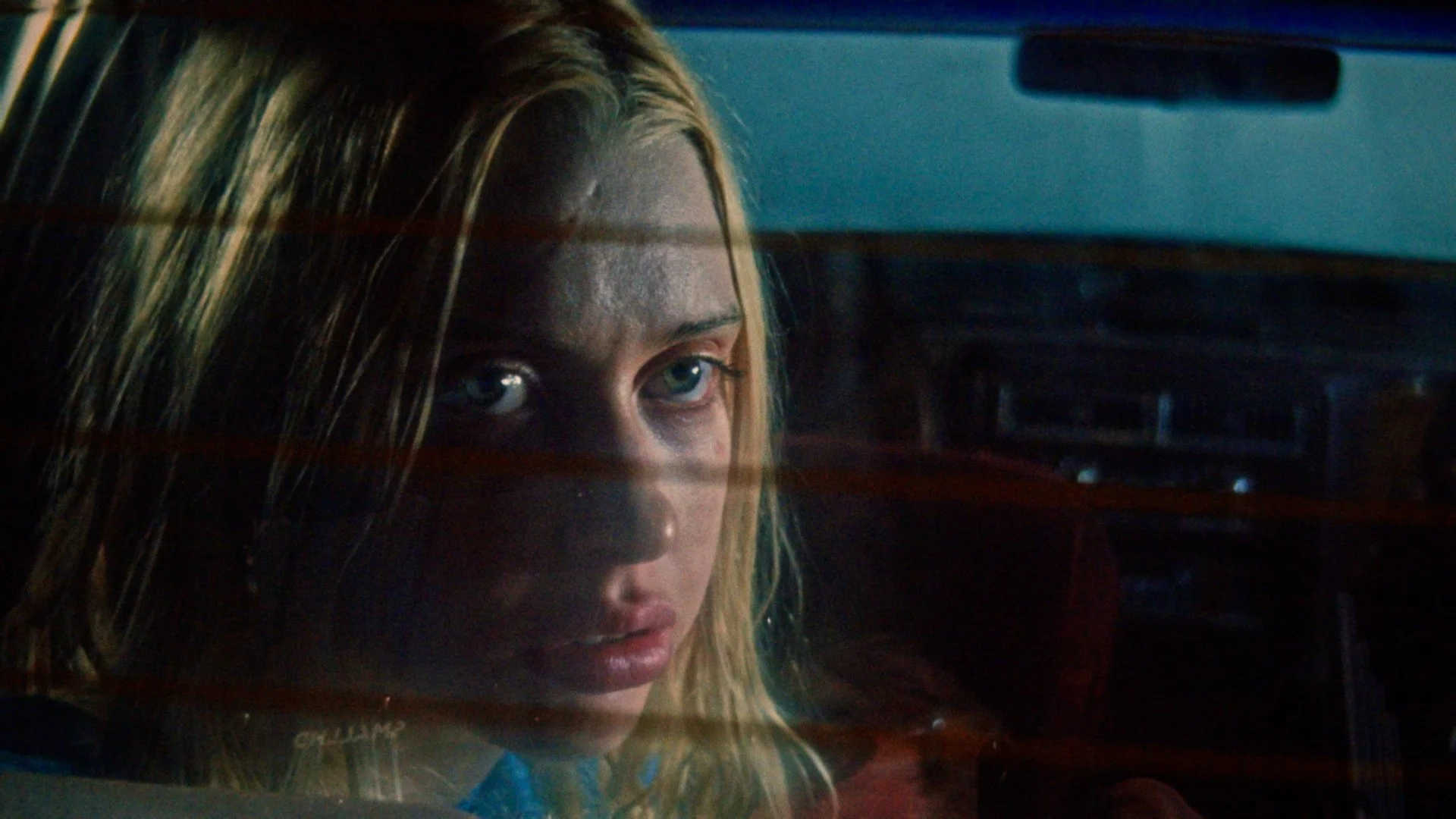
The practical effects are another standout. Blood Barn does not sand down its rough edges. It celebrates them. One particularly chaotic moment involved a prosthetic face falling directly onto Redford.
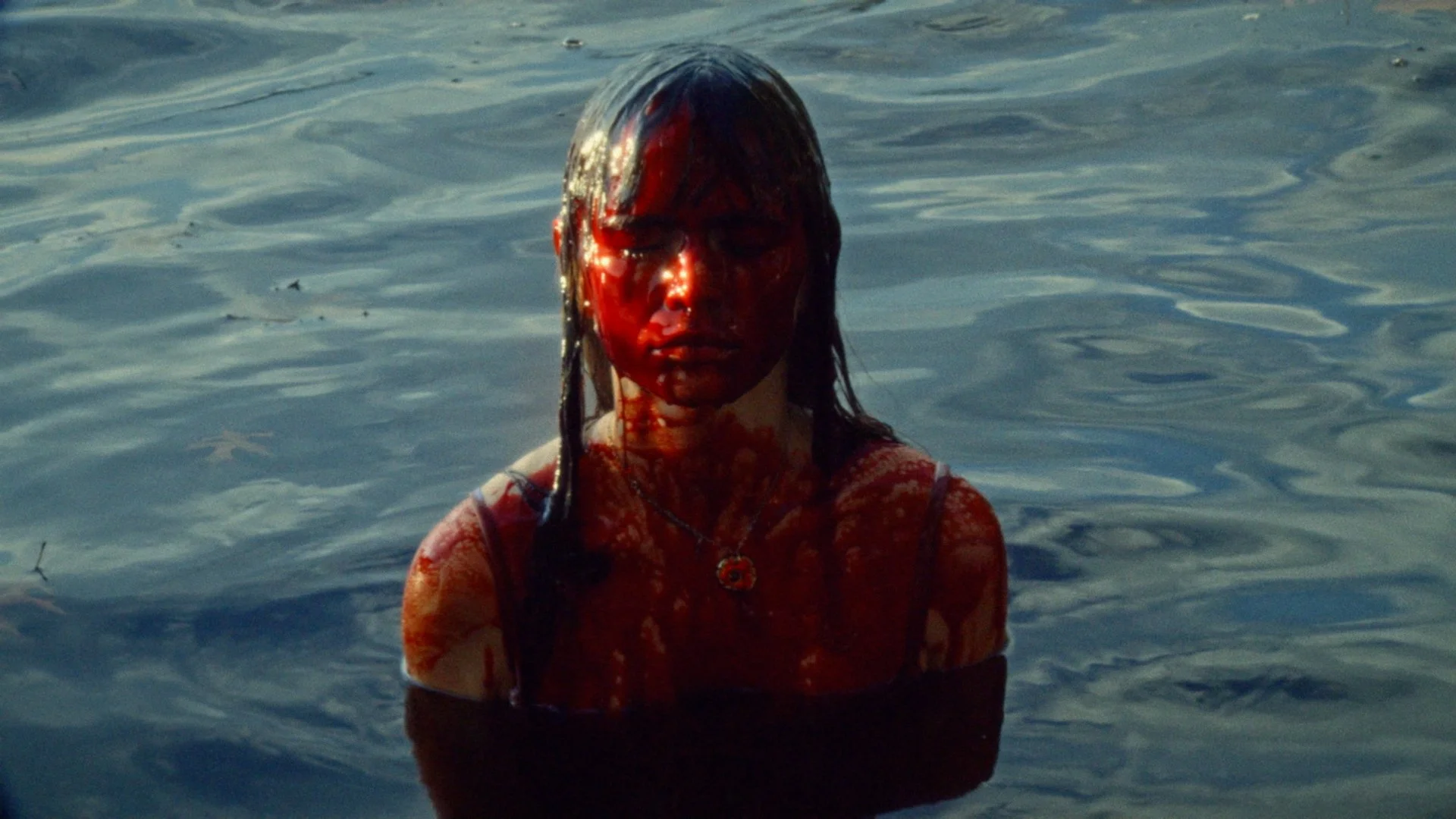
“That’s one of my favorite parts of the movie, is your reaction to that face,” Bernini told her. He described how intense the moment felt during filming, especially given the conditions. “It was the absolute end of the shoot, and I think everybody involved was uncomfortable, and unhappy, and hungry, and cold.” Redford chimed in with a grin, “Which really happened?”
That rawness is part of the film’s DNA. Bernini summed up his philosophy clearly. “I like movies, personally, where you can see the filmmaking in the film. I like to feel like I'm, you know, watching this piece kind of be made in front of me, and I don't mind seeing the rough edges.” For him, “the rougher, the better.”
The film was made through community, hustle, and collaboration. “It's such an exciting way to make movies,” Bernini said of the low-budget, DIY approach, “using your community.”
Redford hopes that same spirit carries into how audiences experience it. “I hope that people watch it with their friends and family. It's a fun movie to watch with other people, and it's okay to laugh and cry. But yeah, it was made with a group of friends, so it's fun to watch it like that as well.”
I had a genuinely great time speaking with Bernini, Jade, and Redford. They were thoughtful, self-aware, and clearly proud of what they built together. I will admit I was told until the very last minute that Chloe Cherry would be part of the interview, which ultimately did not happen, and that was disappointing. Still, the conversation we did have was energetic and sincere.
Blood Barn is not trying to be pristine. It is trying to be felt. It is a love letter to low-budget horror, to practical effects, to chaotic friend groups, and to the idea that sometimes the best way to make a movie is to throw everything at the wall and see what sticks.
Jessie Hobson