
Independent horror has always thrived when it turns inward, and Trapped Inside My Sin understands that sometimes the scariest thing in the room is not the demon, it is your own conscience. Directed by Vincent Vilardi and written by Jeffrey Lanier, the film leans into spiritual dread and moral accountability, delivering a story that is more about reckoning than random chaos.
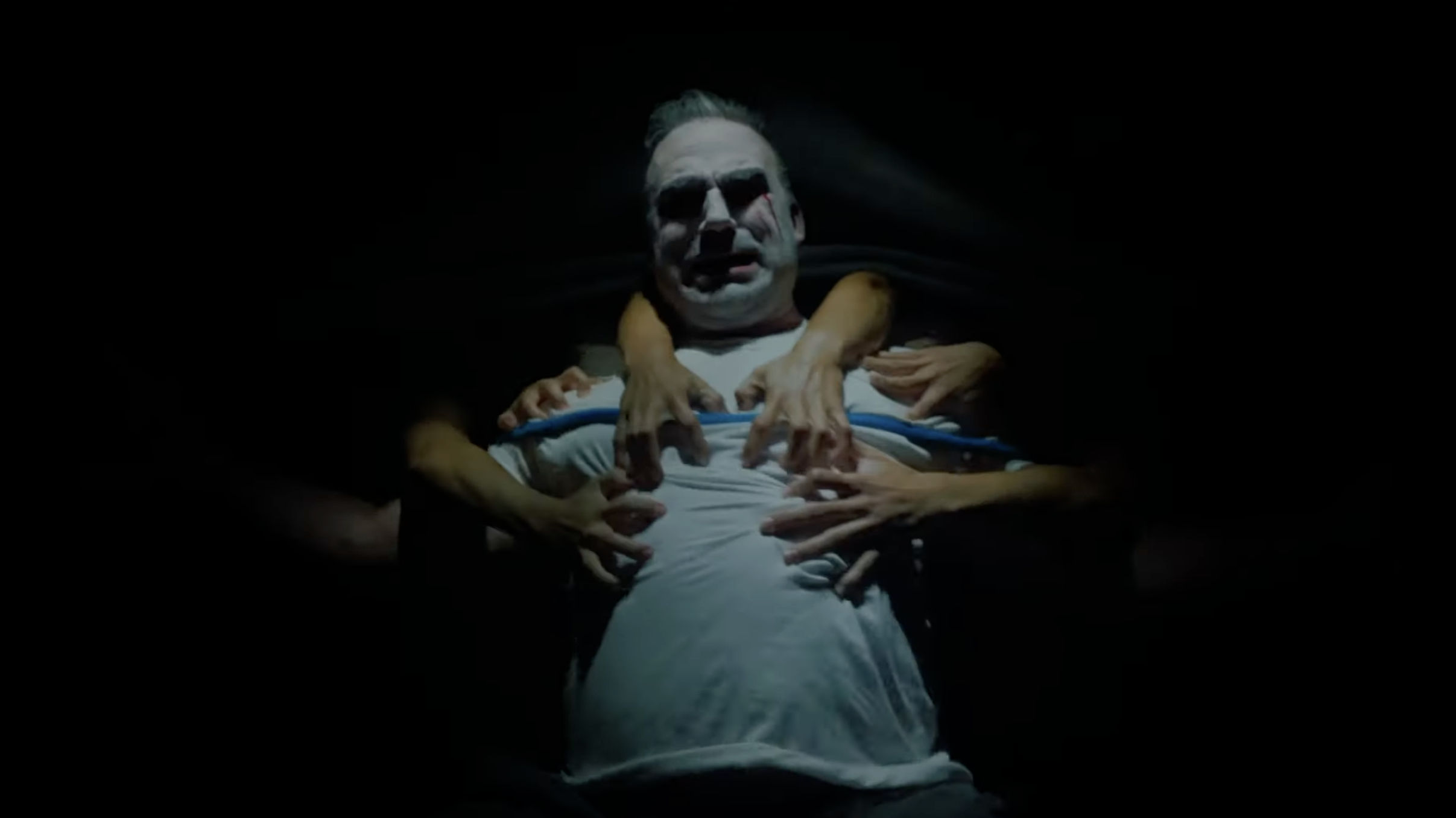
The premise is deceptively simple. A father relocates his wife and two children to a new home, hoping for a reset. Instead, he finds himself facing punishment for a sin he never took seriously. What unfolds is less a standard haunted house tale and more a slow tightening of psychological and spiritual pressure. The house does not just creak and groan. It judges.
What works best here is the internal struggle. The supernatural elements are present and effective, with several genuinely creepy moments and a score that enhances the unease in all the right ways. But the heart of the film is watching a man come to terms with the weight of his own dismissal. This is horror rooted in denial and consequence. The idea that you can minimize your wrongdoing, laugh it off, move on, only to discover that something else has been keeping score.
The demonic appearances are unsettling without feeling overblown. They serve the story rather than overpower it. The discomfort comes less from spectacle and more from what they represent. Each encounter feels like a manifestation of guilt made flesh, forcing the lead character to confront what he tried to ignore.
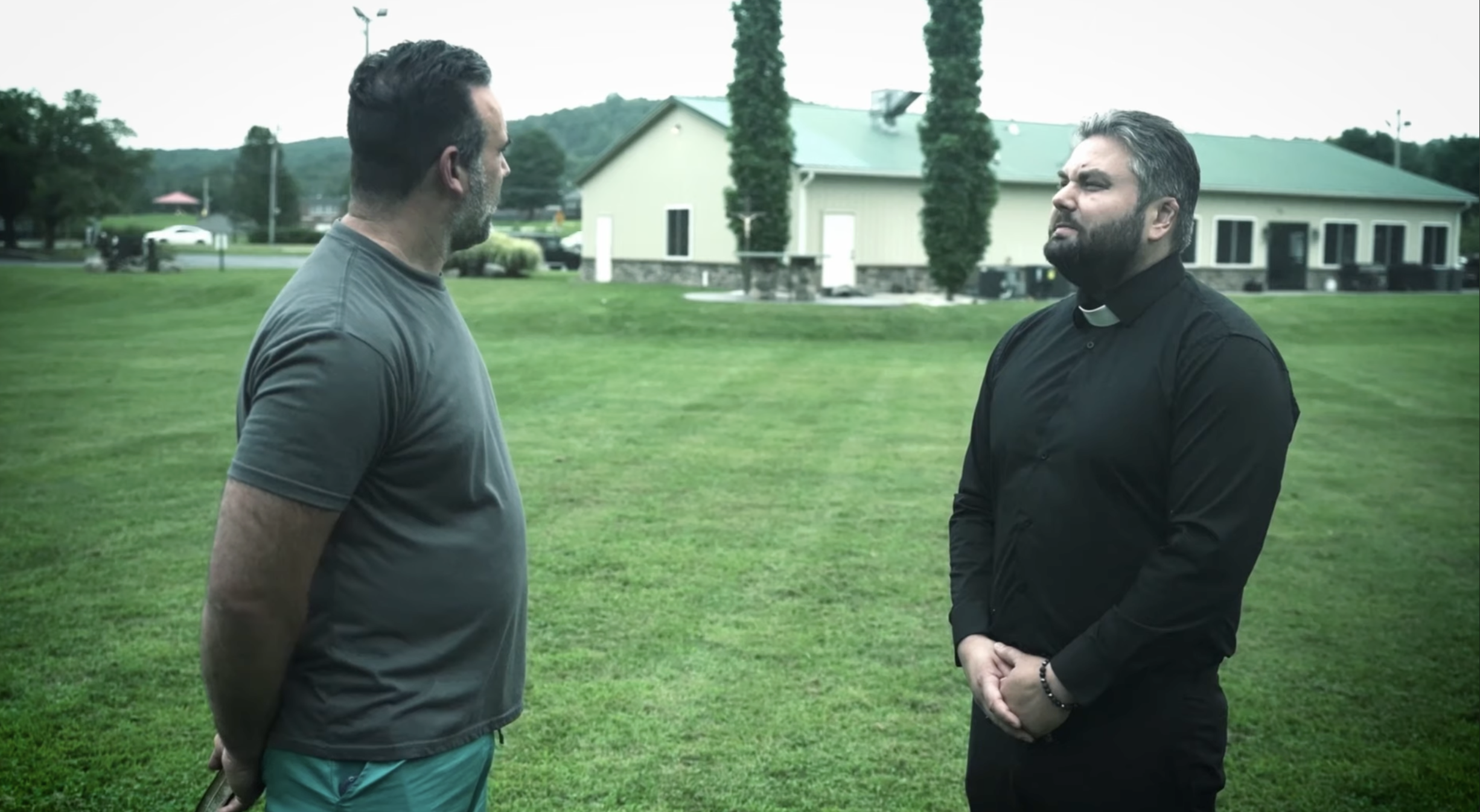
Performance-wise, Dan Gregory stands out as Father Charles. There is a grounded sincerity to his portrayal that anchors the film’s religious undertones. He does not play it flashy. He plays it real, and that authenticity gives the spiritual stakes more weight. It is easy to see bigger opportunities ahead for him.
Gina Lynn, known to many as the Gina the Chick-fil-A sauce meme girl, also delivers a surprisingly layered turn. Her conversation with the father is more than filler. She brings emotional presence and nuance, enough that you genuinely want to see more of her. It is always a good sign when a supporting performance leaves that kind of impression.
Gio Drasconi and Victoria Stevens help ground the family dynamic, reinforcing that this is not just one man’s burden. His internal collapse ripples outward. The tension is not only spiritual. It is domestic. You feel the strain inside the household as much as you feel the dread in the hallways.
The production value may not always match the ambition, but the film’s commitment to its theme carries it through. Trapped Inside My Sin wants to explore accountability in a way that feels direct and unapologetic. It does not hide behind ambiguity. It leans into the idea that some actions have spiritual consequences, whether you believe in them or not.
CineDump has always appreciated horror that tries to say something beyond boo scares. This one is about moral weight, about the cost of brushing off your own failings. It is a reminder that sometimes the most terrifying prison is the one you build out of denial.
It is not flawless, but it is sincere, creepy, and thematically focused. For viewers drawn to horror that blends faith, family tension, and personal reckoning, Trapped Inside My Sin is worth stepping inside.
Jessie Hobson