
When Renny Harlin talks about The Strangers: Chapter 3, it becomes immediately clear this was never meant to be a standard trilogy capper. For Harlin, this was a rare opportunity to stretch a single character arc across nearly four and a half hours, something most filmmakers never get the chance to attempt, allowing the story to function less as three discrete films and more as one sustained descent shaped by endurance, trauma, and escalation.
“I could such a once in a lifetime opportunity for a filmmaker to tell one story in four and a half hours, one character journey,” Harlin told CineDump. “That was my main reason for making these movies.”
That character journey belongs to Maya, played by Madelaine Petsch, and Chapter 3 is designed to be the emotional and psychological fulcrum of the entire project. While the first chapter leaned closer to a reimagining of Bryan Bertino’s original film, Harlin admits that distance from that template was necessary.
“I was stressed about the first chapter because that in essence was kind of a remake of the original movie, and that’s never a winning situation,” he said. “The further I get from the first film, the better I start feeling. By the third movie, I’m feeling really good about where we are and how we can finally show what we’ve been planning.”
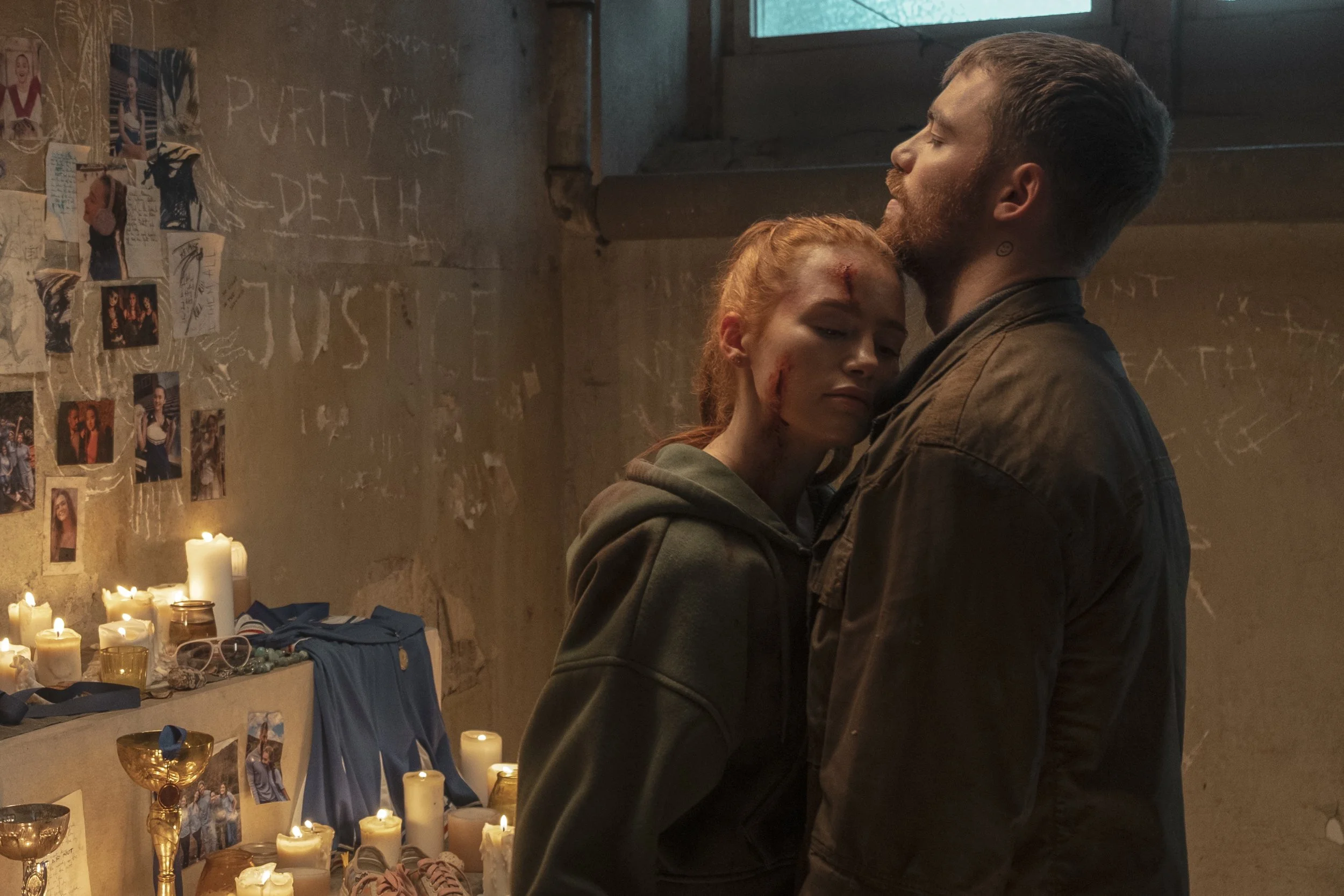
Rather than escalating into a louder, bloodier finale just for the sake of scale, Harlin deliberately chose a more intimate and confrontational approach. Chapter 3 pulls inward, focusing on psychology, trauma, and the uneasy connection between victim and captor.
“It was important to be faithful to the original film in the sense that in certain ways it’s random what happens,” Harlin explained. “These strangers are sociopaths that are not explained. But I felt we would be lazy if in three movies we do nothing but say they are just people with masks. We had to give some markers for the audience.”
Those markers arrive in the form of controlled backstory and emotional context, enough to deepen the horror without fully defanging it. Harlin was careful not to overexplain, but also unwilling to leave the trilogy emotionally hollow.
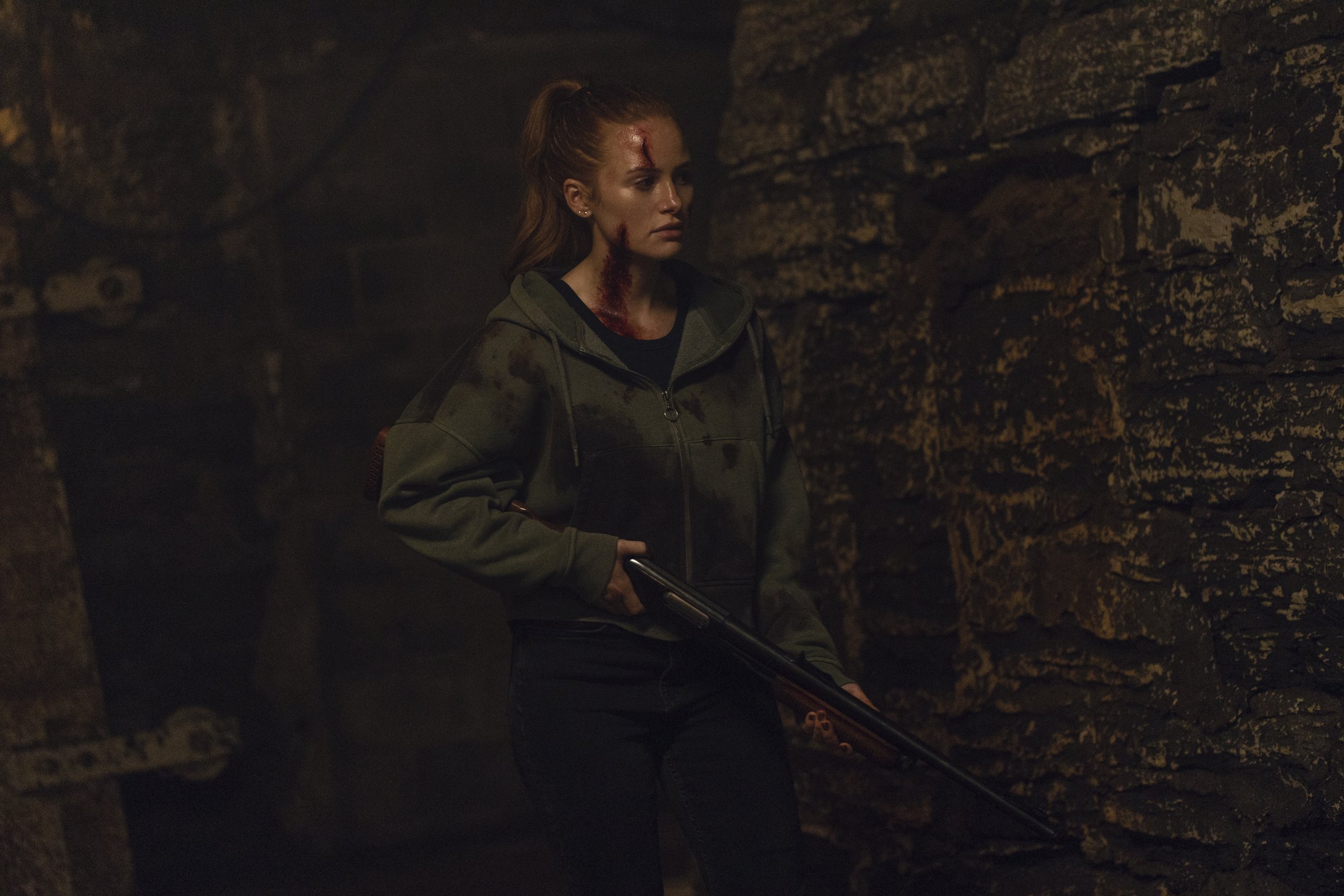
“The challenge was to map out where we are emotionally always, physically and emotionally, and not dial it to twelve all the time,” he said. “To bring it to a conclusion that is not like a neat little bow, but still raw and in the spirit of this movie.”
That restraint is notable coming from a filmmaker long associated with big swings and maximalist cinema. From Die Hard 2 to Cliffhanger to The Long Kiss Goodnight, Harlin has never been shy about spectacle. Yet with Chapter 3, he actively resisted going bigger in favor of going deeper.
“The natural tendency is that in the end the antagonist has to be destroyed, blown up, shot, whatever,” Harlin said. “But here it comes from inside more than outside. It’s purely psychological.”
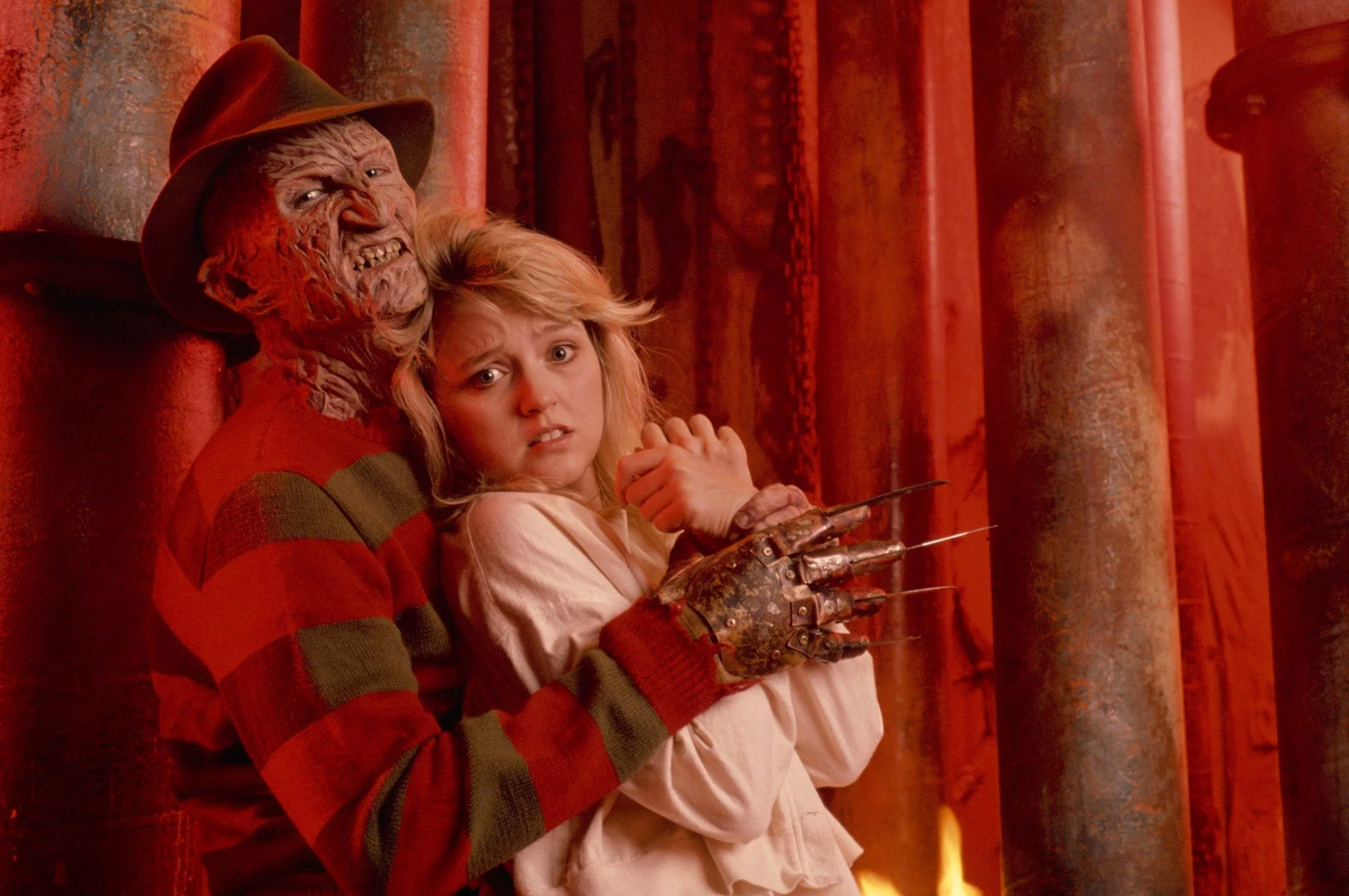
He even compared that philosophy to his work on A Nightmare on Elm Street 4, where Freddy Krueger’s downfall came from internal collapse rather than external force. That same thinking informs Chapter 3, where tension is driven less by chaos and more by proximity, silence, and emotional unease.
“The movie is more quiet and intimate and controlled,” Harlin said. “There are gruesome things, but it’s not about blowing up the world.”
That intimacy also shapes the film’s most discussed imagery, particularly the recurring mask symbolism tied to Maya’s arc. Harlin describes that element not as empowerment, but as something far more unsettling.
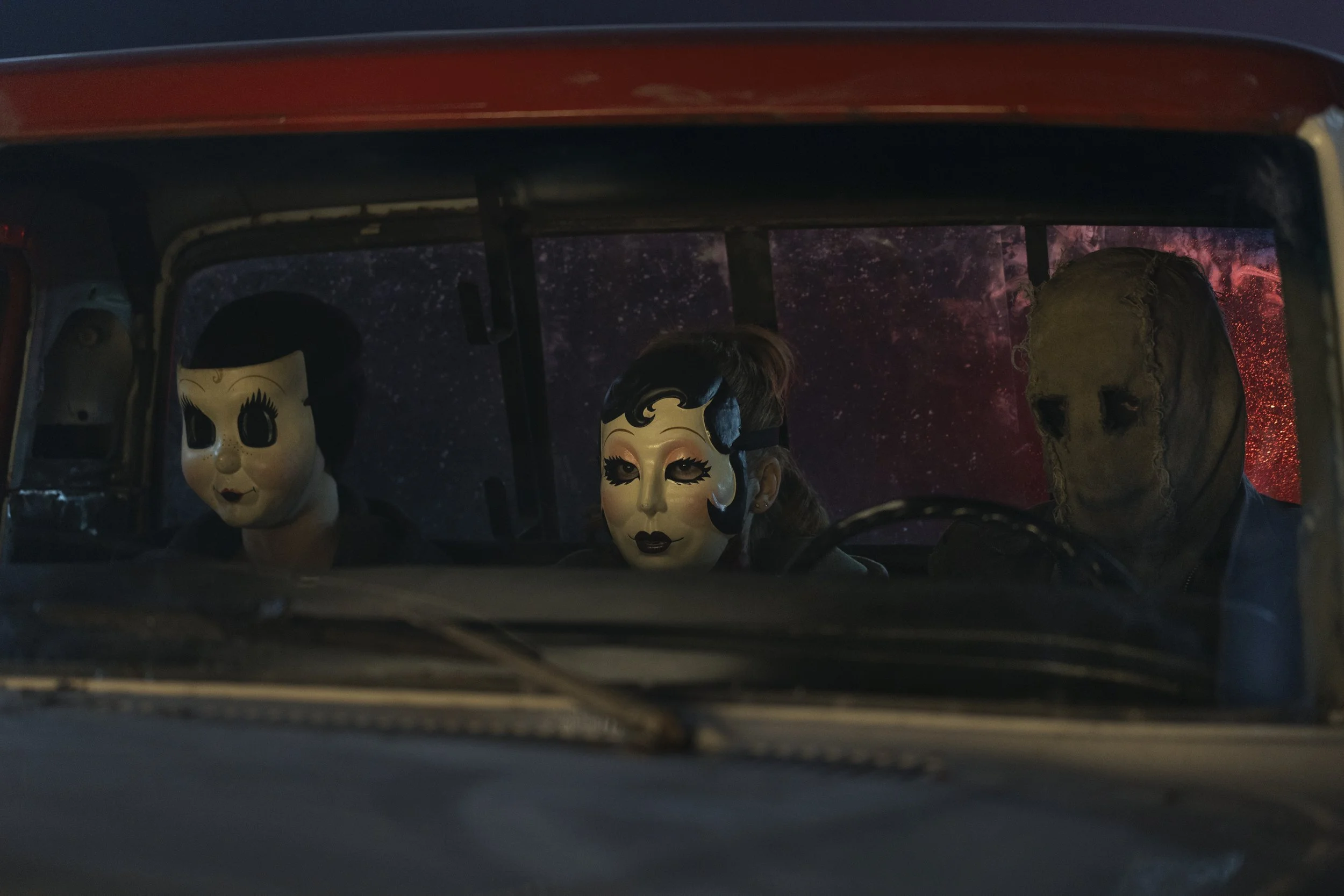
“It was an inevitable part of her arc,” he explained. “Is she being forced to wear the mask, horrified by it, or is there a side of her where the line between good and bad is getting obscured? Could she see herself slipping?”
It is that moral blur, not body count escalation, that defines The Strangers: Chapter 3. Whether the experiment fully lands will be debated, but Harlin’s intent is unmistakable. He was not interested in comfort, nostalgia, or easy answers.
For a filmmaker whose career spans decades and genres, Harlin still sounds energized by risk. Speaking with him, it is impossible not to feel the enthusiasm of someone who genuinely loves the craft, the genre, and the chance to try something different, even when it might divide audiences.
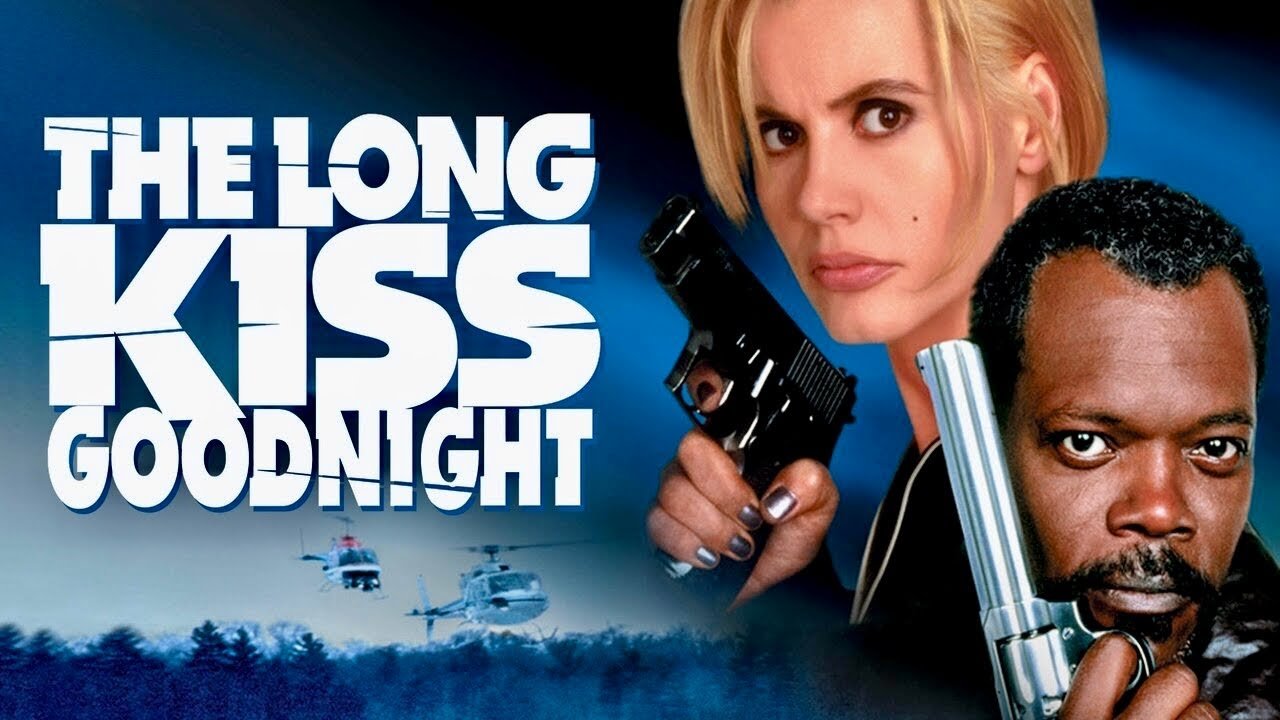
And yes, he is still a legend. Anyone who has ever defended The Long Kiss Goodnight already knows that.
Jessie Hobson