There is something immediately reassuring about The Morrigan. From the jump, it looks far more expensive than you would ever expect, leaning hard into Ireland’s rugged landscapes, weathered stone, and claustrophobic cave systems to sell its world. Directed by Colum Eastwood, the film taps into Gaelic mythology with sincerity, even when it stumbles in execution, and that commitment goes a long way.
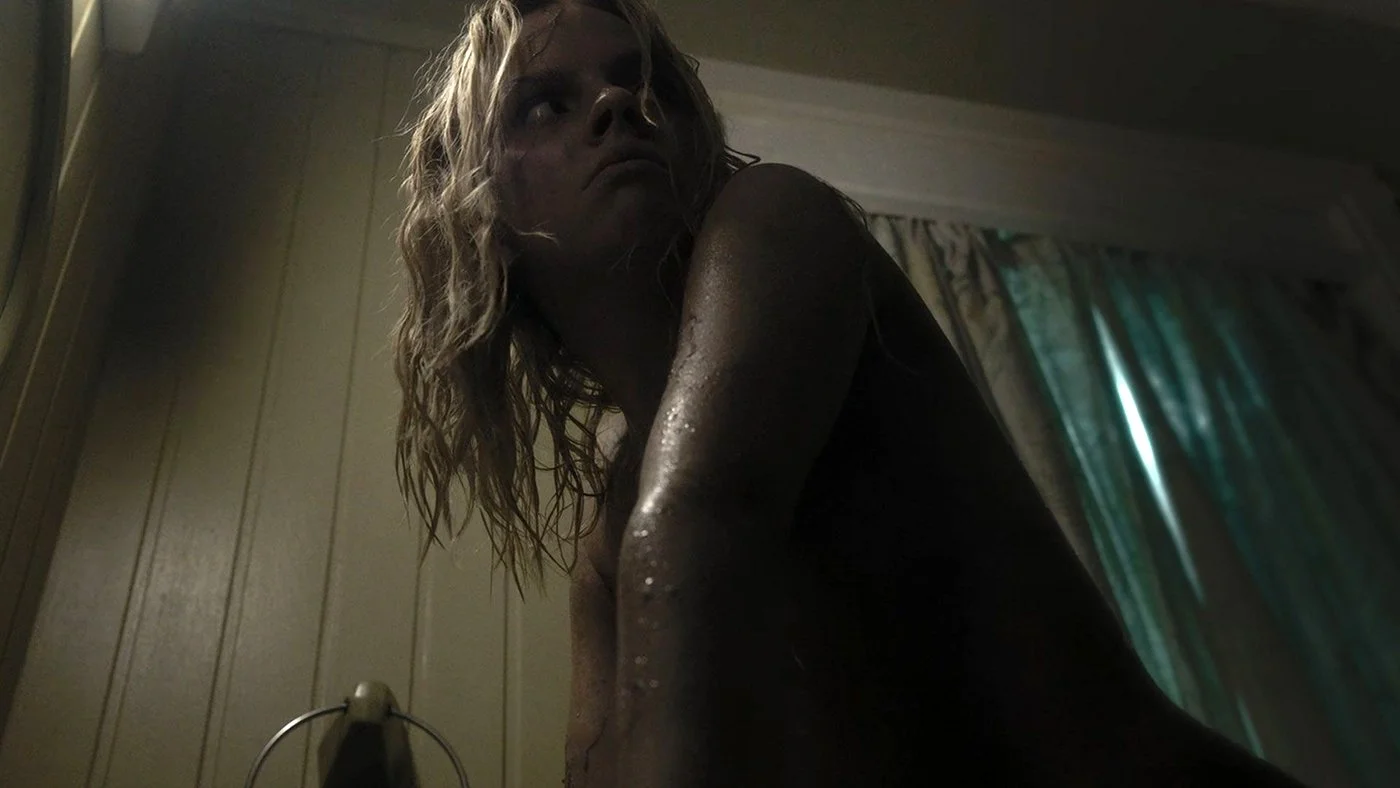
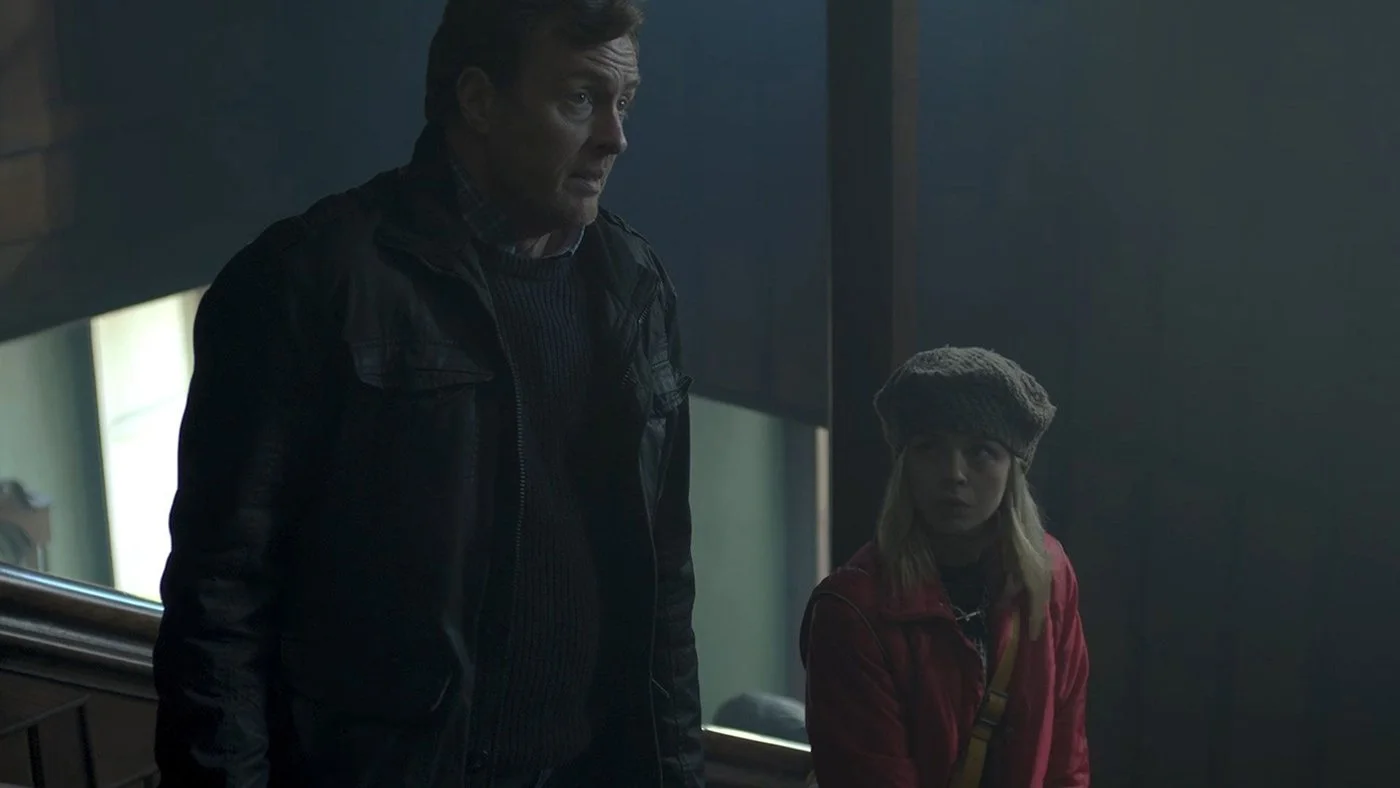
The story follows an archaeologist specializing in Gaelic mythology who travels to a remote region of Ireland with her teenage daughter. What begins as an academic excavation quickly turns into a fight for survival when an ancient Pagan War Goddess is unleashed. It is familiar territory for genre fans, but Eastwood grounds it in location and atmosphere rather than cheap shocks.
Visually, the film is often striking. The caves feel lived-in and tactile, and the production design does heavy lifting in making the setting feel dangerous long before anything supernatural shows up. The cave-diving and tight-space sequences are genuinely nerve-wracking, hitting that primal fear of being trapped underground. When the film leans into darkness, stone, and silence, it is at its best.
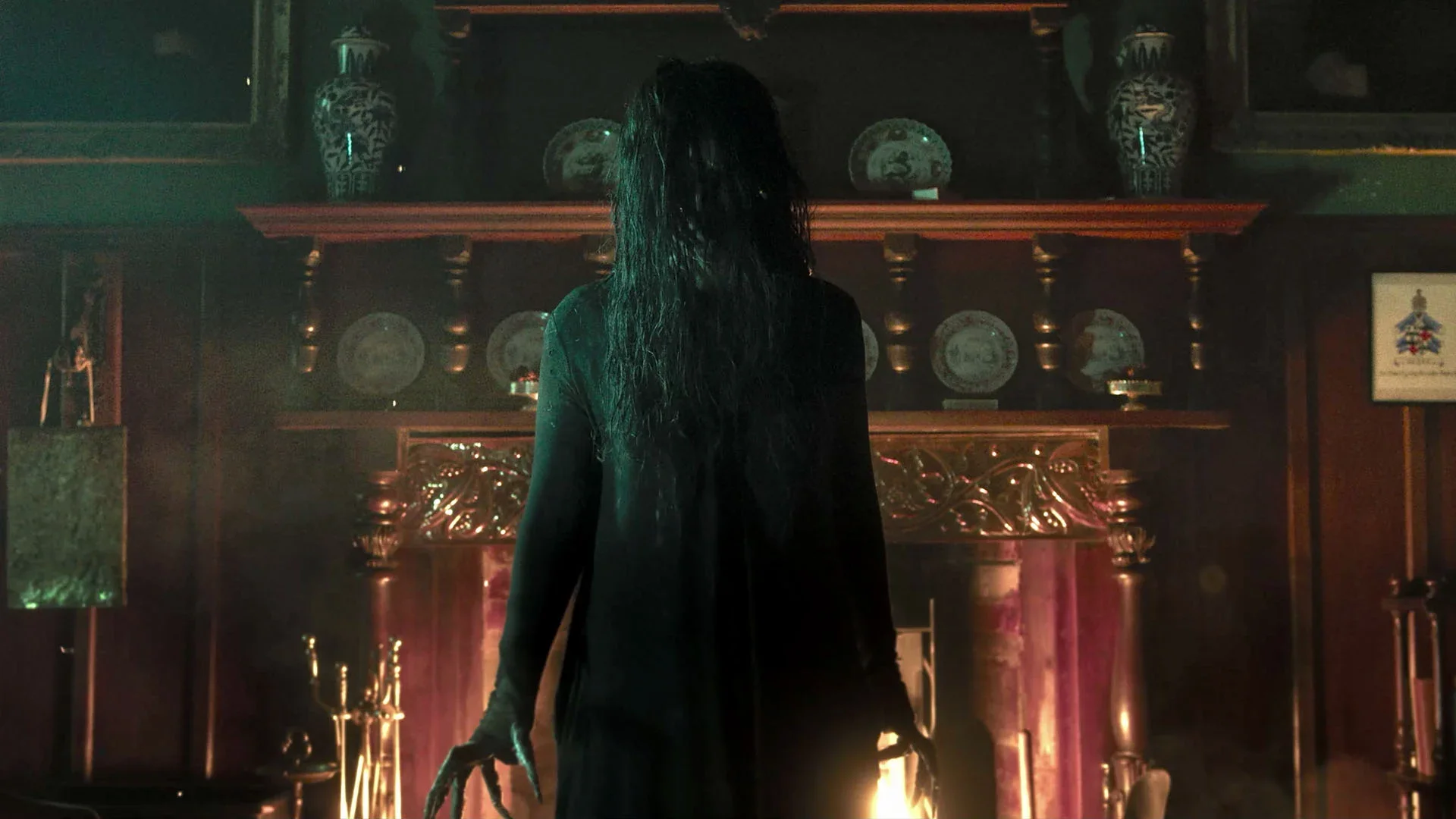
The cast is stacked, and while performances can be uneven, there are definite standouts. Emily Flain is easily the film’s MVP. She convincingly balances teenage rebellion with something far more sinister once possession enters the picture. Her physicality and presence sell the transformation, and when she is on screen, the movie crackles with unease. The Morrigan herself is ominous and chilling, with the film wisely using restraint during her appearances. When she shows up, it lands.
There is also a real appreciation here for practical effects. Body transformation moments are handled surprisingly well, and the exorcism sequences, while not groundbreaking, are solid and effective. The film clearly understands that horror works best when it feels tangible. Unfortunately, the CGI does not always share that understanding. Most of it is passable, but once the snakes appear, the illusion crumbles. The effects are distractingly dated and briefly pull you out of the experience in a way that is hard to ignore.
Narratively, The Morrigan starts strong but loses momentum in the third act. It drags just enough for you to start wondering how everything is going to wrap up. While the final act does deliver a satisfying emotional conclusion, a last-minute twist feels more confusing than clever, leaving several unanswered questions. Some viewers may appreciate the ambiguity; others may find it frustrating.
In the end, The Morrigan is not reinventing pagan horror, but it does enough right to make it worthwhile. Strong environments, committed practical effects, an eerie central performance, and a chilling presence at the heart of the story outweigh its weaker CGI and uneven pacing. It is a solid, atmospheric scare that understands the power of place and myth. For fans of folklore-driven horror, this is a scare worth taking.
Jessie Hobson