
Julie Pacino’s I Live Here Now is more than a debut feature. It is a sensory experience steeped in texture, color, and dream logic, drawing from a lineage of surrealist filmmaking that includes David Lynch, whom Pacino openly cites as a creative north star. After speaking with Pacino and lead actor Lucy Fry, it’s clear this film didn’t just borrow from that tradition. It built its own strange and striking emotional language within it.
From the very first moments of our conversation, Fry and Pacino emphasized that Rose, the psychologically fractured actress at the center of the film, had to be the anchor. “We need Rose to really ground the story and be the thing that the audience can latch on to even when it gets crazy and abstract,” Pacino explained. “That was maybe part of the first conversation that we had.”
Fry took that responsibility seriously, diving deep into the character’s internal logic. She even developed what the team jokingly called “Lucy questions.” As Fry put it: “I would ask Julie all the time, ‘What’s the cake to me? What’s the pink milk tonic to me? What does this flower represent to me? I was so specific about everything that Rose would be interacting with so that I knew what that meant for me on my psychological journey.”
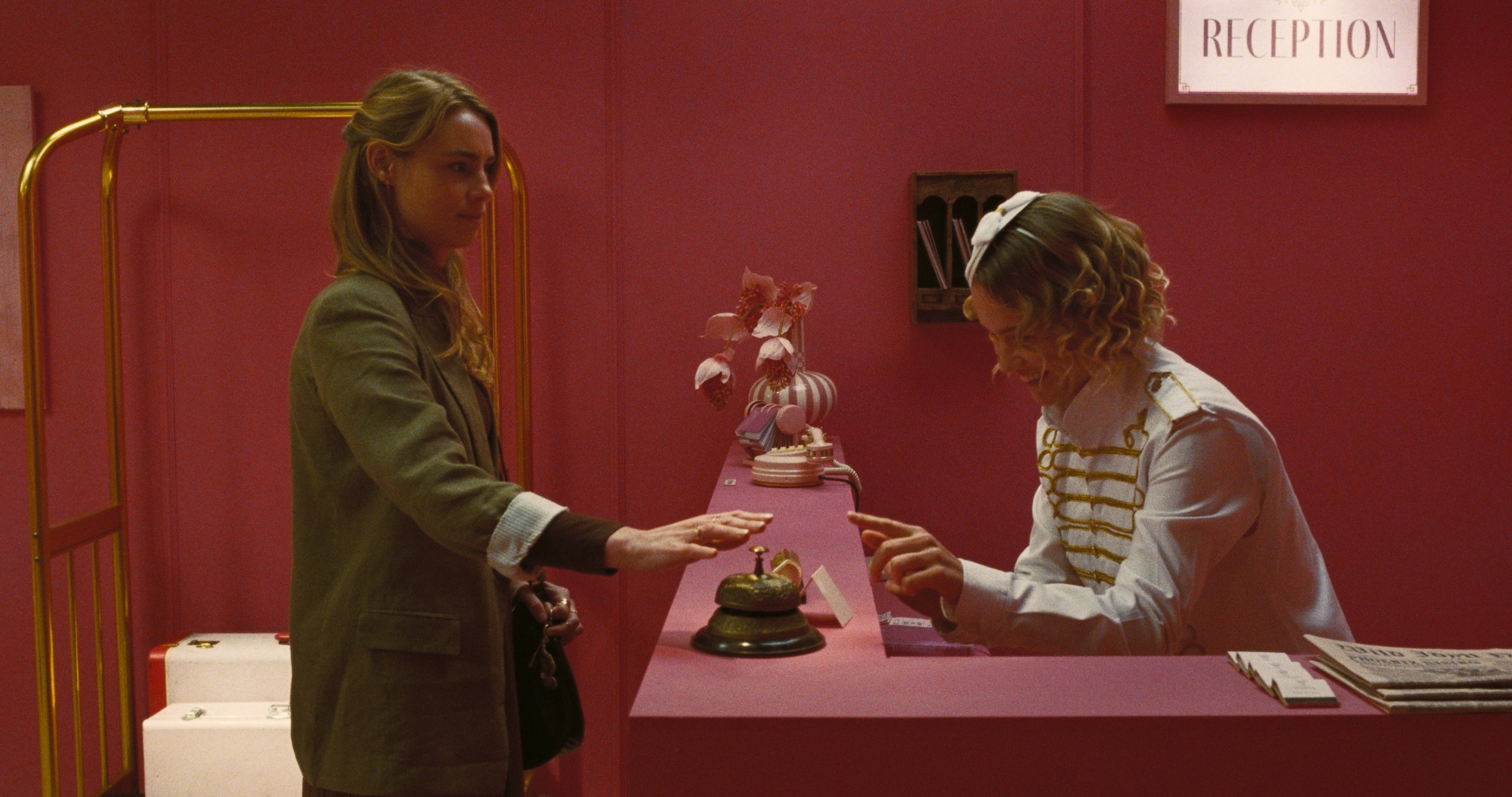
Her goal was to make every environment in the film resonate at a subconscious level. “I could walk into The Lovin’ Oven and feel what the cupboard was for me in my body,” she said.
Pacino had been searching for a Rose who could navigate that level of layered symbolism. “That's why I struggled with casting Rose until Lucy came along and had her Lucy questions,” she admitted. “There’s a lot of layers to it.”
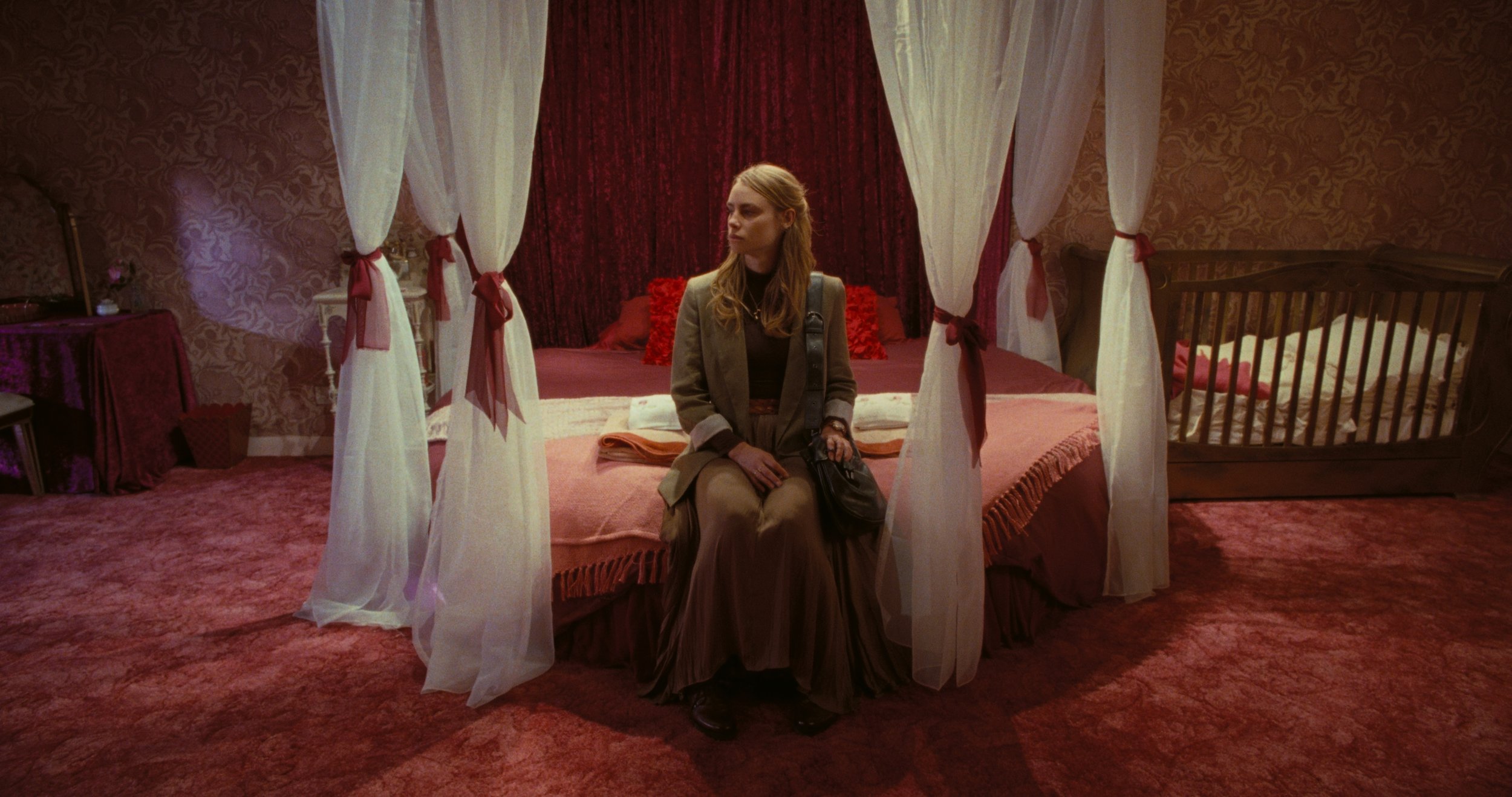
I Live Here Now pushes its character into some deeply unsettling territory. One scene in particular — the now infamous soup sequence — almost pushed Fry to walk away. “The soup scene was almost I almost didn’t do the film because of the soup scene,” she confessed.
Pacino responded matter-of-factly: “That’s the first scene I wrote for the whole movie. That’s the one scene that has been there from the very beginning.”
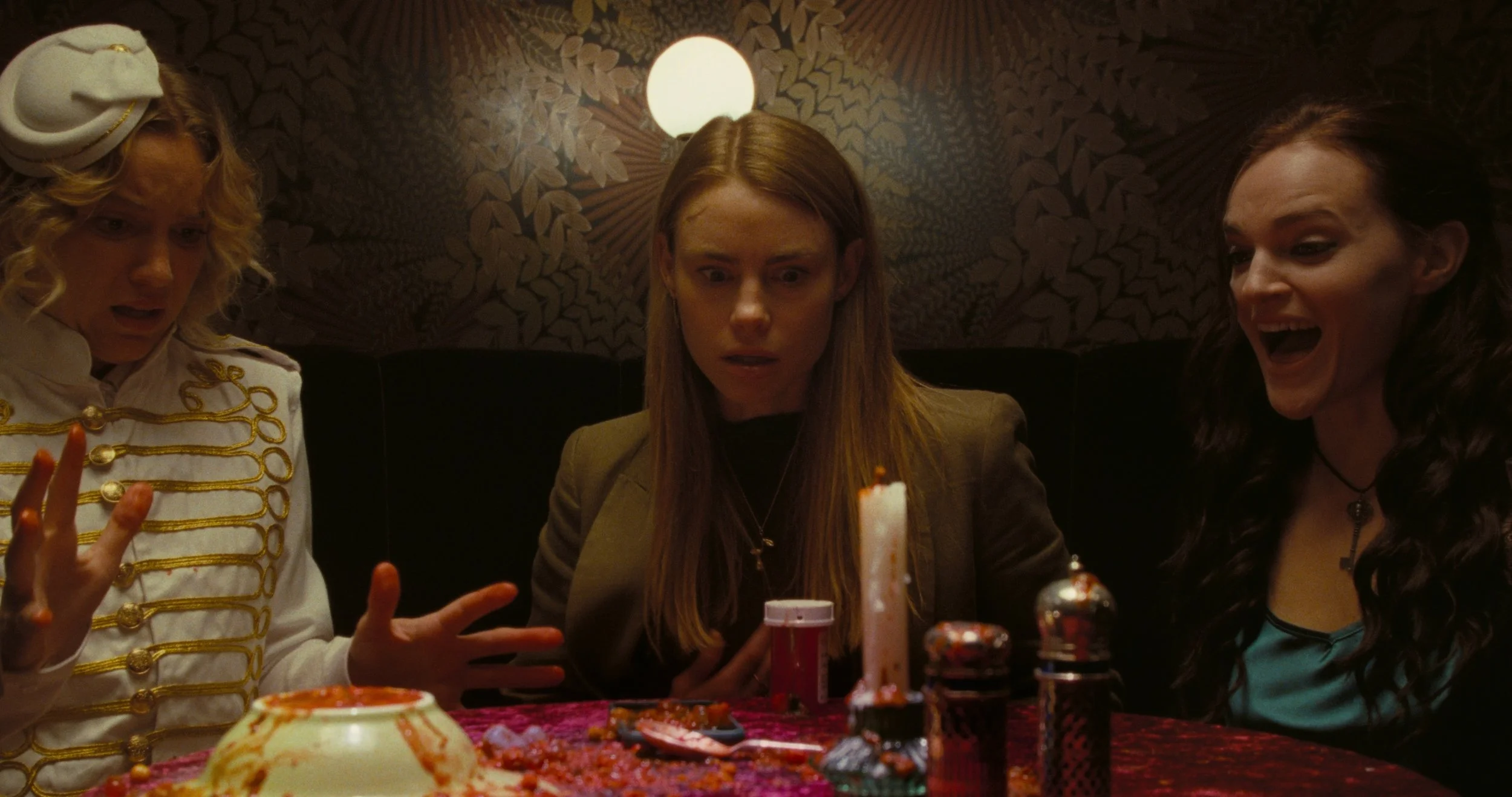
For Fry, the moment ultimately became a testament to trust. “I had so much trust in Julie as a grounding force,” she said. “I knew that for the film to work, I would really have to go there psychologically and allow the month that we were filming to just be a space of living in this deep subconscious place.” She described Pacino as “the thread pulling me back to the surface” when the emotional weight grew intense.
That bond was exactly what Pacino had been searching for: “I really needed a partner to bring this to life... Rose is quiet... such an internal performance. That’s hard when you’re casting.”
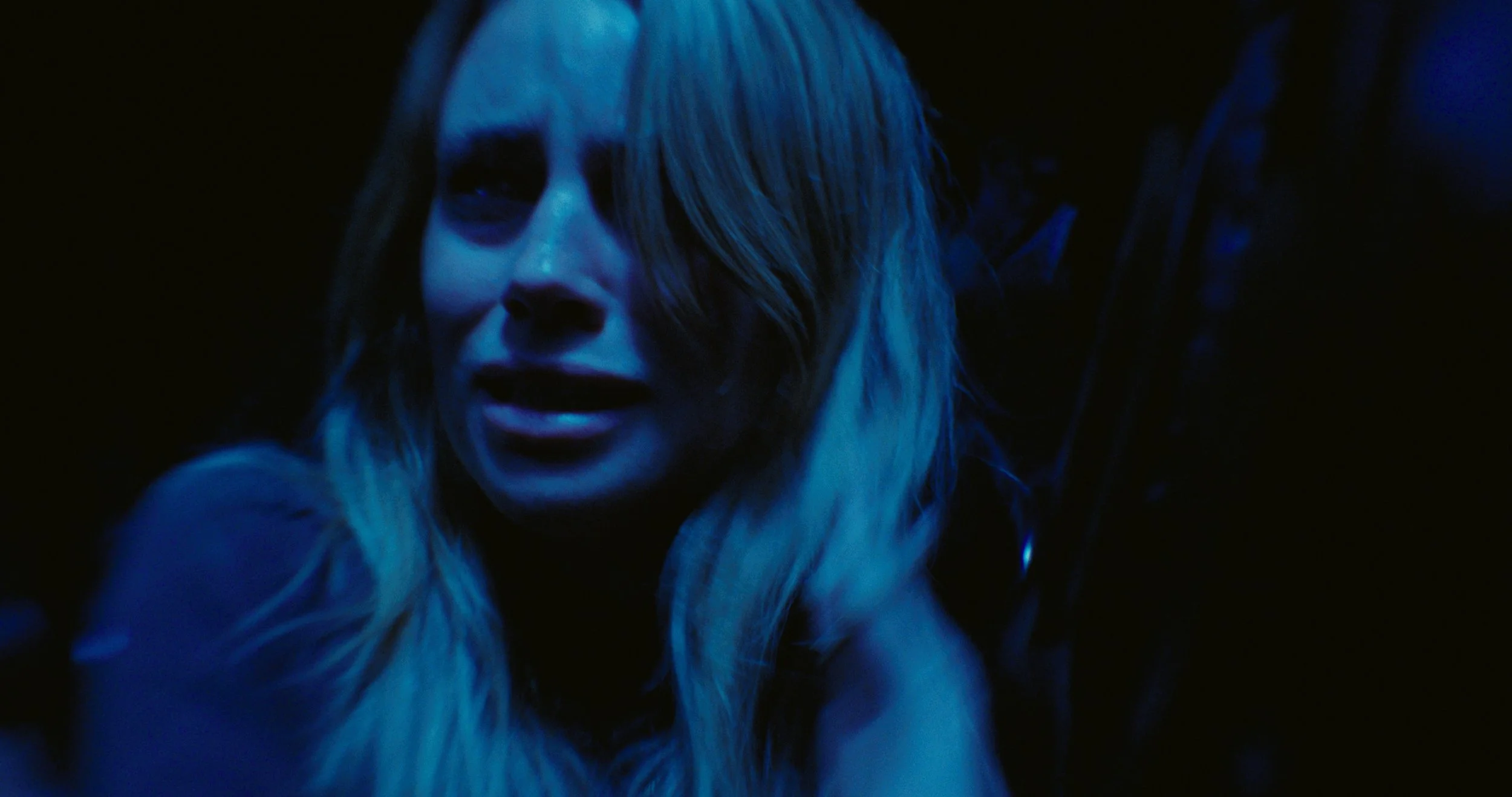
The production design, crafted meticulously by Hannah Rawson and Lucie Brooks Butler, became a storytelling tool in itself. Pacino praised them: “They built that whole set from scratch, which was so fun because I could litter it with all sorts of Easter eggs and details.”
Fry echoed the transformative quality of the space: “It was really a gift to have the space inform the performance... The Lovin’ Oven as a womb space meant that the performance had a tone to it that was different.”
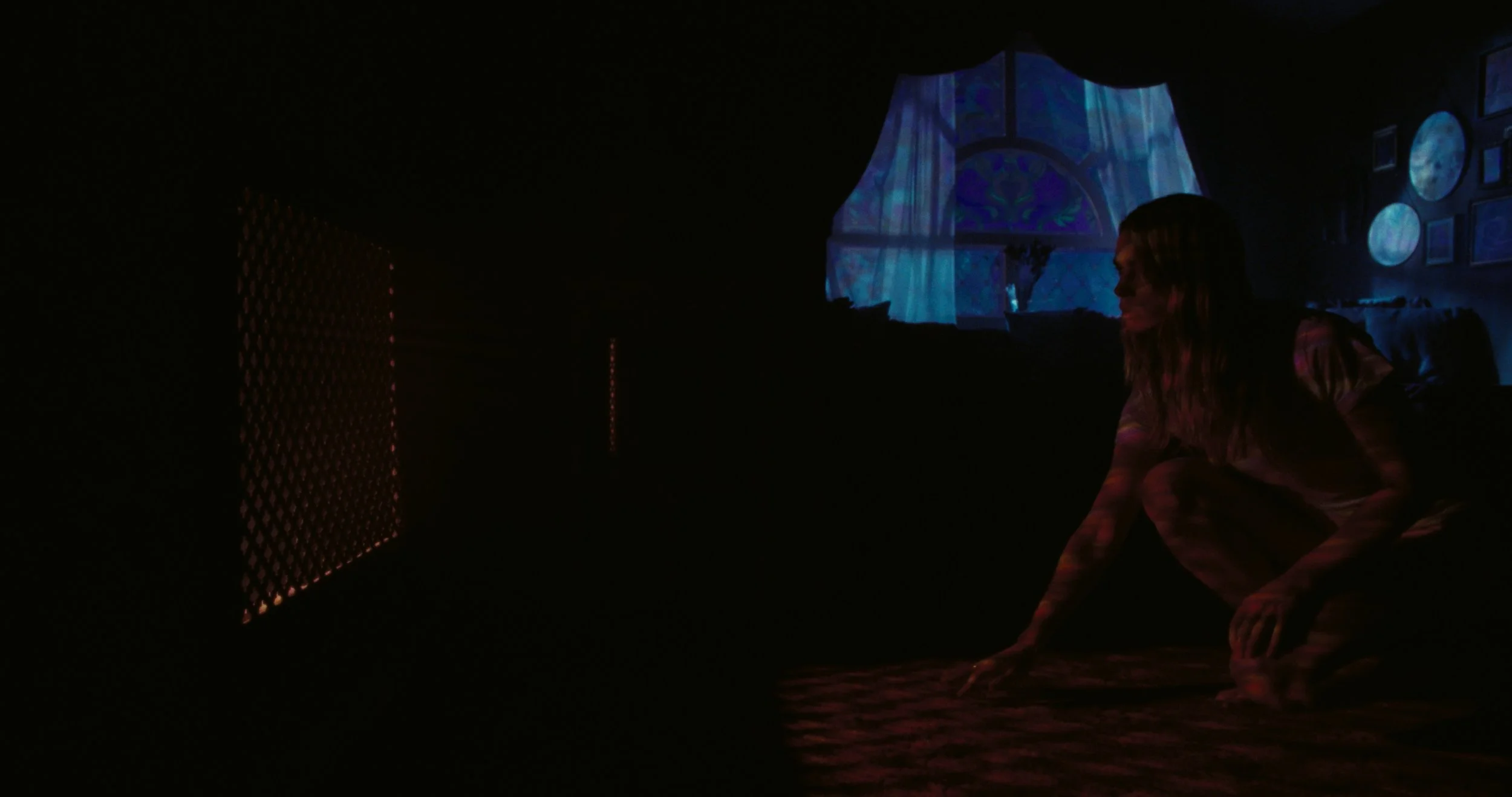
This symbolic layering mirrors Pacino’s own director’s statement, where she describes the film’s colors as emotional indicators of trauma, memory, and self-reconnection. She chose to shoot on 35mm and 16mm film because “film has imperfections... little scratches, the rough patches, the random magic that comes from an accidental light leak,” which made the world both “raw and beautiful.”
When discussing inspirations, Fry was given a couple of assignments. “Persona... I remember that being a big reference,” she said, adding that producer Bob encouraged her to watch Fire Walk With Me, which she hadn’t seen before working with Sheryl Lee.
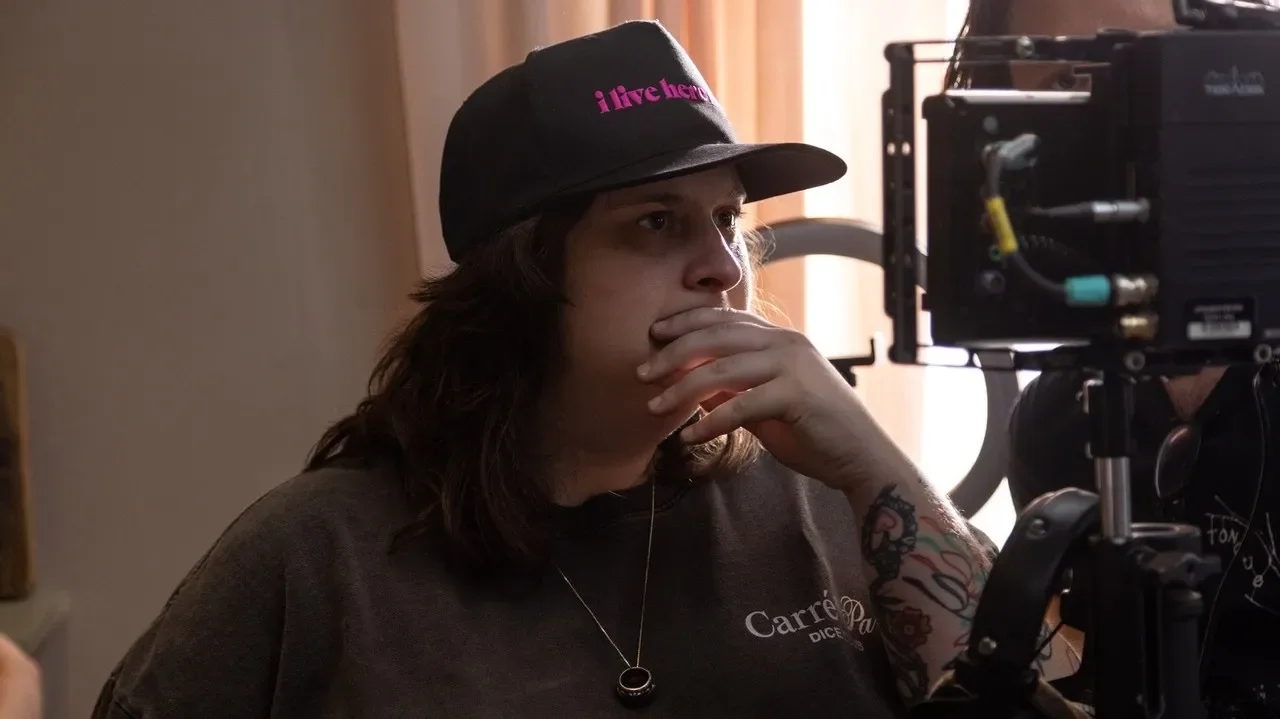
Pacino pointed to a spectrum of influences: Bergman, Gilliam, and, of course, David Lynch. But rather than citing a specific Lynch film, she emphasized his approach to storytelling. “It’s not like one specific David Lynch film,” she said. “It’s just kind of his philosophy on moviemaking that still drives me to this day.”
As someone who loves Lynch myself, I told Pacino she had made her mark on the Lynch aesthetic, something she received with both pride and humility. Her film doesn't imitate. It channels the surreal freedom Lynch helped normalize and transforms it into something fiercely personal.
Even supporting characters operate within this psychological architecture. Pacino revealed that Matt Rife was actually the first actor she cast. “Matt’s so funny and such a talented comedian, but he's also very serious about wanting to play dramatic roles,” she said. “If you hate Matt Rife, you will love this movie.”
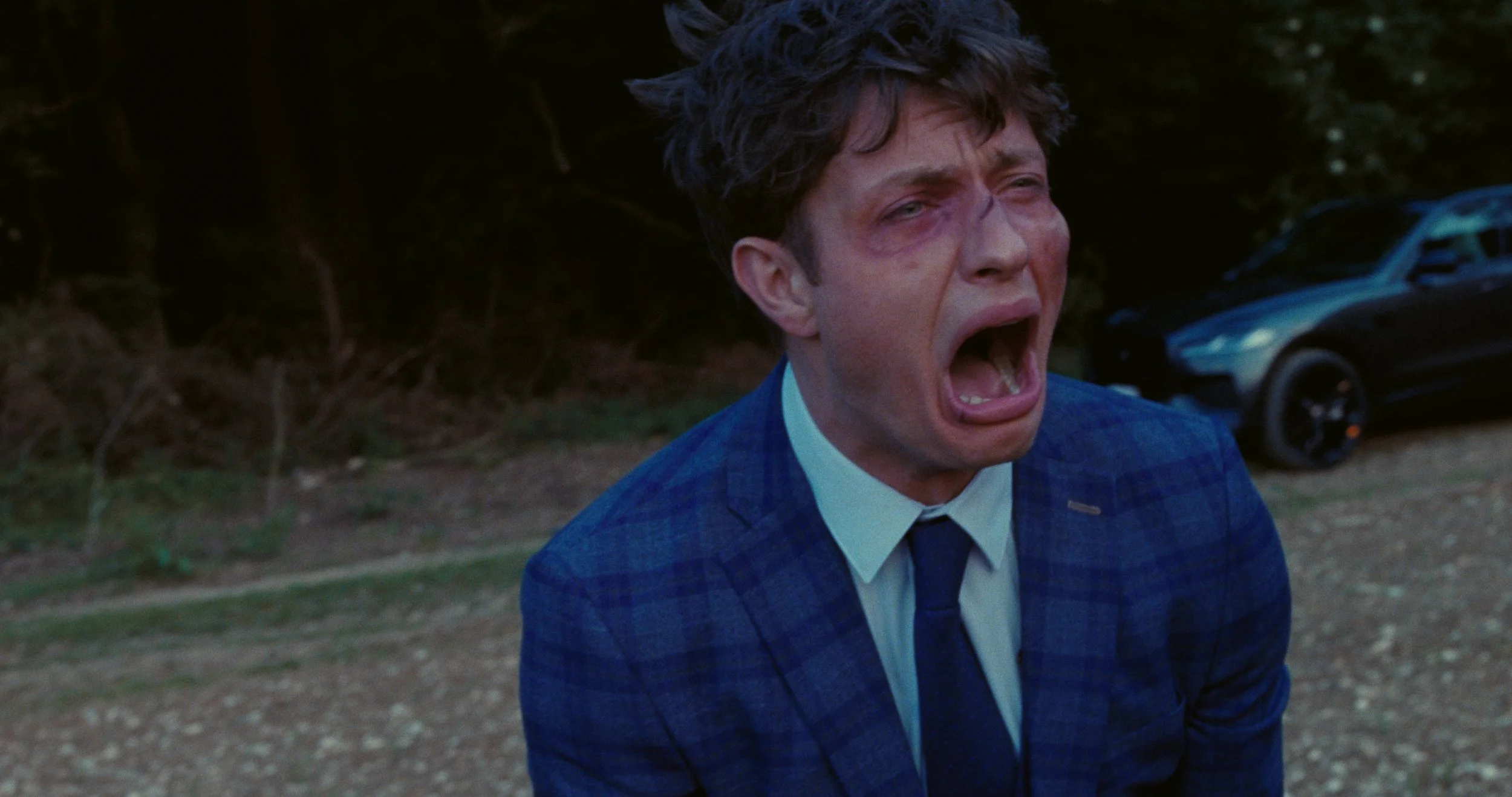
Fry described his character as Rose’s emotional opposite: “As Rose is going through this intense, deep psychological transformation, his character is kind of the polar opposite... stuck up here.” Their dynamic creates a deliberate tonal friction that amplifies Rose’s journey.
At its core, I Live Here Now is about a woman facing the emotional truths her body has carried for years. Pacino explores this saying, “Rose has dealt with profound trauma in early childhood... she created a story to protect herself from the truth.” The film bends reality to depict how those stories fracture and reform as she confronts them.
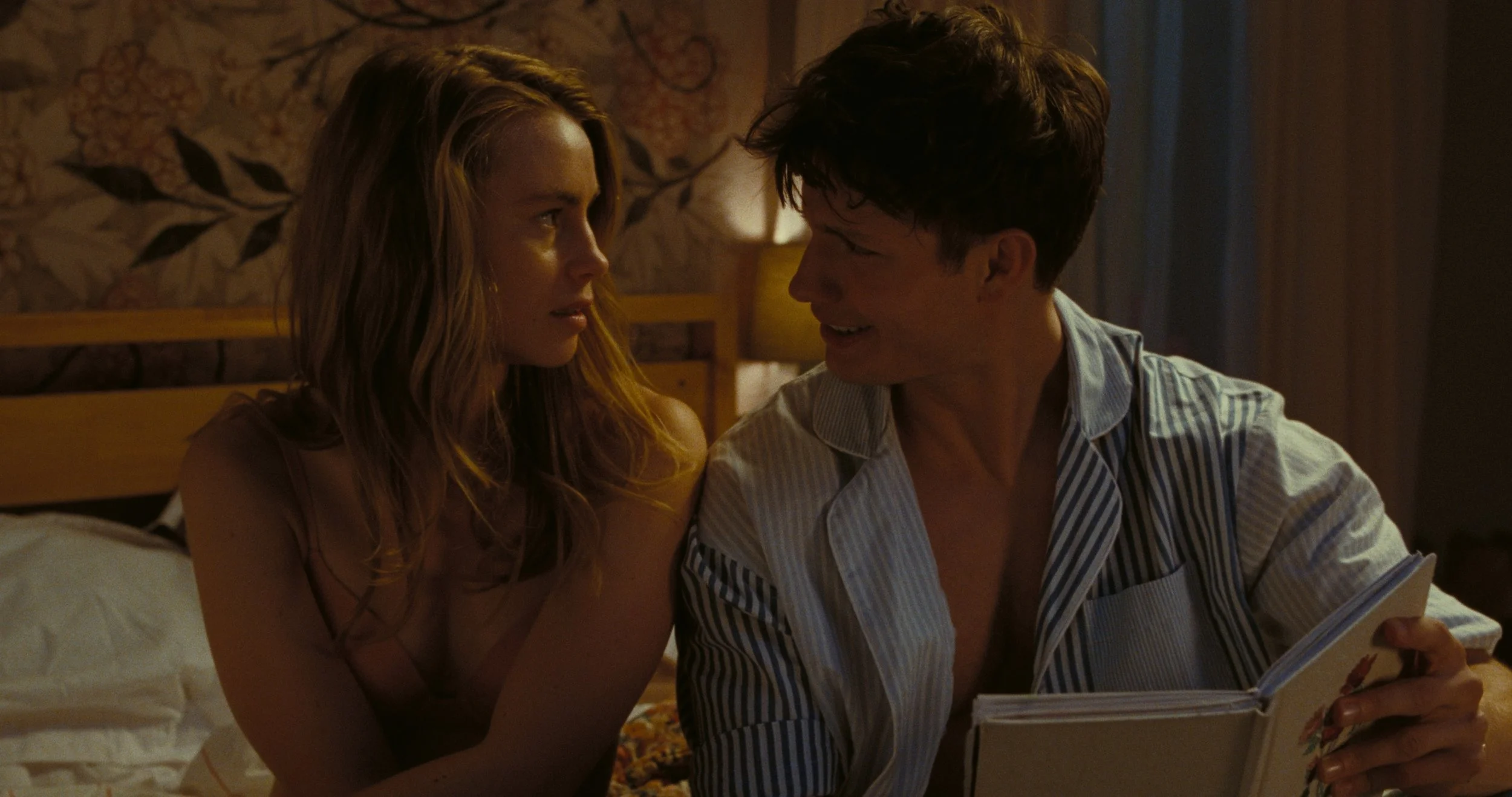
Fry embodied this evolution from the inside out, grounding even the strangest moments — from warped memories to spectral motel rooms — in emotional truth. And that’s why the film works. Beneath the surrealism, beneath the dreamlike visuals and psychological puzzles, is a creative partnership built on authenticity.
As our conversation wrapped up, I told Julie and Lucy what I genuinely felt: they’re doing just fine. And with a debut like this, they aren’t just doing fine. They’re making a statement.
Jessie Hobson