
There’s a certain unpredictability that comes with talking to someone who’s been circling the horror genre for as long as Brian Bremer has. You go in expecting a retrospective. Maybe a few war stories. What you actually get is someone who still sounds like he just discovered how much fun this all is.
That energy hits immediately. What was supposed to be a conversation about Souls Chapel quickly turned into something bigger, because Bremer doesn’t just talk about projects; he relives them. Every role, every set, every weird little moment still matters to him, and that enthusiasm is contagious. It’s also exactly what makes him such a perfect fit for something like Souls Chapel.
His involvement started the way a lot of things in the horror world do, through a chance meeting that turned into something more. He laughed about it, saying it was as simple as “Jake. Yeah,” before explaining how director Jake C. Young approached him at a convention and the two just clicked. What stuck wasn’t just the pitch, but the person behind it, describing Young as “a genuine super nice sweet person,” and that connection carried weight right out of the gate.
From there, the project itself sealed it. Bremer was immediately drawn to how different it felt, calling it something he’d never really done before, a kind of “Western Gothic Steampunk… kind of horror,” with roots in a real story that people actually recognized. That detail stuck with him in a big way. The idea that this wasn’t just invented mythology, but something tied to real folklore, gave it a layer that made the whole thing more intriguing. Still, for Bremer, it always comes back to the character.
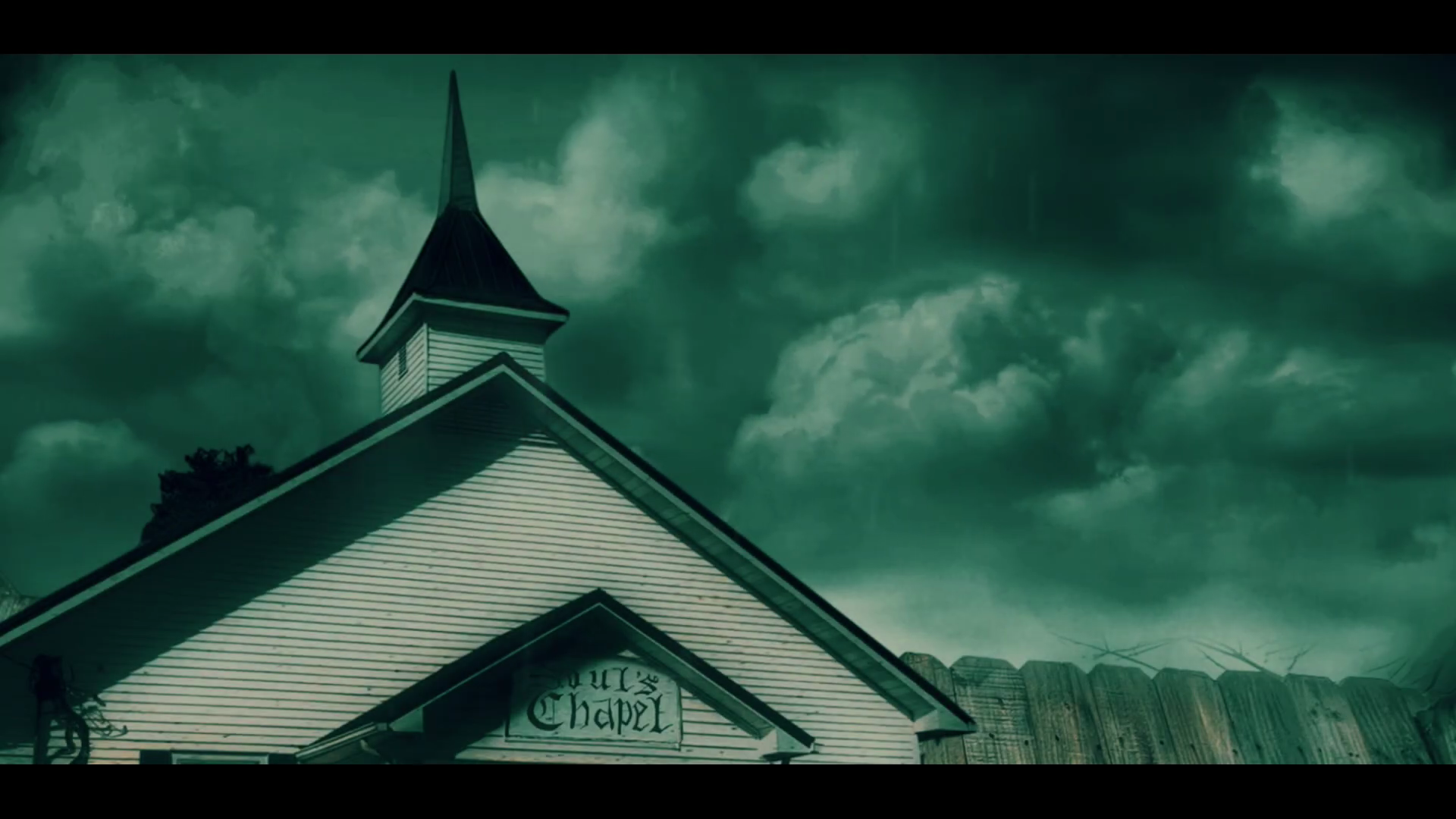
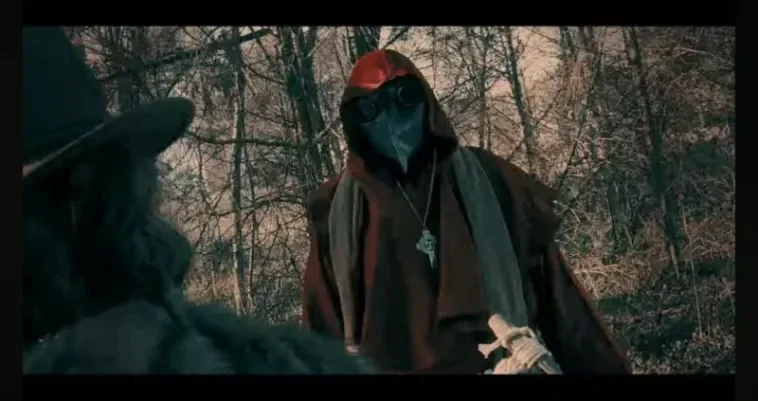
Mephistal isn’t a straightforward villain. He’s not just lurking in the shadows waiting for his moment to strike. He’s active, curious, and, in Bremer’s words, fun. That’s exactly why he signed on. He said plainly, “I love playing inhuman characters… that’s the most fun for me,” and Mephistal gave him the chance to step completely outside the rules of reality and build something from scratch.
What’s interesting is how he chose to play it. Instead of leaning into something overtly sinister, Bremer approached Mephistal as something more playful, explaining that the character “comes from a place of mischief” and is really just “toying and just playing… kind of manipulating the whole thing.” There’s a lightness to that interpretation that makes the character feel more dangerous, not less. He’s not driven by rage; he’s driven by curiosity, by amusement.
At one point, Bremer put it in a way that perfectly sums up the vibe. He said this is the kind of character where “you could have coffee with him… he’s a jokester.” It’s such a simple line, but it reframes everything. Mephistal isn’t just a threat hanging over the story; he’s engaged with it, enjoying the process, watching people make the worst decisions possible and maybe even nudging them along. That approach carries into how the performance came together, which is where things get even more interesting.
Originally, the character wasn’t supposed to be what we see in the final film at all. Bremer described early conversations where Mephistal was envisioned as something far more abstract, “just black smoke… this kind of disembodied voice.” Plans shifted, schedules got complicated, and instead of being physically present on set, Bremer recorded the entire performance from his home studio. That could have been a compromise. Instead, it became one of the film’s strengths.
Bremer admitted he was curious to see how it would all come together, but once he saw the final result, he leaned into it completely, saying it ended up being “so much more interesting” this way. It turns Mephistal into a presence rather than a person, which fits perfectly with the tone Souls Chapel is chasing. And honestly, that kind of creative pivot feels very in line with Bremer’s career as a whole.
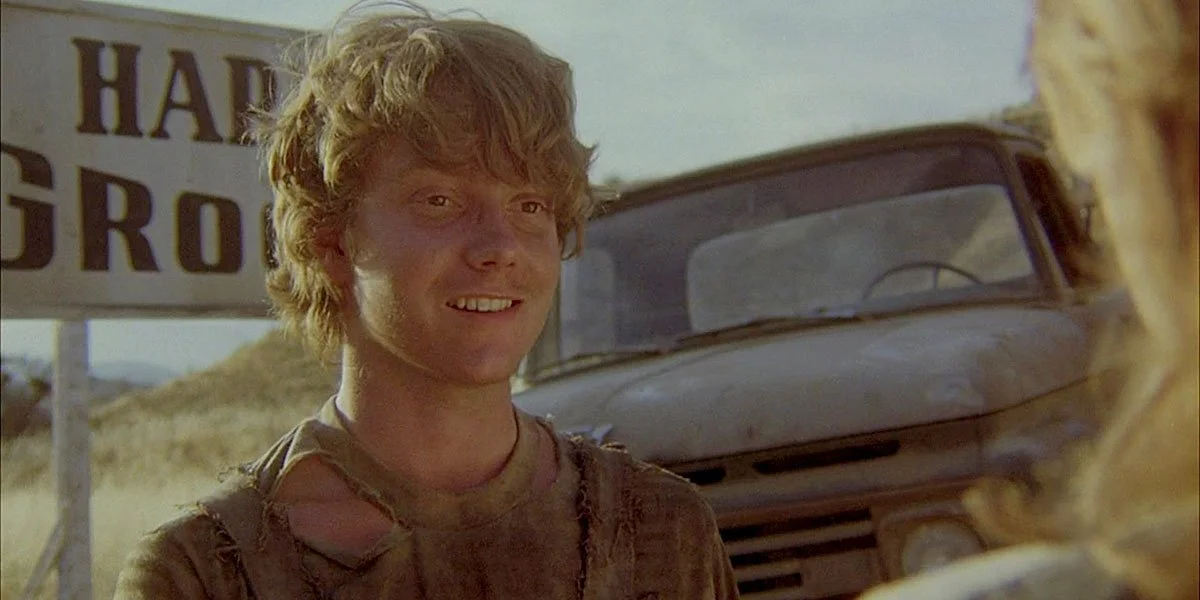
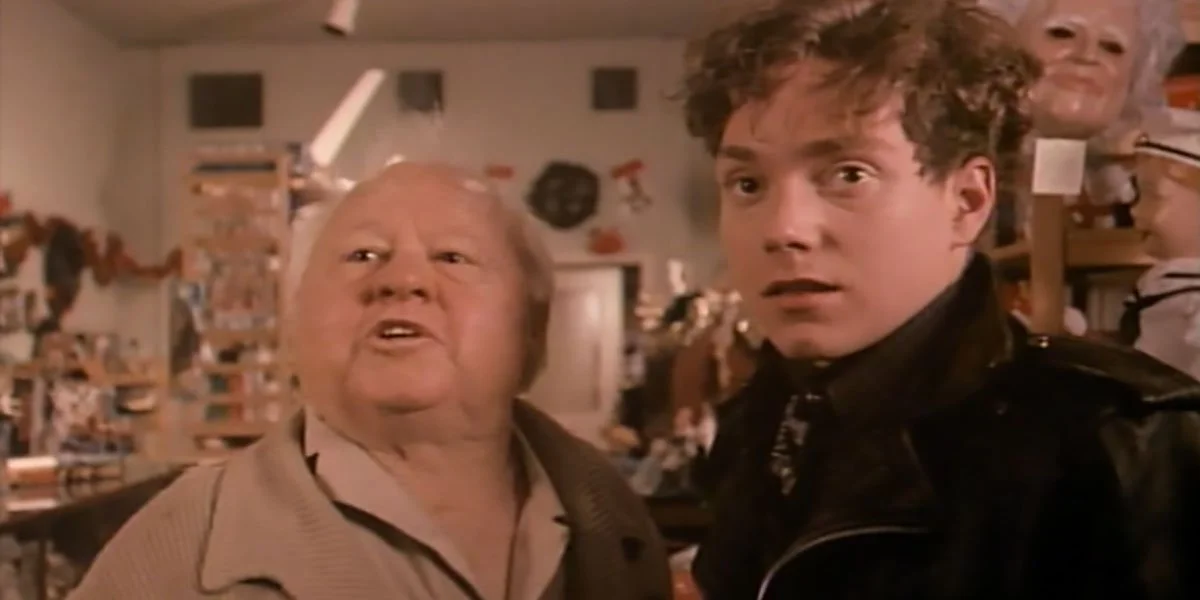
Talking to him, it’s clear he doesn’t separate his work into “important” and “lesser” roles. He talks about Pumpkinhead, Society, and Silent Night, Deadly Night 5 with the same level of excitement, the same appreciation for what each project gave him. There’s no sense of hierarchy there. Just experiences, all adding up to the same thing.
At one point, he reflected on how the current indie horror scene reminds him of the late 80s and early 90s, calling it “really some of the most creative stuff that’s out there right now,” and comparing it to the kind of guerrilla filmmaking energy that defined the era he came up in. That connection feels important. It’s not nostalgia, it’s recognition. He sees the same hunger, the same drive, and he clearly still wants to be part of it. That mindset carries into how he approaches the work itself.
Bremer is very direct about the fact that nothing happens without preparation. He talked about learning scripts inside and out so that when it’s time to perform, he has the freedom to actually play. As he put it, once you’ve done the work, “that level of preparation allows me to play… it allows me to let spontaneous moments happen.” That philosophy shows up in everything he does, even a performance like Mephistal that exists almost entirely in voice. And that’s the thread that connects everything.

Whether he’s playing a mountain kid in Pumpkinhead, an aristocratic monster in Society, a killer toy in Silent Night, Deadly Night 5, or an ancient, mischievous entity in Souls Chapel, the goal is always the same. Find something honest inside it, even if the character itself is anything but.
He said it best when talking about villains in general. He never approaches them as evil. “They just are what they are,” and it’s his job to figure out what makes them tick, what makes them interesting, what makes them feel alive. That’s exactly what he brings to Mephistal.
By the time the conversation wrapped, it was clear that Bremer isn’t looking backward. He’s not trying to recreate past successes or chase a specific kind of role. He’s just looking for good projects, good collaborators, and opportunities to keep doing what he loves.
Or as he put it himself, he’s still very much “a working actor… I’m in the hustle,” taking the opportunities that come and making the most of them. And right now, that hustle led him straight into Souls Chapel, into a character that lets him be playful, strange, and just a little bit dangerous. Honestly, it’s hard to imagine a better fit.
Jessie Hobson