
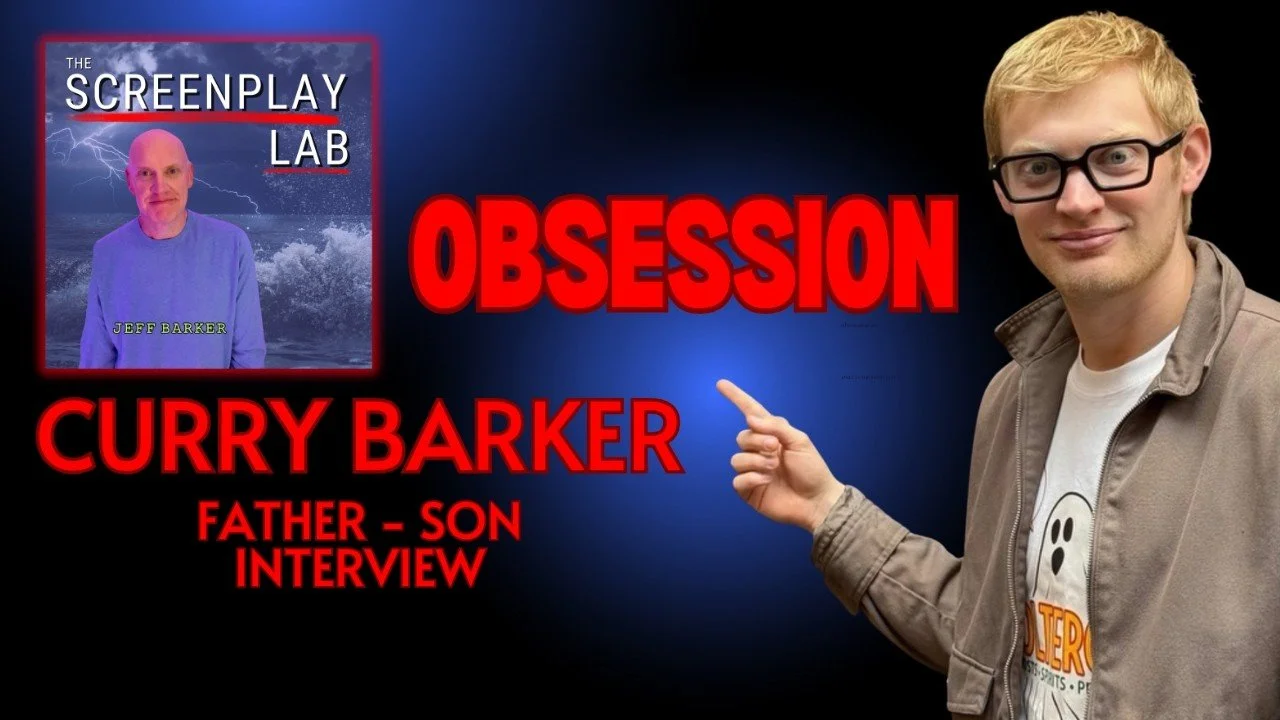
There are a lot of ways into Obsession, but sitting down with Jeff Barker adds a layer that makes the whole thing click in a different way. Not softer, not cleaner, just clearer. The film is still nasty, still cruel, still one of the best things to hit this year, but talking with Jeff reveals how much of that bite comes from something grounded and very human.
The funny part is, Jeff does not carry himself like someone attached to a phenomenon. The conversation starts with him brushing off something as small as a viral hashtag, admitting he only came up with “#backsession” to mess with his son because he knew “he would think it was funny,” and that kind of playful back and forth is just how they operate. That dynamic never really disappears. It bleeds into everything. And it matters.
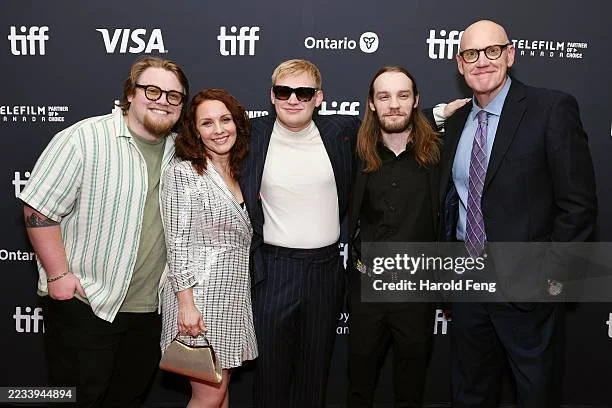
Because when Obsession finally landed in front of a real audience, Jeff was right there next to Curry, not as a detached observer, but as someone who had lived through the process. He remembers sitting in that packed TIFF screening, watching every beat hit exactly the way it was supposed to. People laughing, screaming, reacting on cue, to the point where he and Curry kept nudging each other like, “this is actually working… this is insane.” The energy kept building until the credits rolled and the crowd started chanting Curry’s name, which is when it became undeniable that this was not just another indie horror movie. It was something people were already claiming as their own. That kind of reaction does not come from nowhere.
Part of it is the psychology baked into the film. Jeff spent years working in psychiatry, and even though he is quick to say the bones of the script were entirely Curry’s, that influence is impossible to ignore. He talks about raising his kids to approach the world with empathy, to try to see things from other people’s perspectives instead of locking into a narrow point of view, and you can feel that woven through Obsession. The film deals with messy ideas, uncomfortable themes, and characters who are not easy to root for, but it never feels careless. It feels considered.
Jeff points out that if you are going to tackle topics like that, you have to understand how they affect people, and that awareness helped shape the way Curry approached the story. The result is a movie that pushes into dark territory while still feeling grounded, like it knows exactly what it is doing even when it is making you squirm. And it really does make you squirm.
What stands out most in talking to Jeff is how much both he and Curry trust the audience. There is no interest in overexplaining or cleaning things up. Jeff describes their approach as intentionally leaving room for interpretation, not spoon-feeding viewers, but instead “giving birth to it out in the world and letting them have it.” That philosophy is all over Obsession. It is why the film sticks. It lets you sit in those uncomfortable moments and figure it out on your own, which somehow makes everything hit harder.
The collaboration itself is looser than you might expect. Jeff was not there to build the story from scratch. Curry had already written the script. Jeff stepped in when needed, offering notes, going back and forth, and even contributing a piece of writing for a specific moment because, as he puts it, he is “the short story writer in the family.” Beyond that, it was a constant dialogue, an ongoing exchange where ideas could be challenged without ego getting in the way.
That dynamic works because of how they operate as people. Jeff talks about how easy it is to be honest with Curry, how he never feels like he has to hold back, but also how Curry has no problem pushing back when something does not feel right. He can hear an idea, consider it, and still say no without it turning into anything bigger than that. It creates this balance where feedback sharpens the work instead of diluting it. You can feel that balance in the film.
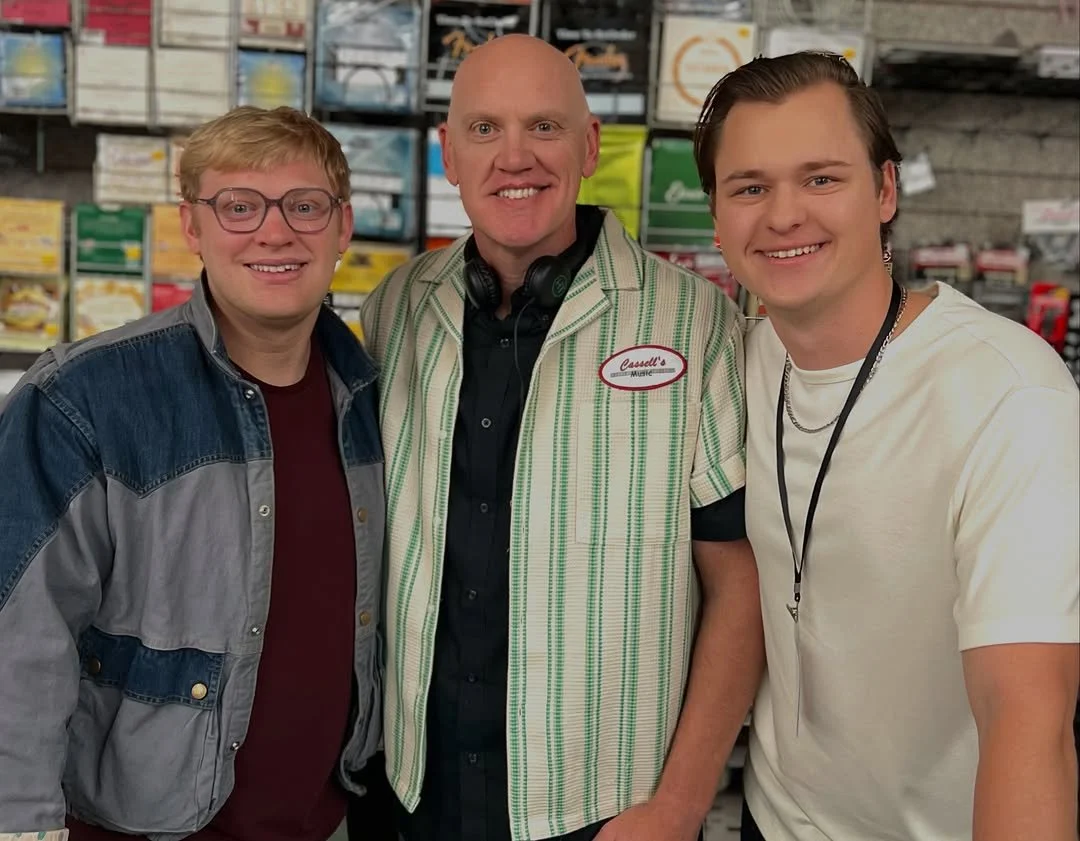
And you can definitely feel it in the way Jeff talks about his son. There is pride there, obviously, but it is not overwhelming or performative. It is steady. Grounded. The kind that comes from watching someone put in years of work and finally break through. He mentions how Curry had already built an audience over time, not as some overnight discovery, but as someone people were genuinely excited to see succeed, which makes the film’s reception feel earned instead of random. At the same time, Jeff is carving out his own lane.
He is not new to storytelling, even if screenwriting came later than most. He spent years writing, across multiple careers, always coming back to that core identity. News anchor, photographer, psychiatric nurse practitioner- it all feeds into his perspective, and now it shows up in the kind of stories he wants to tell. Psychological horror. Character-driven work. Stories that hold up a mirror and force you to look at things you might not want to see. That throughline is clear.
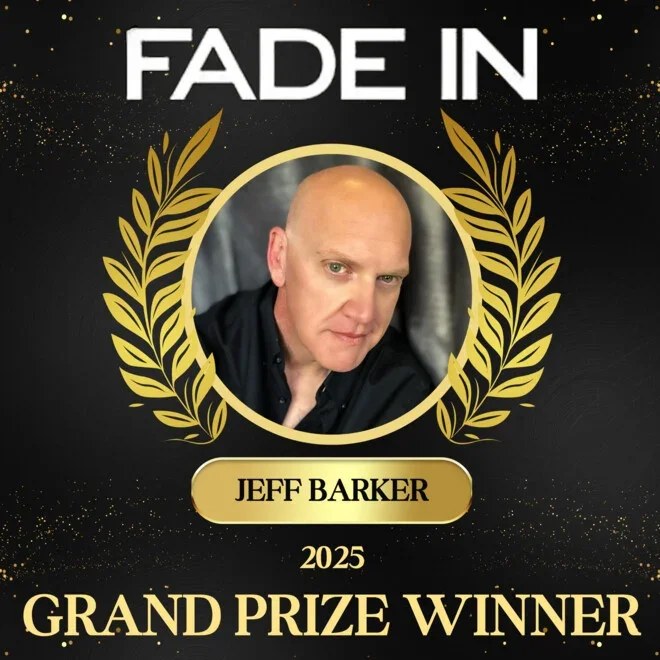
His scripts have already built real momentum, with projects like Gravewater racking up major recognition, including a grand prize win at the Fade In Horror Awards and multiple honors across festivals and competitions, alongside high marks from The Black List. He has been named a recommended writer, and his work has landed across dozens of competitions, which speaks to how consistently his voice is landing with readers. And now he is stepping behind the camera.
Jeff is currently moving into directing, with short films like Medium Rare and Good Tape in the works, using them as a way to prove what he can do visually as well as on the page. He talks about these projects as a kind of calling card, a chance to show that he can bring the same level of intention and control to directing that he brings to writing. There is an energy there that feels similar to what you see in Curry’s early work. Curious. Hungry. Willing to experiment.
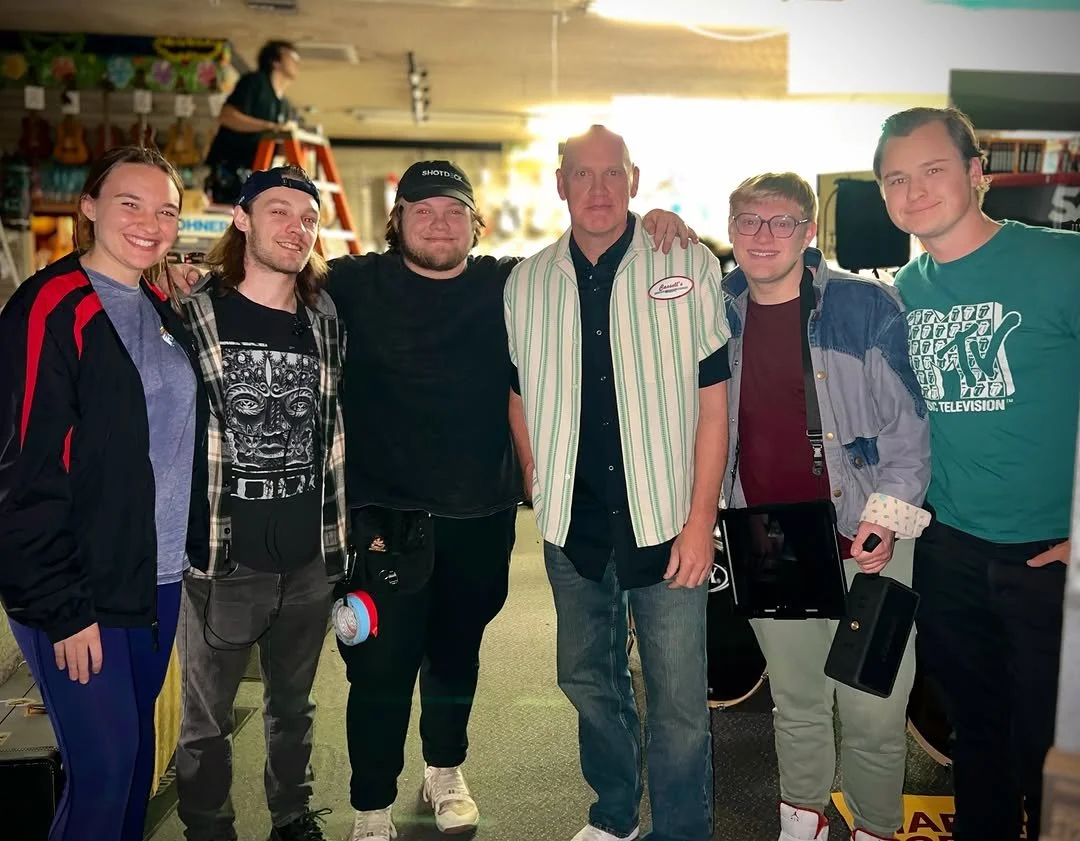
One of the coolest parts of this whole conversation is hearing him talk about making films with his kids again, now with better tools, a little more experience, but the same core idea. Just creating together. Playing. Figuring things out as you go. It is the same environment that helped shape Curry in the first place, and you can see it continuing in real time. That connection is hard to fake.
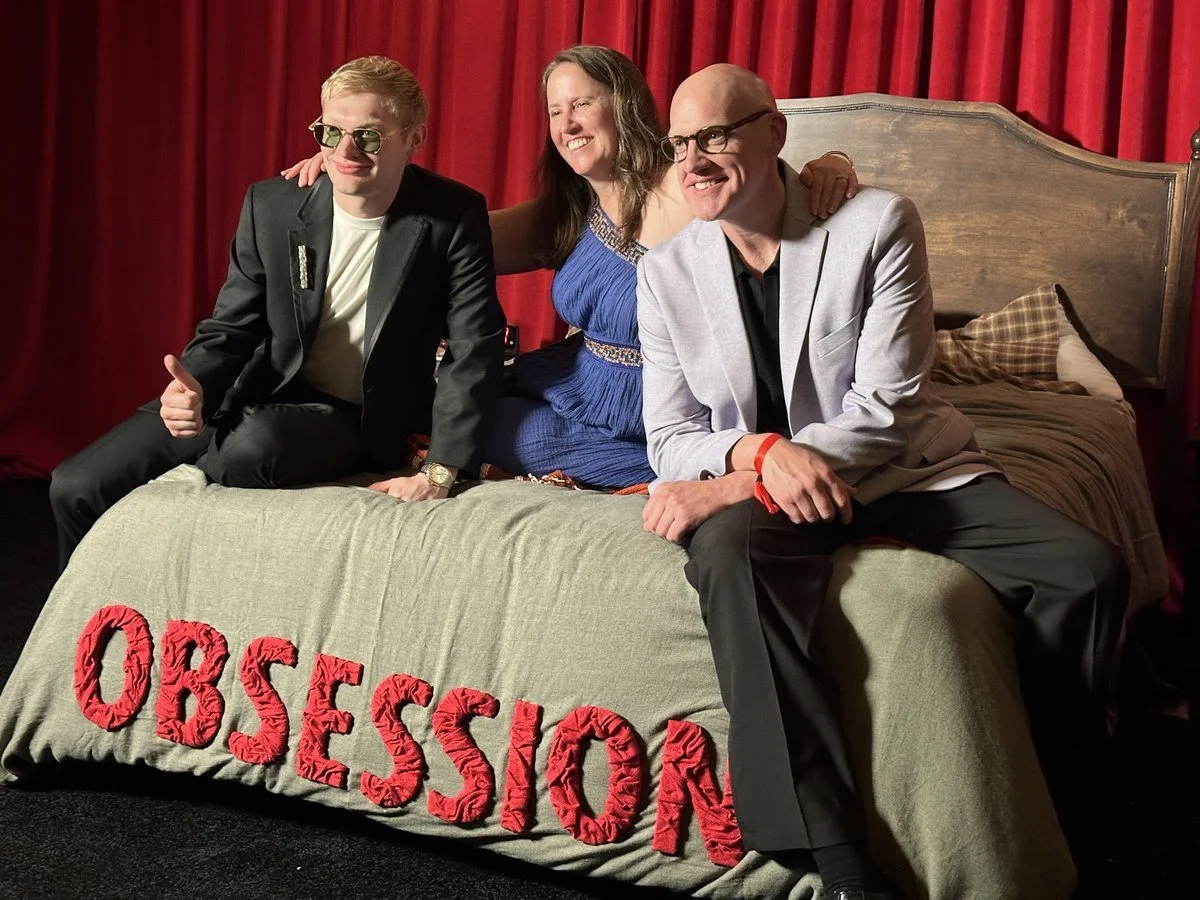
By the time the conversation winds down, it is obvious that Jeff Barker is not just orbiting Obsession. He is part of the fabric that makes it work, even if he would rather point the spotlight elsewhere. His influence shows up in the empathy, in the restraint, in the willingness to let the story get uncomfortable without backing away.
And if this is where Jeff Barker’s journey as a filmmaker, not just a writer, begins, then the projects he’s building toward deserve close attention. Obsession demonstrates the power of storytelling that respects its audience, embraces discomfort, and refuses to pull its punches. It lingers long after the credits roll. If this film is any indication of what’s ahead, Barker’s most compelling work may still be on the horizon. He’s only getting started.
Jessie Hobson