
There are character actors, and then there’s Kevin Dunn. The kind of presence who can drop into a film, take a handful of pages, and somehow walk away with the moment everyone’s still talking about as soon as it’s over. That is exactly what happens in Mermaid.
When I sat down with Dunn, it still felt surreal. This is a guy who has been part of so many staples, so many “wait… that’s him” moments across decades of film and TV. And now, here he is again, doing it in a completely different lane with Tyler Cornack’s strange, genre-bending Florida fever dream.
In Mermaid, Dunn plays Mr. Morris, a character who only shows up briefly, but hits hard. That monologue alone sticks with you. It is one of those scenes where the entire vibe of the film shifts, and Dunn knew exactly what he had the second he read it. He described it as something that “blew me away when I read it,” admitting that the material was so extreme and off-kilter that it almost made the performance easier to lock into.
Instead of trying to make the character larger than life, Dunn leaned in the opposite direction. His approach was to treat everything as normal, which makes it land in a much darker way. He explained that he wanted to play Morris like a guy who just genuinely thinks this is how the world works, someone existing in that “banality of evil,” surrounded by chaos while operating like it is just another day at the office.
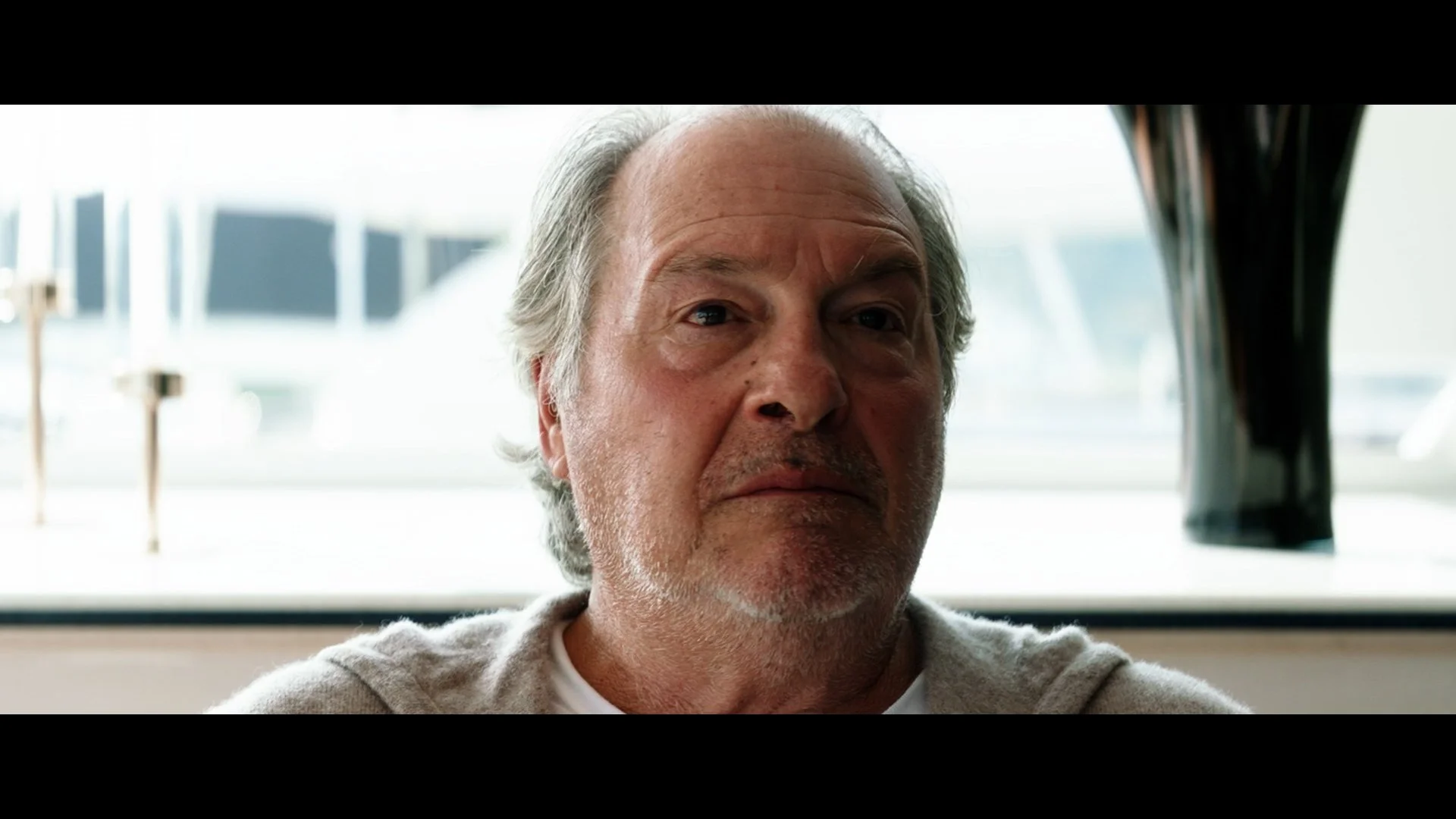
That grounded approach is exactly why the scene works. It does not feel heightened. It feels real, which somehow makes it even more unsettling.
What makes it even crazier is how quickly it all came together. Dunn wasn’t even originally scheduled for the role. The production had already wrapped when things shifted, and suddenly he got a call from Cornack asking if he could jump in on basically no notice. As Dunn put it, it was a “we’re shooting the scene tomorrow, are you interested?” situation. He grabbed the material, got on a plane, and was in Florida the next day shooting six pages of dense, dialogue-heavy material.
No big deal.
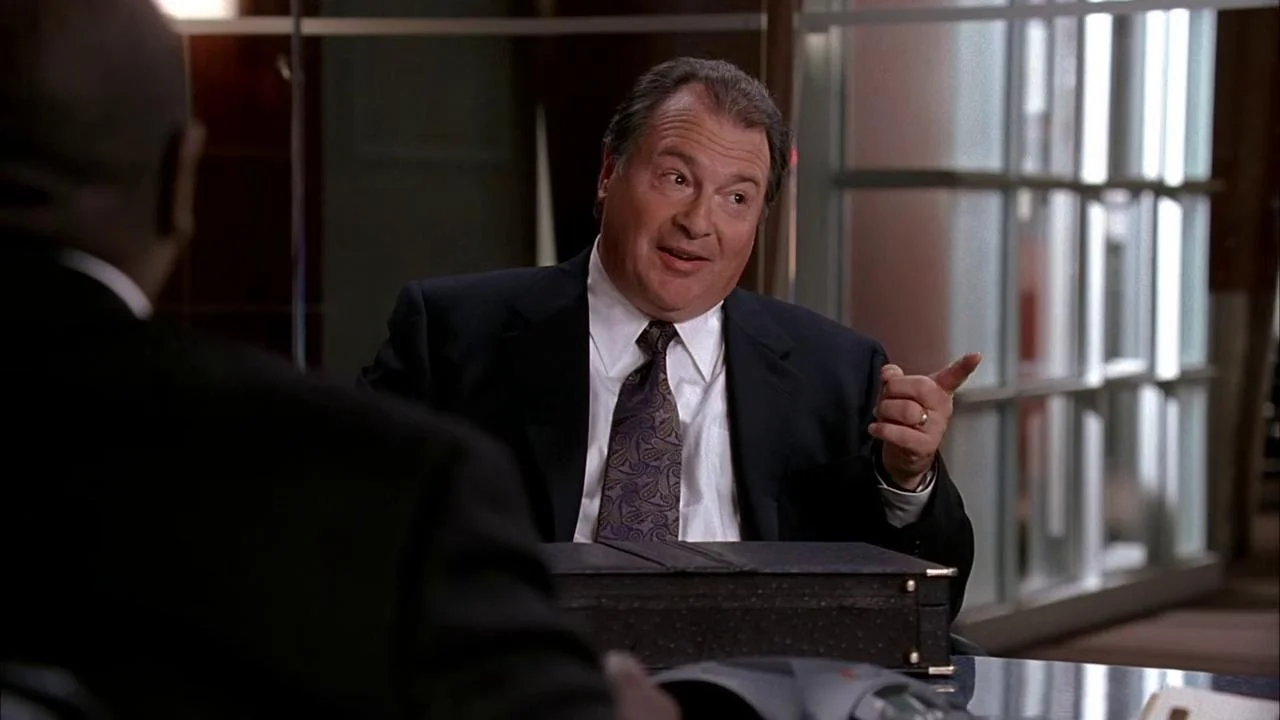
Despite the time crunch, Dunn said the shoot itself was surprisingly relaxed. They actually had time to work through the scene and shape it instead of just rushing through coverage. That kind of breathing room is rare, especially on an indie set, but it speaks to how Cornack and his team operate. Dunn talked about how the production might have been small, but the care level was huge, from the look of the film to the detail in the costumes and design. Watching the finished product, he was struck by how polished it all felt, like something far bigger than its resources.
That DIY energy extended to the crew as well. Dunn recalled moments on set where it was basically just Cornack and a producer hauling lights around themselves, figuring things out in real time. It is the kind of hands-on filmmaking that you either vibe with or you don’t. Dunn clearly does. He lit up talking about working with a group that trusts each other and actually enjoys the process.

And that circles back to why he took the role in the first place. For Dunn, it always starts with the writing. He kept it simple. Good scripts jump off the page. When the characters feel real, and the voice is clear, you know. That is what Mermaid had. Even surrounded by bigger budget projects in the industry, he pointed out how rare that kind of writing can be, and how refreshing it is to see something made with this level of care.
As for the film itself, Dunn does not really see it as a straight comedy, even though it has humor baked into its DNA. Watching it a second time, he found it much sadder, especially when looking at Doug’s journey. He described rooting for the character while also recognizing how broken he is, noting that the film never hands you an easy emotional payoff. It forces you to sit with it, to figure out what you think and feel instead of wrapping things up neatly.
That tension carries into Dunn’s scene as well. It is funny in a dark, uncomfortable way, but it is also a turning point. A moment where the absurdity of the film crashes into something more grounded and unsettling.

Talking with Dunn, what stands out is how much he still genuinely loves the work. Whether it is a massive studio project or a one-day indie shoot where he is memorizing six pages overnight, the approach stays the same. Respect the writing, trust the team, and find the truth in the character, no matter how bizarre the world around him gets.
And that is why the scene works. That is why people walk out of Mermaid still talking about Mr. Morris. Kevin Dunn shows up, does his thing, and leaves you with something weird.
Jessie Hobson