Some documentaries exist to remind you of something you loved. What’s the Story, Wishbone? exists because the people who made it never stopped loving it in the first place.
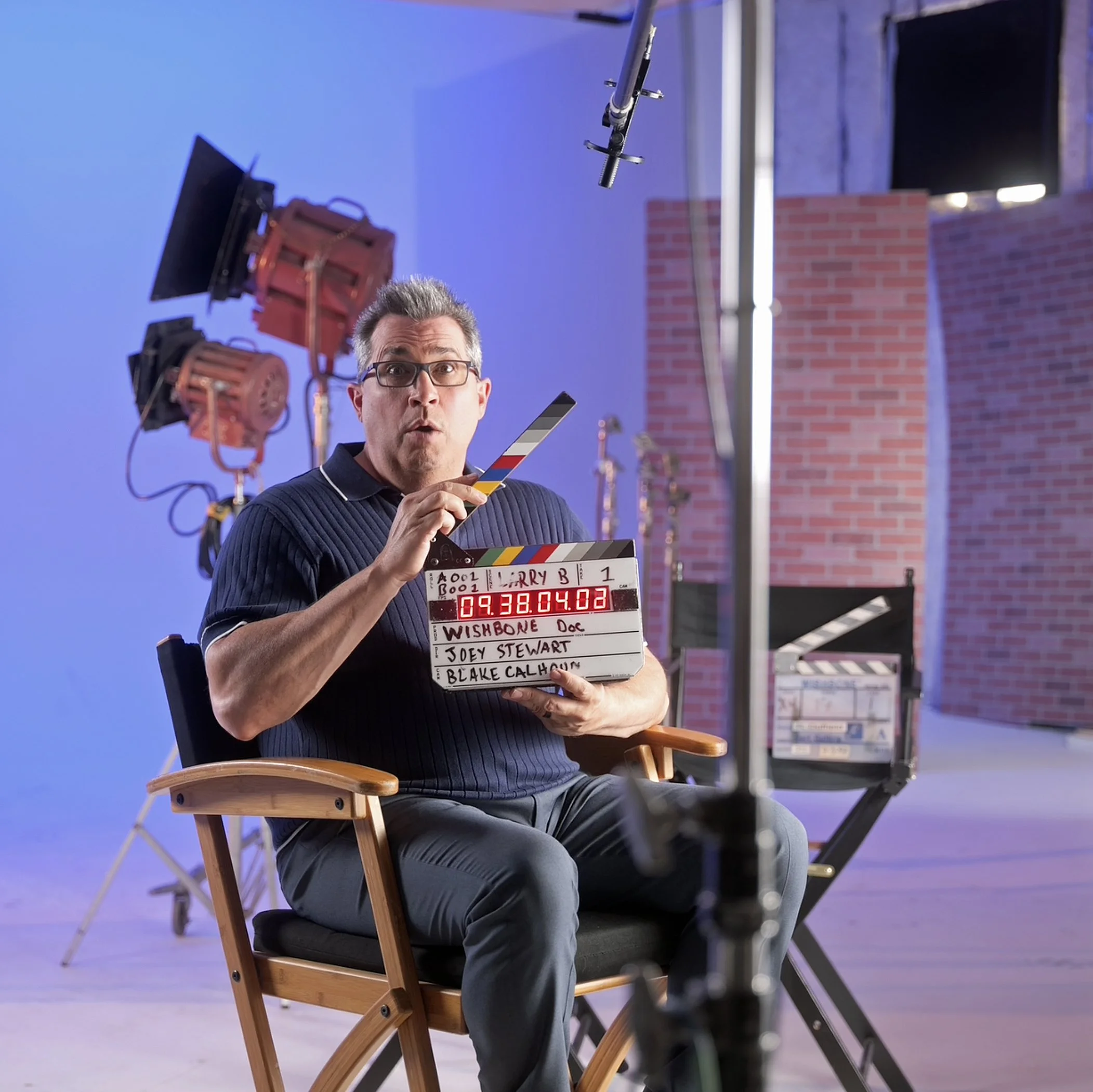
Sitting down with director Joey Stewart and producers Betty Buckley and Larry Brantley, it became immediately clear that this was not a calculated anniversary project or a nostalgia grab. This was unfinished business, handled with care by people who still speak about Wishbone the same way fans do, with warmth, pride, and a little disbelief that it all ever worked.
Stewart, who began his career on the original PBS series before going on to decades of film and television work, explained that Wishbone simply never left the conversation. No matter what project he was promoting, it always came back to the same question. People would hear his credits and say, “Oh my gosh, you worked on Wishbone. What was it like? What was the dog like? How did you guys do that?” Eventually, it became clear that the documentary was less about revisiting the past and more about finally answering the questions fans had been asking for thirty years.
What the film captures, and what the conversation reinforces, is how completely impossible the show should have been. Buckley described the original production as both joyful and terrifying, recalling how the idea evolved from Rick Duffield’s initial pitch into something much bigger, powered by a creative team that often did not know enough to realize what they were attempting could not be done. Stewart echoed that sentiment, noting that none of them had worked on something of that scale before, but because no one stopped them to say the schedule was impossible, they simply kept moving forward. New scripts every week. New sets. New casts. All while hoping they were doing it right.
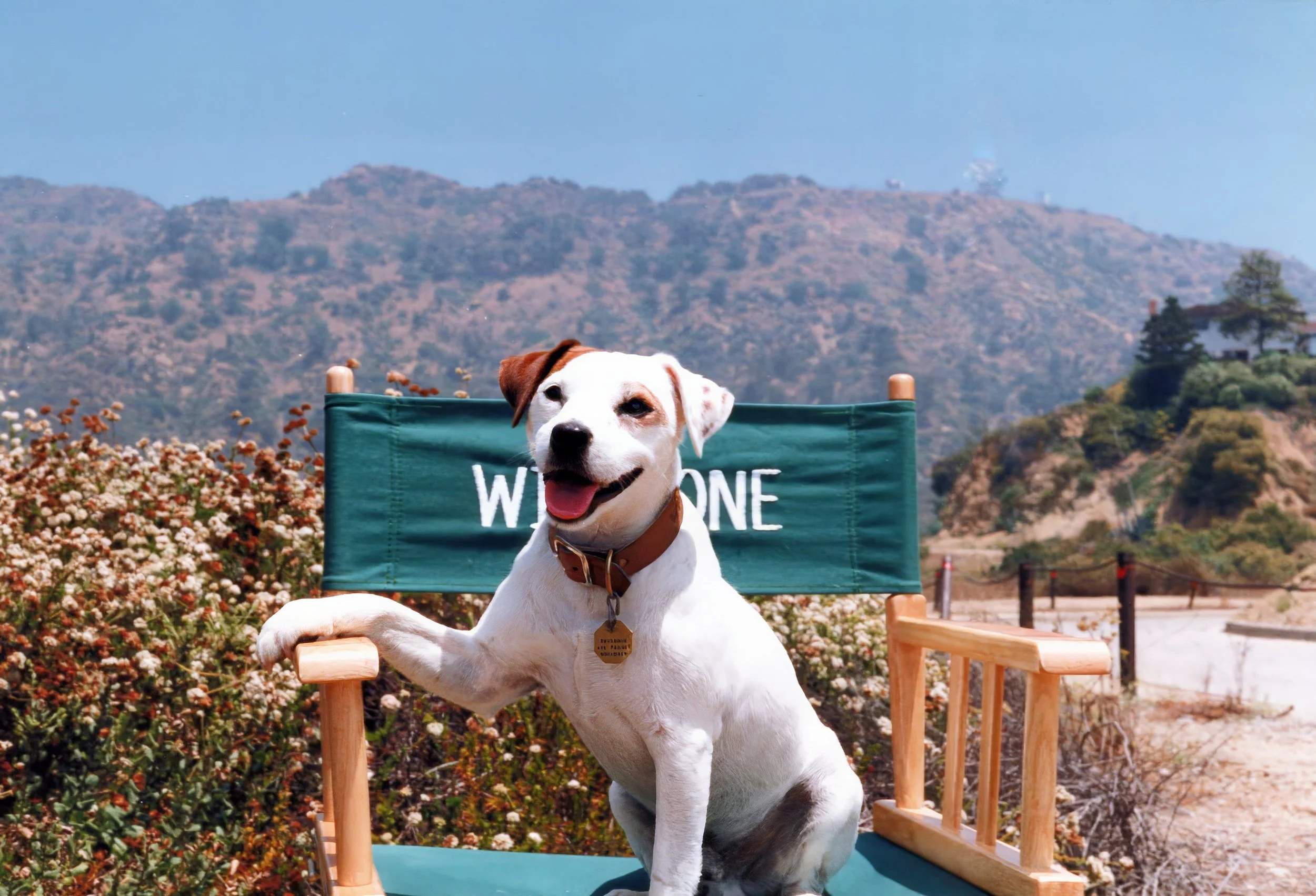
What made it work was trust. Buckley spoke about intentionally hiring people who loved animals or had kids, people who understood the tone instinctively. She talked about how everything started with the script and the importance of staying faithful to the books. For her, Wishbone took on a deeply personal meaning. She shared that she was a young mom during the show’s early years, and by the end of the first season, her son learned how to read. That experience cemented the idea that the show was doing something real.
Larry Brantley, the voice behind Wishbone, carried that responsibility on a different level. Talking about fan reactions decades later, he described moments at comic conventions where children approach him for anime roles, only to be gently moved aside by parents who recognize the dog on the banner. When someone tells him, “You were the voice of my childhood,” Brantley said he takes that seriously. Those words carry weight, and in his telling, they still feel new every time he hears them.
The documentary spends a significant amount of time breaking down the craft behind the magic, and that came up repeatedly in conversation. Buckley explained that the goal was to make each literary segment feel like a mini movie. They shot on film, used a single camera style, and brought in real reenactors when stories demanded it. Everything from jousting to costuming was intentional, designed to honor the books rather than simplify them.
Brantley talked about how that same respect applied to performance. Early on, he realized he needed to become a better actor fast while working alongside performers with theater training and years of experience. He committed to reading every book the show adapted, sometimes juggling multiple novels at once, because he wanted his performance to be honest to the source material. He emphasized that head writer Stephanie Simpson refused to let anyone write down to children, which is why the show never softened difficult emotions. If a moment was sad, it stayed sad.
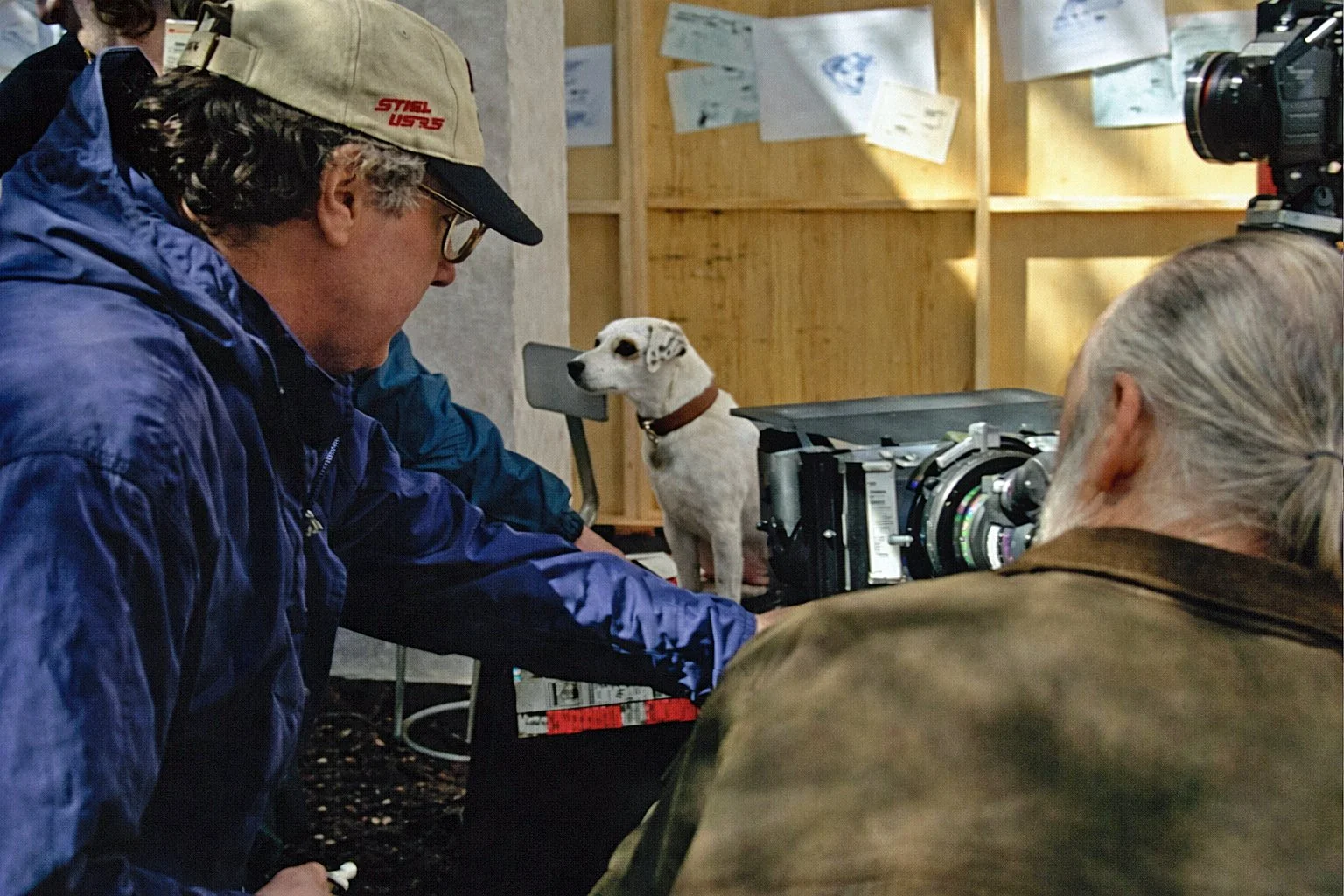
Stewart’s challenge with the documentary was figuring out how to capture that chaos without losing momentum. Archival material became the backbone of the film, though it was far harder to find than expected. Many behind-the-scenes assets had been lost over time as the show changed hands, and most footage existed on outdated formats. Stewart admitted they expected to have very little to work with, making what appears in the film a substantial portion of what still exists. The result is a seamless blend of new interviews and archival footage that never feels disjointed.
When the conversation turned to the show’s ending, Brantley recalled the final day on set with startling clarity. After a carnival scene wrapped, the extras were dismissed, and the core cast and crew were gathered to hear Duffield announce that the show was over. He told them they had not just been part of something special, but something important. That sentiment guided how much space the documentary gave to the ending. The goal was not to dwell on the loss, but to acknowledge it honestly without overshadowing the joy.
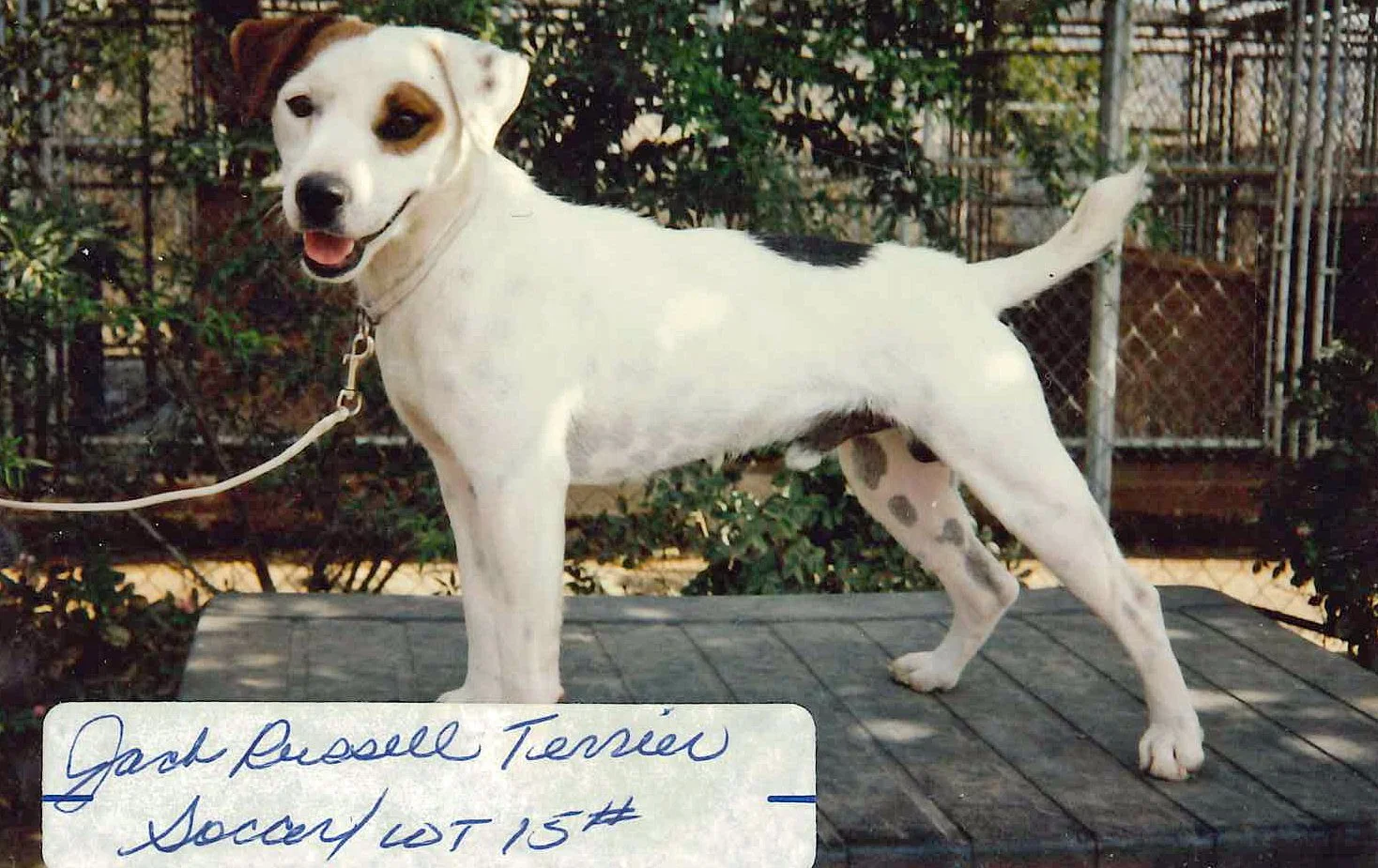
By the end of the conversation, the tone lightened, and the laughs came easily. Stories about the Wishbone theme song haunting sleep cycles, practical jokes on set, and Brantley being kicked out of a KB Toys for using the Wishbone voice reminded everyone that the show was as fun to make as it was intense.
What stayed with me most is how clearly these three still want to work together. Buckley spoke about hoping they could continue collaborating in any form. Stewart reflected that if this documentary were the final chapter of his career, it would be a high note. And when asked about a potential Wishbone revival, there was no cynicism, only hope that if it happens, the right people are involved.
After spending time with them, it is hard not to hope the same. What’s the Story, Wishbone? is proof that the love is still there, and that Wishbone has always been in the best possible hands.
Jessie Hobson