
Talking with Bobby Farrelly felt a little surreal. This is someone whose work practically raised a generation of comedy fans, myself included. I grew up on Dumb and Dumber, loved There’s Something About Mary, and quoted Me, Myself and Irene way more than I should have as a kid. I even wore the blue tux from Dumb and Dumber to prom. So yeah, sitting down with him to talk about Driver’s Ed was one of those full circle moments you don’t really believe is happening until it is.
The good news is that Farrelly is exactly who you hope he’d be. Easygoing, funny, thoughtful. And with Driver’s Ed, he’s tapping into something that feels both familiar and refreshingly different.
At its core, Driver’s Ed is a throwback. A group of teens, a bad decision involving a stolen driver’s ed car, and a chaotic 24-hour journey that somehow turns into something meaningful. For Farrelly, that tone was the entire point. When he first read the script, he immediately connected it to the kinds of high school movies he grew up loving, the kind that balanced humor with heart. He told me it “reminded me of the throwback comedies… like The Breakfast Club and Ferris Bueller… and I just thought they haven’t made this kind of movie in a long time,” especially compared to what’s out there now, which he says tends to skew darker.
That contrast is really the heartbeat of Driver’s Ed. Farrelly keeps coming back to the idea of hope. Not in a heavy-handed way, but in the sense that these characters mess up, learn something, and move forward. He described it as a story where the kids “go on this crazy adventure and they do some dumb things… but there was a feeling like… they’ll learn from it, and life will go on.”
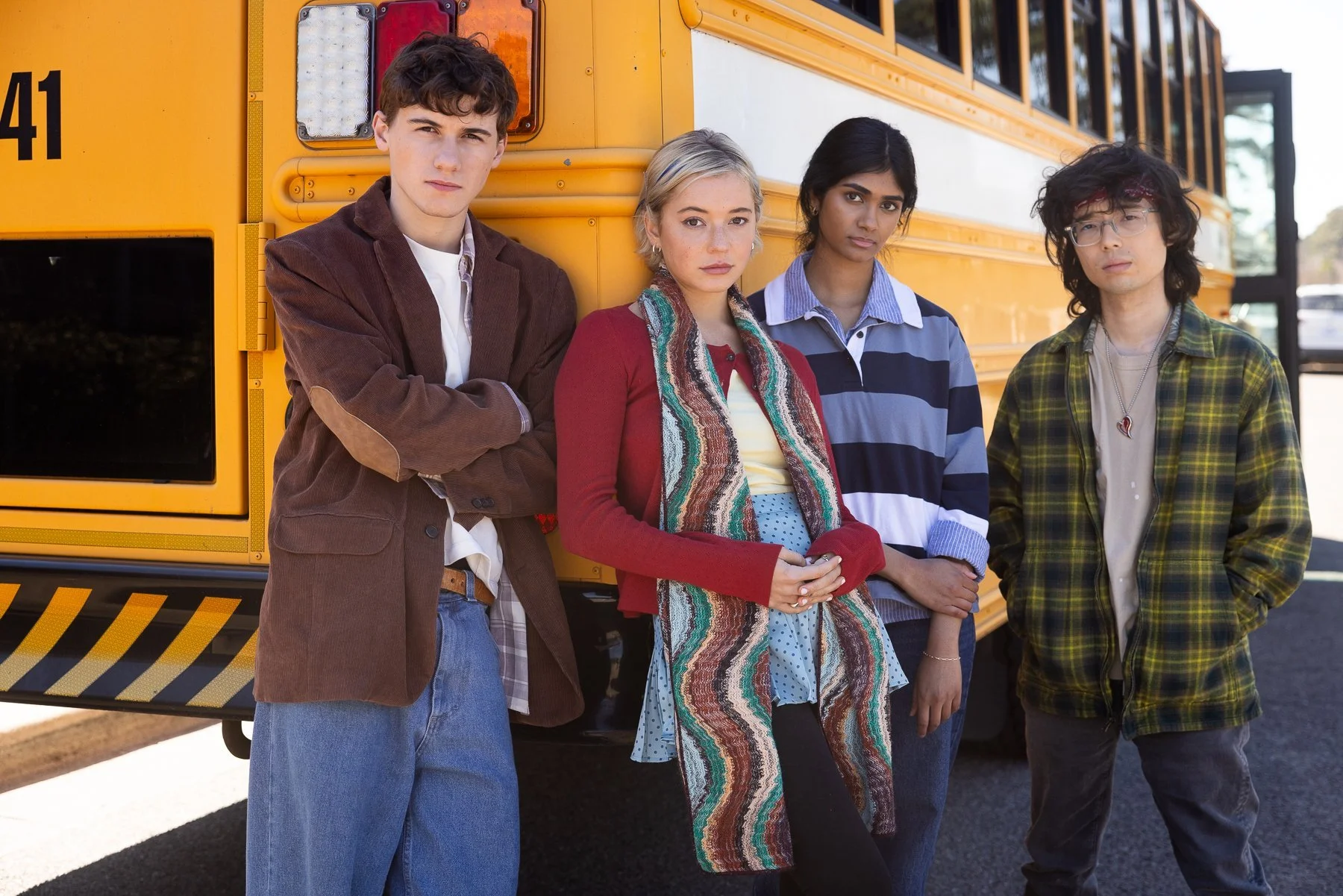
That philosophy bleeds into the entire structure of the film. Over the course of the story’s single-day timeline, each character evolves. That kind of character-driven arc was something he zeroed in on right away. It is not just about the jokes, although there are plenty, but about watching these teens start in one place and end somewhere else entirely.
A big part of making that work is the film’s lead, Jeremy, played by Sam Nivola. The character does something that is objectively terrible. He steals a car. But Farrelly knew the only way the story lands is if audiences go along for the ride anyway. That meant making Jeremy someone you genuinely care about. As Farrelly put it, “you have to really like the kid and understand him… otherwise you’re like, what a jerk,” and the whole thing falls apart.
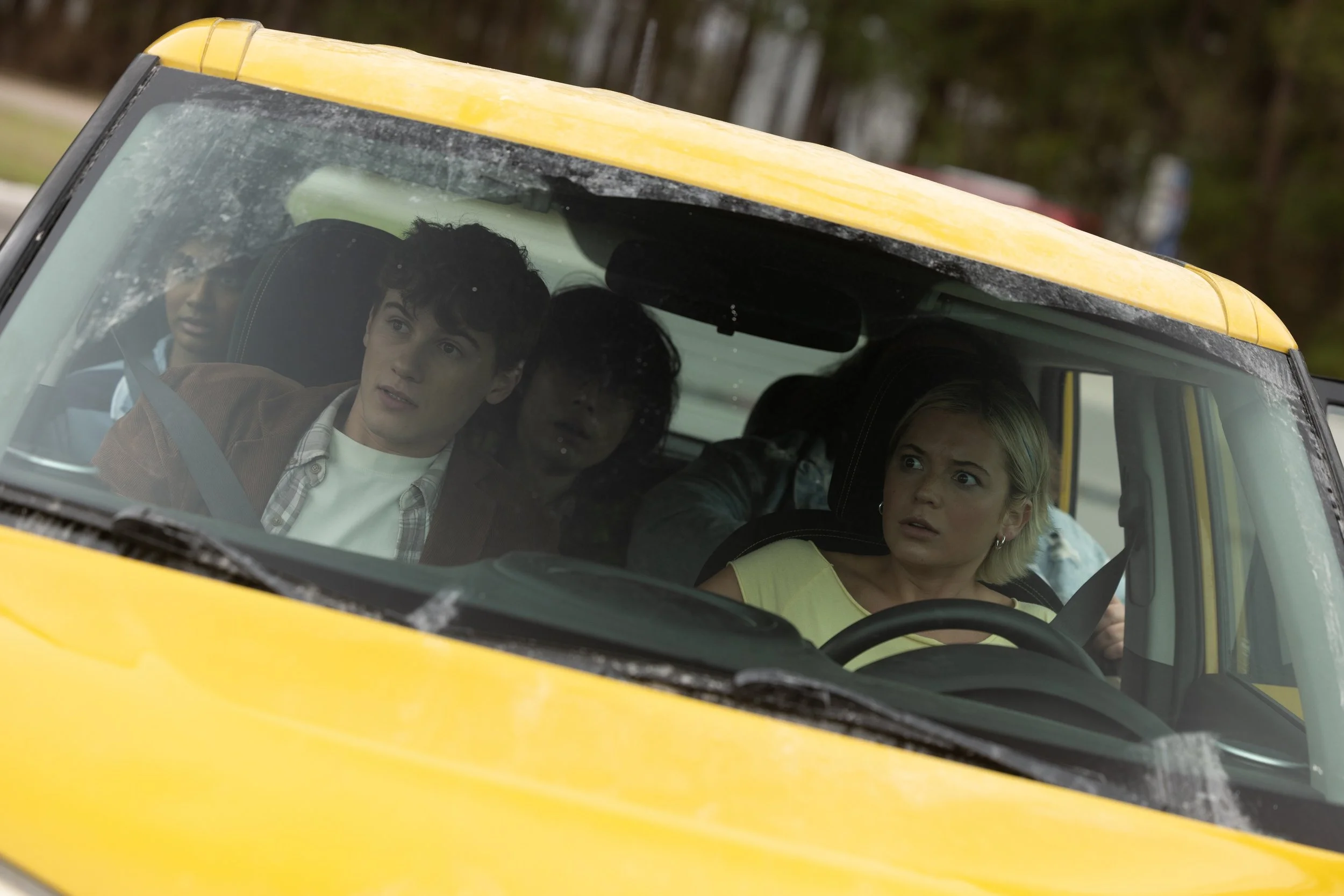
Nivola, in Farrelly’s eyes, was the key to unlocking that balance. He brings vulnerability to the role, playing Jeremy as a lovestruck kid making reckless decisions that feel huge in the moment. The kind of emotional intensity that only exists in high school, when everything feels like the end of the world, even when it absolutely is not.
Surrounding him is a cast that feels deliberately pulled from different corners of the high school experience. Farrelly talked about how much of that dynamic came from the script itself, with characters who reflect different backgrounds and personalities. But the real challenge was finding actors who didn’t feel like they were acting. He wanted them to feel real, like people you might have passed in the hallway without ever really knowing.
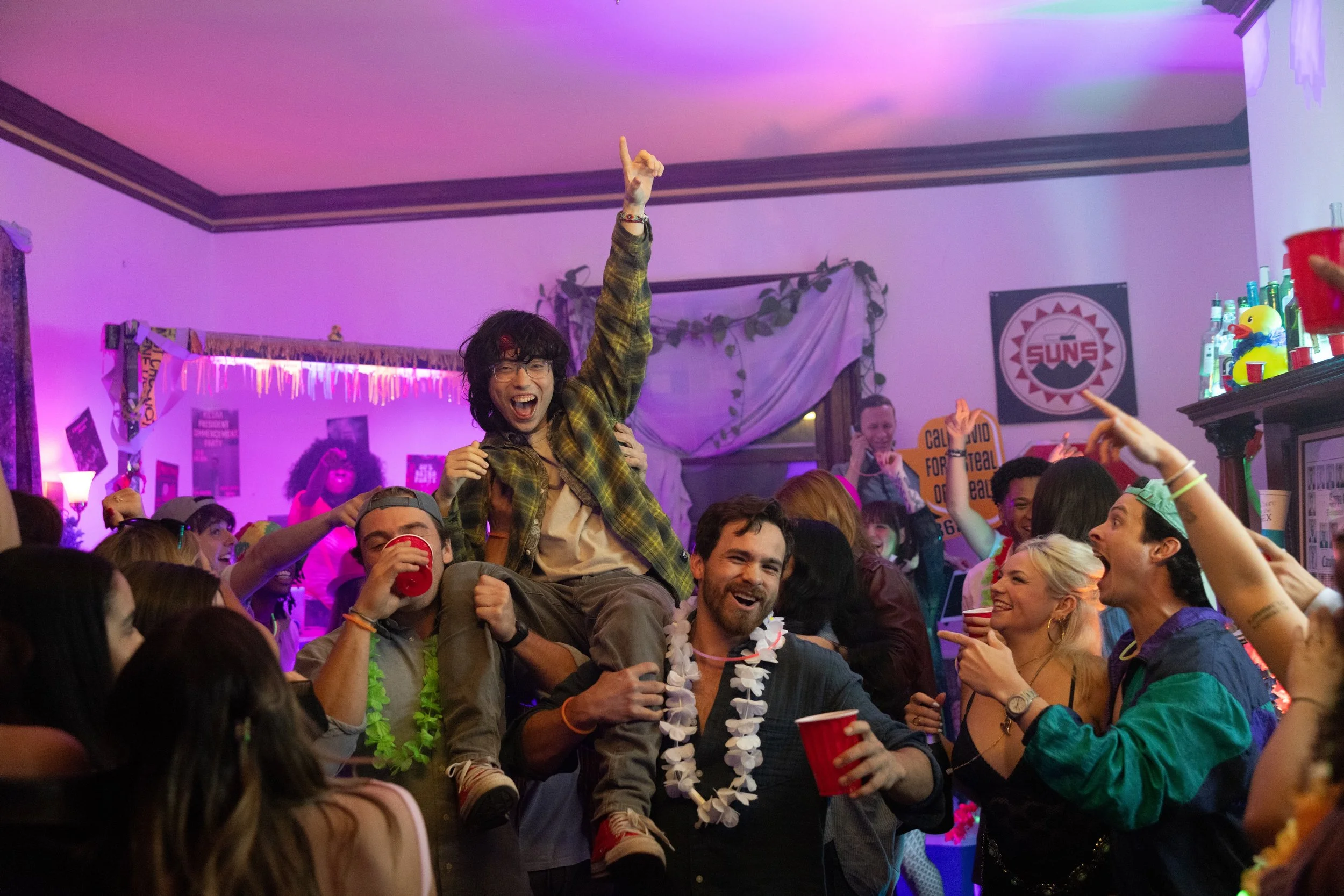
That authenticity also extended to the set. While Farrelly made sure to capture what was written, he encouraged the younger cast to speak up when something didn’t feel right. After all, they know modern high school life better than he does. That openness allowed for moments of improv and natural dialogue tweaks that helped ground the film even more.
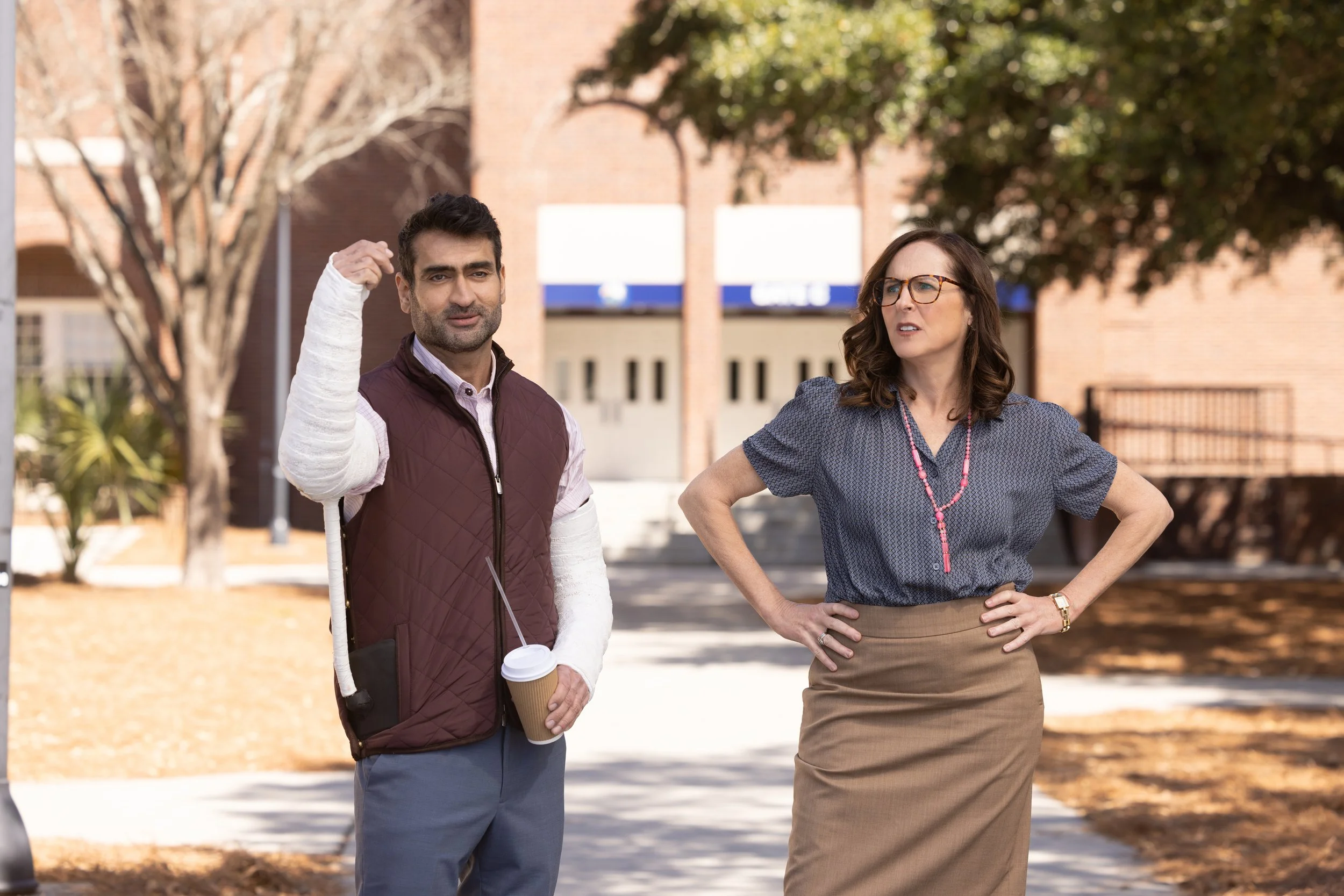
Then there’s the adult side of the story, which could have easily tilted the tone in a different direction. Instead, Farrelly leans into something looser and a little goofier with actors like Molly Shannon and Kumail Nanjiani. Their presence helps keep things light, even when the stakes technically get higher. He explained that he wanted those characters to entertain you whenever the story cut away from the kids, and that sense of humor ensures the film never tips too far into seriousness.
For fans of Farrelly’s earlier work, Driver’s Ed might feel like a shift. The outrageous, boundary-pushing gags that defined some of his biggest hits are toned down here. But that is intentional. He made it clear that this particular story did not call for that style, and forcing it in would have felt wrong. Instead, the comedy comes from the situation itself, from the characters, and from the emotional stakes that drive them.
That does not mean his core philosophy about comedy has changed. If anything, it feels more refined. He still believes in the power of humor to connect people. He still sees laughter as something we need more of, especially now. During our conversation, he pointed out that audiences have gone through a stretch where comedy felt restricted, where it seemed like there were more rules about what not to do. But he also believes people are ready to laugh again, describing it simply as “therapeutic… good for society… good for people.”
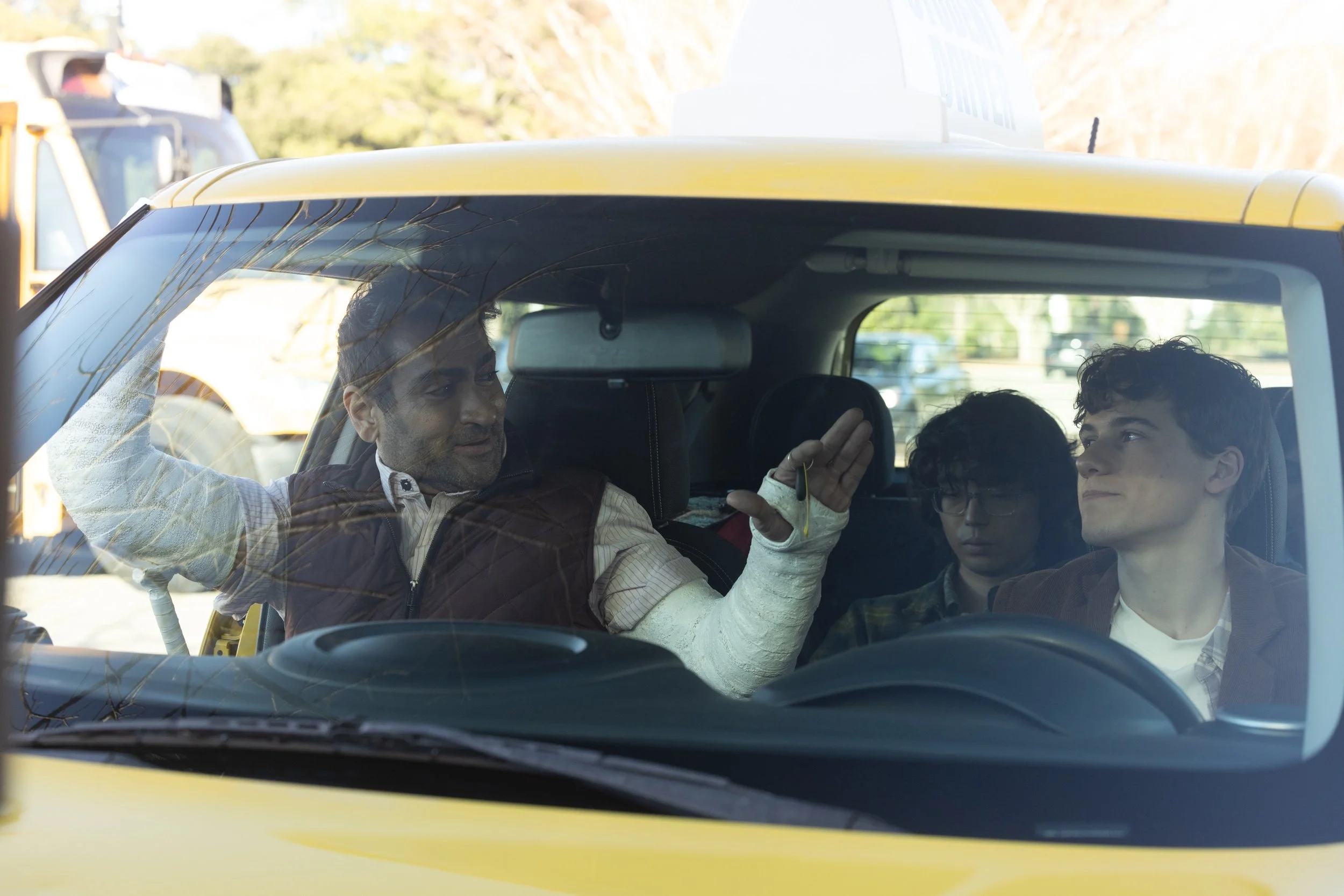
And that is ultimately what Driver’s Ed is aiming to do. It is not trying to reinvent the genre. It is trying to remind you why it worked in the first place. It is messy, a little chaotic, sometimes ridiculous, but always grounded in characters you can recognize and care about.
Walking away from the interview, I kept thinking about how rare it is to see a filmmaker with this kind of legacy still chasing that feeling. Not just bigger laughs, but better ones. The kind that sticks with you. The kind that feel human.

I had a great time talking with Bobby Farrelly. It was one of those conversations where you can feel a genuine love for what he does and a real excitement for what comes next. For someone like me, who grew up shaped by his movies in more ways than I probably realized at the time, it still doesn’t quite feel real that I got to talk to one of my heroes.
And honestly, I cannot wait to see what he does next.
Jessie Hobson