
Xander Robin did not set out to make a clean, buttoned-up environmental documentary. If anything, The Python Hunt feels like the opposite. It is messy, funny, tense, and deeply human, much like the people wandering into the Everglades every summer chasing something they cannot fully explain.
The film, which follows amateur hunters during Florida’s ten-night python removal competition, captures a strange collision of ambition, obsession, and ecosystem collapse. It is less about snakes and more about the people convinced they can fix a problem that might not have a solution.
For Robin, the path to this story was not exactly direct. Growing up in South Florida, he was surrounded by the same wildlife that now defines the film, but it took time before that familiarity evolved into something cinematic. As he explained, making an earlier short back home sparked something deeper. He found himself drawn to telling “a contemporary Florida story,” using the environment and its strange cast of creatures almost like a creative engine.
What changed over time was not just his perspective but the landscape itself. Robin described how invasive species have multiplied in ways that feel almost unreal, reshaping both the environment and people’s behavior. That tension led him toward a bigger idea, though it was not until producer Lance Oppenheim pointed him toward the Python Challenge that the film truly clicked into place.
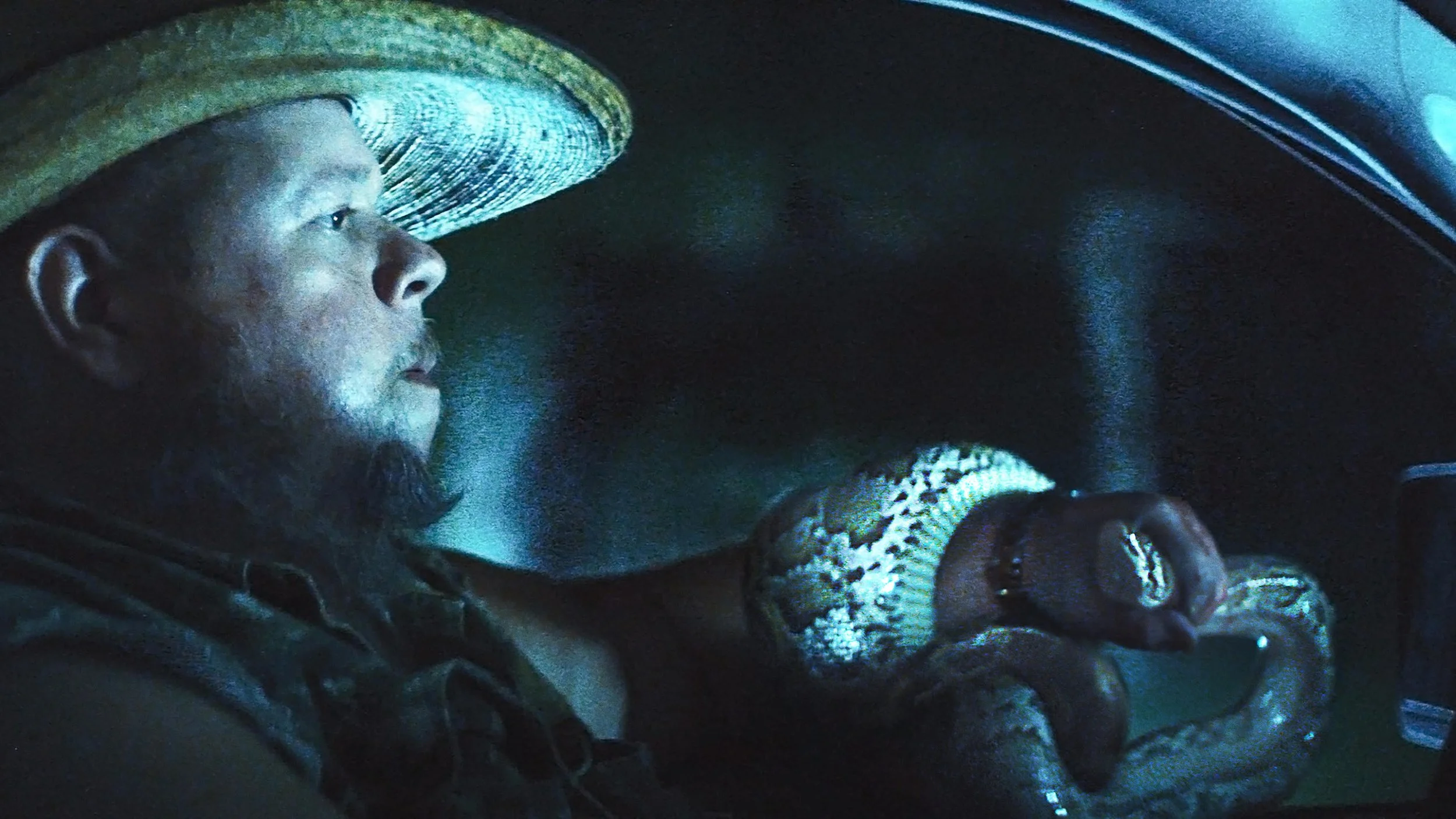
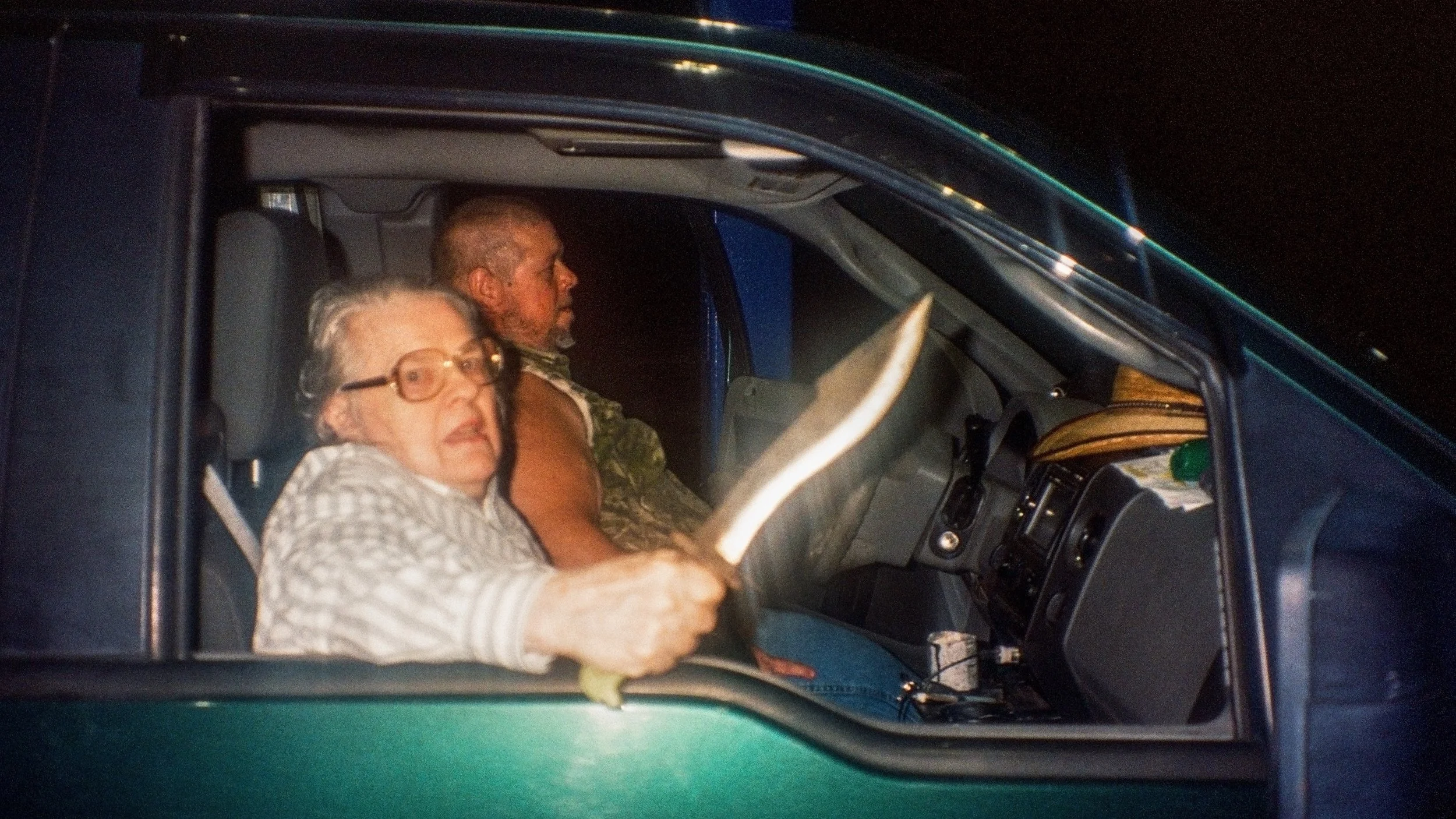
Once he stepped into that world, Robin realized the real story was not the professionals but the amateurs, the ones driven by what he called “inner chaos,” people chasing something far more personal than a prize.
That instinct defines The Python Hunt. The film resists easy answers and avoids talking down to its subjects. Robin and editor Max Allman crafted a tone that balances humor with empathy, allowing each character to exist on their own terms. As Robin noted, the goal was not to correct anyone or impose a single truth but to let each person feel like “the authority of their own reality,” reflecting the fragmented way people understand the world today.
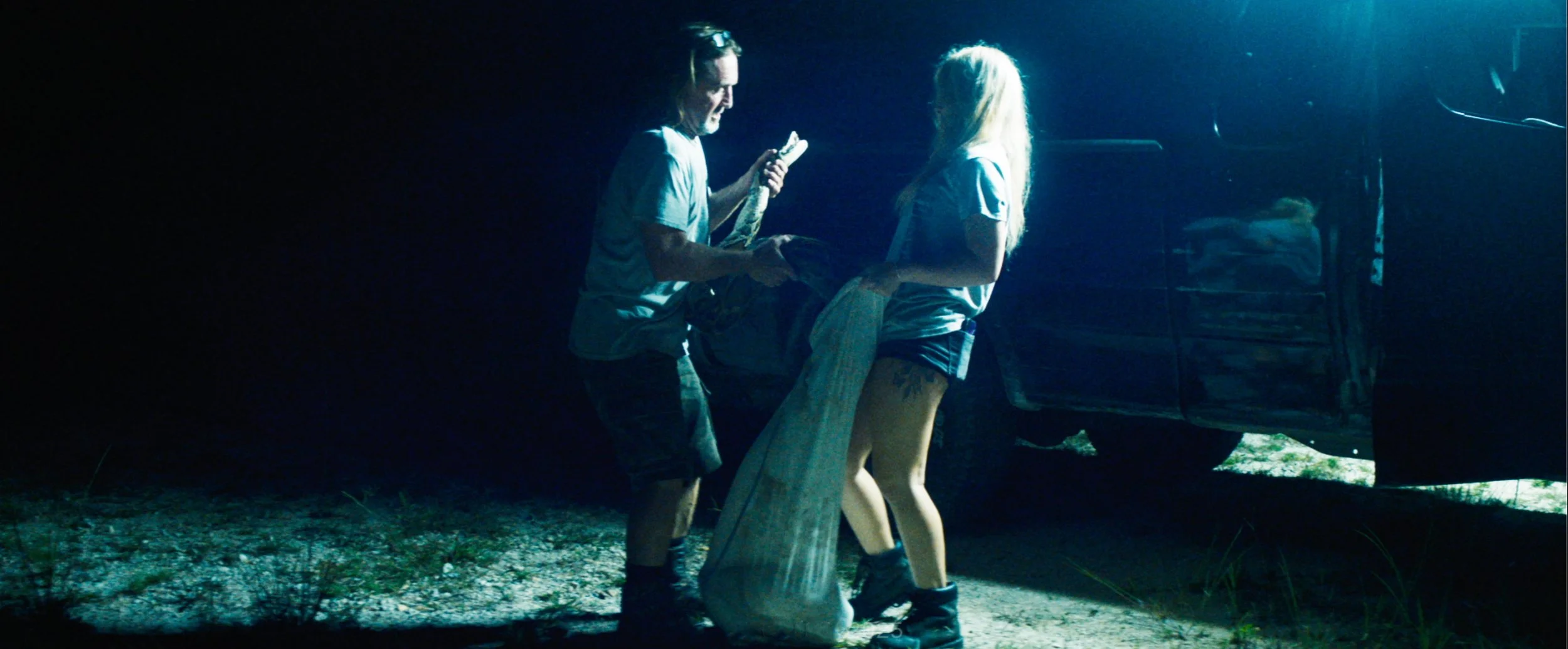
That approach gives the documentary a kind of slippery structure, one that shifts perspectives and keeps the audience slightly off balance. Robin even described it as a “snaky structure,” an idea that feels fitting for a film that winds through competing theories, personal motivations, and long nights in the swamp.
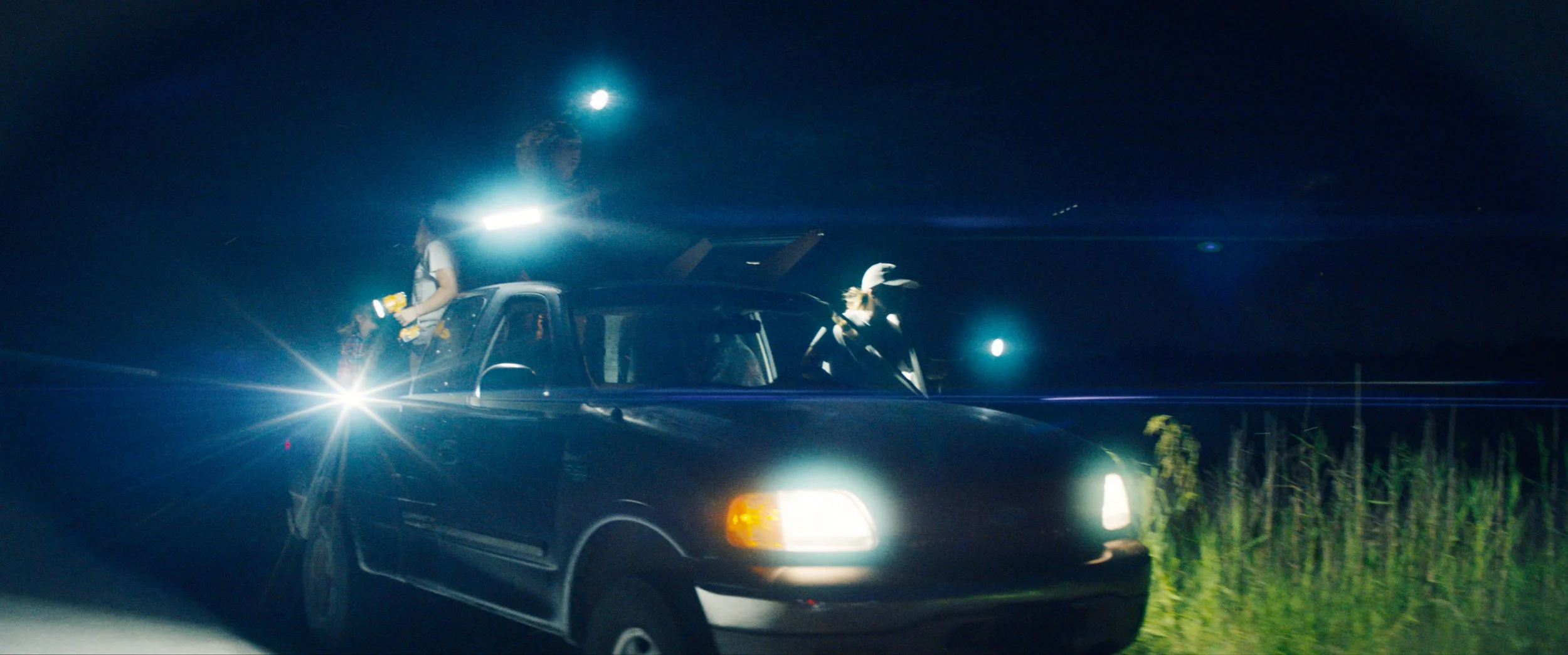
The Everglades themselves play a major role in shaping that tone. Shot largely at night, the film leans into the romance and danger of the environment, something Robin connected to the cinematic pull of nocturnal storytelling. There is a sense of chaos simmering beneath the surface, a quality that places the film loosely in conversation with the Safdie-adjacent creative circle surrounding the project.
That connection runs through the production in subtle but meaningful ways. Producer Lauren Cioffi previously worked on projects with the Safdie brothers, while editor Max Allman has collaborated with Josh Safdie. You can feel traces of that influence in the film’s energy, its embrace of obsession, and its willingness to sit with uncomfortable ambiguity instead of resolving it.
Still, The Python Hunt never feels like imitation. It feels personal to Robin, rooted in his relationship with South Florida and the people who call it home. Much of the crew shares those ties, which helped ground the film in authenticity. Robin said they wanted to make something that felt sincere, something the subjects themselves could watch and feel reflected in rather than judged.
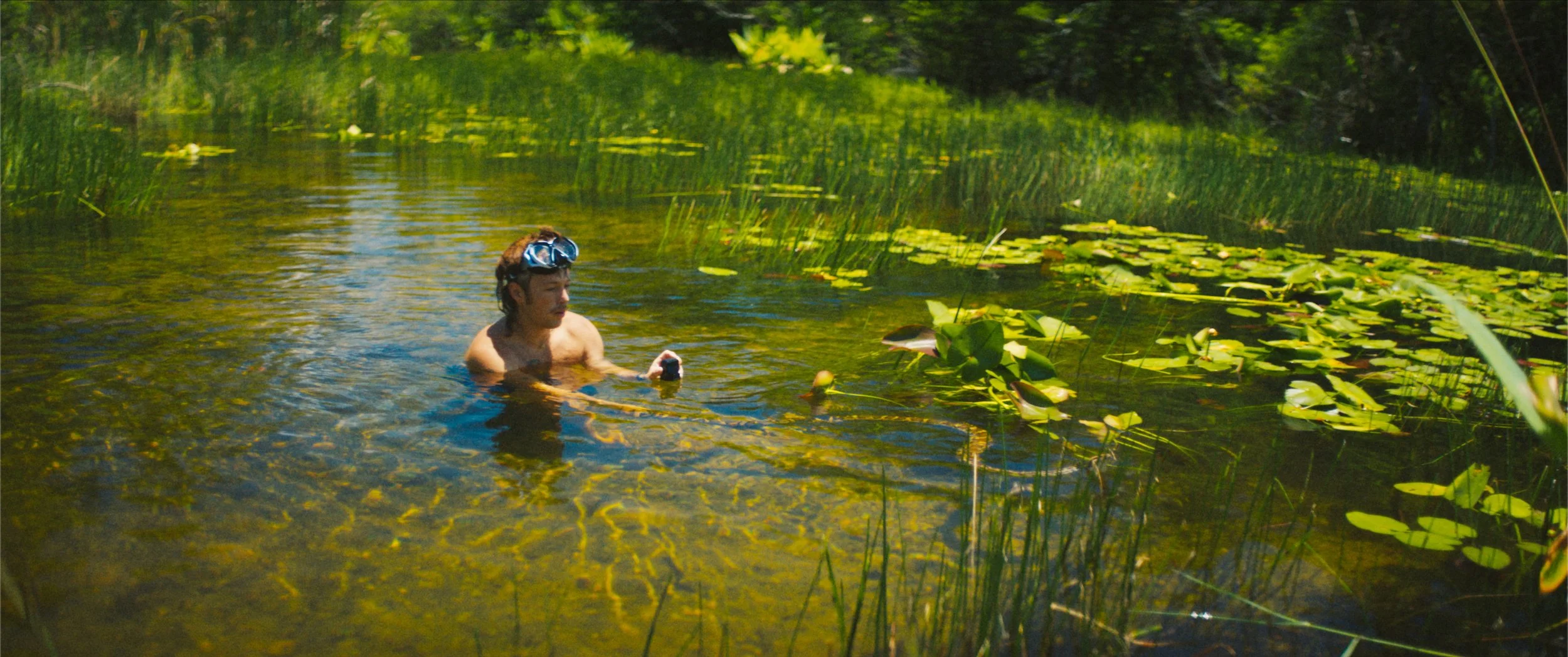
That sincerity is what makes the film work. Whether it is a seasoned outdoorsman, a first-time hunter, or someone chasing redemption in the swamp, the film treats each perspective with equal weight. No one is dismissed. No one is simplified.
And that is where The Python Hunt finds its staying power. It is not about solving a crisis but about understanding the people drawn to it. It is about what happens when you drop ordinary individuals into an extraordinary situation and let them tell you who they are.
After talking with Robin, one thing is clear. He is not done exploring Florida or the strange stories it holds. He even joked that he hopes for “more Florida movies,” but it does not really sound like a joke.
I’m always a fan of a good documentary, and Xander Robin clearly knows how to tell a story. Honestly, I had a great time speaking with him. It was an easy, fun conversation with someone who genuinely loves what he does. And if The Python Hunt is any indication, he’s only just scratched the surface of the kinds of stories he can tell.
Jessie Hobson